Ukraine’s FORT 230 Submachine Gun

The FORT-230 is Ukraine’s 9x19mm submachine gun. Since the start of 2025 these compact personal defence weapons have been seen more and more frequently. The FORT-230 was developed by RPC Fort for military and law enforcement use with development beginning long before Russia’s February 2022 invasion of Ukraine.

The FORT-230 first emerged in 2021 when it was showcased as the Arms and Security exposition held in Kyiv. FORT or the Science Industrial Association of the Ministry of Internal Affairs of Ukraine, is Ukraine’s state-owned small arms manufacturer.
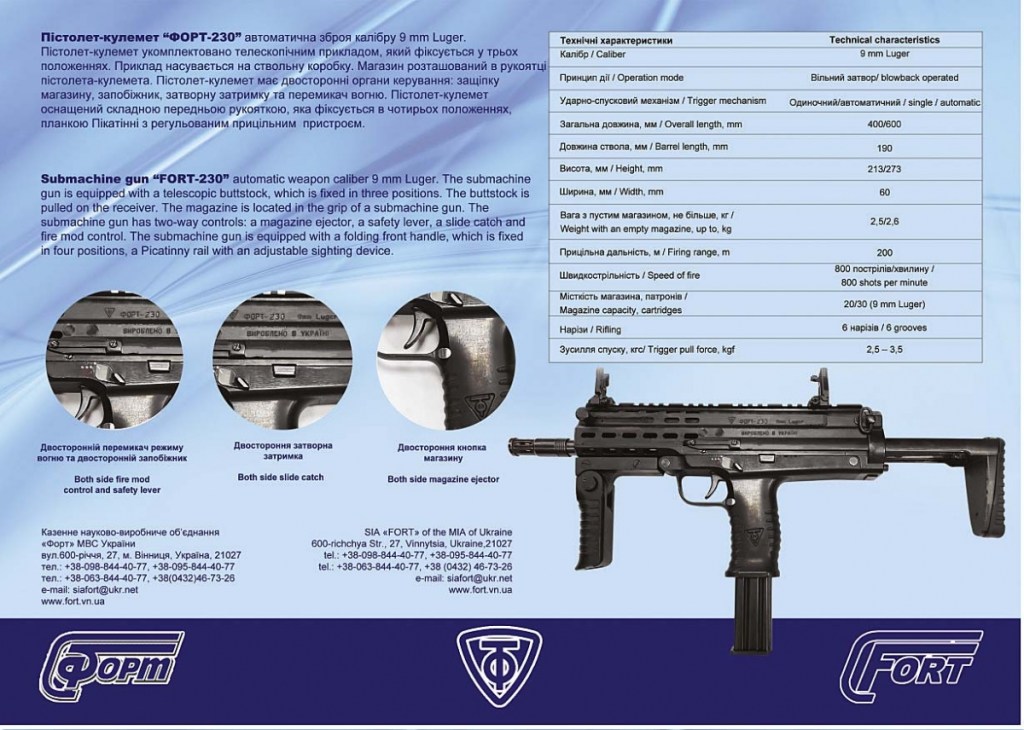
Data sheet for the 230, c.2021 (RPC FORT)

According to data from FORT the new 9mm submachine gun is a select-fire, blowback operated weapon which feed from 20 or 30 round proprietary magazines. It has a reported weight of 2.5kg (5.5lbs), a 190mm (7.5in) barrel and an overall length of 400mm (15.7in) (with the stock collapsed) and 600mm (23.6in) with the three-position stock fully deployed. It also had a folding front grip. The weapon’s controls are ambidextrous and has a non-reciprocating, reversible charging handle and it has a stated rate of fire of around 800 rounds per minute.

Ukraine intends to use the FORT-230 to arm some of the personnel currently issued AKS-74 and AKS-74u. These rifles are no longer in production and while Ukraine has large pre-war stocks of small arms dating to the Soviet era these stocks are finite and as the war continues the attrition rate of small arms means new weapons are needed. At 2.5kg (5.5lbs) the FORT-230 is around 500g and 1kg lighter than the AKS-74u and AKS-74 respectively while also being a smaller, more ergonomic package. The selection of a submachine gun chambered in a pistol calibre cartridge does, however, mean a sacrifice in ballistics compared to the 5.45x39mm chambered rifles.

In a video with my friend James Reeves from TFBtv, filmed at IWA 2025, FORT noted that the guns are in service with the Ukrainian national police (including the Kord special operations team), the Ukrainian National Guard and the Ukrainian militaries armoured units.
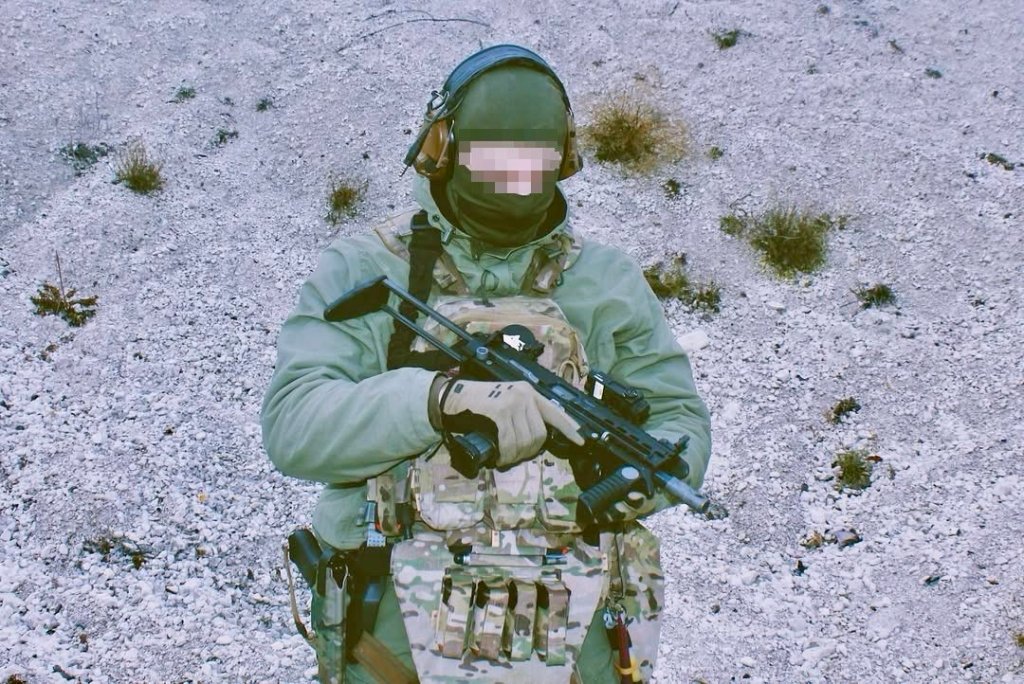
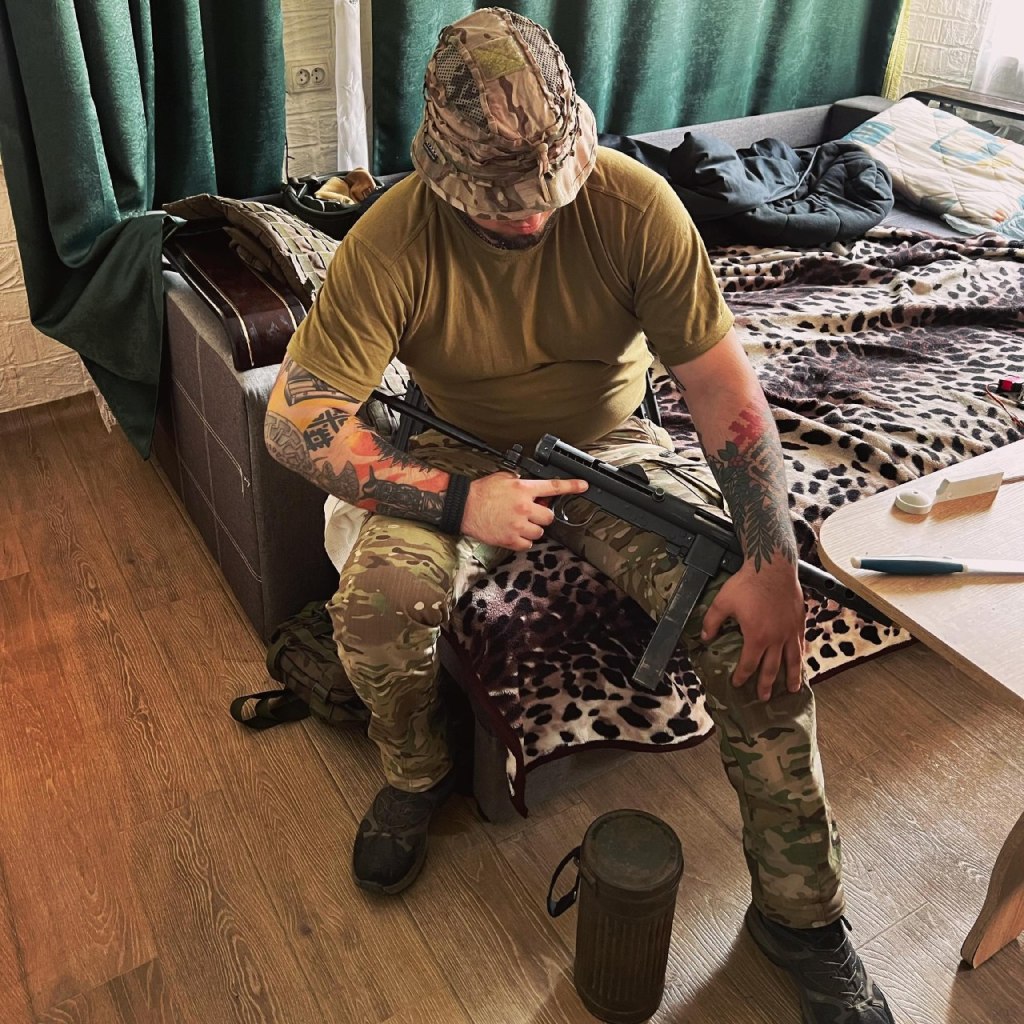
Combatant from 12th ‘Azov’ Brigade examining FORT-230 (via social media)

The first image to surface of one of the FORT-230s dates from early in the war when a photo of one of the guns, with a FORT-produced suppressor, was shared. This example has well worn finish and a 30 round magazine. The next sighting of one of the guns came in mid-November 2023 with some footage of one of the guns being fired at a range.

It wasn’t until late 2024 and early 2025 that the submachine guns began to appear with troops from various different units suggesting that larger scale production of the guns had begun. In January 2025, members of the 12th Special Forces Brigade “Azov” appeared in range photos with a FORT-230.

On 2 February another Ukrainian combatant shared a photo featuring a pair of FORT-230s, the location and unit the individuals belong to is unclear. Around the same time a salvage team with Ukrainian National Guard’s 13th Khartiia Brigade were also confirmed to be equipped with the guns.
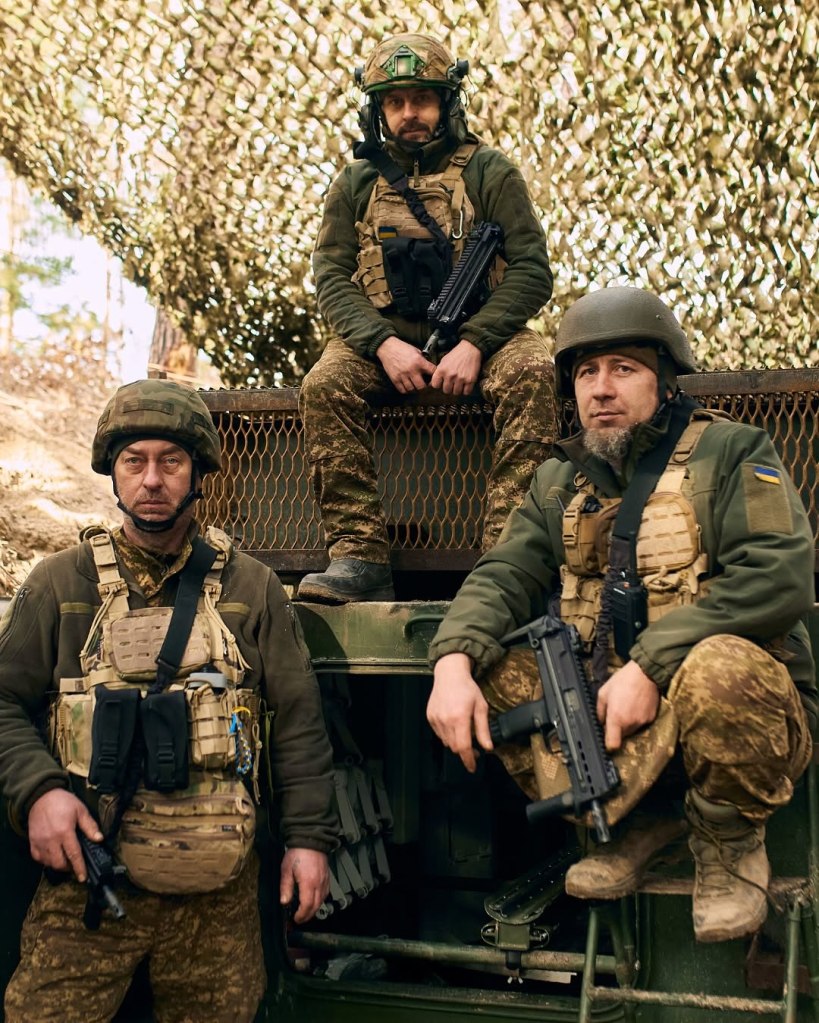
Artillerymen of 13th Khartiia Brigade Brigade with new FORT-230s (via the brigade’s social media)

In mid-February combatants from the Ukrainian Army’s 3rd Assault Brigade shared videos from range sessions training with new FORT-230s. The clips show the weapons rate of fire and reloading drills. An individual, who may be a combat medic with the 3rd Assault Brigade, also shared several photos of the weapon disassembled giving a good look at the FORT-230s component parts.

On 4 March, the 3011 Unit of the National Guard shared a photograph of an individual posing with a FORT-230. In late March, the 13th Khartiia Brigade also shared photos of a 2S1 self-propelled howitzer crew equipped with brand new FORT-230s.

On the 19 April the same combatant, who may be a member of 3rd Assault Brigade, shared an additional photo of a FORT-230 now painted up in a camouflage scheme.
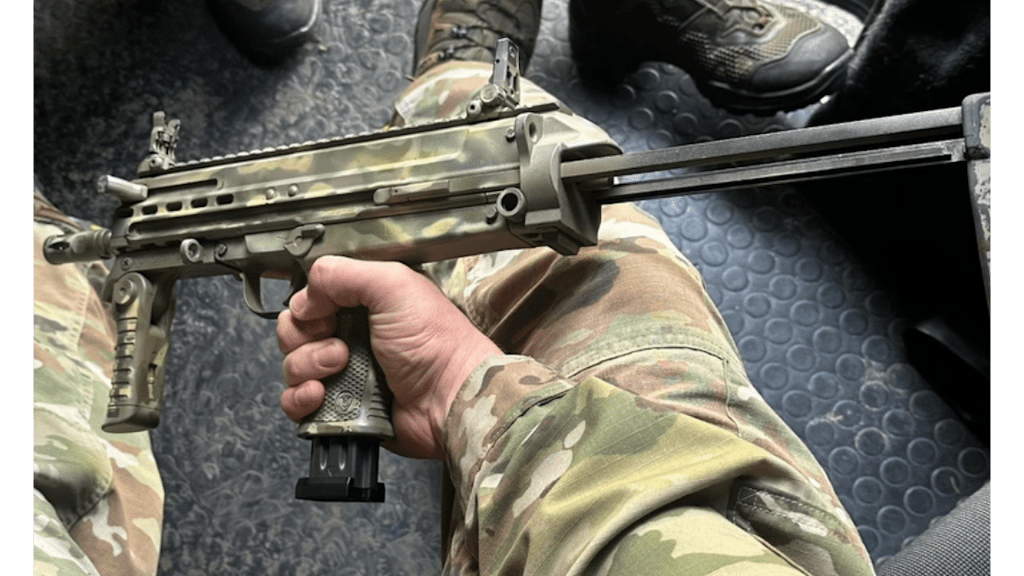
A painted FORT-230 (via social media)

While it may seem like a step backwards to adopt a 9mm submachine gun as a personal defence weapon in 2025, there is some logic to the selection. The FORT-230 is a locally designed and manufactured weapon system which can be easily put into production and as a personal defence weapon its small size and more compact and ergonomic form factor, compared to AK-patterned carbines, makes sense for air crews, tank crews, gunners, medics and drone operators who don’t immediately need a rifle-calibre weapon. While this argument has its roots in some of the original reasoning behind why the submachine gun rose to prominence with many armies during the later-half of the 20th century it can also be noted that small arms design has advanced and there are rifle-calibre personal defence weapons with similar formfactors and weights now available. The FORT-230, however, is expedient for Ukraine and is probably more than sufficient for many of those likely to be issued them. The FORT-230 may be the last submachine gun to see widespread issue and use during wartime.


Support Us: If you enjoyed this video and article please consider supporting our work here. We have some great perks available for Patreon Supporters – including early access to custom stickers and early access to videos! You can also find us on the History of Weapons & War app. Thank you for your support!

Swedish K In Ukraine – Update

A few of weeks ago I published an article/video detailing the appearance of Swedish Carl Gustaf m/45 9x19mm submachine guns in Ukraine. One notable feature of the guns was that their configuration appeared to sit somewhere between the m/45A and the m/45B.

In the absence of clearer information I referred to these as m/45Bs, the most common variant and one which has the defining fixed magazine housing rather than the earlier removable magazine well seen on the m/45A. The fixed magazine well is an upgrade which was made before the later m/45B refit. It seems that there was some fluidity to how the upgrades were carried out which has led to guns with a mix of features.

An upgraded m/45A with the 41st Mechanized Brigade (Daily Mail)

From Swedish sources I’ve spoken to many of the m/45s seen in the imagery from Ukraine are early spec guns (m/45As) which may have been in storage and were not refit to the m/45B pattern. The m/45B refit was partially necessitated by the need to add an additional retention method to hold the receiver end-cap in place. Some sources suggest this was due to a type of training ammunition then in use, others point to it being simply extra security.

An m/45B (top) and an m/45A (bottom) with the fixed-magazine well upgrade (Henrik Jansson)

Working theories explaining the configuration of the guns seen in Ukraine include: that they are m/45A configuration guns which had been in storage and were retrofitted after the training ammunition left service and the additional end cap retention was no longer needed, so this change to the guns was omitted. As mentioned earlier, another reason may be that these are m/45As which had the magazine well upgrade but were placed in store or transferred before the broader m/45B upgrade was carried out.

As discussed in the initial video, it is thought that Estonia is a likely source for these guns as they received some of these guns in the 1990s and these m/45s have then subsequently been sent to Ukraine. Regardless of origin country the result is guns which do not have the additional end cap retention catch nor the green finish of the Swedish Army’s m/45B. They all feature the fixed magazine housing but there is also a mix of larger and smaller perforations in the barrel shrouds. [Note: Thanks to Jonathan Ferguson who noted that there is some variation in the size of shroud perforations within examples of both A & B model guns.]

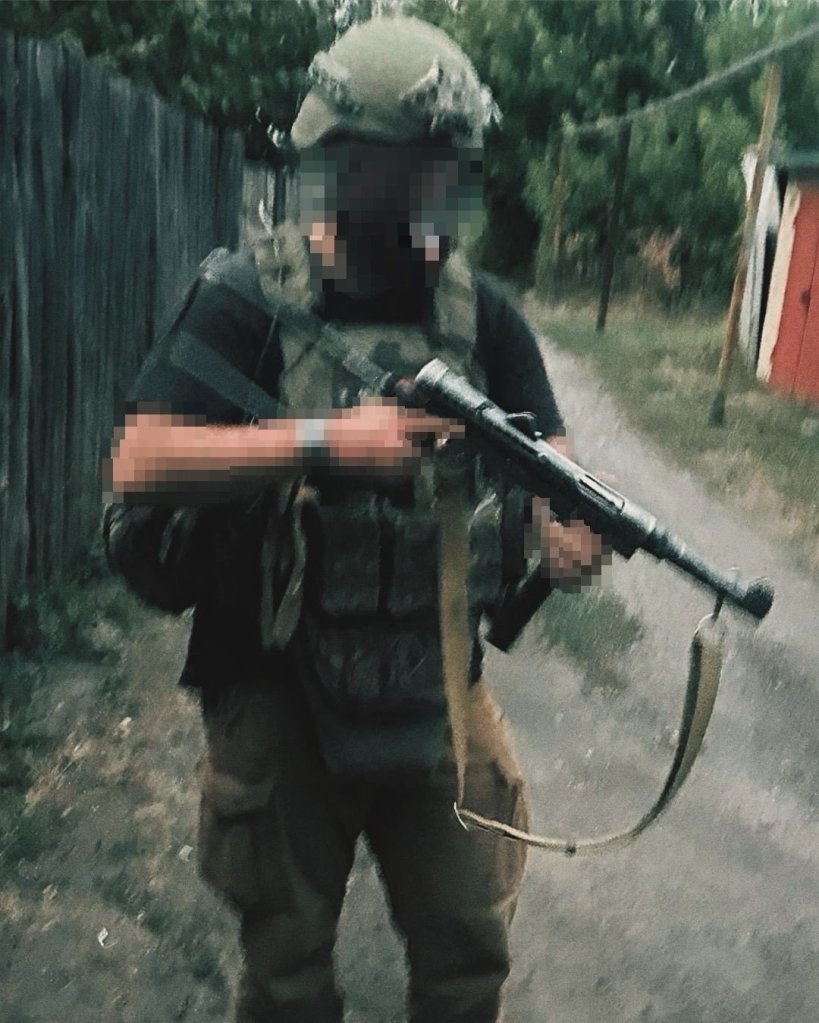
A combatant in Ukraine with an m/45 c.early 2024 (via social media)

Since the last video a couple of other sources showing the m/45 in Ukraine were shared with me. Including this image of a Ukrainian combatant with a Swedish K which has the smaller barrel shroud holes. On 10 February a Daily Mail report, featured Thunder Company, an element with the 41st Mechanised Brigade. Members of the company show journalist Richard Pendlebury an m/45 that is in their inventory. The company’s deputy commander describes it as a ‘museum piece’. Both guns appear to be of the same configuration generally seen in Ukraine. On 4 March, another short video of a Ukrainian combatant firing an m/45 at what appears to be a range was shared. It’s unclear when or where the video was filmed.

My very special thanks to Henrik Jansson for his time, insights and imagery and to numerous others for their knowledgeable input. Thank you to Weapons_Illustrated for their help sourcing imagery, check them out on twitter.

Update – 24/5/24:

On 11 April, a soldier of the 2nd Battery of the 2nd Self-Propelled Artillery Battalion of the Field Artillery Regiment of the 3rd Assault Brigade shared a photograph holding an m/45. [h/t Cloud for sharing].

Update – 18/6/24:

Update 4/9/24: A new image of the Swedish m/45 submachine gun recently surfaced. (H/T AbraxasSpa)

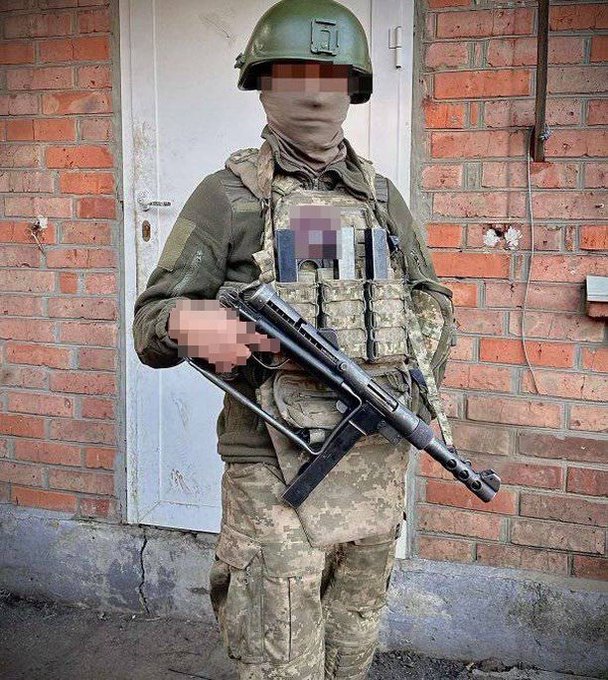
Update 3/10/24: A photograph of what may be a member of the Ukrainian 129th Territorial Defence Brigade or potentially a member of the International Legion. He’s equipped with an m/45, note the three magazines in his chest rig and Ukrainian digicam pattern sling.


Support Us: If you enjoyed this video and article please consider supporting our work here. We have some great perks available for Patreon Supporters – including early access to custom stickers and early access to videos! Thank you for your support!


Vintage Weapons In a Modern War: Swedish K in Ukraine

The war in Ukraine has seen a plethora of vintage weaponry being used by both sides. Everything from M1910 Maxims to TT pistols. One of the more surprising vintage weapons to turn up is the classic ‘Sweden K’. The Kulsprutepistol m/45 (Kpist m/45) perhaps better known as the Carl Gustaf M/45 has appeared in imagery from Ukraine numerous times over the past two years.

The most likely origin of the venerable submachine guns is either Sweden itself, whose home guard ceased using it in 2007, or Estonia, which received a number of the weapons from Sweden in the 1990s and for a time issued them to elements of thier Defence League.

Manufactured by Carl Gustafs stads gevärsfaktori from 1945 through to the mid-1960s the m/45 is a standard blowback submachine gun chambered in 9x19mm. The initial version had a detachable magazine well that enabled the weapon to feed from either a 36-round magazine or from Suomi KP/-31 (m/37-39 in Swedish service) magazines. The later m/45B variant permanently attached the magazine well limiting the weapon to feeding from the standard 36 round box magazines. The m/45B also incorporated a reinforced receiver end cap.

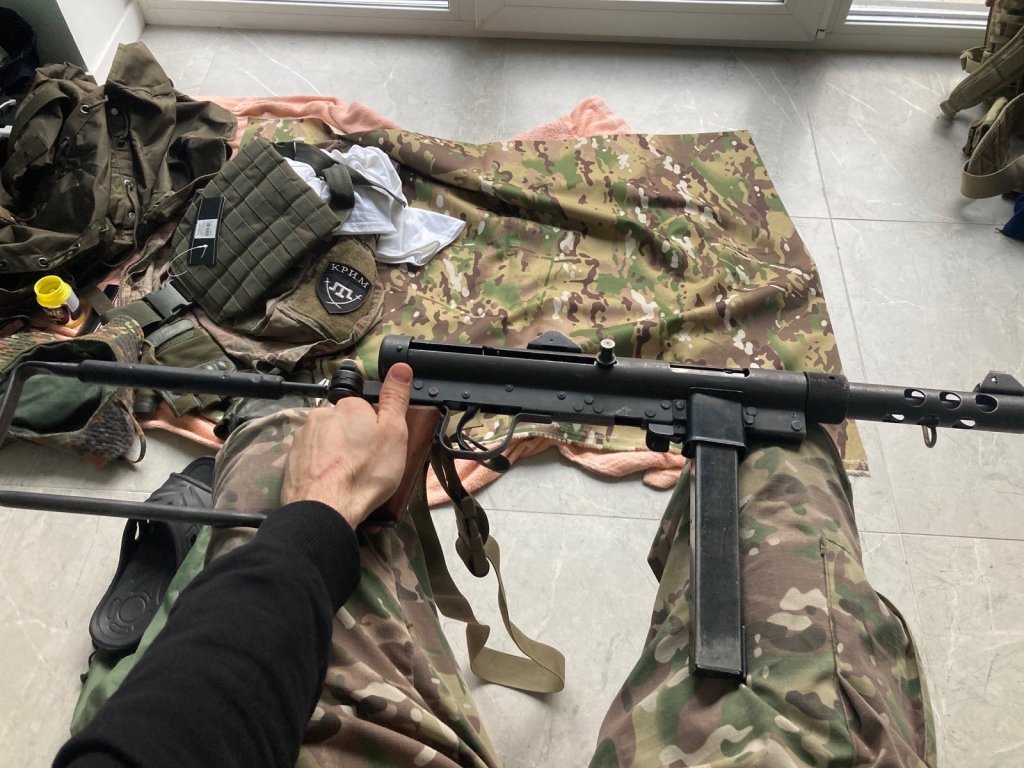
The earliest sighting of a ‘Swedish K’ in Ukraine I’ve found dates to early March 2022 when a member of the Krym Battalion posted a photograph of some of the weapons available to him; an AK-74, a Walther P99, an M7 bayonet and a Carl Gustaf M/45B.

Another image of a Ukrainian serviceman with an M/45 surfaced around the 23 March, but I’ve been unable to find the original source for the image so have little context for it.

In early May an photograph of an older member of the Ukrainian Armed Forces was shared on a number of sites, he’s seen sat in a vehicle holding up an M/45 with a sling attatched.

In mid-May 2022 another M/45 surfaced in a photograph from a member of Krym Battalion, which is a part of the International Legion. It’s unclear if this photograph was posted by the same member who shared a photograph of his weapons in March, but the wear marks on the gun appear quite similar.

On 10 November, a daily update post from the Ukrainian General Staff included a photograph of an individual holding an M/45 with a sling, while the unit the individual belongs to isn’t stated given the contents of the post he may have been assigned to a unit on the border with Belarus.

Throughout most of 2023 sightings of M/45s were rare but in mid-June a member of the National Guard posted a short video featuring himself holding a Swedish K as other members of his unit walk behind him, two of the passing men also carry slung M/45s.

On the 28 September, a Swedish volunteer posted a photograph of himself holding an M/45 he came across on the frontline, he captioned the post: “Photo of when I found a mint condition Swedish K with 39B ammo out close to the front. Just an awesome rare Swedish Gun to see in use by a Medic.” The unit where the M/45 was encountered was the 131st Separate Recon battalion. This suggests the photograph may have been taken earlier in the summer of 2023 and also that M/45s may be used by medics. The mention of the Swedish 39B 9mm ammunition which was specifically issued with the M/45 is also interesting. Most notably, however, is the presence of the attachment assembly for an original Swedish spent cartridge case catcher bag.

October saw the first video of a Swedish K being fired. A short clip was shared on Instagram showing an M/45B being fired at the range with what appears to be a red dot optic mounted forward on the perforated barrel shroud.

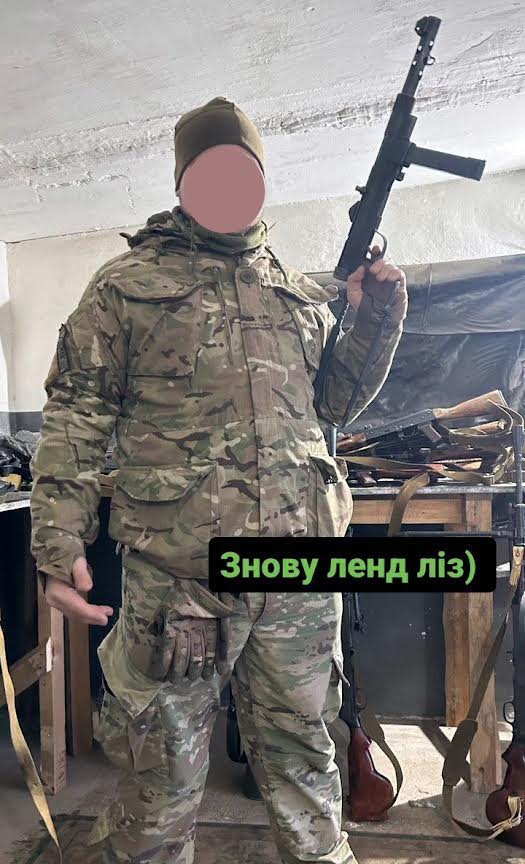
Several months later, on 11 December, a medic with the 12th Ukrainian National Guard Brigade “Azov” shared a photograph of himself holding an M/45. Later in December a member of the 78th Separate Assault Regiment ‘Herts’ shared a photo, on 21 December 2023, with the caption ‘lend lease again’, he’s holding up a behind him can be seen several DP-27 light machine guns and some AK-pattern rifles.

Interestingly, none of the M/45s have the green paint finish which was used on some of the Swedish Armed Forces’ guns but have clearly shipped with original slings and in one case a brass catcher attachment. Also none of the guns in the imagery from Ukraine appear to have the end cap reinforcement typically see on the Swedish Army’s M/45Bs. While the guns have the M/45B’s fixed magazine well they don’t seem to have the characteristic pair of rivets and hooked end cap. It’s difficult to positively identify the variant as the guns’ markings aren’t visible in any of the imagery. With little context for some of the imagery and relatively few sightings of the guns in Ukraine its difficult to pinpoint the types of unit which are receiving them but it is conceivable that the guns have been decimated amongst a number of different types of unit including frontline elements of the Ukrainian National Guard, International Legion and Army.

Update – 21/01/24: From Swedish sources I’ve spoken to these M/45s are early spec guns which may have been in storage and were refit later. Retrofitted with fixed magazine wells but not the reinforced end cap as the ammunition that necessitated this was no longer in use.

Update – 22/01/24: Another photograph posted November 2023.


Support Us: If you enjoyed this video and article please consider supporting our work here. We have some great perks available for Patreon Supporters – including early access to custom stickers and early access to videos! Thank you for your support!


Bibliography:

thank you to the researchers at Weapons Illustrated, Cloooud and Ukraine Weapons Warfare

https://www.gotavapen.se/gota/artiklar/kpist/swede_45.htm 

Russian Pilots Fielding PP-2000s & PLK Pistols

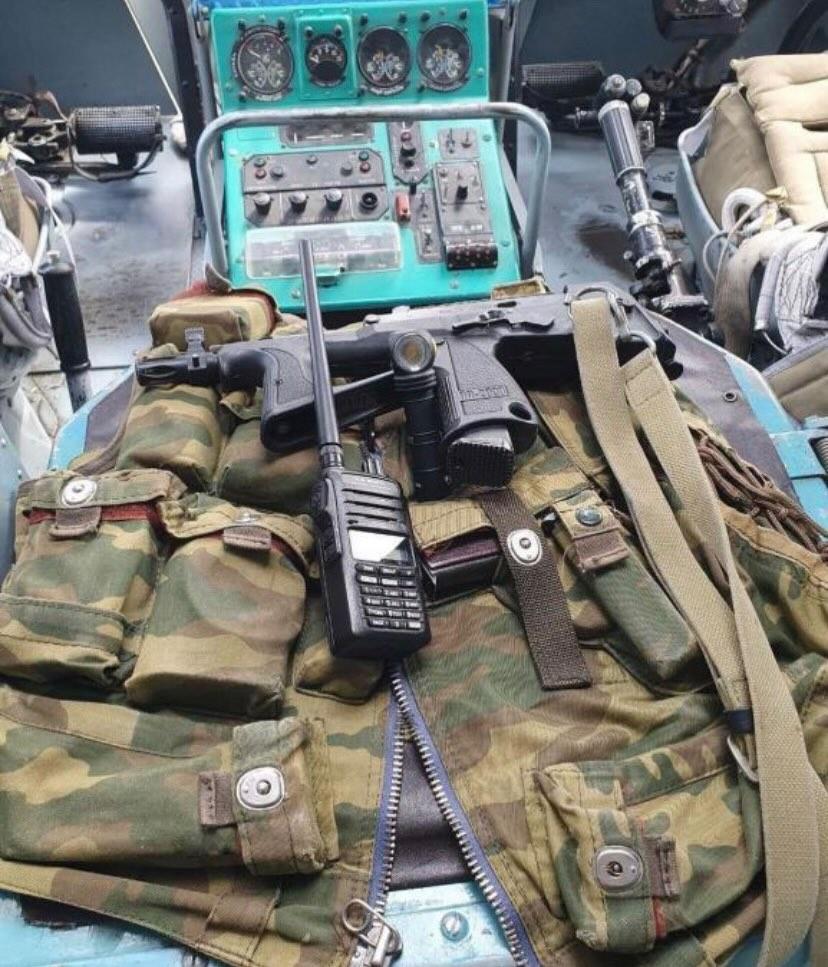
On 29 September delegations from the defence departments of member states of the Russian-led Commonwealth of Independent States were shown around the JSC Instrument Design Bureau in Tula. During the tour Russia’s defence minister Sergei Shoigu demonstrated a PP-2000 submachine gun. Also present was Deputy Commander-in-Chief of the Aerospace Forces Yuri Grekhov who explained that the PP-2000 is now part of the emergency kit stored under Russian aircrew seats.

Grekhov’s statement confirms what has been anticipated for a while. Back in June, TASS reported that during the International Naval Show (IMMS-2023) Rostec/High-Precision Complexes (the parent company which offers the PP-2000) had confirmed that the weapon was “currently undergoing trials in the Aerospace Forces (VKS) of the Russian Federation.” This was confirmed by a post on Rostec’s website on 19 June.

A PP-2000 and a new PLK pistol at the range for testing (via FighterBomber)

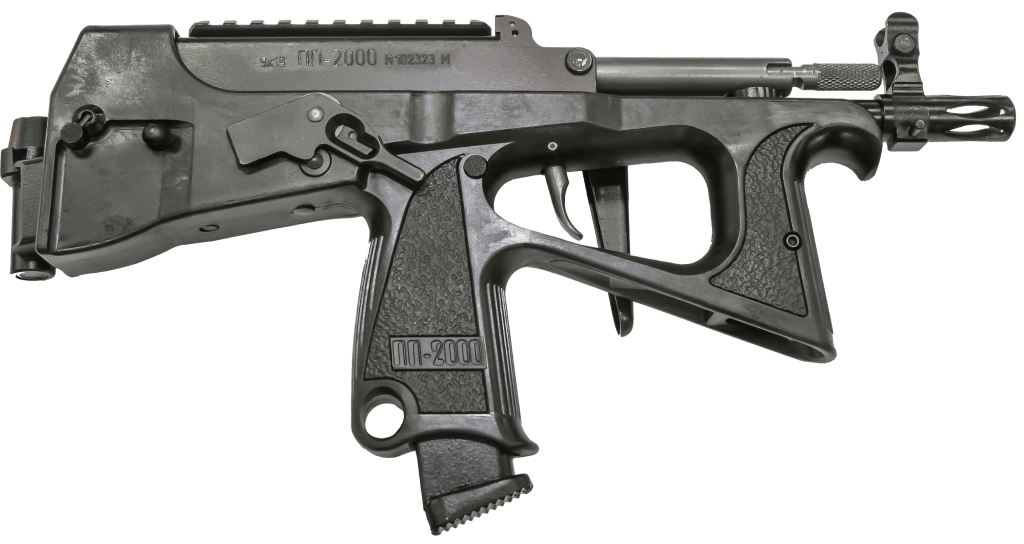
The PP-2000 is a compact submachine gun, designed at the Instrument Design Bureau in Tula in the 1990s. The weapon is a conventional blowback which feeds from 20 or extended 44 round magazines which are loaded into the pistol grip. It is chambered in 9x19mm and can fire Russia’s standard 9mm ammunition or the armour piercing 7N21 and 7N31 rounds. It has a reciprocating charging handle which runs parallel over the barrel. It is characterised by its front grip which connects to the pistol grip to act as a large trigger guard. It can be fitted with a suppressor and has a side folding stock and a small length of rail on the top of the receiver for mounting optics. Other accessories such as lights or lasers can be attached to the base of the front grip. According to Rosoboronexport the weapon weighs 1.4kg (or just over 3lbs) unloaded and with the stock folded is 35cm (13.7in) in length.

Typically, aircrew have carried Makarov or Stechkin pistols but better equipping Russian pilots has long been a consideration with not all aircraft able to fit larger weapons such as rifle or carbines. This has reportedly been driven by experiences in Syria and more recently in Ukraine. During the battle of Hostomel airport in March 2022, a damaged KA-52 attack helicopter was forced to make an emergency landing. It’s crew were able to dismount and take up positions and await retrieval. They were armed with AK-74Ms, however, the confines of other Russian aircraft do not allow rifles to be carried.

PP-2000 (Rosoboronexport)

In a December 2019 interview with Lt.Gen. Nikolai Gostev, commander of the 4th Air and Air Defence Forces Army, Interfax asked if PP-2000s will be fielded. Gostev replied [machine translated]: “Currently, several promising samples of portable emergency supplies for flight personnel are being tested, which also include promising samples of small arms. The tests are carried out by specialists from the Gromov Flight Research Institute, and after their completion it will be decided which portable emergency supplies will be put into service.”

In May 2021, it was reported that Shoigu had directed the process for a compact personal defence weapon to be added to aircrew’s survival kits to be expedited. At the same time the PPK-20, from Kalashnikov Concern was also suggested as an option. Russian news reports noted that personal defence weapons would be added to the emergency kits aboard Su-27, Su-30SM, Su-35, Su-57, MiG-29 and MiG-35 as well as Su-24 and Su-34s.

Russian pilot demonstrating a PP-2000 during a Zvezda news report (Zvezda)

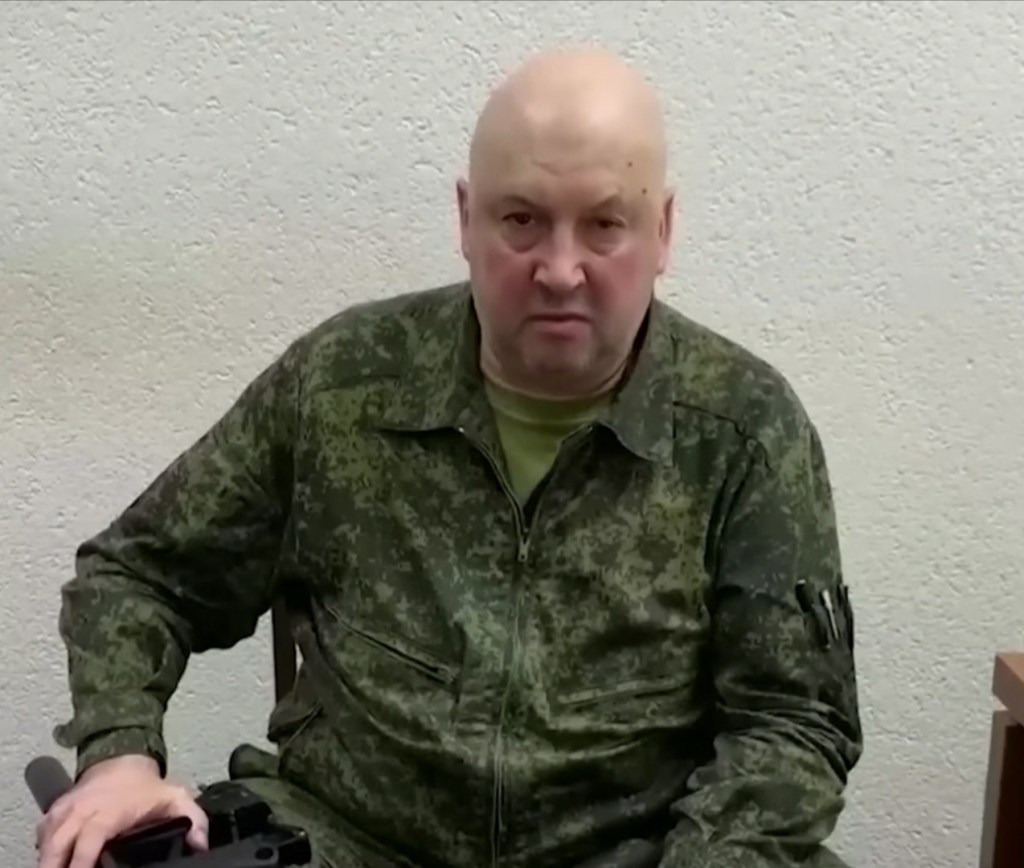
On 23 June 2023, during the failed Wagner advance on Moscow, General Sergey Surovikin, then Commander-in-Chief of the Russian Aerospace Forces, appeared in a video calling on Wagner to stand down. In his hand could be seen a PP-2000 outfitted with an optic, light and suppressor.

Surovikin with PP-2000 (Russian MoD)

In September 2022, the Fighterbomber telegram channel shared a post lobbying for the AM-17 rather than the PP-2000, rightly arguing a pistol calibre submachine gun is next to useless against combatants wearing body armour. Another major Russian telegram channel, Повёрнутые на Z войне, welcomed the wider issue of the PP-2000 in a post from late December 2022, sharing a photo of a PP-2000. The post also suggested that until then only Guards Aviation units had been issued them.

In January 2023, Fighterbomber began to report on the apparent testing of the PP-2000 and the PLK pistol, claiming that despite the order for three months testing positive reports from those involved had already been ordered.

A PP-2000 belonging to crew of a in an MI-8amtsh cargo helicopter, December 2022 (via @nrxnb)

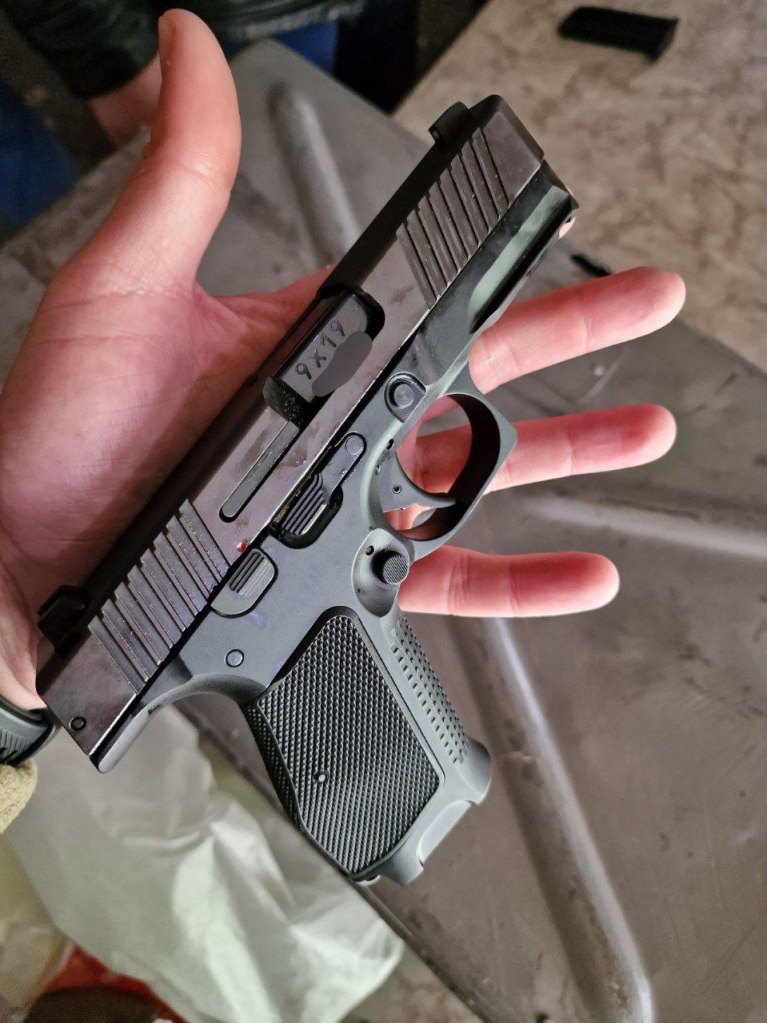
In April 2023, Fighterbomber posted a review of the new PP-2000 and PLK. The post described the PLK as “a great gun. Powerful, comfortable and precise.” Praise for the PP-2000 was less forthcoming with the post noting: “PP-2000 is still jamming every now and then… still need 44-round magazines and a 7N31 cartridge for the PP.”

A new PLK pistol (via FighterBomber)

On 2 October, following Shoigu and Grekhov’s comments at Tula, Zvezda published a short report from a survival training centre. During the clip an Su-30SM pilot explains that “particular attention was paid to tactical shooting, survival in extreme conditions and tactical medicine.” The video shows pilots training in escape and evasion skills and sees them deploy their new PP-2000s. The video concludes with the two air crew firing both the PP-2000 and the PLK at the range.

The PLK pistols, from Kalashnikov Concern, are the latest iteration of the Lebedev pistol introduced in 2015 as the PL-14. The PLK was reportedly adopted by Russia’s Ministry of Internal Affairs in October 2021 but sightings with Russian pilots are the first sightings of regular Russian military use. If more of the PLKs appear in use they’ll be a topic for a future article/video.


Support Us: If you enjoyed this video and article please consider supporting our work here. We have some great perks available for Patreon Supporters – including early access to custom stickers and early access to videos! Thank you for your support!


Bibliography

PP-2000, Rosoboronexport, (source)

Other sources linked in text

Uzi In Ukraine

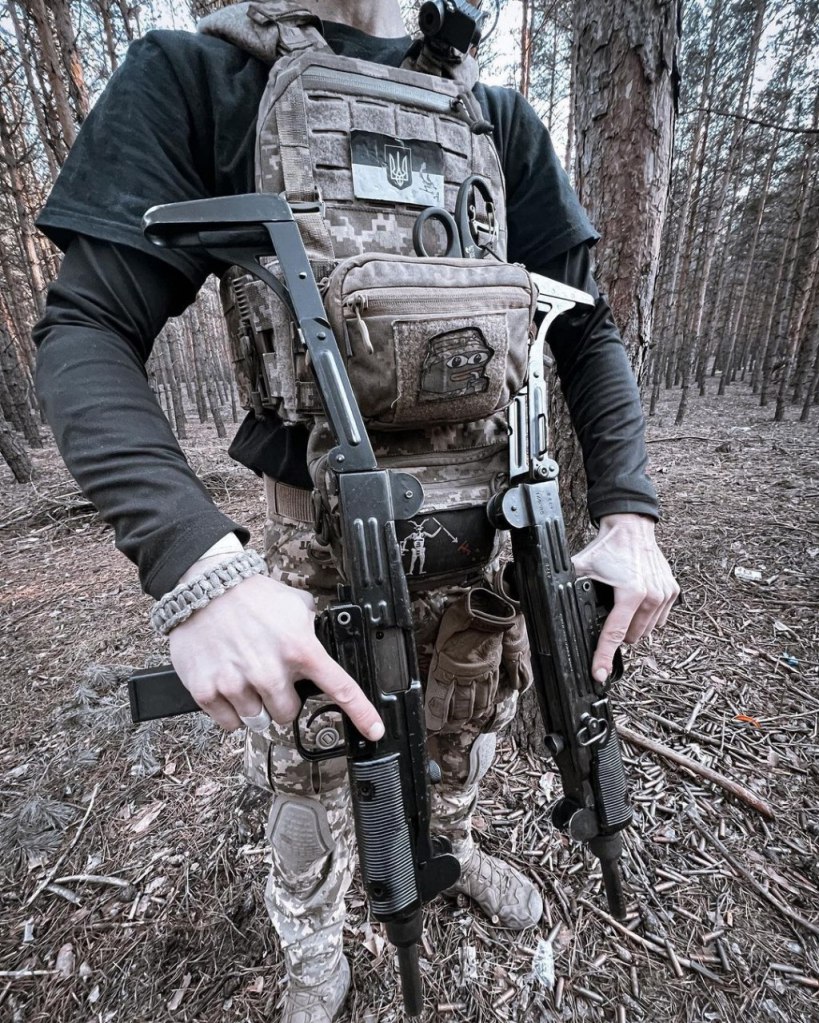
The iconic 9x19mm Uzi submachine gun has been intermittently seen in Ukraine since the early months of the conflict. The earliest images of the Uzi in theatre, which we could find, date to the beginning of May 2022. The origins of the Uzis are currently unclear with a number of possibilities including Israeli IMI-made guns, Croatian EROs, surplus German Bundeswehr MP2A1s or perhaps most likely Belgian manufactured Uzis made under license by FN Herstal.

One of the earliest images of an Uzi in Ukraine appeared at the start of May 2022, with a Ukrainian combatant posing with an Uzi and a drone at what appears to be a range. 11 July, saw a group photo of International Legion members shared featuring one combatant holding an Uzi. Several days later on the 17 July a photo was shared of an international volunteer with an Uzi in the back of a vehicle. A month later a Ukrainian soldier was photographed holding a pair of Uzis.

A Ukrainian officer with the 93rd Mechanized Brigade holds a pair of Uzis (via social media)

On the 21 February 2023, a member of the Stugnabat unit, with the International Legion, shared a photo of a combatant with an Uzi. A Ukrainian infantry officer shared a video featuring himself firing two Uzis at one on 14 March. Subsequent photos shared online, seemingly taken at the same time, featuring the officer and the Uzis revealed he is with the 93rd Separate Mechanised Brigade. In early April another Ukrainian combatant shared a clip of himself on TikTok test firing an Uzi at an ad hoc range.

Research by OSINT researcher Ukraine Weapons Warfare has confirmed that at least three of the Uzis seen in Ukraine in early 2023 are of Belgian manufacture. Ukraine Weapons Warfare spoke to two Ukrainian combatants (those who had posted videos with Uzis) who confirmed that their guns had FN Herstal markings. FN Herstal acquired the license to manufacture the Uzi in 1958 with production of Belgian-made guns continuing into the early 1970s. As a result large numbers of Uzis purchased by European countries were made by FN, not IMI.

The Uzis haven’t appeared in any combat imagery and largely appear to be being used as personal defence weapons. They’re most often seen in photos from the range, away from the front line. Due to the iconic weapon’s notoriety they also appear to hold a novelty value for Ukrainian combatants.

Until we can get clear photos of markings or corroboration from users we can’t be certain if all of the Uzis in theatre were originally manufactured by FN Herstal. Similarly, it remains unclear which country or countries may have provided Uzis to Ukraine but we at least know that several of them were manufactured in Belgium.

Update – 13/12/23:

Update – 20/11/24:


Support Us: If you enjoyed this video and article please consider supporting our work here. We have some great perks available for Patreon Supporters – including early access to custom stickers and early access to videos! Thank you for your support!


Bibliography:

The UZI Submachine Gun, C. McNab (2011)

The UZI Submachine Gun Examined, D. Gaboury (2017)

Thanks to Ukraine Weapons Warfare

Rare Prototype Spotted In Action: MCEM-2

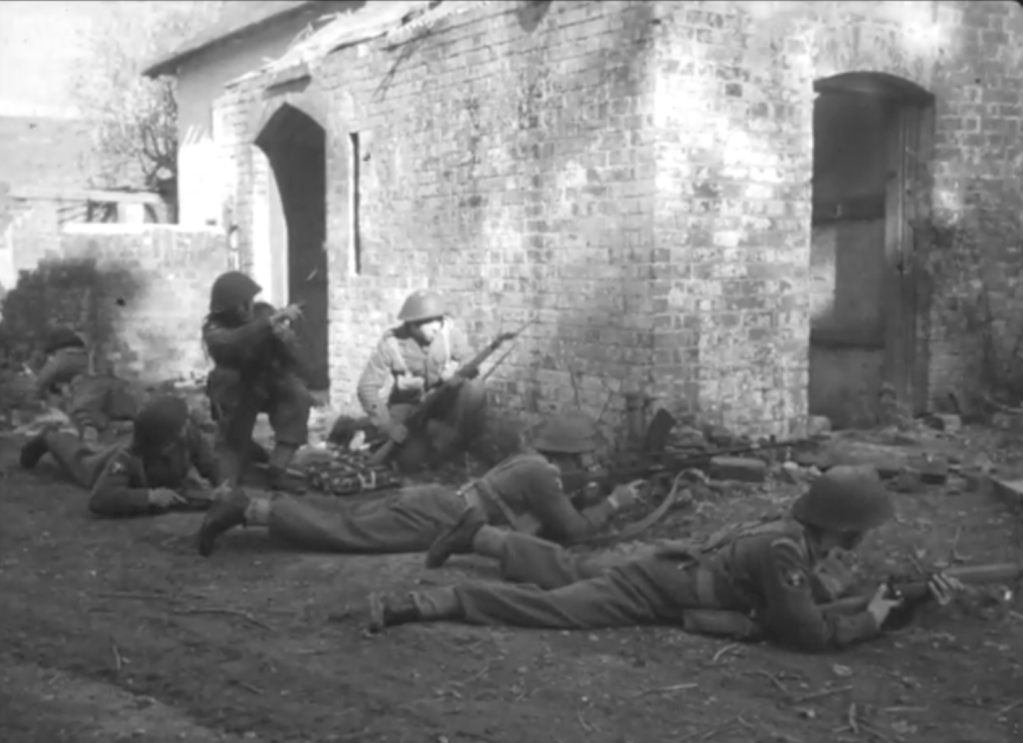
Recently, while looking though British Army Cold War training films, I stumbled upon something I never expected to see: a clip of an MCEM-2 firing! I was searching through British Cold War training films and watching a 1953 film titled ‘Village Clearing’ at first it seemed pretty standard fair albeit showing an impressive set-piece of tanks attacking a village. And then about 8 minutes in I spotted something unusual, the prototype MCEM-2, in the hands of one of the village’s defenders.

A screen capture of the MCEM-2 from ‘Village Clearing’, © IWM DRA 1078, (source)

The 1953 training film shows a company size attack by the Royal Welch Fusiliers on an enemy strongpoint but then shows a section/squad assault on a building. The opposing force or OPFORCE are wearing airborne HSAT helmets and are armed with American weapons including M1 Garands, some first pattern M1918 BARs and a lone MCEM-2! This was likely done to differentiate the British troops from the OPFORCE – either they wanted a generic look or didn’t have any soviet weapons or kit available as is seen in later training films. My guess would be that the prototype may have come from the British Army’s Small Arms School Corps Collection which has historically maintained a working collection of foreign, historic and prototype weapons for familiarisation and training purposes.

A screen capture from ‘Village Clearing’ showing a section of Fusiliers preparing to attack, © IWM DRA 1078, (source)

The MCEM-2 or Machine Carbine, Experimental Model No.2 was developed by a Polish engineer, Jerzy Podsedkowski. Work on the design began in 1944 but it was not seriously tested until after the end of the war. We can see from this brief clip that Podsedkowski’s design was small, compact and innovative. It fed from an 18 round magazine which like the later Uzi, Sa.23 and RAK Pm.63 was inserted into the pistol grip. While this kept the weapon compact and theoretically holster-able the MCEM-2’s high rate of fire, around 1,000 rounds per minute, meant that it was expended extremely rapidly. 

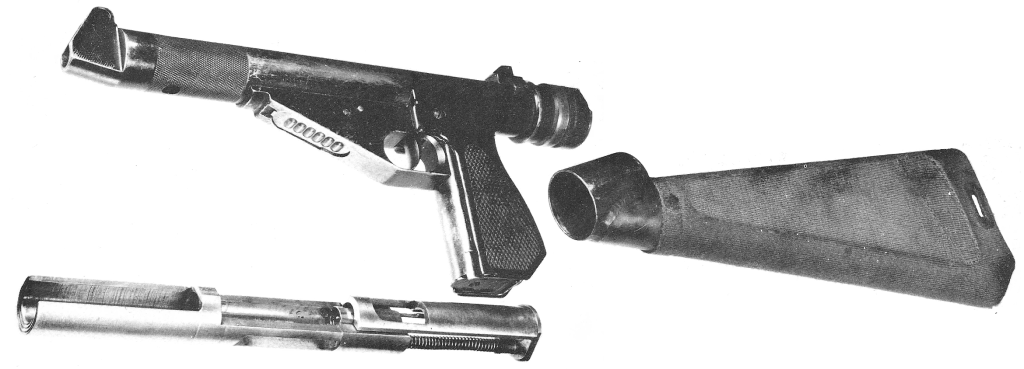
The MCEM-2 disassembled (via Firearms.96.lt)

The MCEM-2 (Machine Carbine Experimental Model No.2) was a small, compact, innovative design. The weapon had a holster stock and a wrap-around breech block which was inclosed in a tube metal receiver. We can see the bolt in this photograph. In 1946 Podsedkowski, assisted by another Polish engineer, Aleksander Ichnatowicz, improved the MCEM-2, seeking to slow its rate of fire with a heavier bolt. The MCEM-2 was tested at the Royal Navy’s Gunnery School at HMS Excellent in August 1946. Excellent’s Commandant Michael Le Fanu, later an admiral and First Sea Lord, noted in his report that it was a “well engineered weapon, handy to carry about and suitable for use by seamen” but did note that “the high rate of fire makes the weapon uncontrollable in automatic and dangerous in the hand of semi-skilled users.”

Despite improvements the new MCEM-6 was eventually rejected with a Harold Turpin design favoured before it too was rejected. Hopefully, we’ll be able to take a look at some of these designs upclose in future articles/videos. 

My thanks to Firearms.96.it for their assistance.


If you enjoyed this video and article please consider supporting our work here. We have some great perks available for Patreon Supporters – including custom stickers and early access to videos! Thank you for your support!


Sources:

‘Village Clearing’, IWM, (source)

MCEM-2, Firearms.96.lt, (source)

MCEM-2, Historical Firearms, (source)

WW2 Makeshift Sten Foregrips

A couple of weeks ago we looked at some photographs showing an interesting modification seen on a STEN MkII held by Deputy Prime Minister Clement Attlee. The STEN Attlee posed with had a front grip added, something the MkII didn’t typically come with.

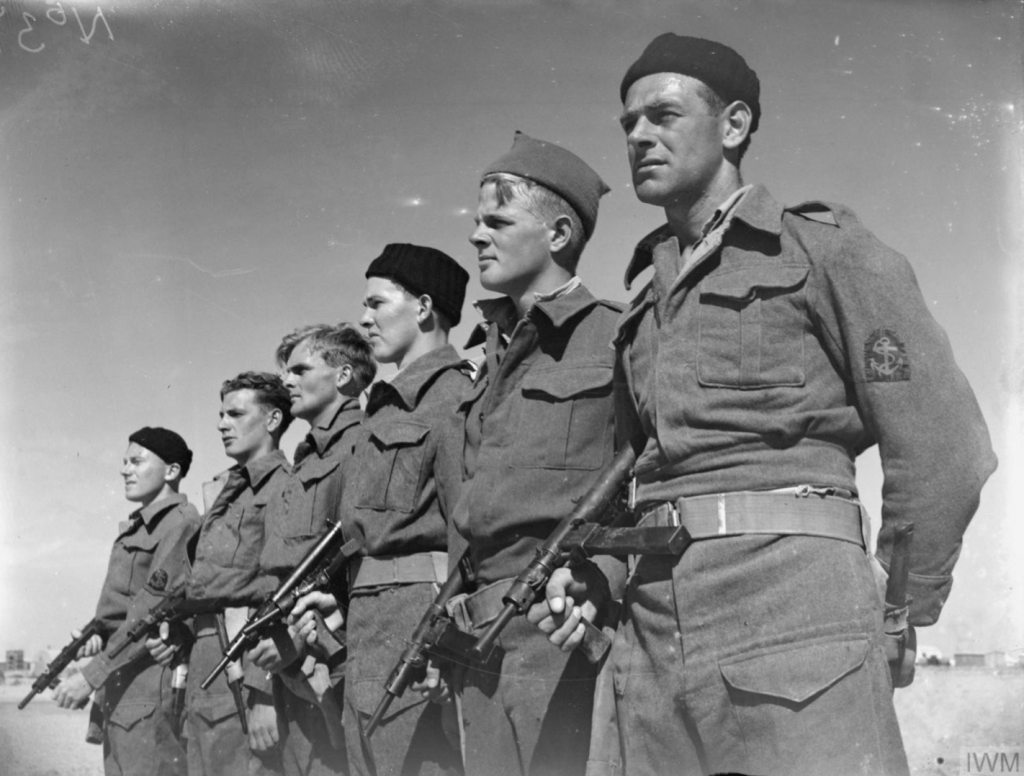
A few people very kindly sent me some other contemporary photos showing other ad hoc STEN front grips so I thought a follow up video was needed. I also found a group of photographs taken in June 1943 at the Combined Training Centre at Kabrit, in Egypt. The photos show groups of Commandos and the Royal Navy’s Naval Beach Parties armed with Stens with a pretty standardised style of front grip.

Commandos on parade with STEN MkIIs equipped with ad-hoc front grip, at Kabrit in June 1943 (IWM A17755)

In these photos we can see the men training with the STENs and the front grips are quite clear. It’s especially interesting in that it isn’t just the Commandos who have the front grips but also men of the Naval Shore Parties. It’s also relatively rare to see STENs in North Africa. You might have seen some of these photos, taken by Royal Navy photographer Lieutenant L.C. Priest, in our video looking at the unusual fighting knives the Commandos are equipped with.

The plethora of photos from Kabrit show a fairly standardised design for the grip. A metal ring, seemingly tightened by a wingnut on the left side and a generous wooden grip that was long enough to fit all four fingers on. The grip appears to have some finger grooves and a fairly standard shape. A photo (see above) of Naval Commandos on parade shows the men with the STENs tucked under their arms, holding the front grips. This is identical to how the STEN MkI with its front grip was paraded with. The photo also gives us a good look at the uniformity of the grips.

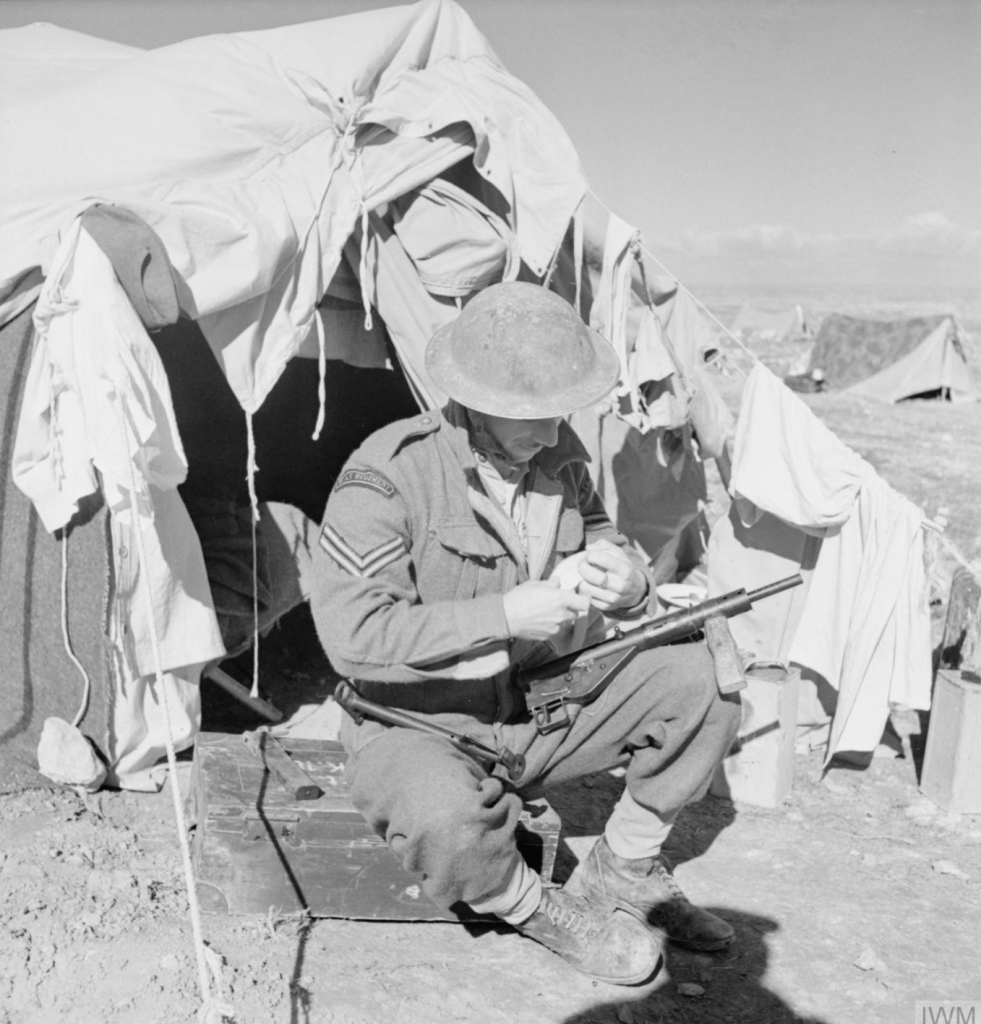
RAF Regiment Corporal cleans his STEN MkII, equipped with a makeshift front grip (IWM CM4296)

While the photos from the Combined Training Centre at Kabrit represent the largest number STEN front grips seen in one place and several units there are a few other photos which are really interesting. First up is this photograph of a Corporal from the RAF Regiment taken in Libya sometime in 1943. The Regiment had been formed just a year earlier. The corporal is sat cleaning his STEN MkII with the butt removed but the bolt still in the weapon. On the barrel nut of his weapon he has a wooden front grip. Again seemingly attached to a metal band around the barrel nut. The wooden grip appears to have some rudimentary finger grooves. Sadly, I couldn’t find any other photos of this Corporal and his STEN. But the design of his front grip is very similar to those seen in the Kabrit training photos and could well be of the same origin.

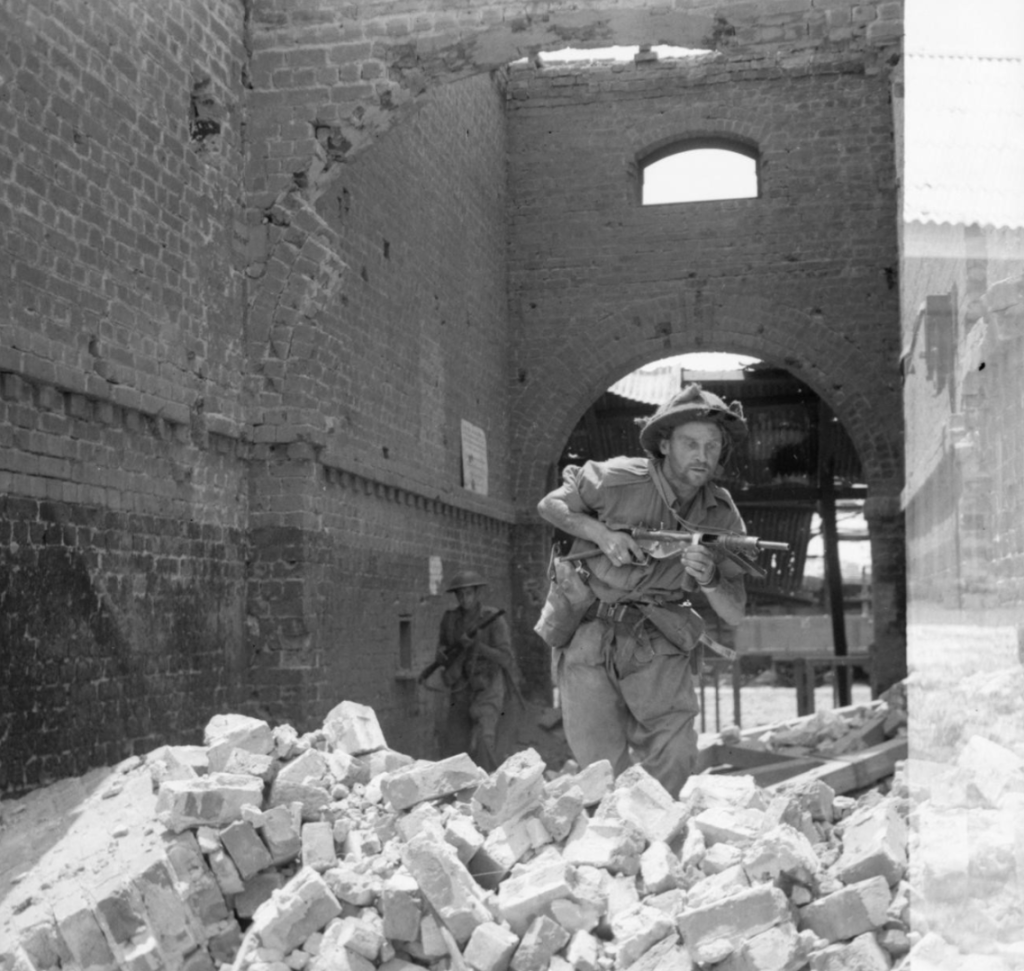
Finally, we have a photograph from a completely different theatre – Burma. The caption for this photograph reads: “Men of the 2nd York and Lancaster Regiment searching the ruins of a railway station for Japanese snipers, during the advance of 14th Army to Rangoon along the railway corridor, 13 April 1945.” This soldier’s STEN MkII has a grip just in front of the trigger mechanism cover and behind the magazine housing and ejection port. It’s actually in a position close to that of the original STEN MkI’s integral folding pistol grip.

Soldier of the 2nd York and Lancaster Regiment with a STEN MkII outfitted with a homemade front grip, Burma 1945 (IWM SE3804)

At the end of the day the adaptation is a good idea, a front grip provides a means of pulling the weapon into the shoulder and a more natural place to grasp other than the barrel nut, the trigger mechanism housing or the magazine – which was discouraged. It is interesting to note that I’ve yet to see any examples of a MkIII being fitted with a front grip like these.

This is certainly something I’m going to do more research into to see if there’s any documentary reference to the use of front grips like these. With the introduction of the MkV, with its front grip, it seems that the idea was sound enough. If you know of any other examples let me know in the comments!


If you enjoyed this video and article please consider supporting our work here. We have some great perks available for Patreon Supporters. You can also support us via one-time donations here. Thank you for your support!

British Army Thompson Submachine Gun Manual

It’s essential for soldiers to know how to use and maintain their weapons properly. We’ve been collecting training manuals, pamphlets and handbooks (as part of the TAB reference collection) to give us a wider understanding of how troops were trained and how they used their weapons.

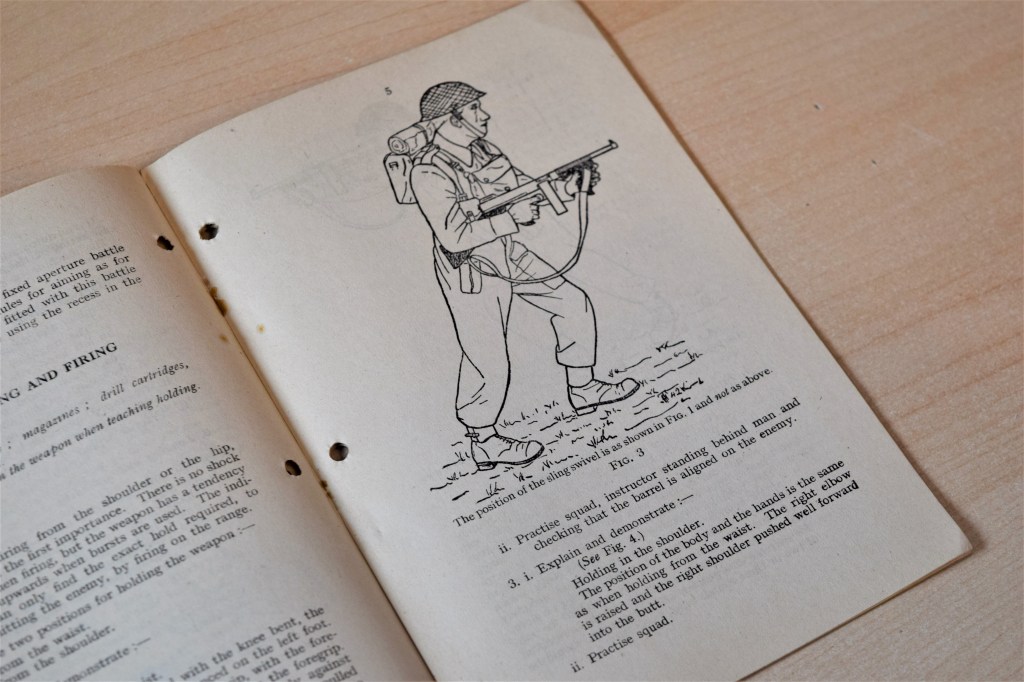
In this video we take a look at the British Army’s 1942 small arms training pamphlet for the ‘Thompson Machine carbine’.

Diagram showing firing the hip (Matthew Moss)

The pamphlet, issued in July 1944, is written for instructors to train troops how to handle, maintain and use the Thompson. The pamphlet was eventually superseded by one covering both the STEN and Thompson.

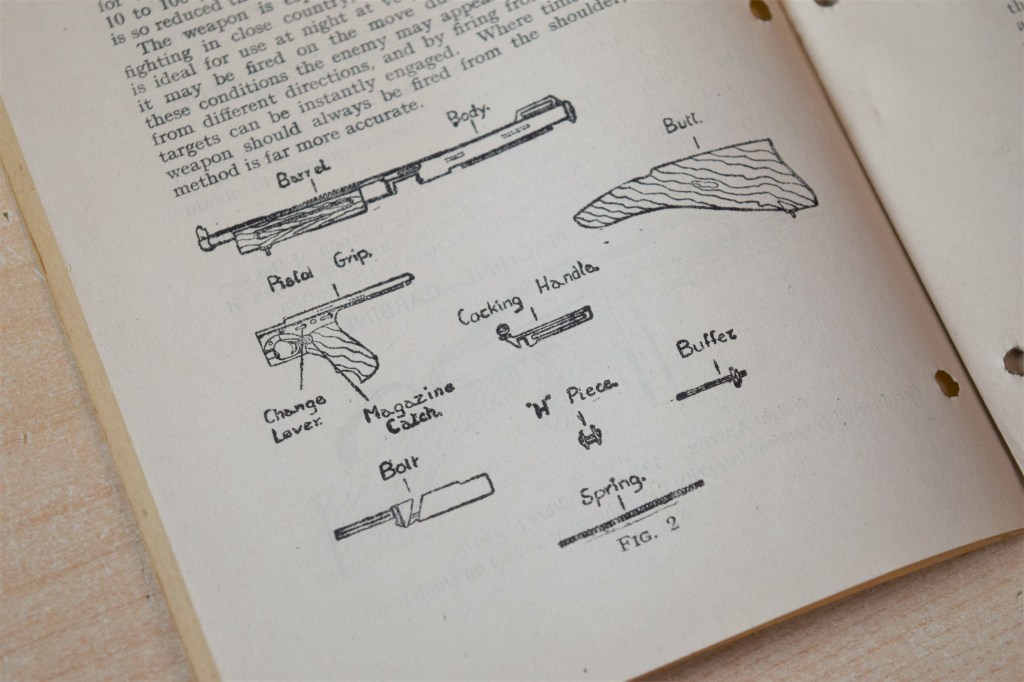
Diagram showing the Thompson Machine Carbine disassembled (Matthew Moss)

The pamphlet is just 12 pages long but includes some interesting insights and an appendix looking at the ‘spotlight projector’ training instrument.


If you enjoyed these videos and this article please consider supporting our work here. We have some great perks available for Patreon Supporters. You can also support us via one-time donations here. Thank you for your support!
STEN Magazine Loaders

While the ongoing Coronavirus pandemic has prevented some archival research I had planned which would have informed much of the STEN series, our good friend Richard at the Vickers Machine Gun Collection and Research Association, has come to our aid and we’re able to cover some of the loading accessories developed for the Sten’s magazines.

As we know the Sten uses a 32-round double stack, single feed magazine which can trace its origins back through the Lanchester Machine Carbine to the Haenel MP28,II’s magazine designed by Hugo Schmeisser [patented in 1931].

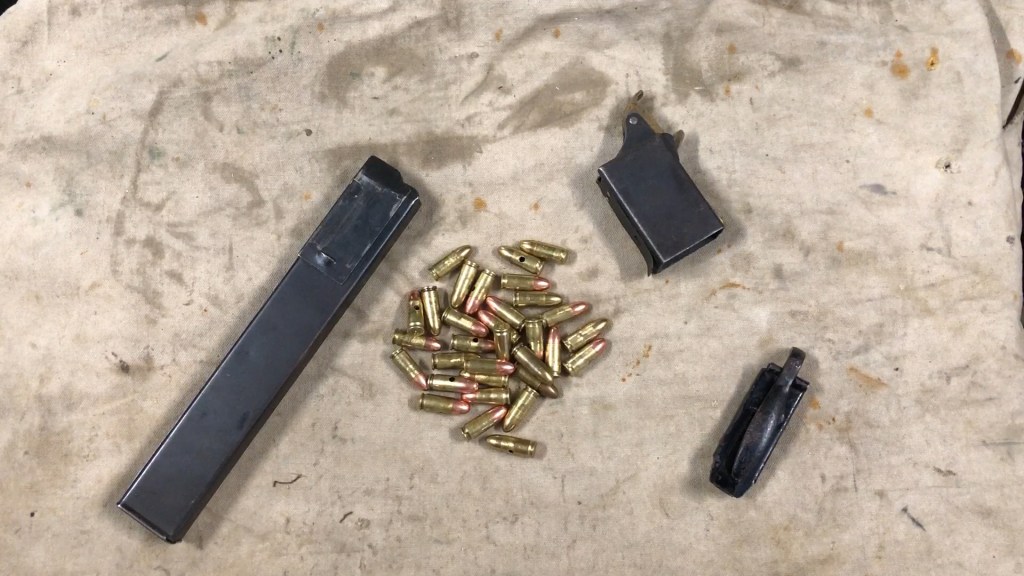
Sten Magazine, inert 9x19mm rounds and MkII and MkIV magazine fillers

The nature of the single feed makes the magazine difficult to load by hand with the last few rounds very hard to insert. So a series of four marks of ‘magazine fillers’ were developed. These are described in the British Army’s official List of Changes in February 1943.

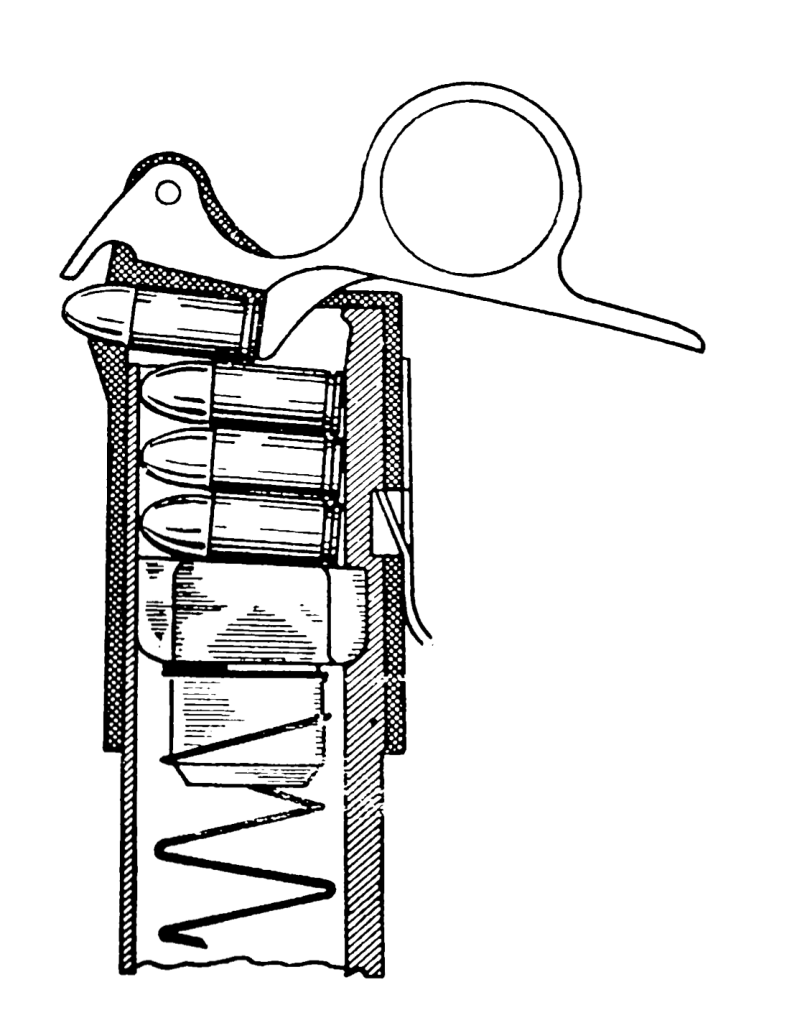
The MkI is described as consisting of “a lever mounted on a short case which conforms to the shape of the magazine. It is hand operated, the loading lever being given a rocking motion during filling. The MKI slipped over the top of a magazine with a rivetted spring tab which indexed into a notch in the front of the Sten mag.

A cutaway showing the MkII filler

The MkII is very similar but simplified by having the spring catch mounted on the rear instead of the side and engaged a “small rectangular slot on the magazine”. The rear of the spring is turned up slightly to allow the user to remove its from the magazine.

The MkIII, which is possibly the rarest of the fillers, is described as:

“hand operated but of different design from the MkI and MkII. It consists essentially of a spring loaded vertical plunger which is attached externally to a case, the latter to assemble on the magazine. There is no retaining catch. It comprises the following parts:

Case. Is a rectangular shaped steel pressing with a tube of rectangular section welded thereto. The latter, which houses the plunger and spring, has a hole trilled at the lower end to accommodate a pin which restricts the amount of movement of the plunger and acts as a stop for the compressing spring.

Plunger, loading. Is made of two laminated steel strips welded together the top part of which is set to form a handle. The body of the plunger is slotted to accommodate the compression spring. The top part is splayed to form a suitable contact with the cartridge.”

List of Changes, Feb. 1943
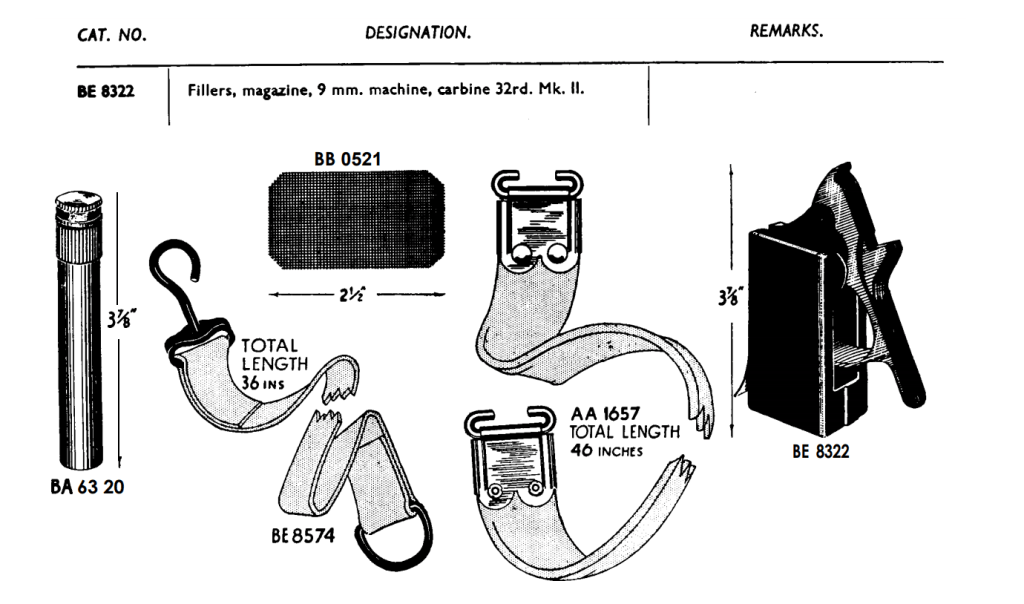
Sten accessories including a sling and a MkII magazine filler

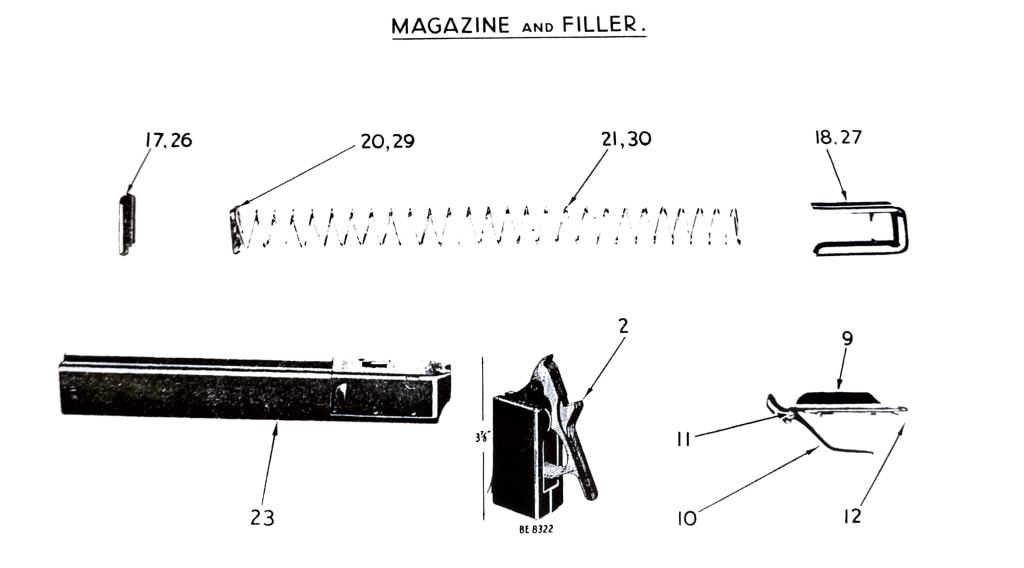
The other more common filler is the MkIV. Which is a much simpler design with a loading lever mounted on top of a clip which is attached to the rear of the magazine body and retained by a spring similar to that of the MkII.

Rich has very kindly demonstrated the use of the two most common fillers – the MkII and the simpler MkIV. It takes Rich just under 2 minutes to load that magazine, but he was doing his best to show various angles and unlike a British soldier during the war he hasn’t regularly loaded magazines with one of these fillers either. Despite that the clip gives a good idea of how fast you could load a mag once you’re in the groove.

With the MkIV filler Rich was able to load the mag in about 1 minute 15 seconds, the stability of resting the base of the mag on the table helped with the MkIV’s simpler design.

Manual diagram showing both the MkII and MkVI

Also, as a follow on to our previous episode looking at the Sterling Submachine Gun’s magazine Rich has also demonstrated the loading of a Sterling mag to its 34 round capacity. No magazine filler needed with George Patchett’s double-stack, double feed magazine.

Massive thanks to Richard for taking the time to film the clips used in the video. please do go and check out Richard’s channel and www.vickersmg.org.uk.


If you enjoyed the video and this article please consider supporting our work here. We have some great perks available for Patreon Supporters. You can also support us via one-time donations here.

The Sterling Submachine Gun – Magazine

In May 1946, George Patchett patented a new curved magazine which would become one of the Sterling’s most recognisable features. It addressed some of the serious shortcomings of the STEN’s magazine.

George Patchett’s machine carbine, Which later that came to be known as the Sterling, had been initially designed to use the standard STEN magazine. This makes complete sense as not only was the STEN’s magazine readily available but it stood to reason that the British Army would prefer to retain the large number of magazines it already had in stores.

Capture 04_Moment
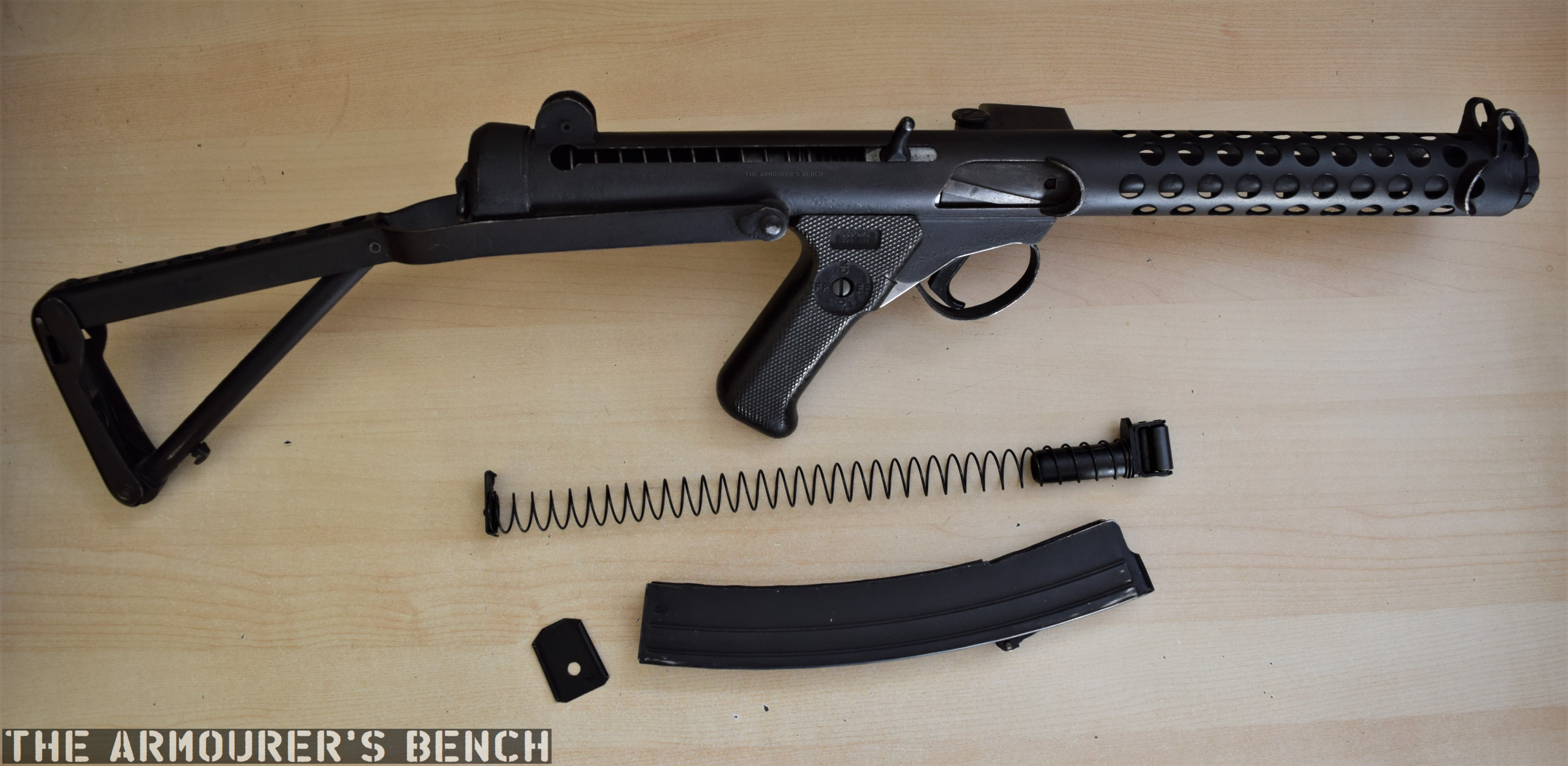
A Sterling L2A3 with a disassembled Sterling commercial-pattern magazine (Matthew Moss)

The STEN’s magazine is, however, the gun’s weakest link. Its a double-stack, single feed 32-round magazine was difficult to load and could feed unreliably when not looked after. The Patchett prototype performed well during initial testing in 1943, but later sand, mud and arctic testing of the Patchett against various other submachine guns highlighted the limitations of the STEN magazine – regardless of the weapon using it.

Capture 04_Moment
Patchett’s Original Toolroom prototype (Matthew Moss)

At some point in 1945, Patchett developed a series of new magazines, a 20-round ‘Patrol’ magazine, a 40-round ‘Standard’ magazine and a 60-round ‘Assault’ magazine. By late 1946, these had been superseded by a 35-round magazine designed to fit into the basic pouch of the British Army’s 1944 Pattern web equipment.

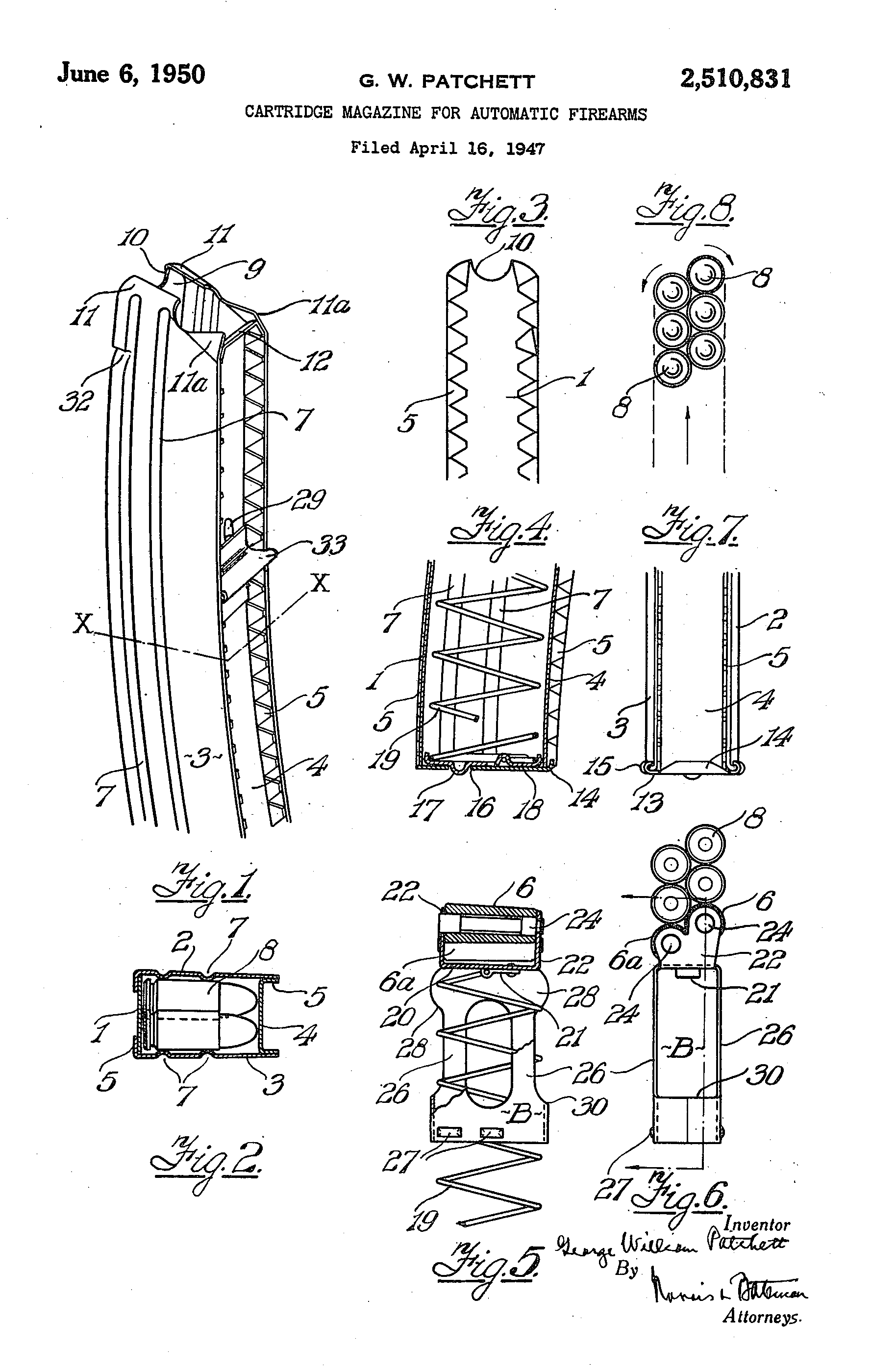
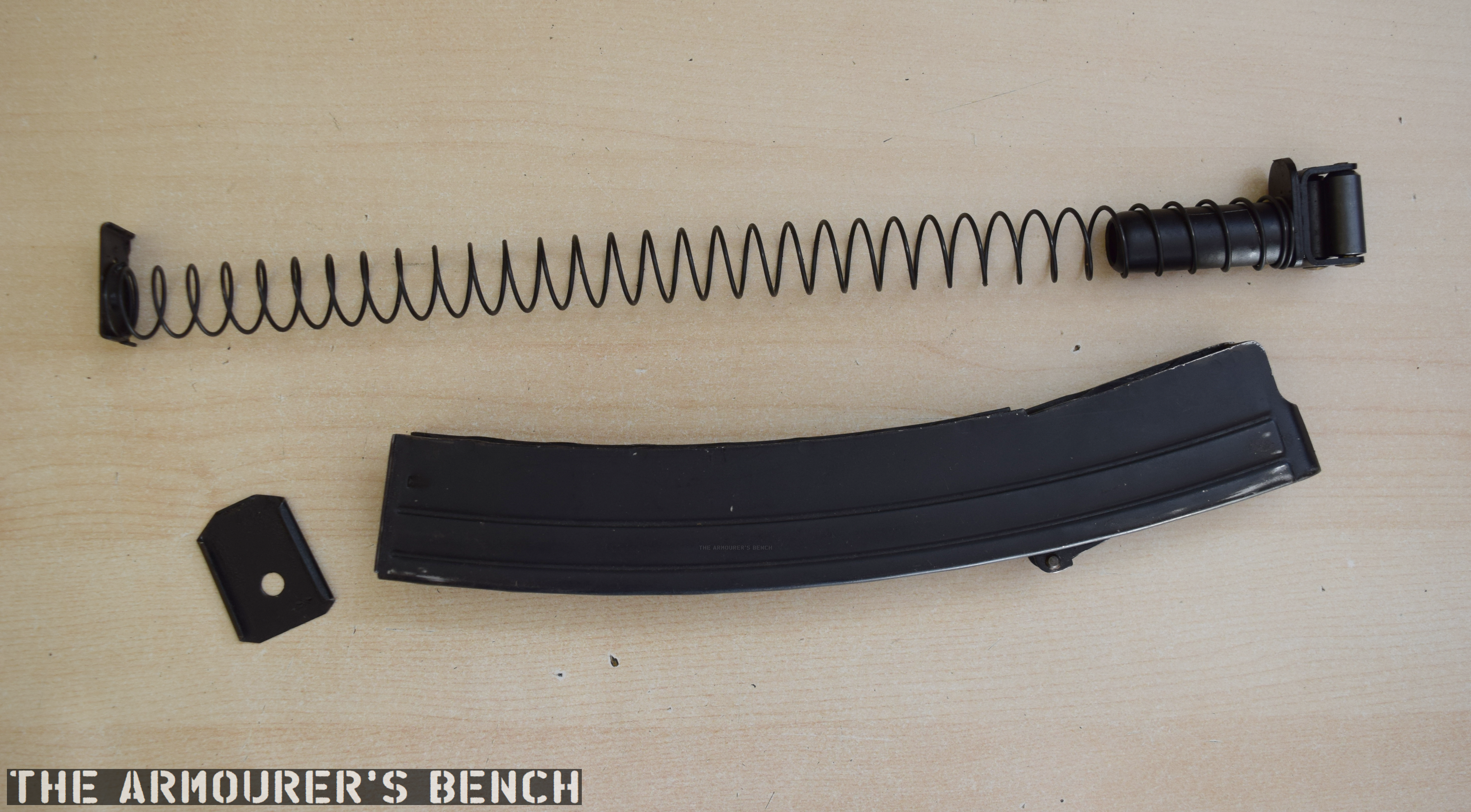
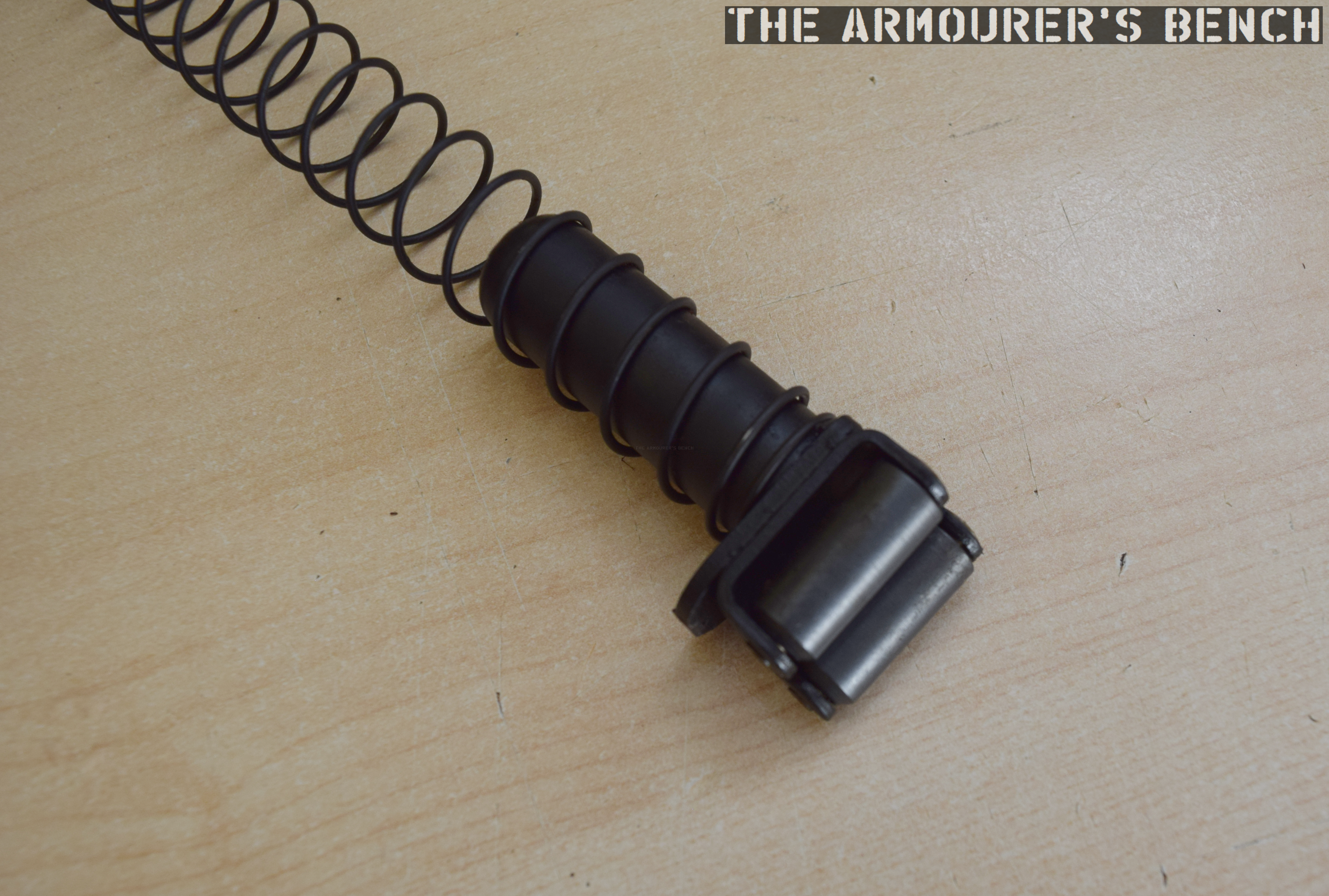
Patchett addressed the STEN magazine’s shortcomings by designing his magazine with a curve which allowed the slightly tapered 9×19mm rounds to feed more reliably. He also replaced the traditional magazine follower with a pair of rollers which minimised friction and allowed dust, grit and dirt to be rolled out of the way improving reliability. Patchett’s magazine was designed so it could be economically stamped from sheet metal and folded and spot welded into shape. It was also simple to disassemble for cleaning and requires no tools for disassembly.

Capture 04_Moment
George Patchett’s US patent for his roller magazine follower (US Patent Office)

By 1951 the magazine had been largely perfected but a trials report suggested that the magazine’s feed lips needed to be reinforced. Despite this the Sterling was said to be “better than all other weapons tested.” Following further development and testing the L2A1 Sterling submachine gun was eventually adopted in the summer of 1954. We will cover the development, adoption and service of the Sterling at a later date.

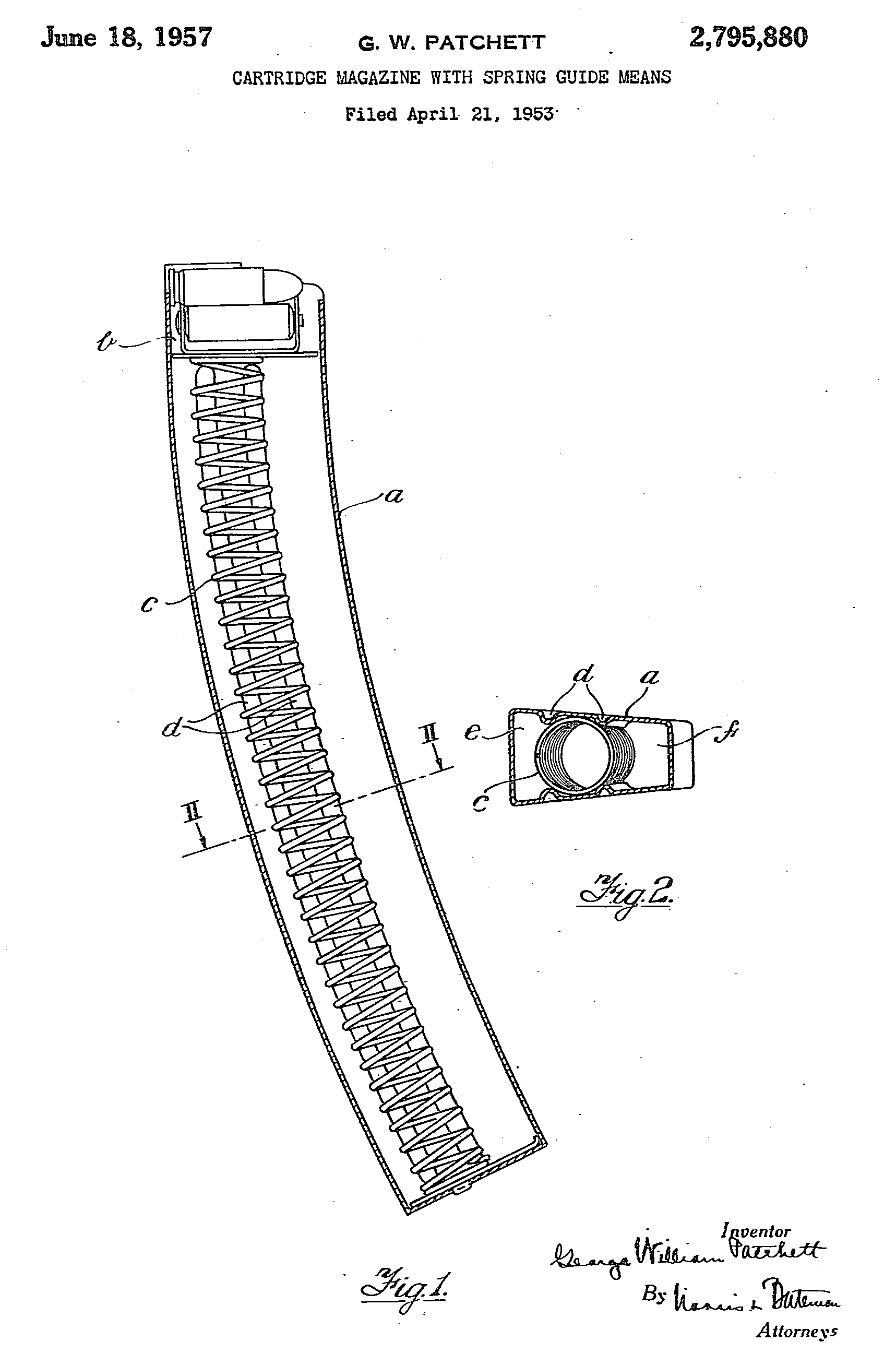
In 1952, Patchett added a pair of strengthening ribs to the inside of the magazine which also further reduced friction on the rollers. He also replaced the oval follower spring with a more efficient circular one with the ribs acting to hold it in place. The final production magazines held 34 rounds and were substantially easier to load than the earlier STEN’s.

Capture 04_Moment
Patchett’s US patent for his circular magazine spring held in position by the stamped magazine body (US Patent Office)

The L2A1/MkII, introduced in 1954, was the first Patchett to incorporate an angled magazine housing which improved feeding reliability from the Patchett’s patented curved, double stack, double feed magazine. The Sterling’s magazine housing was angled forward slightly at 82-degrees.

Capture 04_Moment

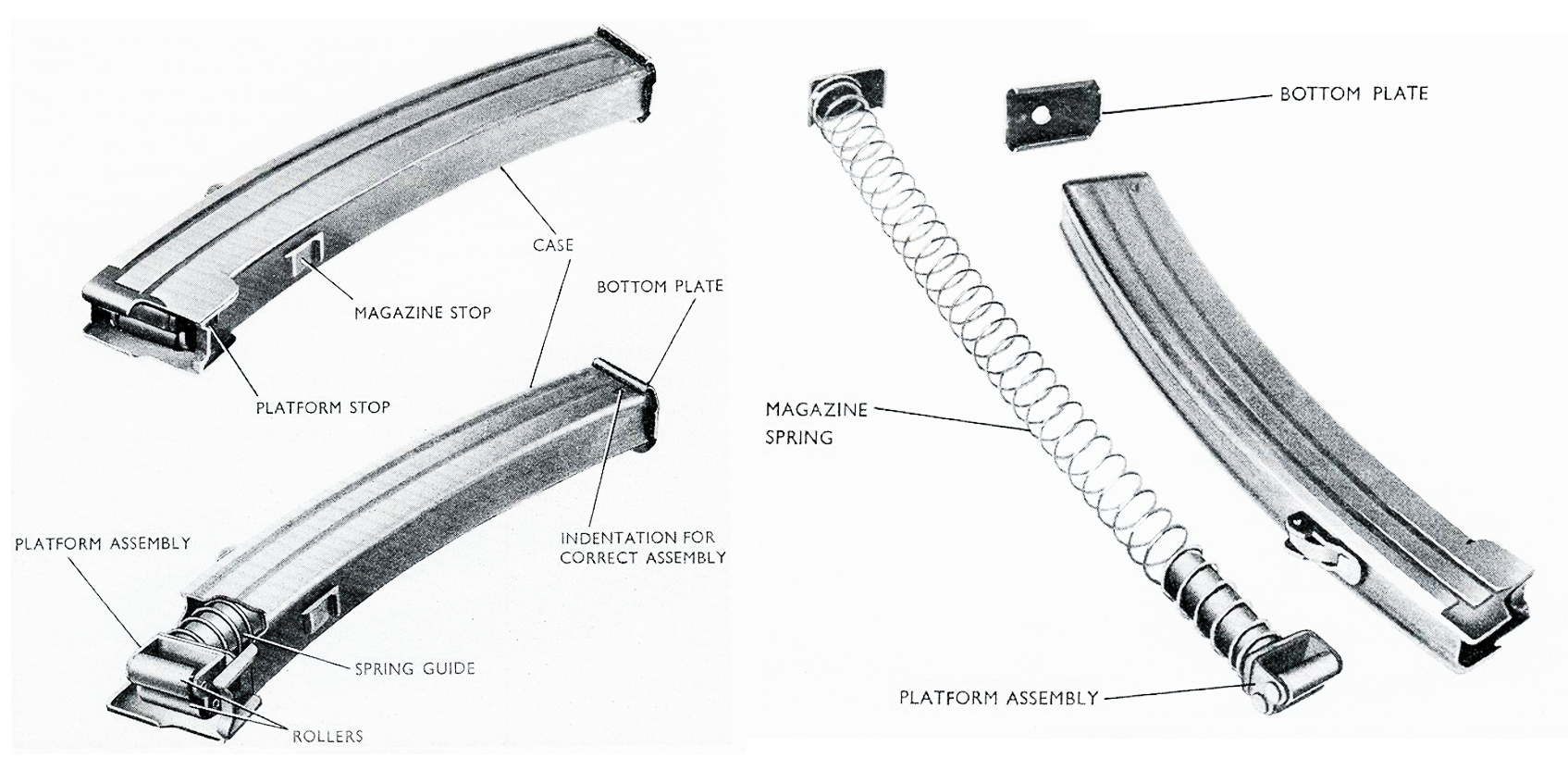
The magazines used by the British military differed from Patchett’s design. The British government, perhaps unwilling to purchase the rights to manufacture Patchett’s design, developed the ‘Magazine, L1A2’. Nearly two million of these were built at Mettoy, Rolls Razor, ROF Fazakerley and the Woolwich Royal Laboratories. The L1A2 magazine was slightly simpler to manufacture but retained Patchett’s roller follower while the magazine’s body was made from two, rather than four, pieces of stamped steel and electrically welded together. The government-designed magazine is 5cm (2 inches) longer than Sterling’s magazines.

Capture 04_Moment
disassembled Sterling commercial-pattern magazine (Matthew Moss)
Capture 04_Moment
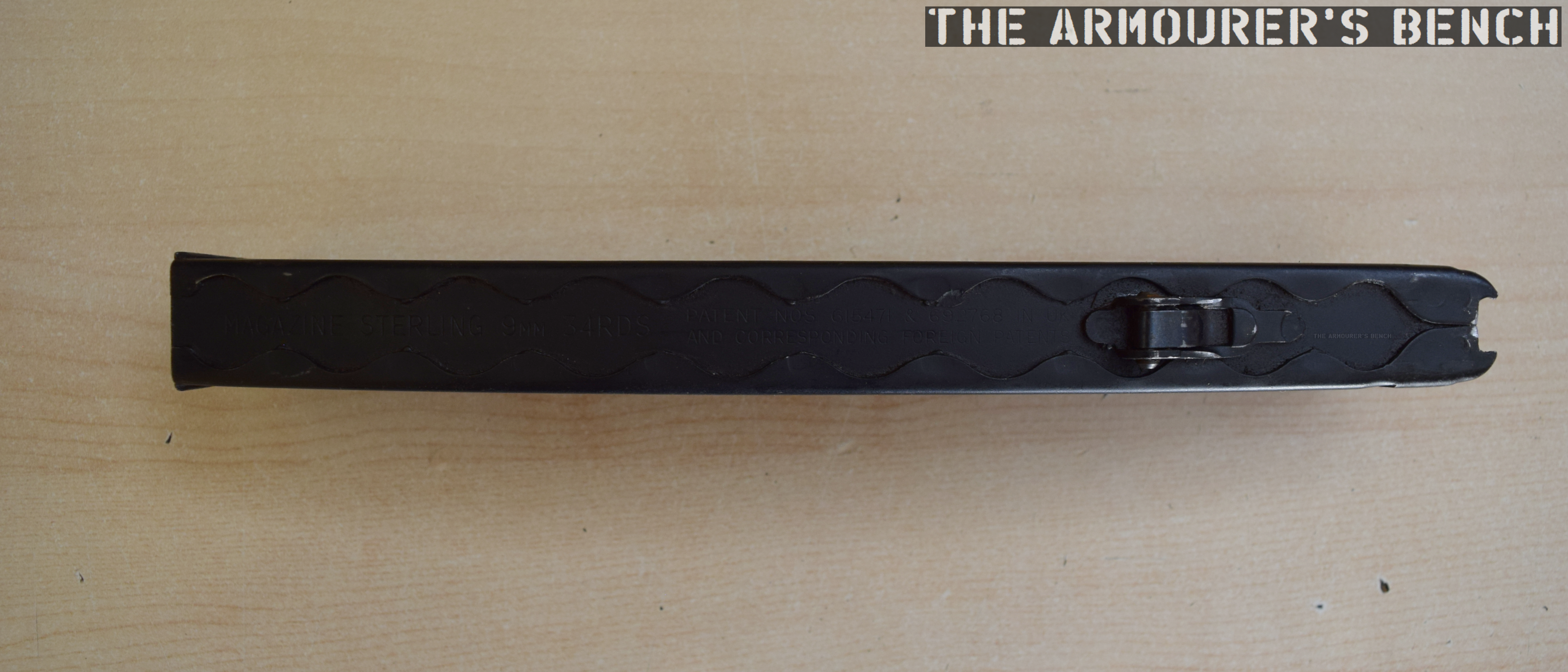
Rear edge of the magazine, with Sterling factory markings (Matthew Moss)

The example magazine seen above and in the accompanying video is Sterling-made and is marked with the company name and patent numbers. We can see the folded sheet metal construction and the overlaps at the rear of the magazine body.

Capture 04_Moment
Patchett’s patented-roller follower and circular amazing spring (Matthew Moss)

When Canada adopted the C1, a modified version of the Sterling, they dispensed with Patchett’s roller system and designed their own magazine which held 30, rather than 34 rounds, but could be used in all Sterling-pattern guns.

On the front of the magazine is an over-insertion stop built into the edge of the magazine body, at the rear is another magazine stop with a flat spring which limits rattle and helps properly align the magazine in the breech for optimal feeding.

Bibliography:

The Sterling Submachine Gun, Matthew Moss (2018)
[Copies of the book are available here]


If you enjoyed the video and this article please consider supporting our work here. We have some great perks available for Patreon Supporters. You can also support us via one-time donations here.