Ukrainians Training with Bulgarian Arsenal AKs

At the end of January a series of photographs taken by Canadian Army photographers showed Ukrainian troops being trained at sites in the UK as part of Operation Unifier. Unifier is a training mission carried out by the Canadian Armed Forces with training currently taking place in the UK alongside the multi-national training mission Operation Interflex.

What is interesting about the new imagery is that the Ukrainian troops in training are all armed with Bulgarian-made Arsenal AK-pattern rifles. This is the firs time this particular AK has been seen in use. If you saw our earlier videos looking at the other types of AK-pattern rifles procured by the UK for their training of Ukrainian personnel you’ll have seen Zastava M70s, Chinese Type 56s and East German MPi KMS-72s are in use.

The rifles were almost certainly procured by the UK Ministry of Defence and like the other AK-pattern rifles being used for training they will probably remain in the UK to be used in the training of future Ukrainian personnel. 
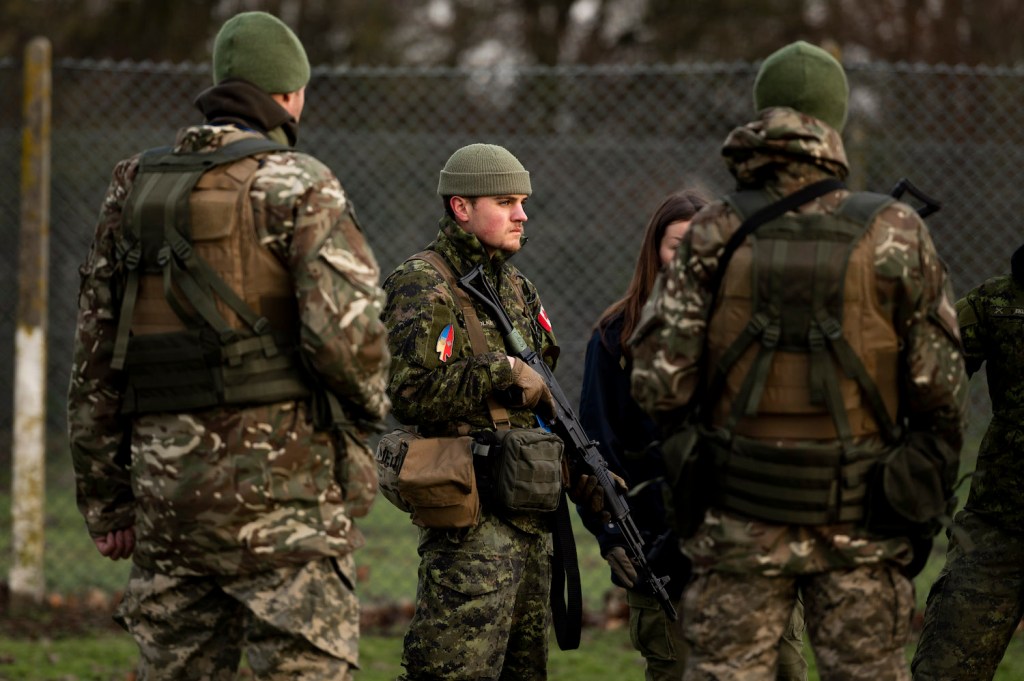
A soldier with the 3rd Battalion, Princess Patricia’s Canadian Light Infantry, instructs Ukrainian recruits during a weapons class as part of Operation UNIFIER in the United Kingdom, on January 26, 2023. (Corporal Eric Greico/Canadian Armed Forces)

The Arsenal AKs were seen for the first time in photographs taken on the 23 January, during a lesson on field craft. The Ukrainian troops can be seen taking notes with the rifles slung at their sides. 

The rifles appeared in photographs again  on 25 January, when Canadian medics were instructing Ukrainian recruits on the application of tourniquets. One of the rifles was seen slung over the shoulder of a Ukrainian soldier rendering aid. 

Subsequently on 26 January, soldiers from the 3rd Battalion, Princess Patricia’s Canadian Light Infantry were photographed instructing Ukrainian recruits during a weapons class. The class saw Ukrainian troops learning how to operate NLAWs, grounded on the floor next to them are their Arsenal AKs.

A series of images from a counter-explosive training session on searching and spotting mines and booby traps showed a platoon of Ukrainian trainees equipped with the Bulgarian AKs.
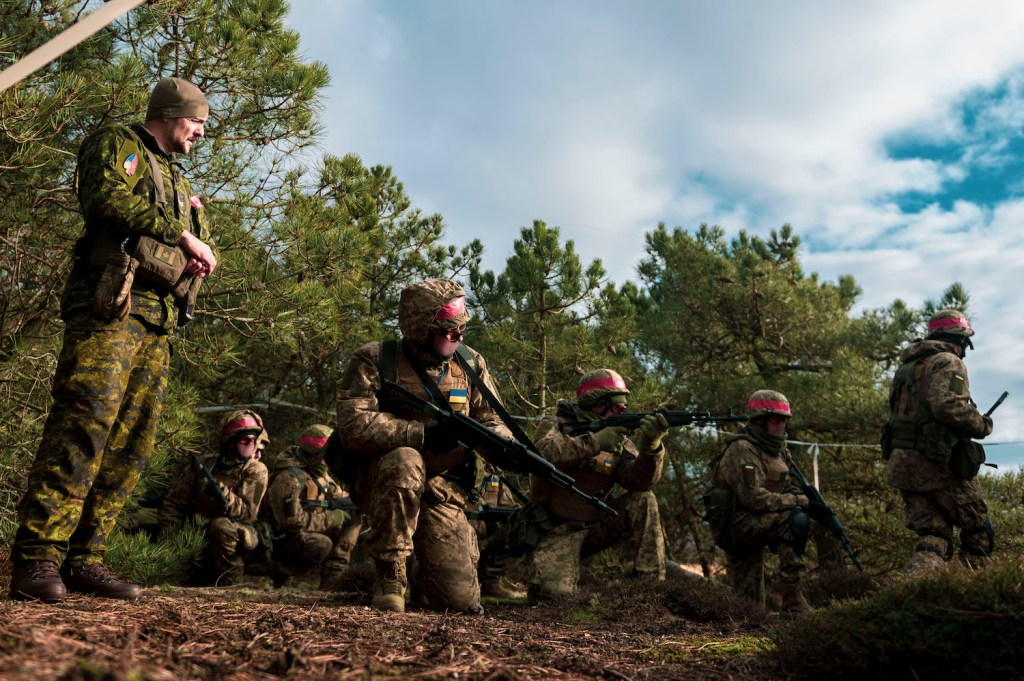
Ukrainian recruits under the supervision of Canadian soldiers from 1 Combat Engineer Regiment practice searching for and identifying booby traps, during Operation UNIFIER on 28 January 2023 in the United Kingdom. (Corporal Eric Greico/Canadian Armed Forces)

The rifles seen in all of the photographs appear to be basic model rifles, none of the weapons have railed handguards or Picatinny on the receiver cover for mounting optics. This suggests that they are either AR-M9Fs or AR-M14Fs (at least according to Arsenal’s website). The ‘F’ refers to the folding tube metal stock which helps identify the rifles as Arsenal-made AKs. The characteristic flash hider and furniture also identify them as Arsenal rifles.  It is difficult to identify what calibre the rifles are chambered in as the Ukrainians are never seen with magazines loaded into their weapons (as they’re unnecessary for the training being carried out). 

The AR-M9 and M14 are bother available chambered in 5.56x45mm and 7.62x39mm. Logical arguments could be made for either calibre: the UK MoD has confirmed that other AK-pattern rifles that have been procured are chambered in 7.62x39mm so this chambering would give them ammunition commonality with other AK-pattern rifles in use. Alternatively, the UK has ample stocks of 5.56x45mm and this would also more closely mimic the 5.45x39mm AK-74 rifles the Ukrainians are likely to be issued when they return home. Either way they are AK-pattern rifles which enable training on manual of arms, handling and firing with similar weapons the trainees will probably be equipped with.
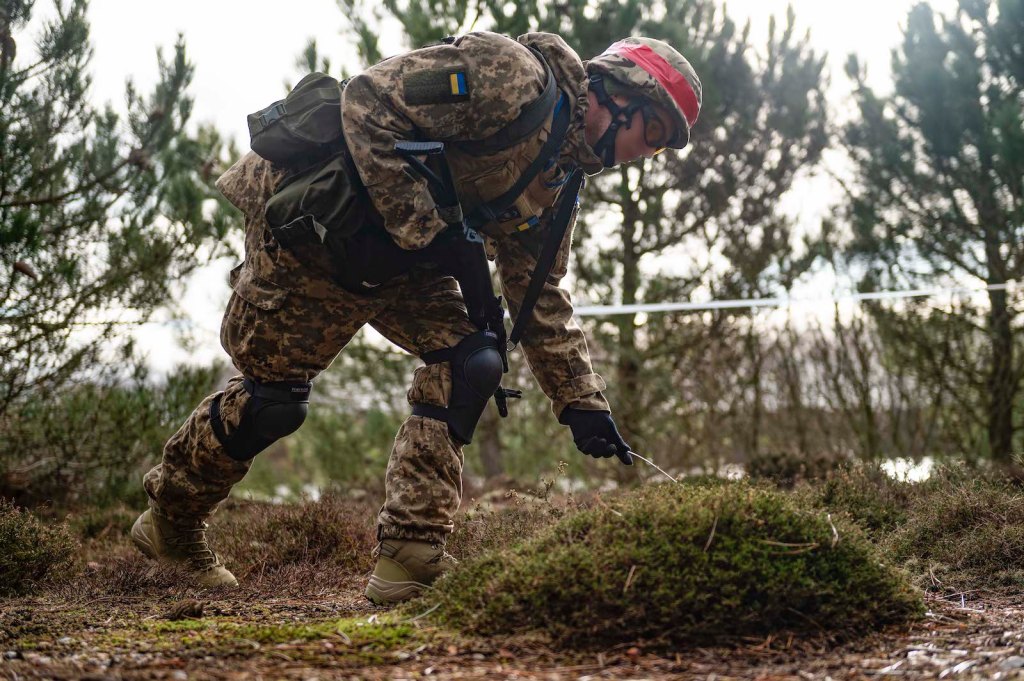
Ukrainian recruits under the supervision of Canadian soldiers from 1 Combat Engineer Regiment practice searching for and identifying booby traps, during Operation UNIFIER on 28 January 2023 in the United Kingdom. (Corporal Eric Greico/Canadian Armed Forces)

The rifles have black polymer furniture and appear to be either new or in excellent condition with few visible scratches or scrapes to the finish or furniture. Notably each rifle has green tape around the base of the folding stock onto which a rack number has been written in black marker pen. 

Addendum:

As is sometimes the case with writing these articles and videos while in the process of research and production new source material emerges. On 1 February, the UK MoD shared a series of new photographs from the training of Ukrainian troops. In these a number of the Arsenal AKs were seen fitted with blank firing adapters (BFAs). This is interesting for a number of reasons – previously we have seen Ukrainian trainees using British L85A2s with BFAs for the elements of their training which required blank fire. We have covered this in an earlier article/videos – it requires additional, and largely unnecessary training on the use of the British bullpup.
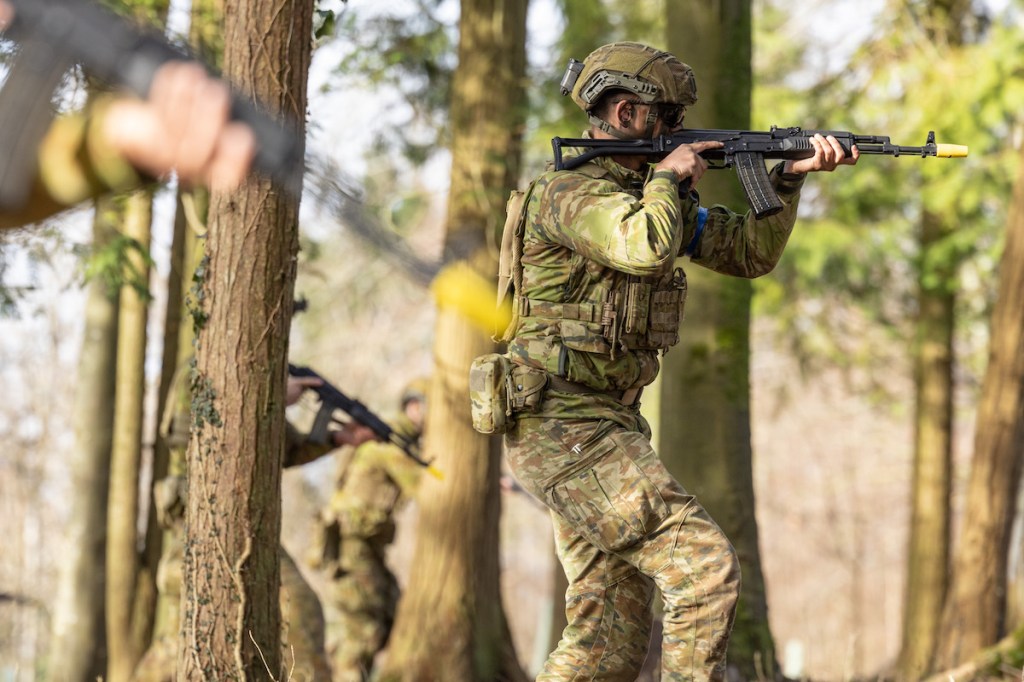
Australian soldiers demonstrate section level attacks and how to handle captured enemy personnel to Ukrainian recruits during the first rotation of Operation Kudu in the United Kingdom. (UK MoD/Crown Copyright)

BFAs for the 7.62x39mm AK pattern rifles procured earlier by the UK appear to have been deemed either unsafe for use in British training areas or BFAs and blank 7.62x39mm ammunition haven’t been readily available. The new photographs show that BFAs are in use with these Bulgarian AKs – likely because they were procured with the rifles direct from the manufacturer.

These UK MoD photographs also show the rifles with magazines – which indicate the rifles are chambered in 5.56x45mm. As I theorised earlier the UK has ample stocks of both blank and ball 5.56x45mm which would simplify the logistics of training the nearly 20,000 Ukrainian soldiers expected to be trained in the UK in 2023.
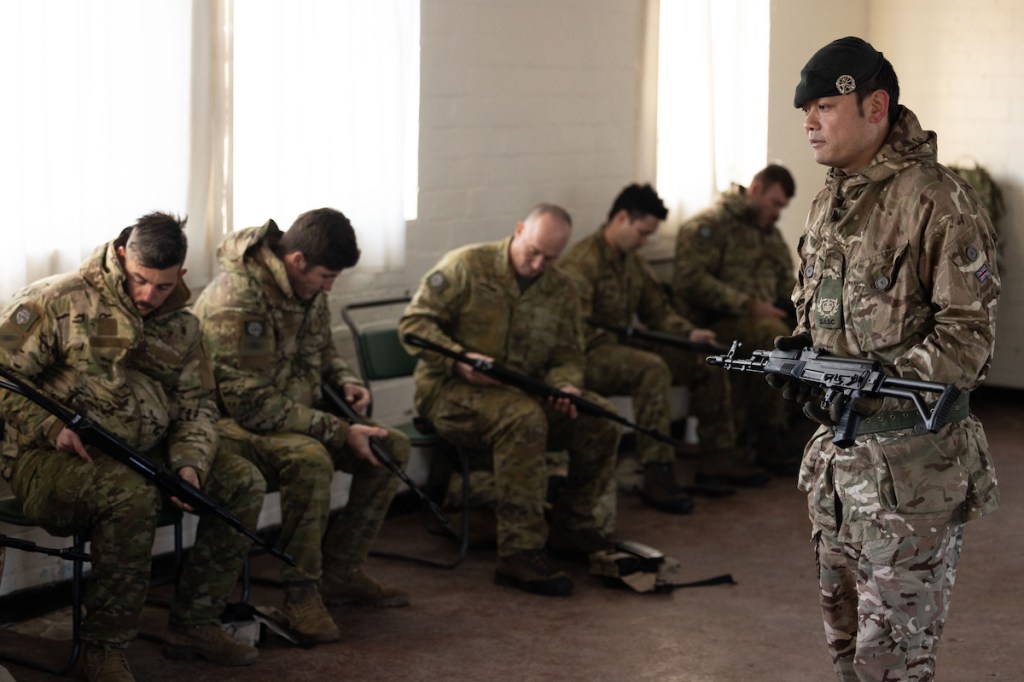
Australian Army soldiers from the 5th Battalion, Royal Australian Regiment, receive weapon handling lessons from the British Army’s Small Arms School Corps as part of the “train the trainer” portion of Operation KUDU in the United Kingdom (Australian Department of Defence/Commonwealth copyright)

The Australian Army has also shared a large number of photographs from their involvement in the training of Ukrainian troops in the UK. The Australian military have dubbed their effort Operation Kudu. They describe Kudu as: “A contingent of up to 70 Australian Defence Force (ADF) personnel are deployed on Operation KUDU to assist with the UK-led and based training program.” The Australian photographs show the training and familiarisation of Ukrainian troops with the Arsenal AKs with both Australian and British instructors seen in the photographs.
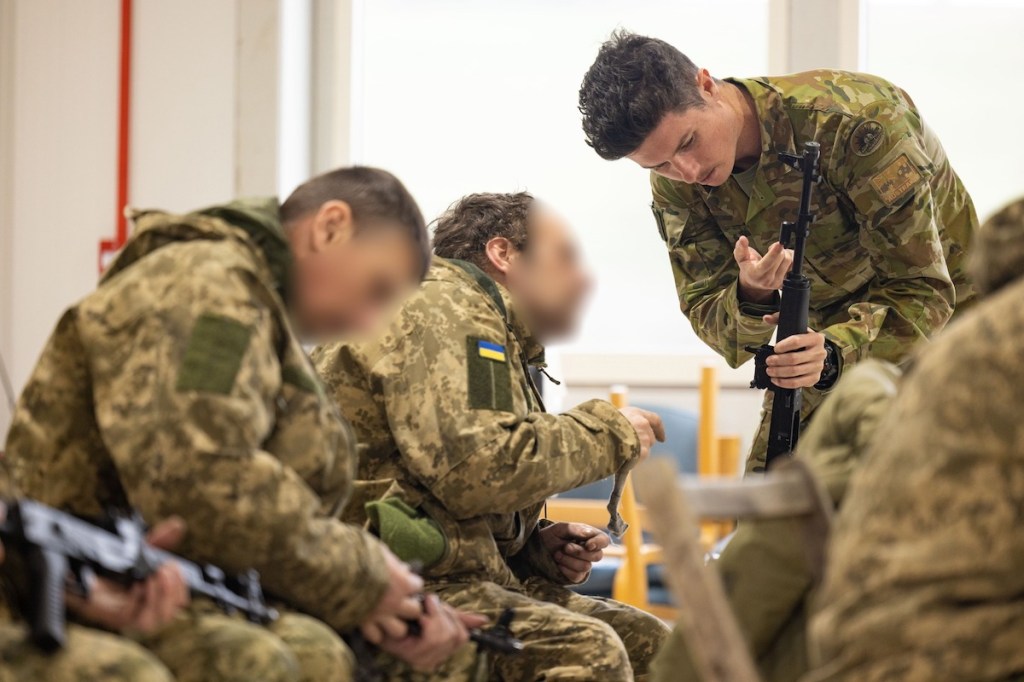
An Australian Army soldier from the 5th Battalion, Royal Australian Regiment, assists Ukrainian recruits with cleaning their rifles during Operation KUDU (Australian Department of Defence/Commonwealth copyright)

The photographs feature members of the 5th Battalion, Royal Australian Regiment and senior instructors from the British Army’s Small Arms School Corps, instructing trainees in the classroom before undertaking some fire and movement drills with blanks.


Update 08/02/23:

The Canadian Ministry of National Defense has released a short video showing some of the training Canadian personnel in the UK are delivering to Ukrainian troops as part of Operation Unifier (the Canadian element of the international Operation Interflex.)

The video focuses on some of the field exercises and urban training being provided and heavily features Bulgarian Arsenal AR-M9F (5.56x45mm) AK-pattern rifles.

Update – 14/02/23: A video shared by the Australian Department of Defence showed Australian troops training Ukrainians with Arsenal AKs during Operation Kudu.

Update 15/02/23: The Danish Army has also shared several photographs of Danish troops training Ukrainians in the UK, Arsenal AKs can again be seen in the photographs (fitted with BFAs).


Support Us: If you enjoyed this video and article please consider supporting our work here. We have some great perks available for Patreon Supporters – including early access to custom stickers and early access to videos! Thank you for your support!


Bibliography:

Assault Rifles, Arsenal, (source)

Operation Unifier, Canadian Armed Forces, (source)

Operation Kudu, Australian Defence Force, (source)
Canadian Small Arms & Light Weapons In Ukraine

After seeing a considerable number of Colt Canada C7 rifles and C8 carbines being used in Ukraine I decided to investigate their origins. I reached out to various Ministries of Defence to enquire if they had provided the rifles. The Canadian Ministry of National Defence not only confirmed that they had provided various small arms but their spokesperson was also kind enough to confirm some of the types of small arms and light weapons which Canada has transferred to Ukraine since February 2022. 

Due to operational security the quantities of weapons transferred obviously couldn’t be confirmed but there’s some interesting weapons in the list that might not be what was expected. 

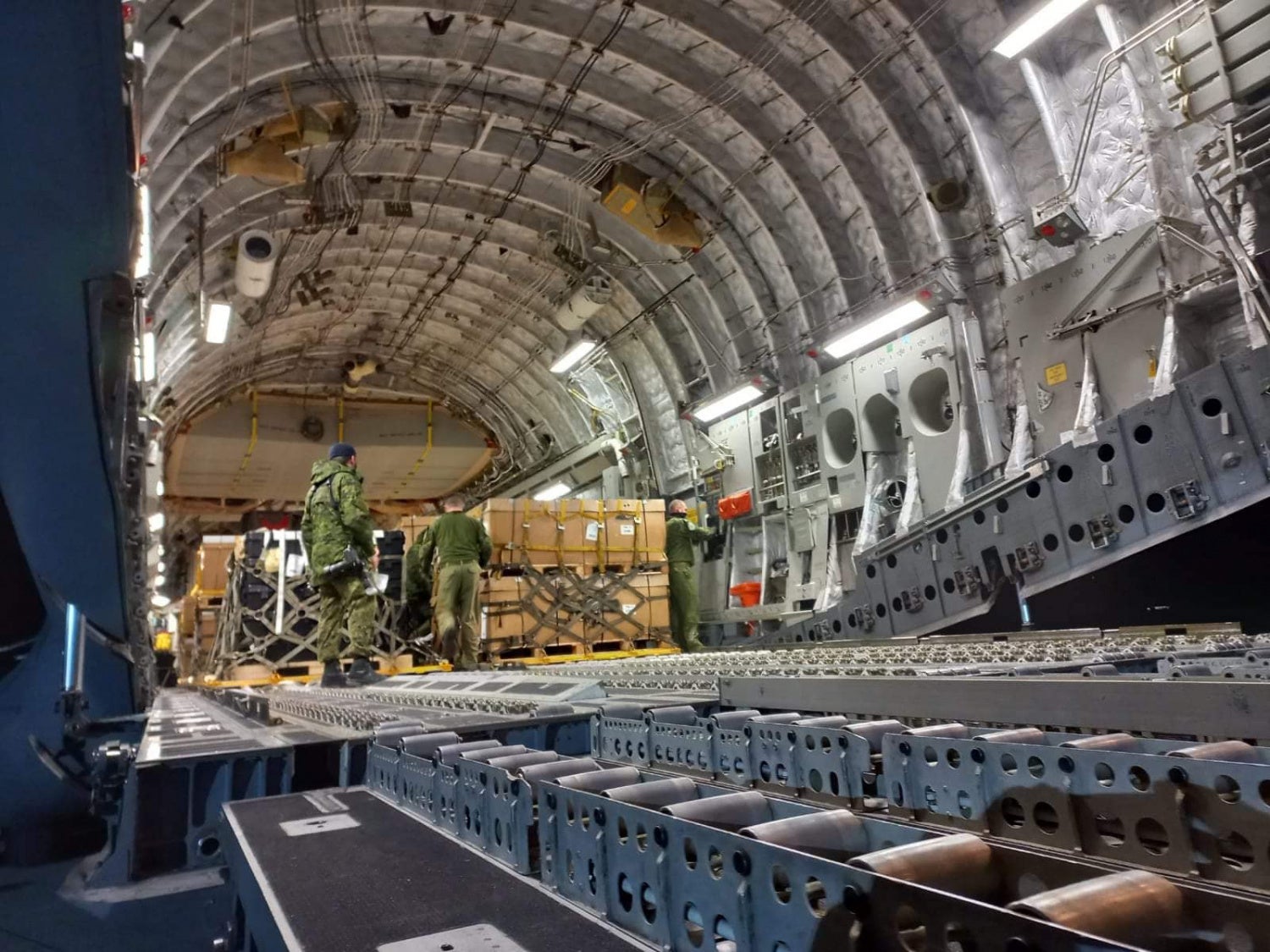
Canada aid arriving in in Ukraine (Ukrainian MoD)

In terms of anti-tank weapons we already know that at least 100 Carl Gustaf M2 Recoilless Rifles were transferred, along with 2,000 rounds of 84mm ammunition. We have seen a number of M2s which are potentially of Canadian origin in the field. Also confirmed back in March was the transfer of as many as up to 7,500 hand grenades and up to 4,500 M72 LAW anti-tank weapons. These have probably been seen in the field but without close ups of markings and with so many countries transferring LAWs its difficult to ID them specifically in imagery from the field.

A potential Canadian Carl Gustaf in Ukraine (via Social Media)

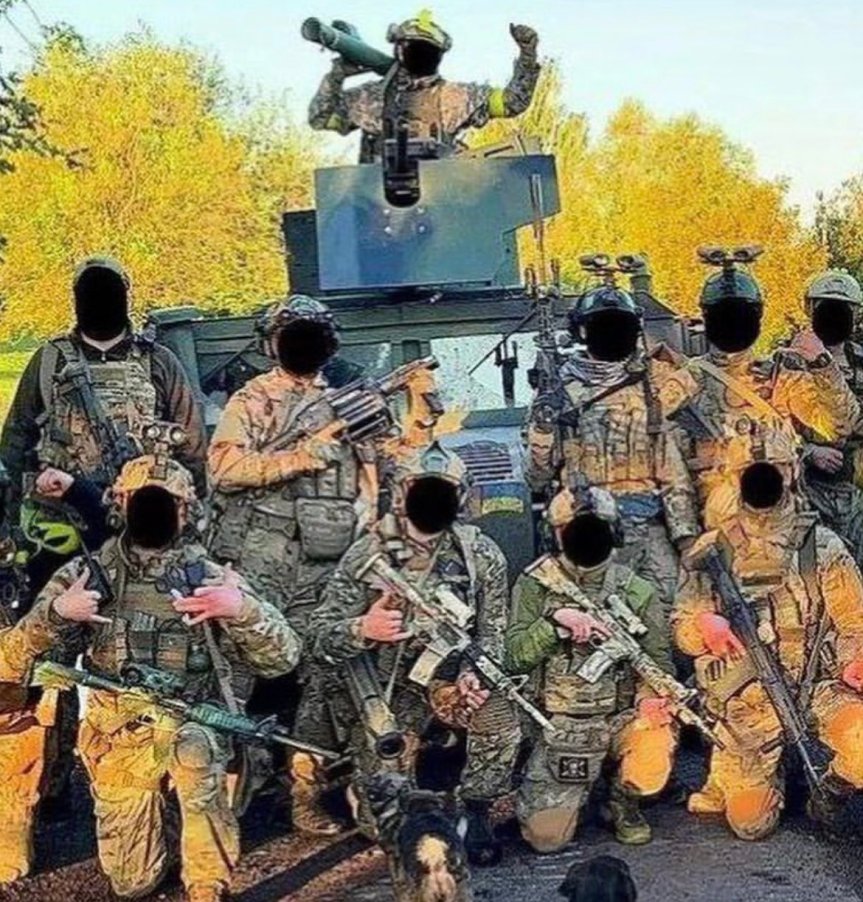
In terms of small arms things get interesting, as mentioned C7A1 rifles have been seen in a considerable number of photos and videos from Ukraine. Produced by Diemaco, now Colt Canada, it seems obvious that these rifles originated from Canada. However, the spokesperson from the Ministry of National Defence confirmed that Canada has not provided any C7 pattern rifle. Instead, they confirmed that Canada has only provided C8 carbines. Sources familiar with the carbines sent to Ukraine noted that the weapons were C8 SFWs with a railed forend. So far the only photo which may visually confirm the presence of Canadian C8 SFWs is this one of some Ukrainian SSO operators. An operator in the middle of the photo (see below) has a C8 with a railed forend, with a vertical front grip attached. Other operators around him have C8s with the earlier non-railed handguards.

73rd Naval Special Purpose Center operators with what may be a C8 SFW, along with earlier unrailed C8 carbines (via Social Media)

It was also confirmed that both C9 light machine guns and C6 general purpose machine guns have been transferred. The C9 is Canada’s designation for the FN Minimi while the C6 is their designation for the 7.62x51mm FN MAG. Canada currently uses the upgraded C9A2 with a 4 position stock and longer rail.

Colt Canada C8 Carbines in Ukraine – these C8s were not provided by the Canadian government (via Social Media)

The spokesperson also confirm the types of precision rifle transferred to Ukraine noting that “both medium .308 and .338 calibre, and heavy .50 calibre sniper rifles were provided.” Earlier media reports had suggested that .50 calibre sniper rifles were transferred but there had been no mention of medium caliber rifles. It was not stated whether the .338 rifles were .338 Norma Magnum or .338 Lapua Magnum.

While the Canadian military currently fields the C15 Long-Range Sniper Weapon (the McMillan TAC-50) the Ministry of National Defence did not confirm what exact model had been sent to Ukraine. There have been a number of sightings of TAC-50s, and while a number of countries field them, some of those seen in Ukraine may have originated from Canada.

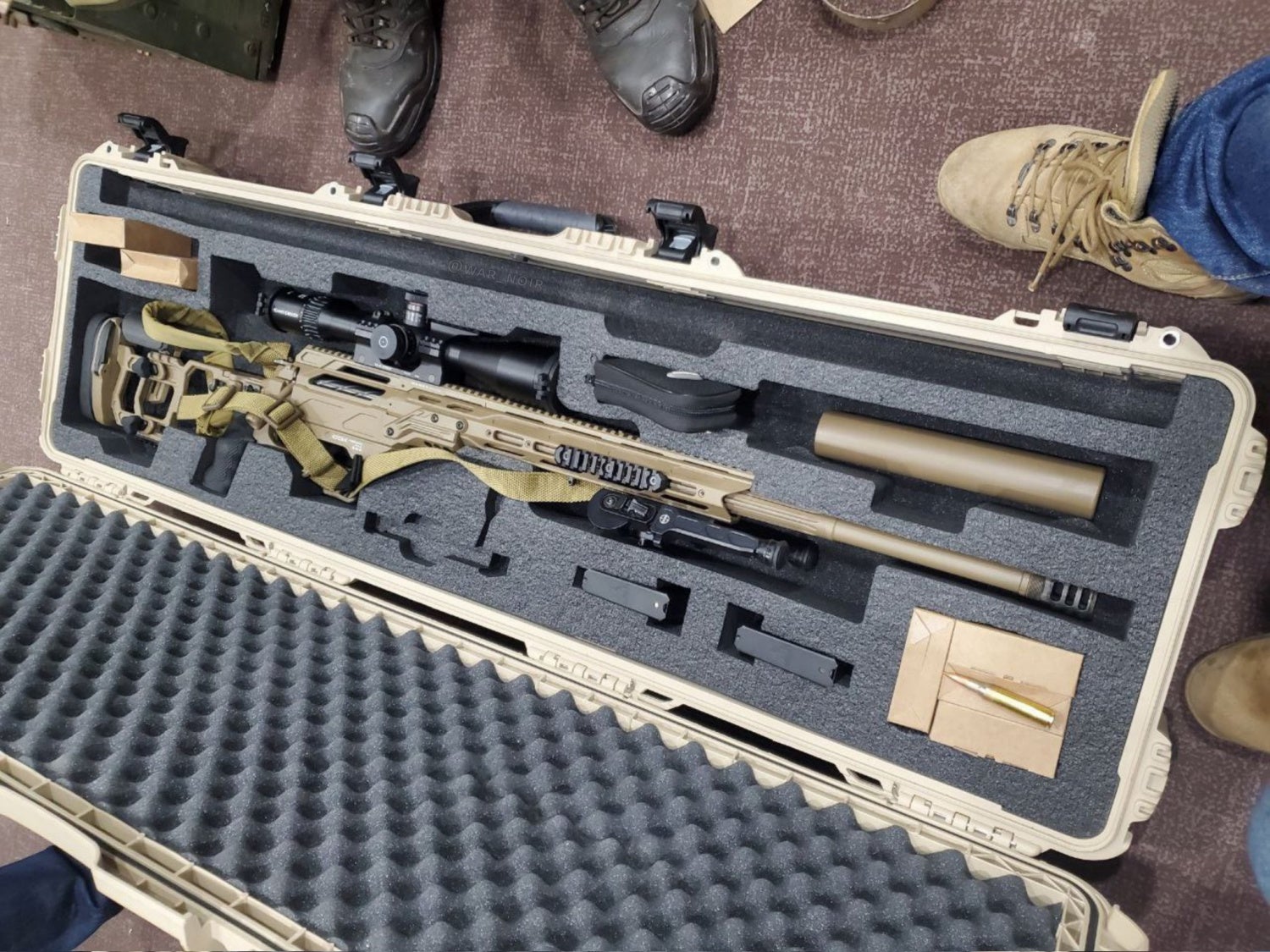
An anonymous source familiar with the program to transfer weapons to Ukraine confirmed that CADEX Defence CDX series rifles had been sent to Ukraine from the stores never sent to Kurdish forces. These are believed to have included CDX TAC rifles in .338 and CDX-50 Tremors in 12.7x99mm.

The weapons initially sent to Ukraine were reportedly drawn from a selection of weapons worth an estimated $10 million, which had originally been procured in 2016 for Kurdish forces fighting ISIS in Iraq. The plan to arm the Kurds stalled in 2017 and since then the weapons have been in storage at the Canadian Forces Supply Depot in Montreal. This equipment included sniper rifles, 60mm mortars, Carl Gustaf anti-armor weapons and small arms. It is from these stores that many of the sniper rifles have been drawn. In February, just before the Russian invasion was launched it was reported by a number of Canadian media outlets that the weapons sent to Ukraine came from the stores originally destined for the Kurds.

CADEX CDX photographed in Ukraine in March (via War_Noir)

In the past Canada has also provided Ukraine with .50 caliber LRT-3 rifles from PGW Defence Technologies, this type may have again been provided either via the Canadian government’s transfer or privately donated by Canadian citizens.

Based on information from sources familiar with the transfer the ‘.338’ chambered medium caliber rifles are believed to be CDX TAC rifles from CADEX rather than the C14 Timberwolf MRSWS (Medium Range Sniper Weapon System) from PGW Defence Technologies, which is currently in use with Canadian forces. The .308 chambered rifle mentioned is less clear, it may be a reference to the 7.62x51mm Parker-Hale C3 sniper rifle which is still in service or possibly a .308/7.62x51mm chambered rifle from PGW or CADEX. They are unlikely to be Tikka T3s which recently entered service with the Canadian Rangers as the C19.

Interestingly, the pistols which were transferred were not Browning HiPowers, which is Canada’s current standard service pistol – soon to be replaced by the SIG Sauer P320, but Glock 17s. Very few images of Glock 17s in use in Ukraine have surfaced so far. Sources suggest that the Glock pistols were also a part of the selection of weapons originally destined for Kurdish forces fighting ISIS.


Support Us: If you enjoyed this video and article please consider supporting our work here. We have some great perks available for Patreon Supporters – including early access to custom stickers and early access to videos! Thank you for your support!


Bibliography:

https://www.canada.ca/en/global-affairs/news/2022/02/canada-sending-additional-25m-military-aid-to-support-ukraine.html

https://www.canada.ca/en/department-national-defence/news/2022/03/defence-minister-anand-announces-additional-military-support-to-ukraine.html

https://www.canada.ca/en/department-national-defence/services/operations/military-operations/current-operations/operation-unifier.html

Makeshift Fire Extinguisher RPG Warhead

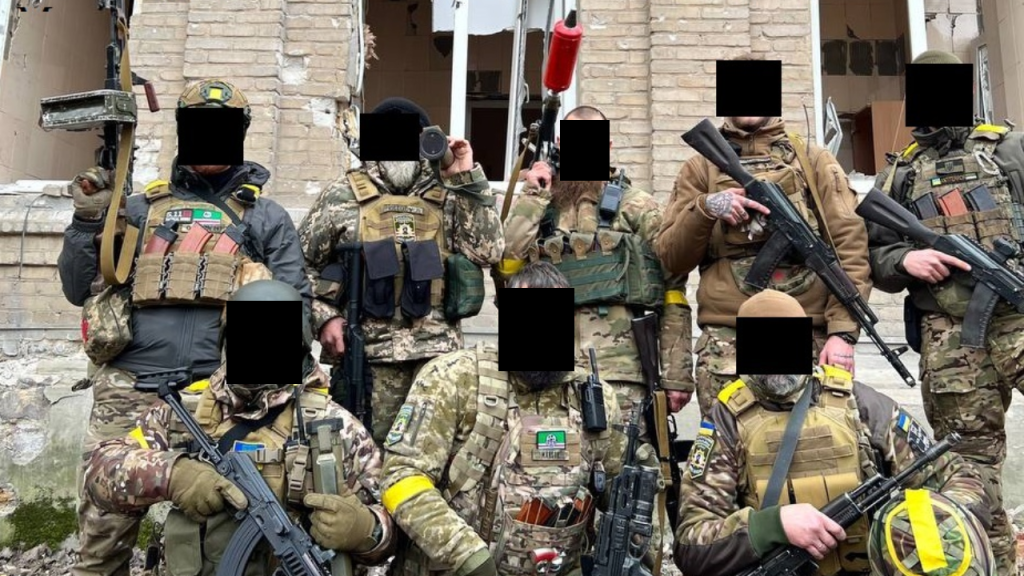
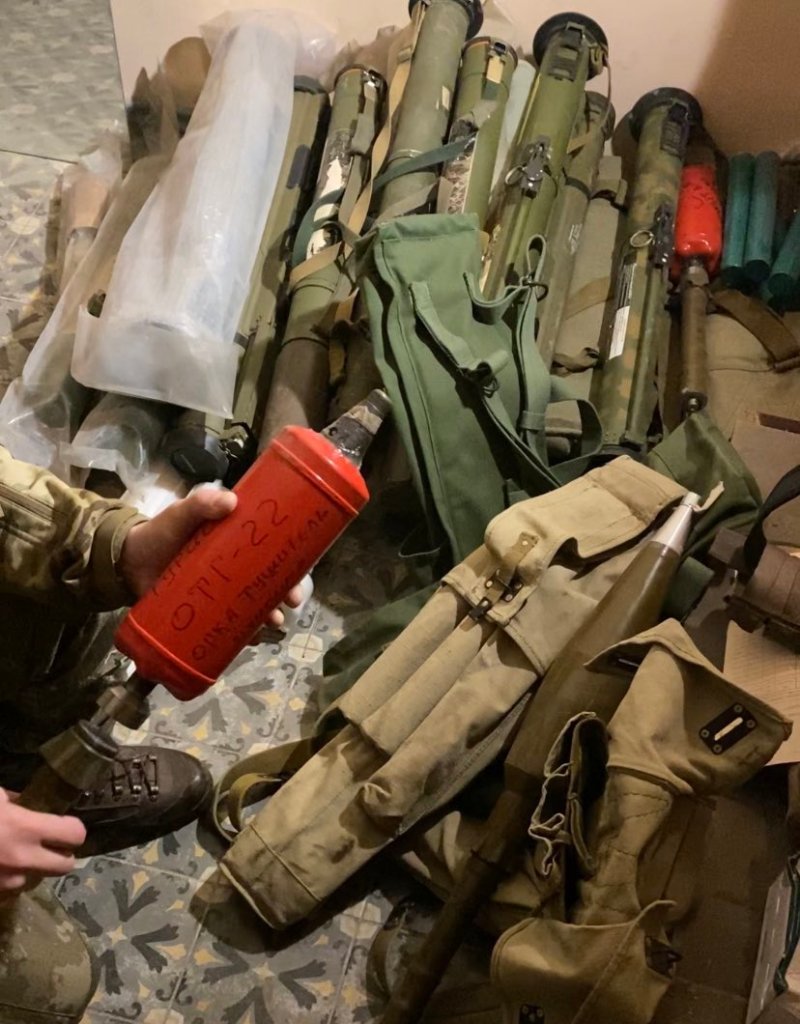
In December images of Chechen volunteers fighting with the Ukrainian Armed Forces began to feature an interesting craft-made weapon – an RPG munition made from the body of a small fire extinguisher. 

These RPG-warheads improvised from fire extinguishers have appeared in numerous videos and photographs of the Sheikh Mansur Battalion. The battalion was formed back in 2014 and is made up of exiled Chechens who reject Russian control of their region. The battalion itself is named after an 18th century Chechen military leader Sheikh Mansur. The battalion had disbanded in 2019, but reformed in March 2022 following the invasion. Since then they have reportedly seen action during the Battle of Kyiv, in the Donbas, during the Battle of Sievierodonetsk and most recently in the fighting around Bakhmut. 

There’s a long history of improvised warheads adapted for launch from the RPG-7 but I think this is the first time I’ve seen a fire extinguisher body used, at least in this phase of the fighting in Ukraine. 

A section of the Sheikh Mansur Battalion, with a craft-made fire extinguisher munition, Bahkmut, December 2022 (via Sheikh Mansur Battalion)

It appears that the fire extinguisher body has been emptied and filled with whatever explosive and shrapnel material is readily available and then adapted to fit the sustainer motor and booster assemblies. They appear to use V-429 or V-429E point detonating fuzes. These fuzes were developed for use on high explosive (HE) projectiles used by various Combloc weapon systems including the T-12 and MT-12 100mm anti-tank guns and the 115mm main gun of the T-62 and 125mm main guns of the T-64, T-72, T-80 and T-90 series tanks. Some other fuzes appear to be used too but conceivably any impact fuze would work. The inertia armed fuzes normally arm within 5-15m of the muzzle once fired from a conventional barrel. It appears that the fuzes have been epoxied into place.

Close up of a craft-made fire extinguisher munition, Bahkmut, December 2022 (via social media)

How the mass and shape of the improvised round impacts the velocity of the warhead once it is fired is unclear. But Bild correspondent Bjorn Stritzel, who recently met with members of the Battalion while writing an article about them, told me that the range of the warheads is about 100m. He noted that the Chechen’s have found them to be ‘very effective in Bakhmut’ and that ‘apparently its firepower surprised RF entrenched in houses’ according to radio chatter picked up by the Battalion. 

While we don’t have a perfect close up of them the extinguishers themselves appear to be small 2kg (or 5lbs) units which contain powder. From a quick survey of some Ukrainian websites which sell the extinguishers, the price of these ranges between 300 and 500 Hryvnias (or $8 & $14).

A member of the Sheik Mansur Battalion demonstrates a craft-made fire extinguisher munition, Bahkmut, December 2022 (via Sky News)

The fire extinguisher rounds are probably being used as anti-personnel weapons which would be fitting for the sort of fighting occurring around Bakhmut where the majority of the imagery is said to be coming from. The thin steel body of the extinguisher may provide suitable fragmentation or depending on the metallurgy it may just rupture. According to Stritzel the filling of the warheads is around 50% explosive and 50% shrapnel material. He also noted that the Chechen’s described the warhead as being “three times more powerful than a normal OG-7V [fragmentation RPG-7 round]”. 

Two craft-made fire extinguisher munitions, Bahkmut, December 2022 (via Bjorn Stritzel)

The first video featuring the improvised warheads was published by the Sheikh Mansur Battalion on their social media in around mid December. In a Sky News report from the 22 December, a member of the Battalion demonstrates how one of the extinguisher warheads is loaded. A video posted to the Battalion’s social media on the 27 December showed a number, perhaps four, of the improvised rounds stacked ready for use with booster assemblies attached. 

On the 31 December, the Battalion shared a photograph of a group of eight Battalion members, one of which can be seen holding an RPG-7 with one of the improvised extinguisher rounds loaded. During the second week of January, a short, undated, video of an individual in a fighting position firing one of the craft-made warheads was shared. We get some idea of the weight of the round in this clip.

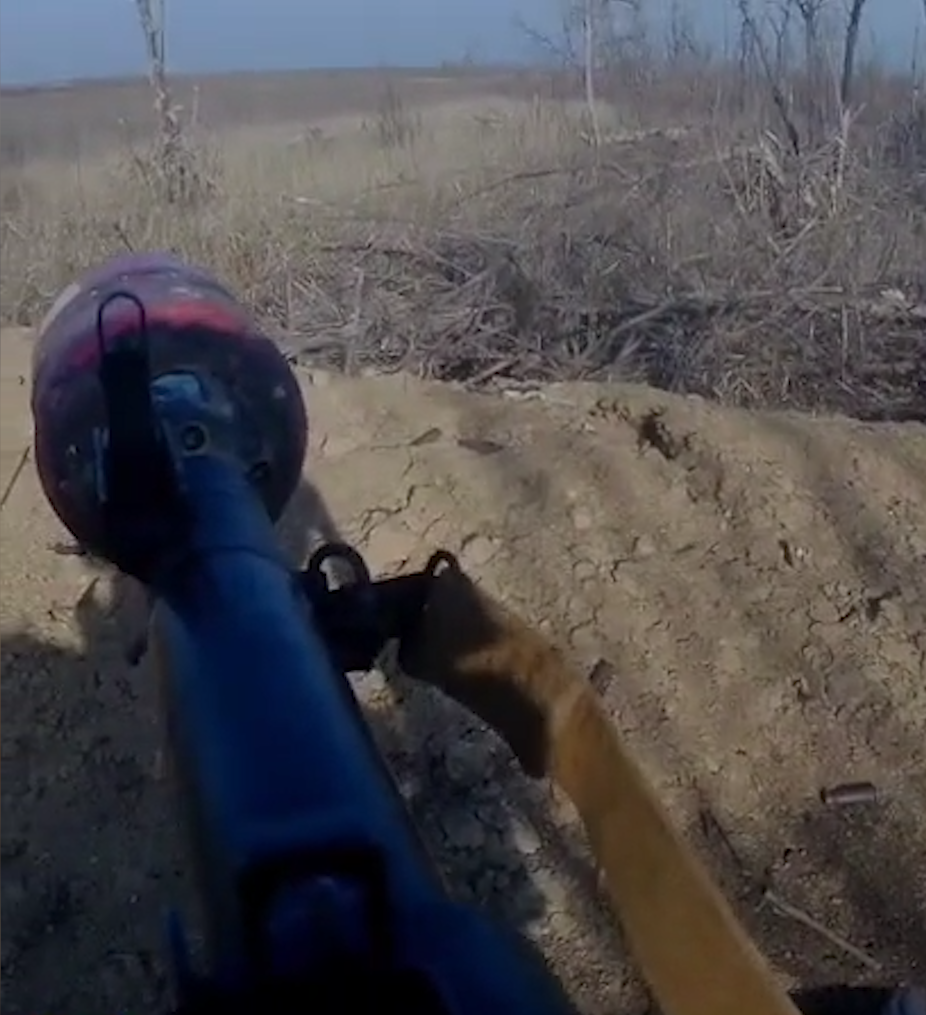
The most recent video (see stills above), posted on TikTok, on the 12 January, shows two of the improvised munitions being fired. These warheads follow the same design but differ slightly in that the fire extinguisher body appears to have been cut open at the centre and then welded back together. Perhaps this is done to easier fill the munition or perhaps to shorten a longer extinguisher body. For the first time we also get to see the explosion of the rounds down range. This video again gives us a good indication of the weight of the round from the movement of the shooter. It also illustrates the distances the rounds can travel. Notably it appears to be used here against a Russian field work rather than against a building.

With fighting continuing in Bakhmut we are likely to see more of these improvised fire extinguisher rounds in use, especially if they are as effective as the Sheikh Mansur Battalion suggest.


Support Us: If you enjoyed this video and article please consider supporting our work here. We have some great perks available for Patreon Supporters – including early access to custom stickers and early access to videos! Thank you for your support!


Bibliography:

V429 Fuze, CAT UXO, (source)

V429E Fuze, CAT UXO, (source)

‘They prefer death to Russian torture’, Bild, (source)

The Chechens fighting Putin in Ukraine, Sky News, (source)

US & Canadian M67 Grenades In Ukraine

A range of Western, Eastern European and Russian hand grenades have been seen in use in Ukraine over the last eight months. One of these is the M67 Fragmentation Grenade which are believed to have been provided by the US and Canada.

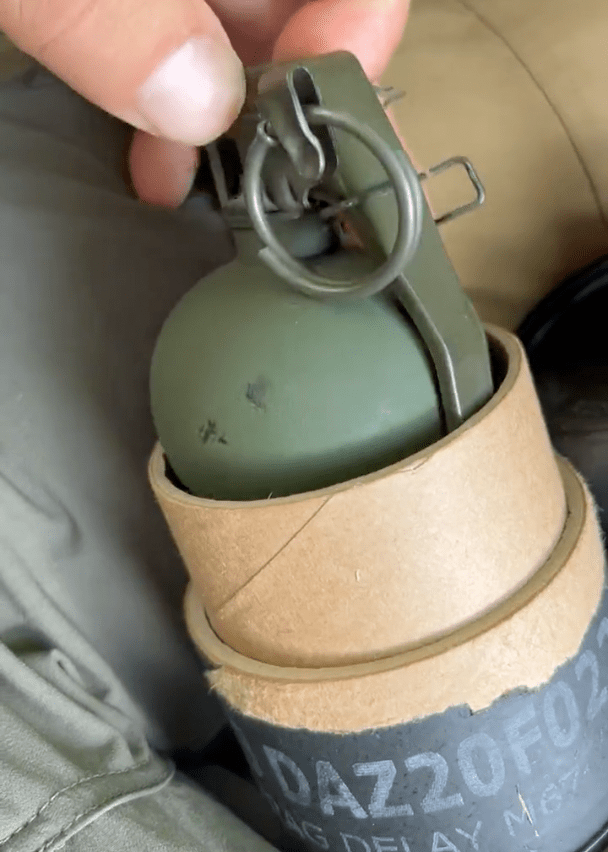
The M67 evolved from the earlier M33, it began to be fielded in 1968. They are produced by Day & Zimmermann, who state they have produced over 43 million of the grenades. It is a spherical anti-personnel fragmentation grenade which has a Composition B filling. Composition B is made up for a RDX and TNT mix. The M67 explosive filling weighs in at 6.5oz (180g). It uses the M213 fuze which provides a 4 to 5 second delay after deployment.

There is a spring clip which interacts with the spoon and safety pin. On detonation the grenade’s steel outer body fragments to create an injury radius of around 15 metres (50 feet). The fragmentation is caused by scoring on the inside of of the grenade’s outer body.

A captured M67 Grenade (via Social Media)

The US government has confirmed that hand grenades have been provided to Ukraine but specific mentions of them in the regular fact sheets breaking down aid have not been common since the spring when it was said that ‘over 1 million grenade, mortar and artillery rounds’ had been provided. Canada has previously, on 3 March, confirmed the supply of 7500 hand grenades of an unspecified type.

M67 shared 29 April 2023 (via social media)

Imagery of the grenades first began to be circulated online in May with the Azov-Dnipro 98th Territorial Defence Battalion sharing several videos featuring them. In their first video they showed a couple of transit chests, each containing 30 individually packed grenades. They then showed the individual packaging of the grenades. In another video posted a few days later the show an M67 alongside a French OF37.

On the 15 June, Russia’s Zvezda News shared a short interview with a soldier from the separatist Luhansk People’s Republic showing off captured weapons including an 66mm M72 LAW and an M67 grenade. Describing the grenade he said: “We are already walking around with American [grenades]. The grenade is convenient, it flies far.”

M67 Grenade in its cardboard transit tube (via Social Media)

A short video of one of the grenades was shared in late June and in late July the 98th Territorial Defence Battalion shared a clip showing soldiers training with live grenades. On the 18 August, Valgear shared a short video showing an M67 he believed has been provided by Canada. An M67 and its individual packaging was shown in another video posted by a Ukrainian soldier on 23 August.

In August several videos featuring M67s were also shared by Russian forces. The first video showing off a captured example of the M67 was posted on 3 August, featuring a DPR officer examining a grenade. On the 28 August another brief clip of a captured grenade was also shared.

M67 in a 73rd Mechanised Brigade trench (source)

In September the Russian YouTube channel ‘Big Calibre Trouble’ published a video testing the blast effect of several grenades including an M67. Similarly, Ukrainian YouTube Channel ‘Boys from the Forest’ also demonstrated the M67 and German DM51. Most recently several photos of M67s have been shared. Ukrainian serviceman Valgear notes that the M67 is highly prised amongst Ukrainian personnel including with drone teams.

M67 Grenade (via Social Media)

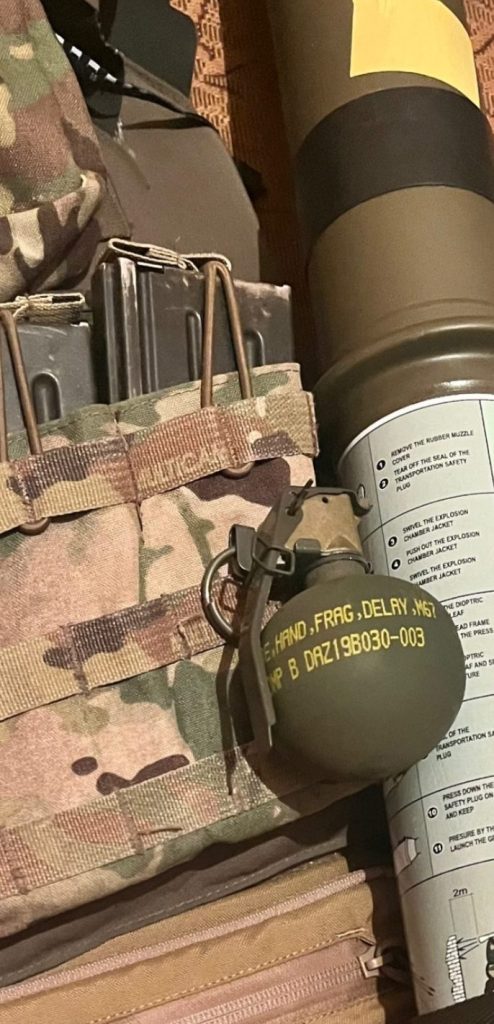
From the sources available it appears that Canadian-made grenades are marked with a ‘CA’ prefix. So far the grenades we’ve identified in the photos and footage from the field all of the grenades appear to have US markings. Exactly how many M67s have been provided to Ukraine, and by whom, remains unclear but the number seems likely to be in the tens of thousands.  

Research Note: several lots of M67 grenades have been visually confirmed from available imagery:

DAZ13C002-003 – 1 confirmed example

DAZ14D002-011 – 2 confirmed example

DAZ20F022-006 – 7 confirmed examples

DAZ21C022-014 – 7 confirmed examples

DAZ21J022-017 – 1 confirmed example

DAZ19B030-002 – 2 confirmed example

DAZ19B030-003 – 1 confirmed example

DAZ12J001-003 – 1 confirmed example

DAZ14F002-012 – 2 confirmed example

DAZ21D022-015 – 2 confirmed example

DAZ20M022-012 – 3 confirmed examples

DAZ22F023-002 – 1 confirmed example

Update 30/01/23:


Support Us: If you enjoyed this video and article please consider supporting our work here. We have some great perks available for Patreon Supporters – including early access to custom stickers and early access to videos! Thank you for your support!


Bibliography:

M67 Hand Grenade, Day & Zimmerman, (source)

M33, M59, M67 & M68, Lexpev.nl, (source)

C13 Fragmentation, Lexpev.nl, (source)

M67 Hand Grenade, CAT-UXO, (source)

Breakdown: How Many Ukrainian Troops Has the US Trained?

The US Department of Defense recently announced that they would be expanding their training of Ukrainian personnel in January. The new training program will aim to train 500 Ukrainians per month giving them instruction on combined arms operations and tactics from the squad to the battalion level. 

Long before the Russian invasion of Ukraine in February the US and other NATO nations had been heavily engaged in training the Ukrainian military to NATO standards. The US, UK and Canada established a Joint Commission for Defence Reform and Security Cooperation In July 2014, which later expanded. The Canadian training operation was known as Unifier while the British operation was known as Orbital, which has now   been superseded by Operation Interflex.

Just before that announcement, however, the US also confirmed how many Ukrainian personnel have been trained so far. A US European Command Spokesperson shared a breakdown of how many troops have been trained on a number of major systems. 

In a statement a European Command spokesperson told me that:

“Training is key to Ukraine’s continued success on the battlefield by ensuring that Ukraine has the skilled forces necessary to sustain its efforts to push back on Russian aggression. Since the U.S. started to provide security assistance to support Ukraine in defense of their nation, the United States has trained approximately 3,100 members of the Ukrainian Armed Forces”. 

The breakdown of training provided to Ukrainian personnel covers a number of different systems and platforms: 

The system which has seen by far the largest number of Ukrainian troops trained is the M777 155mm howitzer. As of 9 December the US has provided Ukraine with ‘142 155mm Howitzers and up to 1,004,000 155mm artillery rounds’. To operate these guns in the field the US has trained approximately 870 Ukrainian gunners. In addition to this 310 personnel have been trained on the M109 155mm self-propelled howitzer, M109s have been donated by the US, UK and Norway.

Other troops have been trained on the lighter 105mm M119 howitzers, 36 of which have been provided by the US with further guns coming from the UK. Around 500 Ukrainian gunners have been trained on the 105mm howitzers by US personnel, with more being trained in the UK by a multi-national training cadre. 220 Ukrainian personnel have also received training on the M120 mortar.

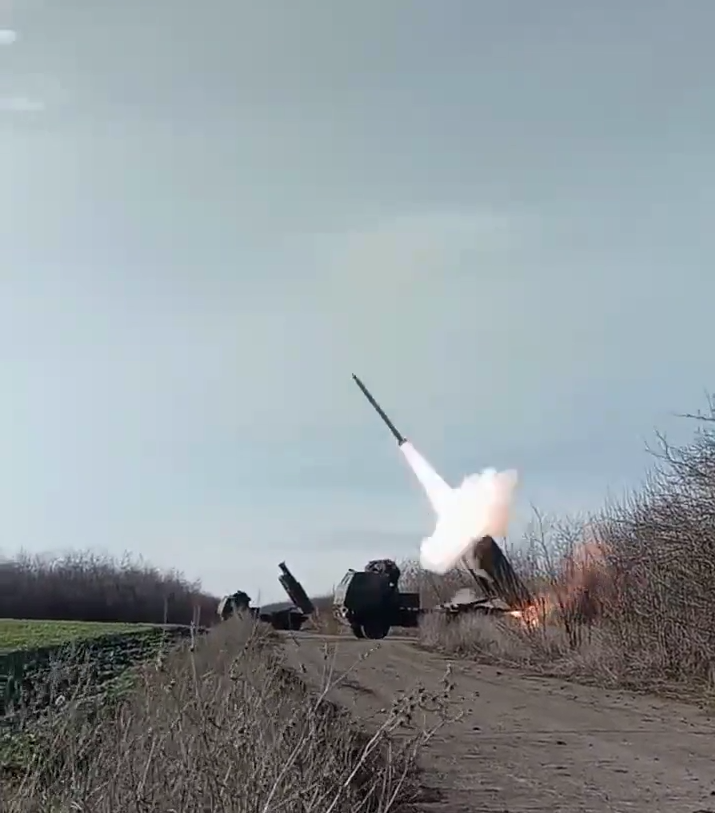
Finally, US EUCOM’s breakdown outlined that approximately 610 Ukrainian personnel have been trained on the M142 High Mobility Artillery Rocket System. So far 38 227mm HIMARs have been transferred to Ukraine by the US.

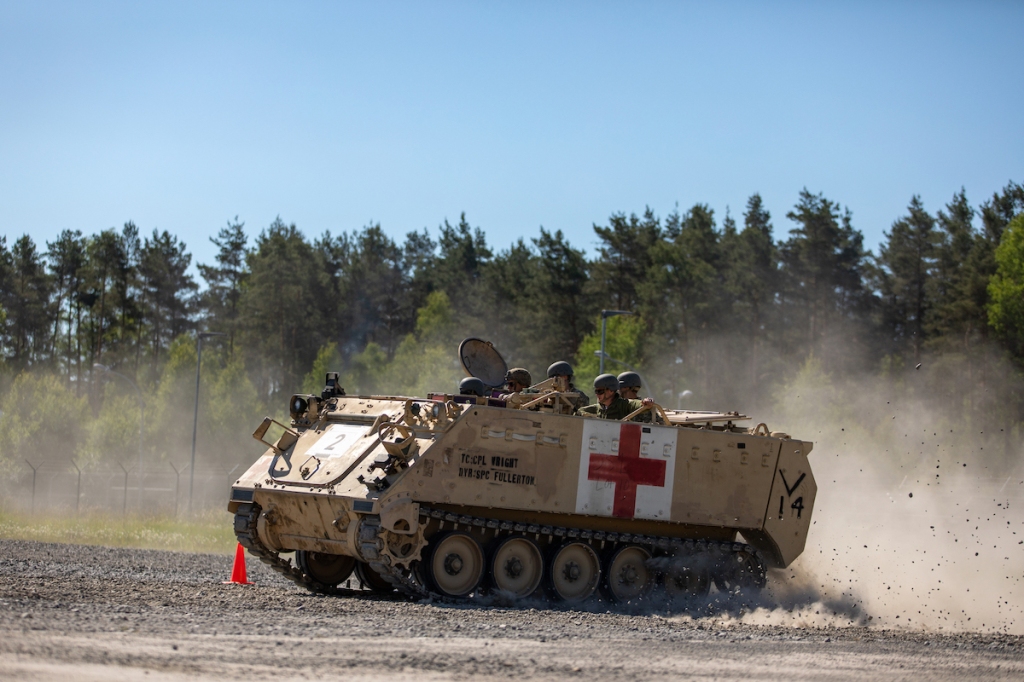
US personnel have also provided training on a number of vehicles, training 140 Ukrainians on M113 armored personnel carriers. With all of the vehicles and weapon systems it is unclear what ratio of these troops included instructors, mechanics and crews. At the time of writing the US has provided 200 M113s with European allies providing including Denmark, Spain, the Netherlands, Australia, Germany, Portugal, Lithuania and Austria also providing a similar number of M113 variants. The EUCOM spokesperson also noted that an unspecified number of Ukrainian troops had been trained on the M1089 Wrecker, a recovery vehicle which is part of the Medium Tactical Vehicles family. The latest Department of Defense factsheet on equipment provided to Ukraine notes that “22 Tactical Vehicles to recover equipment” have been transferred.

While the provided breakdown of systems Ukrainian troops have been trained on by US personnel outside of Ukraine isn’t exhaustive it also included 450 personnel who have received training on ‘other’ systems such as the M1089 and various Unmanned Aerial Vehicle platforms. 

Much of this training has been carried out at US military sites in Poland and Germany but as we’ve already seen in previous videos Ukrainian troops are also being trained in the UK by a multi-national training force, in Lithuania and elsewhere.

This article was adapted from my earlier article at Overt Defense.


Support Us: If you enjoyed this video and article please consider supporting our work here. We have some great perks available for Patreon Supporters – including early access to custom stickers and early access to videos! Thank you for your support!

Ukraine’s Newest Howitzer Is An Antique

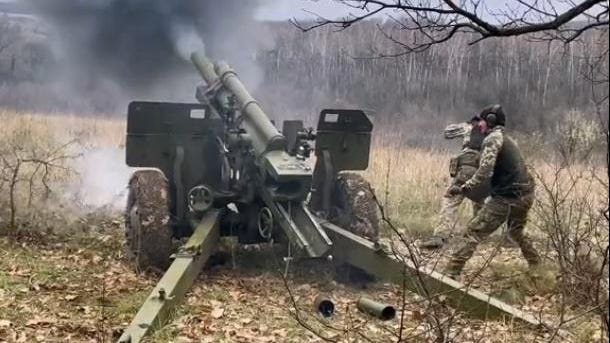
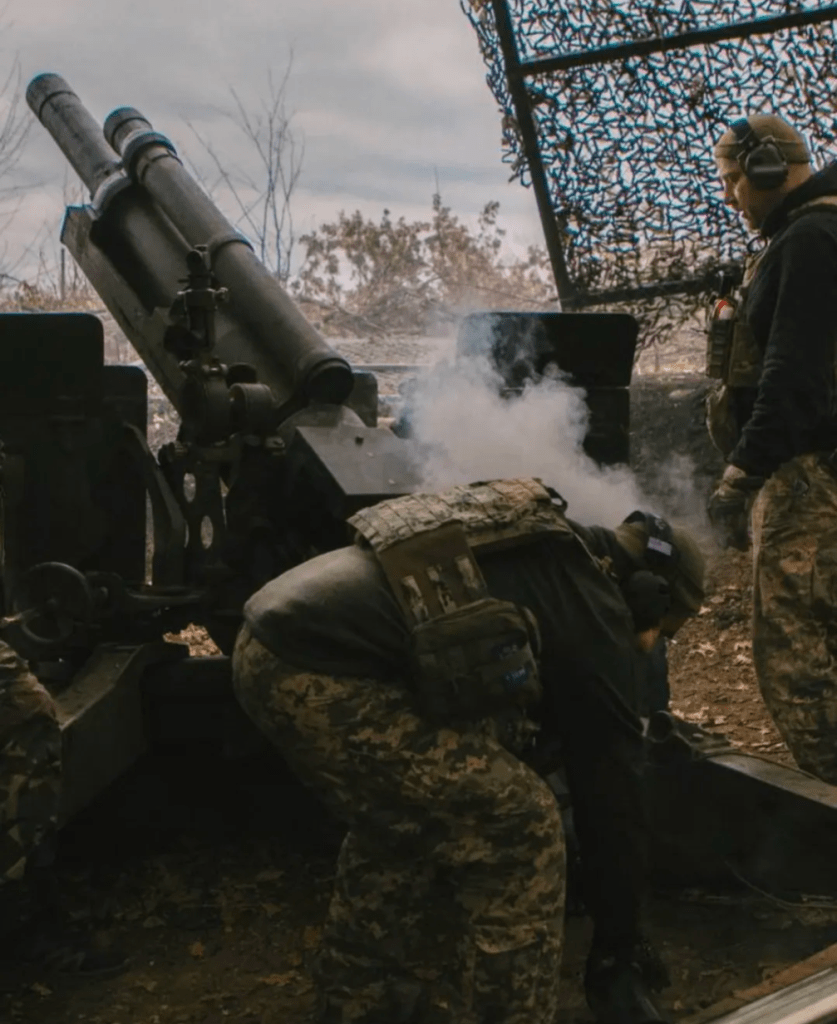
Plenty of old weapon systems are in use in Ukraine and artillery is no exception. This week the first footage of a batch of 105mm howitzers from Lithuania in action was shared online.

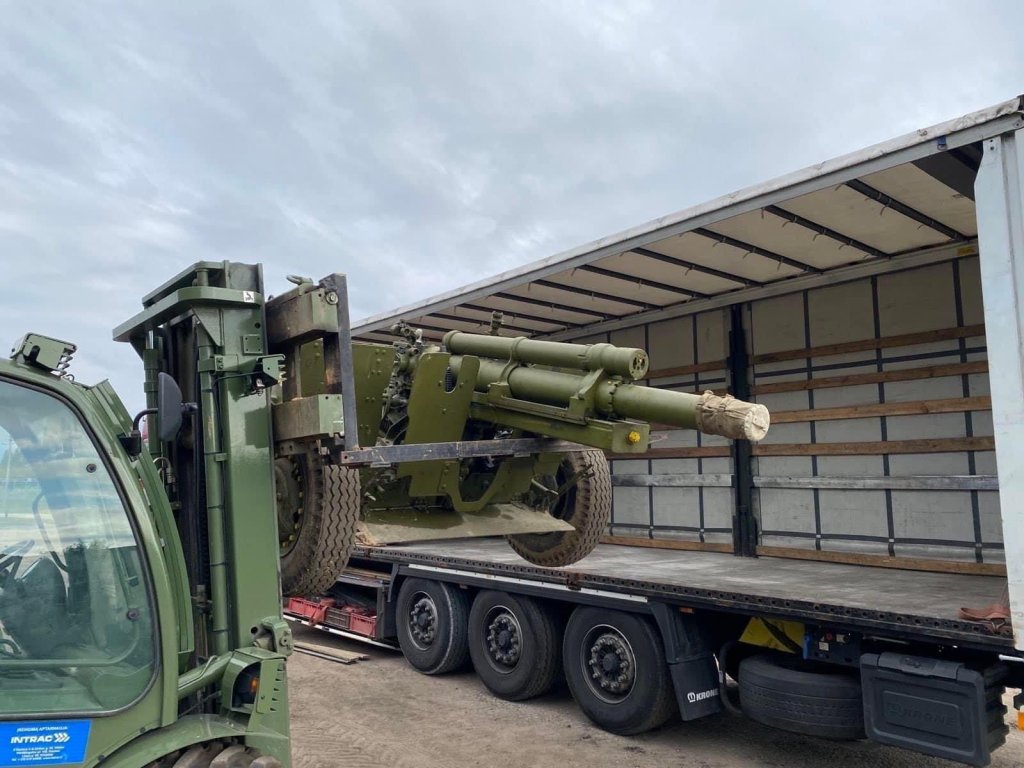
Lithuania has transferred an undisclosed number of M101 towed howitzers. While the 105mm gun lacks the range and punch of the 155mm M777s, Caesars, AHS Krabs and PzH 2000s which have made headlines in recent months, the venerable M101 is a proven weapon.

Introduced in 1941 as the M2A1, the gun has seen service around the world. First during the Second World War and later in Korea, Vietnam and in dozens of regional conflicts around the world. Now it finds itself equipping Ukrainian Army batteries.

The M101 weighs in at 2.5 tons or 2,260 kg and firing conventional M1 high explosive shells has a maximum range of 11,500 metres or just over 7 miles. The M1 round is made up of the  the M1 High Explosive projectile, the M14 Cartridge Case, the M67 Propelling Charges and the M28 Percussion Primer.

The Baltic nation of Lithuania, has been a staunch supporter of Ukraine throughout the conflict providing equipment, arms and training. Lithuania  originally received 54 of the guns from Denmark in 2002. Now, as Lithuania upgrades to 155mm systems the old guns have found a new home. While it is unconfirmed whether Ukrainian troops trained to use the guns in Lithuania, Ukrainian troops have been training in the Baltic nation.

The first guns were shipped in September, with the Lithuanian Minister of Defence announcing the transfer on his social media, but the first footage of them in action in Ukraine didn’t surface until late November.

While the M101 may be old it has the major advantage in that if fires the readily available family of 105mm NATO ammunition. This 105mm ammunition is used by a number of light artillery systems including the more modern US M119A3 and L119 towed 105mm howitzers. As of November 2022, the US has provided 180,000 rounds of 105mm. 

While the M101 may seem like a step down from the 155mm systems in use it has a number of factors which mean the guns are still effective. Firstly, they are used in conjunction with drones which help adjust fire in real time to produce improve effect on target. Secondly, they can use M927 rocket-assisted projectiles which increase the gun’s range by 40%, around 17km. M927’s were first seen in late August being used in conjunction with L119 light guns.

The M101 is certainly an improvement over the 85mm D-44 guns that some Ukrainian Territorial Defense Force units have been seen using and the venerable 100mm MT-12 which has a range of just over 5 miles. While the M101 can’t hope to go toe to toe with Russian 152mm artillery, if used in its original role as an infantry support gun the venerable M101s will prove useful. 


Update 07/12/22: Another short clip of an M101 in action was shared on the 7 December, showing the more closely than previous footage.

Update 12/01/23: Gunners of the 66th Separate Mechanized Brigade practice firing 105mm M101 howitzers.

Update 13/04/23: Some more footage of am M101 in action.

Update – 11/6/23: A rare video of a 105mm M101 howitzer in action. Date and location filmed unknown.

Update – 11/11/23: Another siting of an M101 in action.

Update – 20/06/24: a recent photo of an M101 in a position in the Kharkiv Region.

Update – 9/9/24:

Update – 1/11/24: 71st Brigade with an M101A1. (Source)

Update – 13/12/24: An M101 was seen in service with the 28th OMBR in a series of photos recently shared by the Ukrainian army.


Support Us: If you enjoyed this video and article please consider supporting our work here. We have some great perks available for Patreon Supporters – including early access to custom stickers and early access to videos! Thank you for your support!


Bibliography:

M101s for Ukraine, Arvydas Anusauskas, (source)

Lithuania sends howitzers from its reserve to Ukraine, LRT, (source)

Ukraine Aid Fact Sheet 23 November 2022, US Department of Defense, (source)
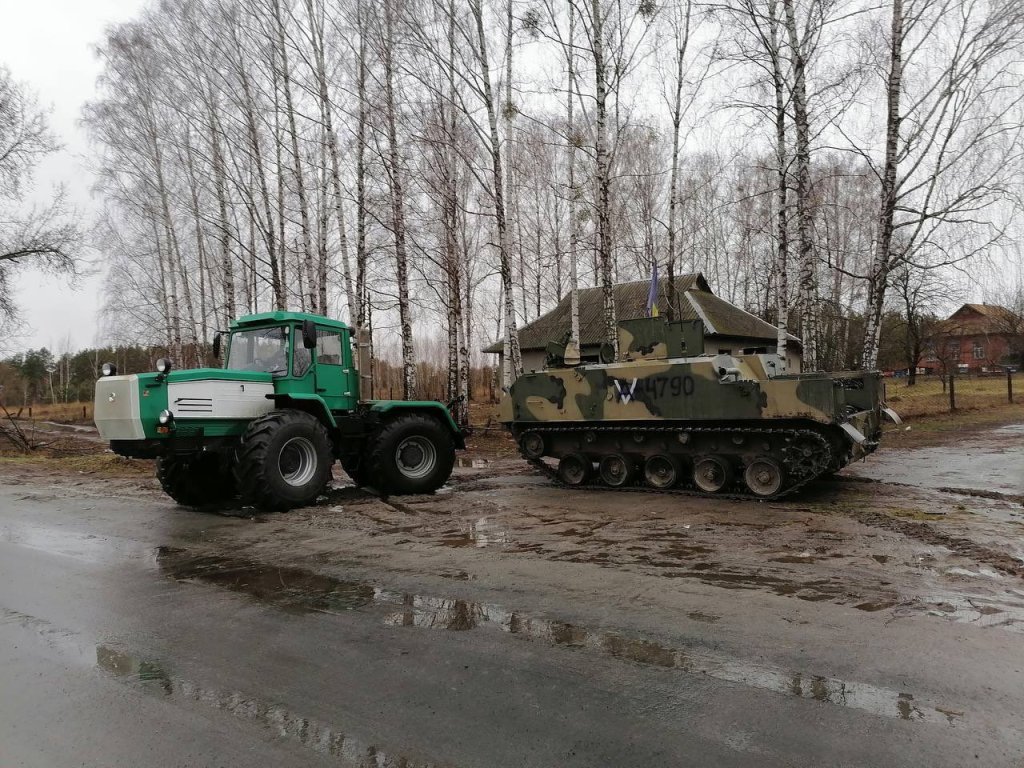
Ukraine received 105mm M927 high-explosive rocket-assisted projectiles, Mil.In.UA., (source)
British Brimstone 2 Missiles in Use in Ukraine

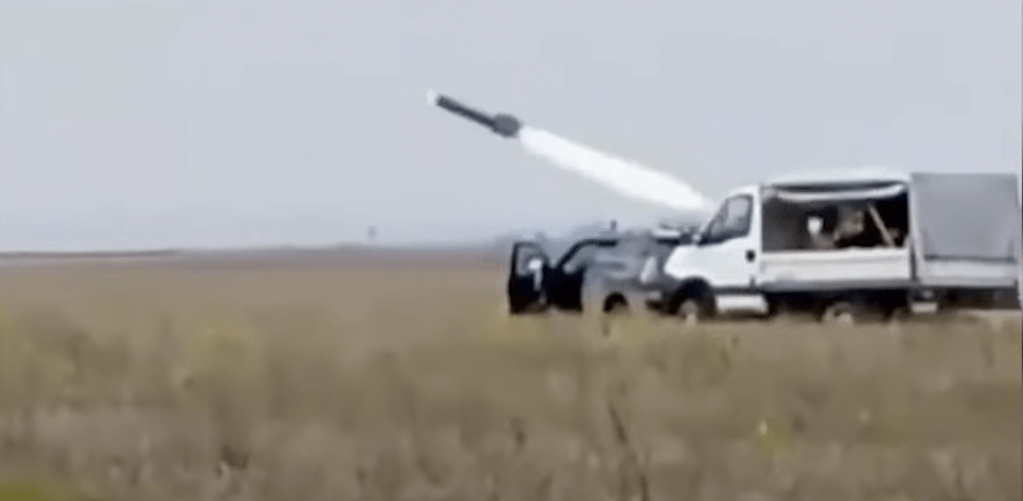
Footage of Brimstone anti-armour missiles being launched in Ukraine surfaced for the first time on 12 May but recent footage points to Ukraine now potentially deploying the Dual Mode Brimstone 2. In this updated video we look at what the missile is capable of, how they came to be in Ukraine and how they have been deployed.

A still from footage of a launch from the ‘Brimstone technical’ with the missile potentially being a Brimstone 2 with a translucent seeker head, shared online in early November (via Social Media)

In our earlier video on Brimstone use in Ukraine we examined the system’s capabilities, history and the new ad-hoc ground launch platforms in use. In this updated video we look at evidence of Brimstone use over the summer and autumn of 2022 and discuss the transfer of Brimstone 2 and its capabilities.

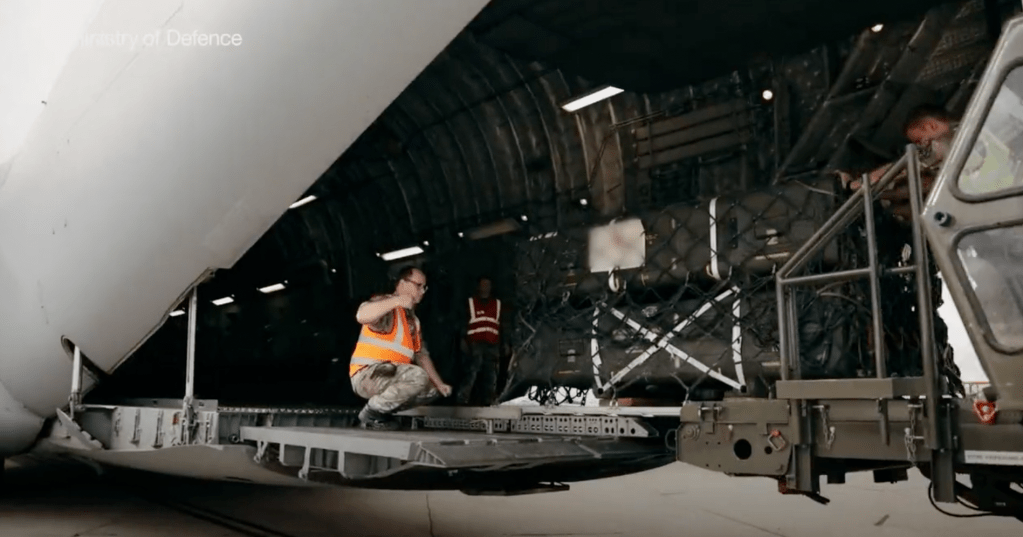
Brimstone 2 missiles being loaded aboard an RAF transport aircraft at RAF Brize Norton – perhaps around 48 missiles appear to be on board. (UK MoD)

The UK Ministry of Defence publicly confirmed the transfer of ‘Brimstone 2 Operational Missile Dual Mode’ to Ukraine on the 27 November with a short video. Dual Mode refers to a variant of the missile which can be used both as a ‘fire and forget’ system but also have a ‘man-in-the-loop’ capability which was originally developed as part of an Urgent Operational Requirement for a low-collateral damage weapon. According to MBDA Brimstone 2 has “an overall increase in performance with improvements in range and engagement footprint”, this is enabled by improved seeker, improvements to the missiles airframe with a more modular design and software updates.

Read the full, updated, article on Brimstone in Ukraine here.


Support Us: If you enjoyed this video and article please consider supporting our work here. We have some great perks available for Patreon Supporters – including early access to custom stickers and early access to videos! Thank you for your support!


Supercut: Ukrainian Farmers Stealing Russian Tanks

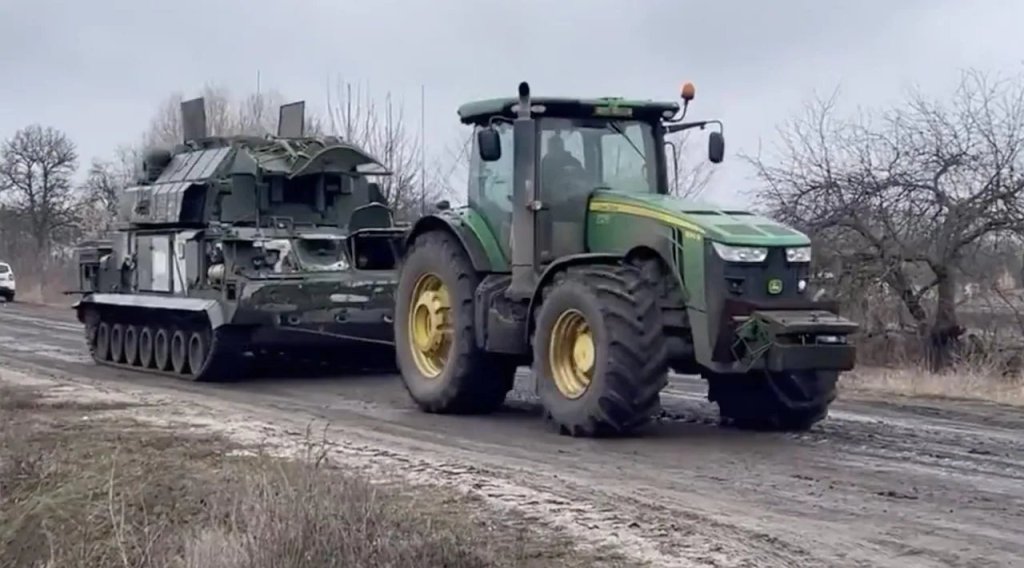
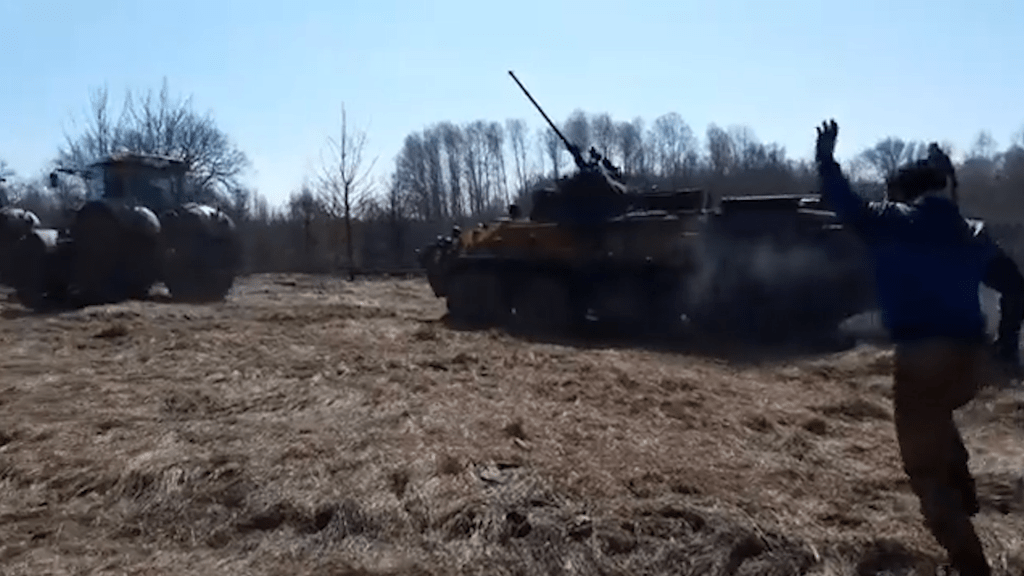
Since Russia’s invasion of Ukraine in late February large quantities of vehicles and equipment have been captured or destroyed on both sides. Fighting a war in the social media age means we have an unprecedented amount of first hand footage and of course from this memes are going to evolve. Almost as soon as the war began videos of Ukrainian farmers towing Russian vehicles began to be shared on telegram, tiktok and instagram. Often salvaging abandoned equipment the videos soon made unlikely heroes of Ukraine’s farmers. So much so they’ve been commemorated not just by Saint Javelin merchandise but also an official stamp from the Ukrainian post office.

I’ve collected quite a few videos of the farmers in action over the last few months and Rob Lee over on twitter has been keeping a running thread too. So here’s a supercut of videos showing Ukrainian farmers towing away everything from trucks to Grad launchers to T-80 tanks!


Support Us: If you enjoyed this video and article please consider supporting our work here. We have some great perks available for Patreon Supporters – including early access to custom stickers and early access to videos! Thank you for your support!


Bibliography:

Famous for towing captured Russian tanks, Ukrainian farmers step up for war effort, CBC News, (source)

Winning design in Ukraine’s second design contest features tractor and tank, Linn’s Stamp News, (source)
Ukraine Celebrates Its Tank-Towing Farmers, VOA, (source)

Ukraine’s New & Improved Home Made Self-Propelled Gun

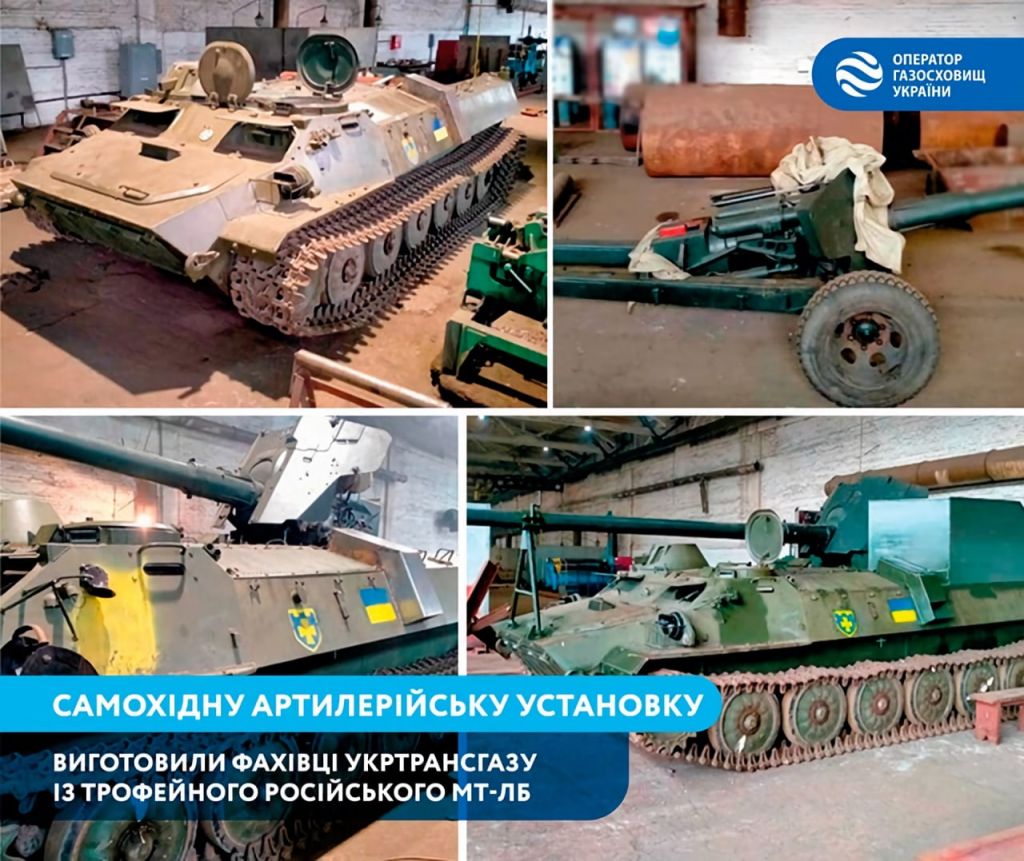
Back in August we took a look at an improvised vehicle built by Ukrainian troops near Mykolaiv. It paired an MT-LB tracked armoured fighting vehicle with an MT-12 100mm anti-tank gun. Now engineers from Ukrtransgaz – Ukraine’s state-owned gas pipeline company, have taken that concept and developed an improved version of the home made self-propelled gun.

On Monday 26 September, Ukrtransgaz shared a post on their facebook page about the new vehicle saying:

“Our colleagues were approached by the soldiers of the TpO [Territorial Defence Forces] detachment with a request for the manufacture of such an installation. The idea of ​​combining an armored personnel carrier and a cannon into an improvised self-propelled gun was borrowed from the Mykolaiv military, which in August produced and successfully tested the first such installation in battle. So they decided to “improve” the trophy Russian MT-LB with the Ukrainian Rapira for their own needs.”

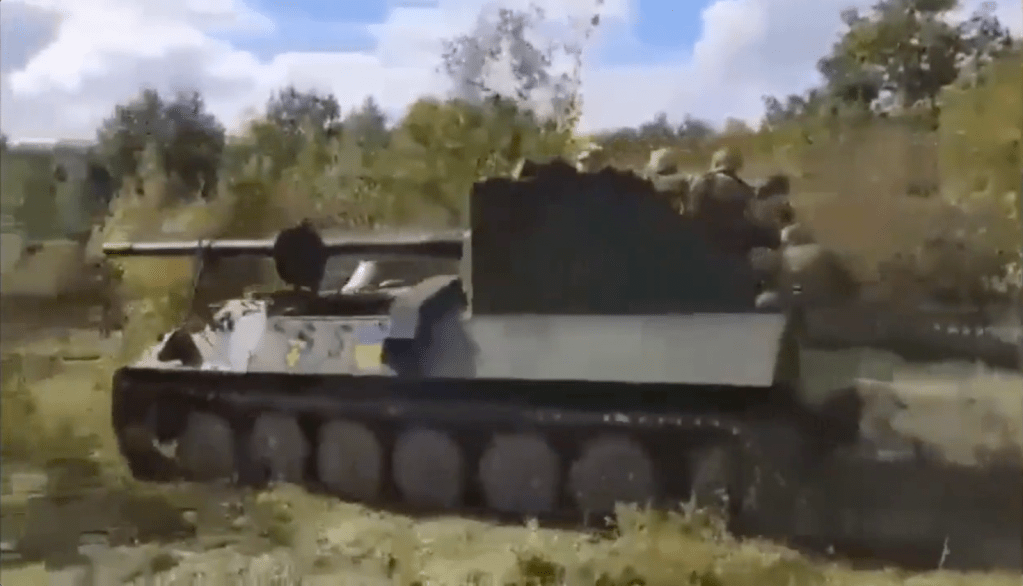
Ukrtransgaz noted that the vehicle took a team of six engineers two weeks to construct. Beneath the facebook post the company also shared a short, sadly low resolution, video of the vehicle being tested. TAB reached out to Ukrtransgaz for a better version of the footage but sadly they didn’t have one available.

The team behind the gun had assistance from an unnamed ‘specialized university’ who helped increase the gun’s elevation, which is normally capped at +20°, and in theory increase the gun’s range. It’s unclear which ammunition is being used with Ukraine’s MT-12s, whether it’s APFSDS or HEAT.

The company states that the vehicle is ready for operations and has successfully passed tests on the range, ready to be deployed. They also note that the team intends to manufacture at least two more such self-propelled guns.

Examining the Ukrtransgaz SPG we can see that the roof of the MT-LB has again been cut back but the the mounting of the gun is slightly higher and armour protection has been built up around the sides for the gun crew. From the footage shared we can see that theres room for around six troops to sit in the rear of the vehicle. Unlike the earlier Mykolaiv-built vehicle there does not appear to be the pair of hydraulic supports to stabilise the vehicle when firing.


Update 15/12/22: A video from the Ukrainian government’s United24 project showcased a further example of the homemade MT-LB mounted anti-tank gun vehicles. This time mounting the older T-12 100mm anti-tank gun, the T-12 is the predecessor to the MT-12 and uses the same family of ammunition. The vehicle seen in the video is on operations around Bakhmut, acting as a self-propelled gun. It lacks the armour shield to protect the gun crew seen on earlier examples of the homemade MT-LB based vehicles but it does have the supporting struts at the rear of the vehicle.

Update 23/12/22: Another interesting undated video of one of Ukraine’s MT-LBs with a 100-mm gun MT-12 mounted. Note the movement of the vehicle on firing, this example has the support struts at the rear of the vehicle, to minimise this and remove the need to re-lay the gun, but they have not been deployed. Unlike the version seen in the 15 December update this version utilises the MT-12s original gun shield but does not have additional protection added.


If you enjoyed this video and article please consider supporting our work here. We have some great perks available for Patreon Supporters – including custom stickers and early access to videos! Thank you for your support!

PK-14 Directional Mines In Ukraine

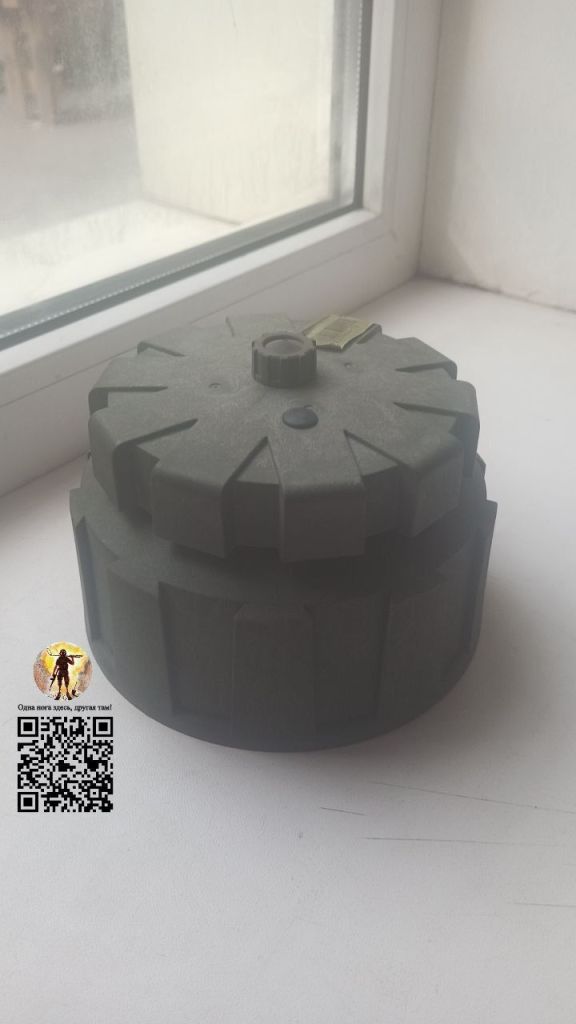
Recently another interesting anti-tank mine was spotted in use in Ukraine. The Estonian PK-14 or M14 directional mine appeared in photographs which were shared online around 9 September. The PK-14 is a directional mine capable of penetrating about 50mm of armour at a distance of 50 meters.

Photos of the PK-14 in the field were shared for the first time on 9 September (via Social Media)

Unlike the German DM22, which is also in service with Ukrainian forces, the PK-14 utilises the Misznay–Schardin effect with 1.5kg charge of PBX used to create an explosively formed penetrator. The PK-14 is capable of damaging most light IFVs and AFVs. It can be set up on a small tripod or even mounted to a tree, telephone poll or post – useful for attacking targets from above.   

The Estonian defence company who manufactures the mine list it as both the PK-14 and M14.  The mine is produced by Terramil under license from another Estonian defence company, Eesti Arsenal, who also offer several training systems.

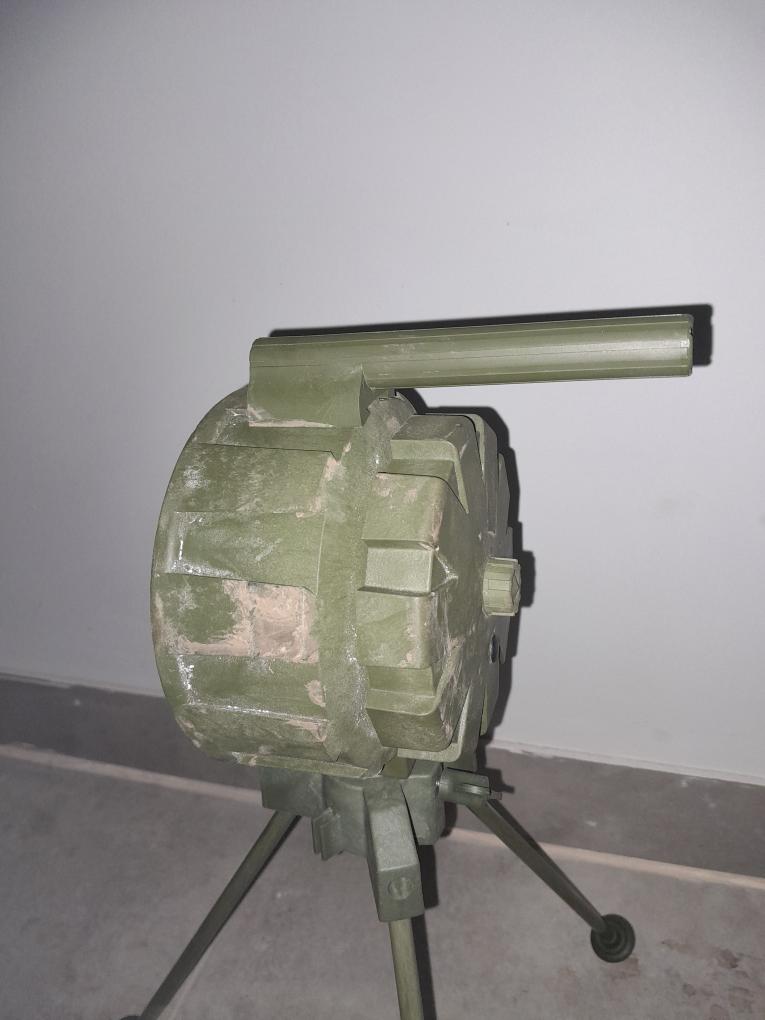
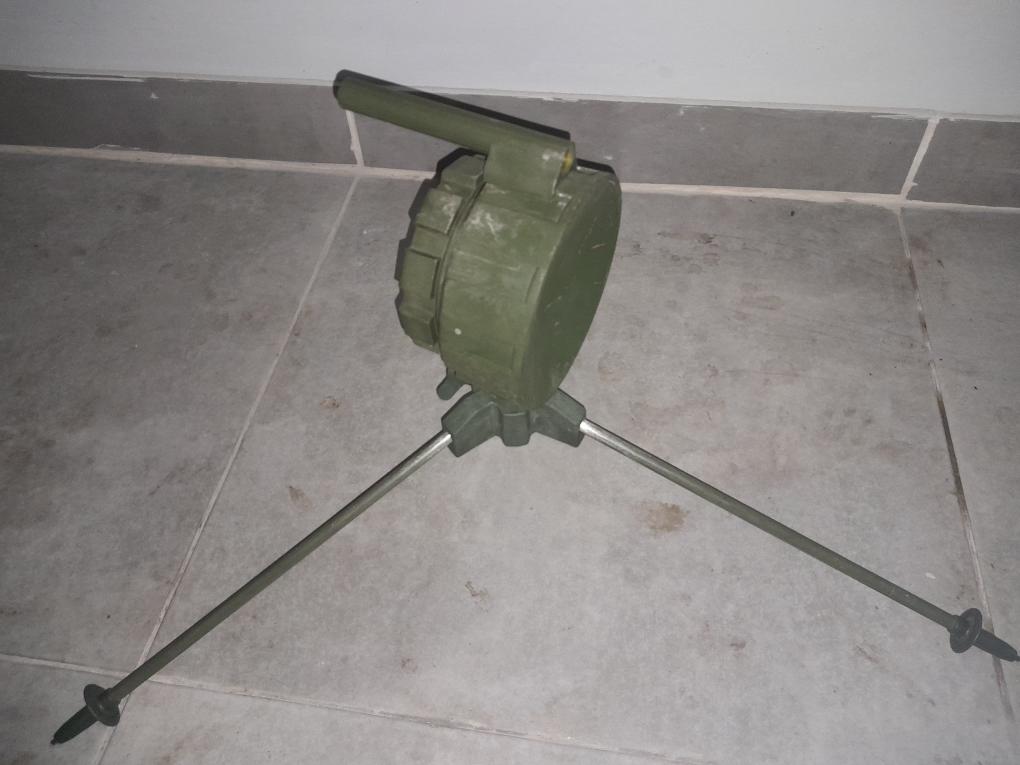
The PK-14 assembled (nucking_futs_yuri)
The PK-14 assembled, tripod in the tall configuration (nucking_futs_yuri)
The PK-14 assembled, tripod in the low configuration (nucking_futs_yuri)

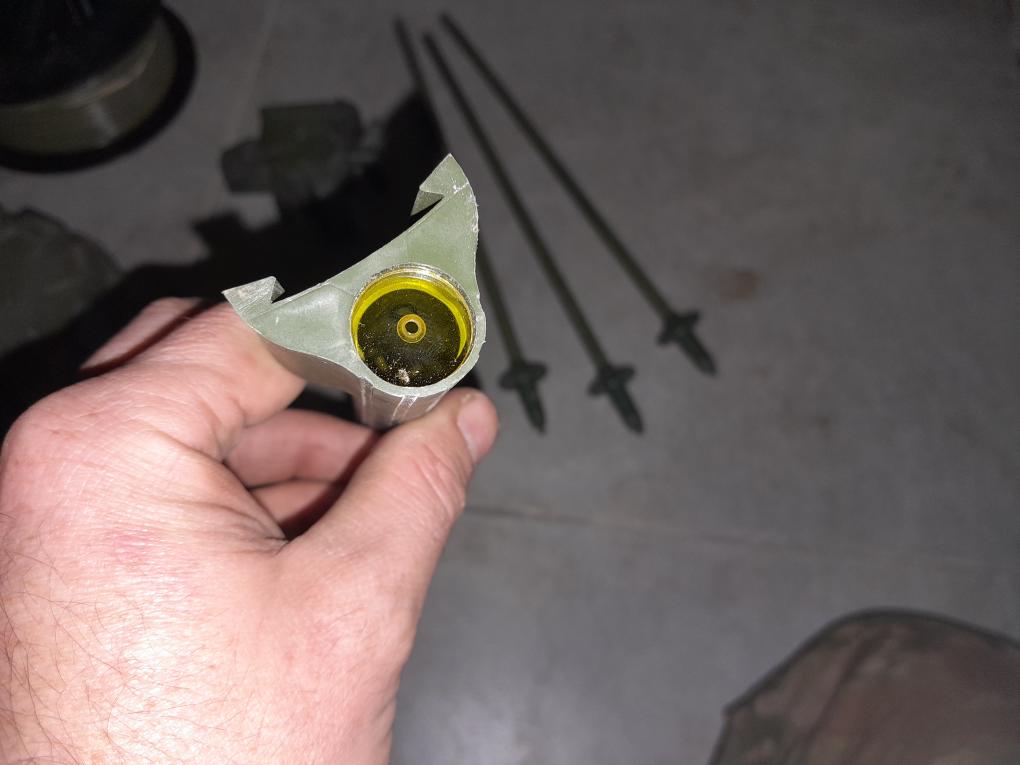
The PK-14 has a diopter sight which attaches to the top of the mine and allows it to be laid across the expected path of a target. The sight itself is a inexpensive moulded plastic tube with a narrow aperture which was described to us by an American serving with the Ukrainian armed forces as looking “like a scope you would find on a cheap toy gun at the corner store”. The mine’s casing is cleverly designed with a series of grooves that allow the sight to be slid into place and for the mine itself to be mounted on its tripod.

The PK-14’s sight tube (nucking_futs_yuri)

This instructional video from the manufacturers shows how the mine can be set up. The mine is command-initiated using a shock tube integrated system (STIS). This means that the mine isn’t tripped by a wire like the German DM-22 or by movement as in the Russian PTKM-1R, but in person by an operator. In practice the operator would set up the mine at a location the enemy is expected to pass, unspool the shock cord back to a concealed position and wait for the enemy vehicle to move within range of the mine.

In theory it is possible to rig the mines up with a makeshift pressure plate detonation system you could take the pressure plate from a conventional anti-tank mine like a TM-46 or TM-57 and wrap some detcord with a blasting cap at the end around it so when a vehicle rolls over it detonates the mine. The mine can be set up to strike from above so it hits the tank’s weak top armour or buried in the middle of the road so it can strike up through the vehicle’s belly armour.

The PK-14’s basic components (nucking_futs_yuri)

Special thanks to nucking_futs_yuri, who is best known as the turret gunner who ran an M2 Browning and was handed some AT4s by his vehicle crew when he called for more ammunition in a recent viral video. Yuri has provided photos and video of a PK-14 in his units inventory. Check out his video showing the components of the mine here.

It’s a small, affordable mine but it is currently unknown how many PK-14 mines have been sent to Ukraine but Estonia, along with the other Baltic states, has been a significant supporter of Ukraine since before Russia’s invasion in February. Estonia began procuring the mines for the Estonian Defence Force in 2015.

nucking_futs_yuri’s video showing the components and set up of the PK-14

In terms of how they may be deployed in Ukraine, the small size and light weight of the PK-14 may be useful for small Ukrainian reconnaissance and special forces teams operating behind Russian lines. Yuri explained that they’re preferred over convention Soviet TM mines as they’re lighter, he stated that:

“normally we each take 2 or more with us, set up our ambush and wait. We could mount them high if need be and get the top of the turret or even bury them in the middle of the road… so it explodes under the center of the tank.”

Check out Yuri’s YouTube channel and Instagram page.

Update – 7/2/23: A recent photograph of a PK-14 in the field.

Update – 18/09/24: A rare sighting of a PK-14, reportedly said to be in Ukraine.


If you enjoyed this video and article please consider supporting our work here. We have some great perks available for Patreon Supporters – including custom stickers and early access to videos! Thank you for your support!


Bibliography:

PK-14 Landmine, CAT-UXO, (source)

‘The “smart” mines produced by an Estonian company will receive their first combat missions in Ukraine’, Forte, (source)
Anti-armor mine PK-14, Terramil, (source)
PK-14 Side Mines, Eesti Arsenal, (source)