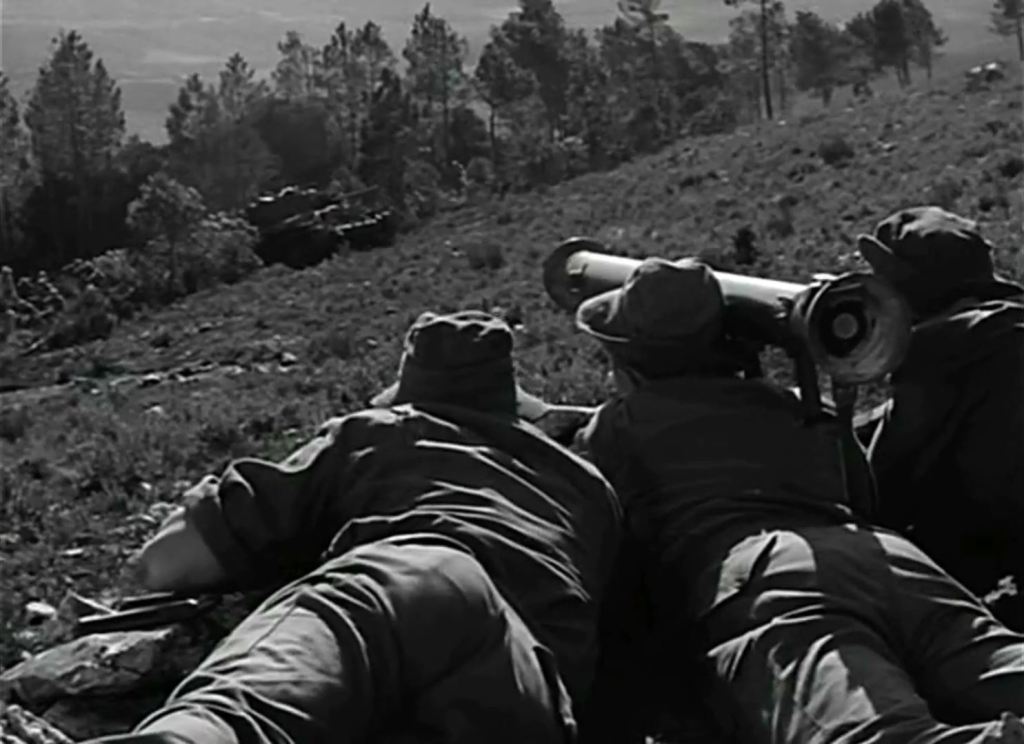
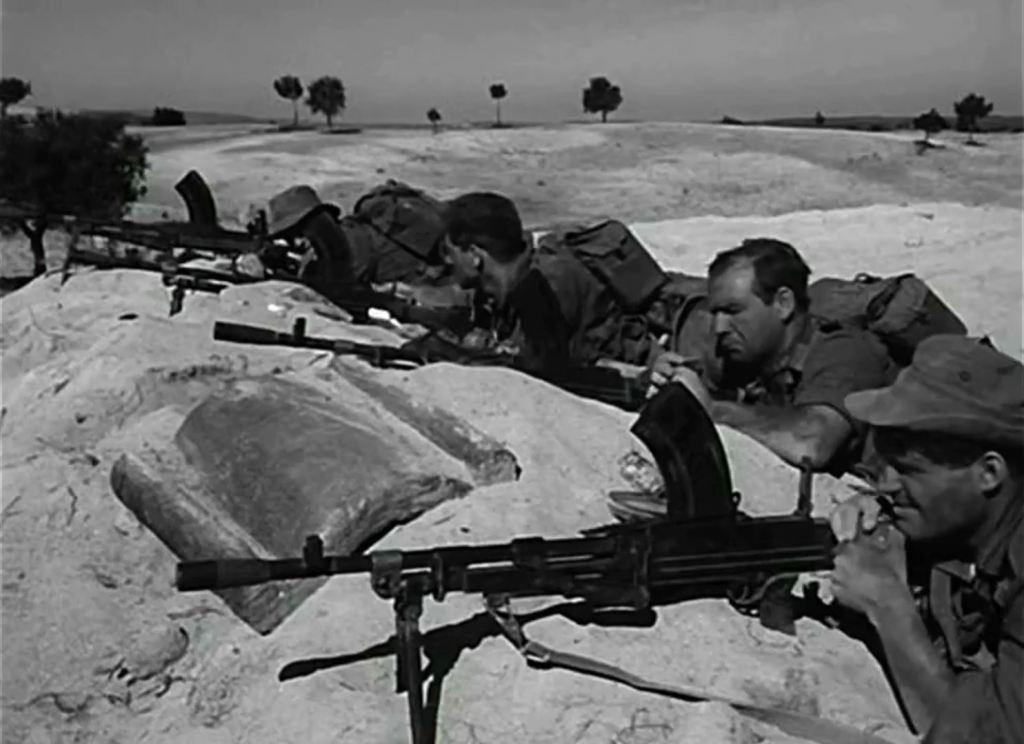
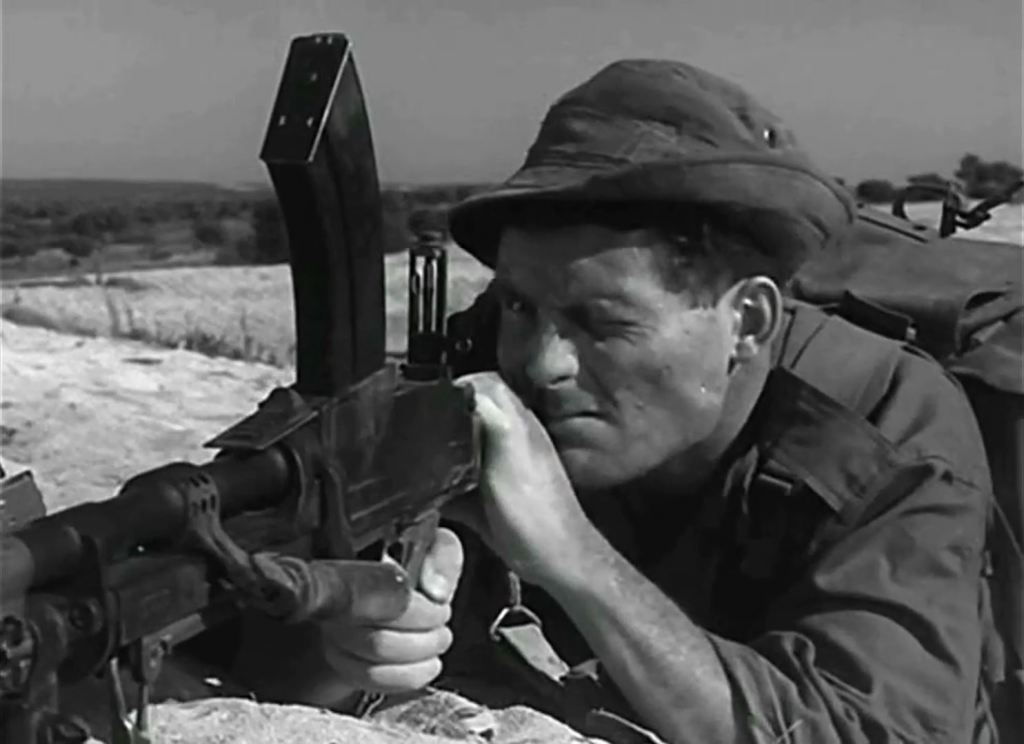
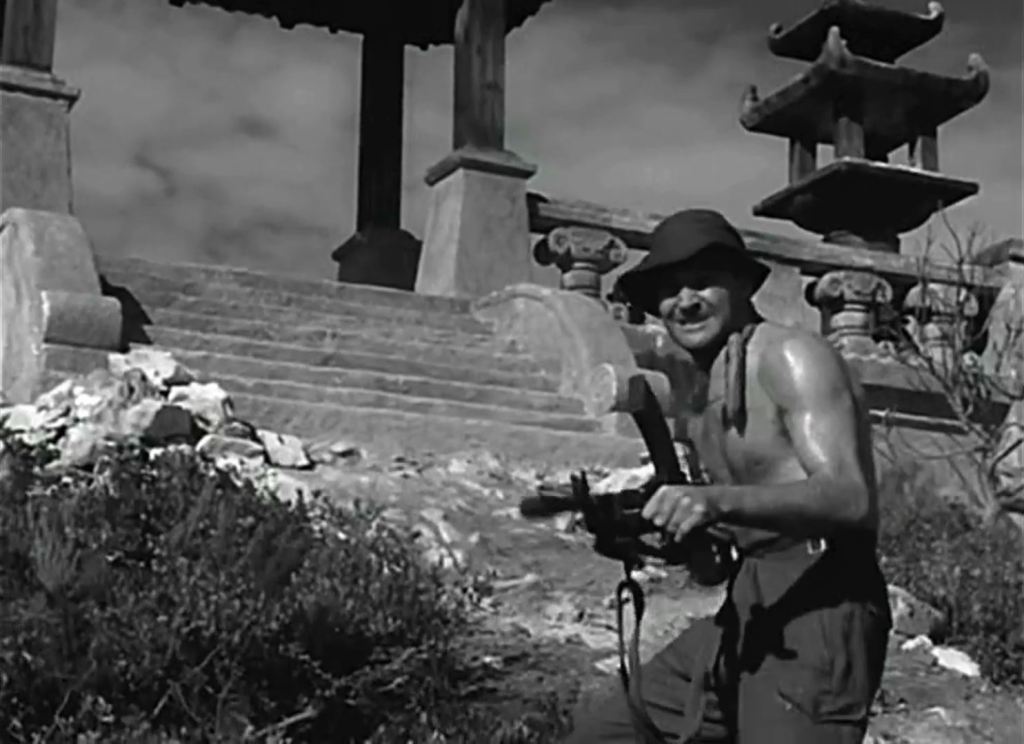
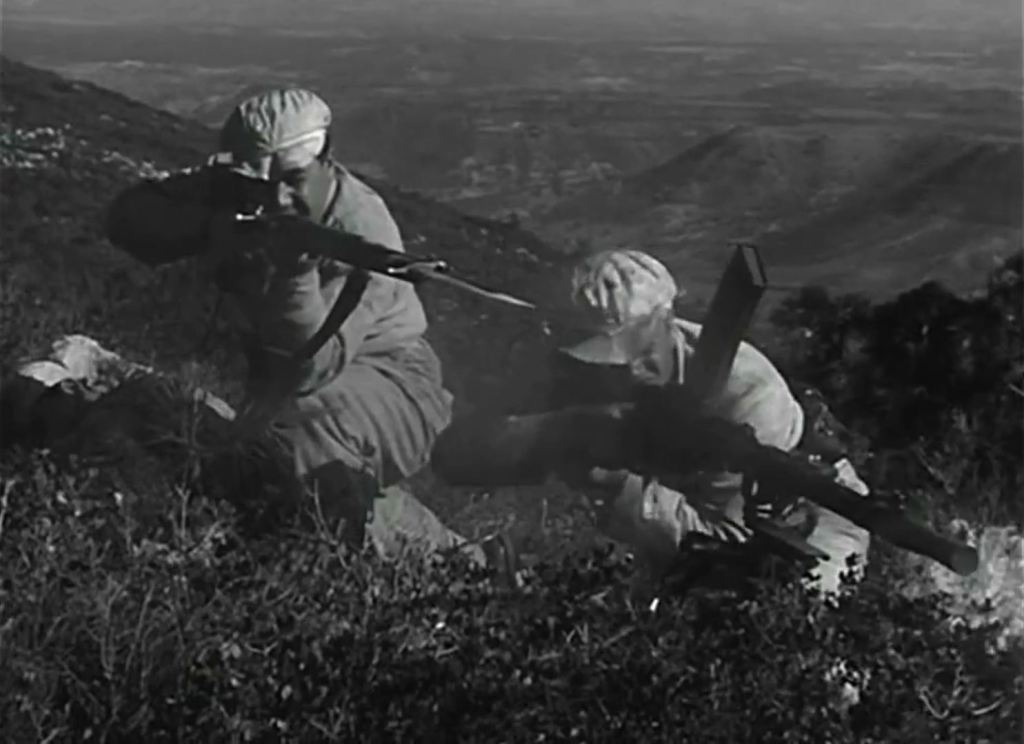
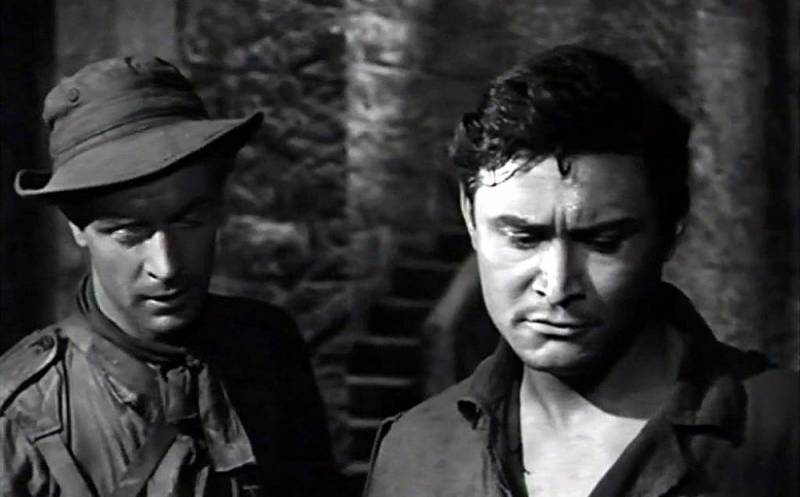
This week we return to Korea. Following on from our look at ‘A Hill In Korea‘ a couple of weeks ago, in this episode we discuss ‘Men in War‘ (1957). Based on Van Van Praag’s 1949 novel ‘Day Without End‘ and directed by Anthony Mann, ‘Men in War‘ follows a platoon of US soldiers which have been cut off by sudden North Korean advances. They must fight their way to their objective. Starring Robert Ryan and Aldo Ray, tension rises throughout the film climaxing with a hard fought infantry battle to take an enemy held hill.
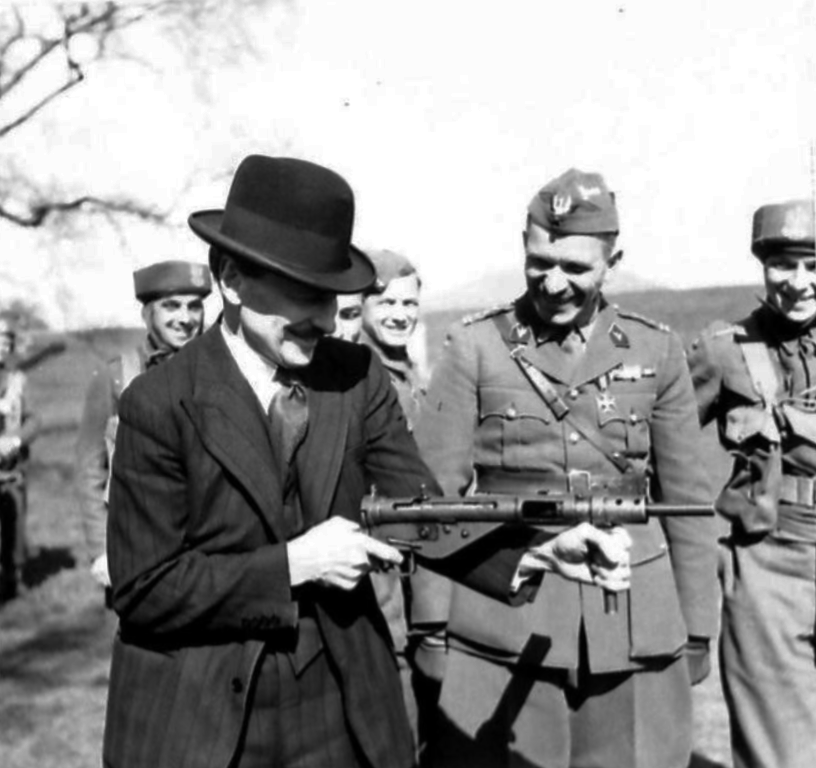
I was recently I was taking a look through the Imperial War Museums’ online image collection when I found a pair of very interesting photographs taken in Scotland in April 1942. They show Deputy Prime Minister Clement Attlee handling a STEN MkII submachine gun while visiting Polish troops. Most interestingly though is the folding front grip which has been added to the Sten!
Clement Attlee with STEN MkII (Imperial War Museum)
The MkII, introduced in August 1941, did not have a folding front grip as standard. The earlier MkI had had a front folding grip, but the MkI*, introduced in October 1942, had eliminated this to speed up production. The original caption of this photo reads:
“Mr Attlee tries the weight and feel of the Sten Sub-machine gun used by the Paratroops.”
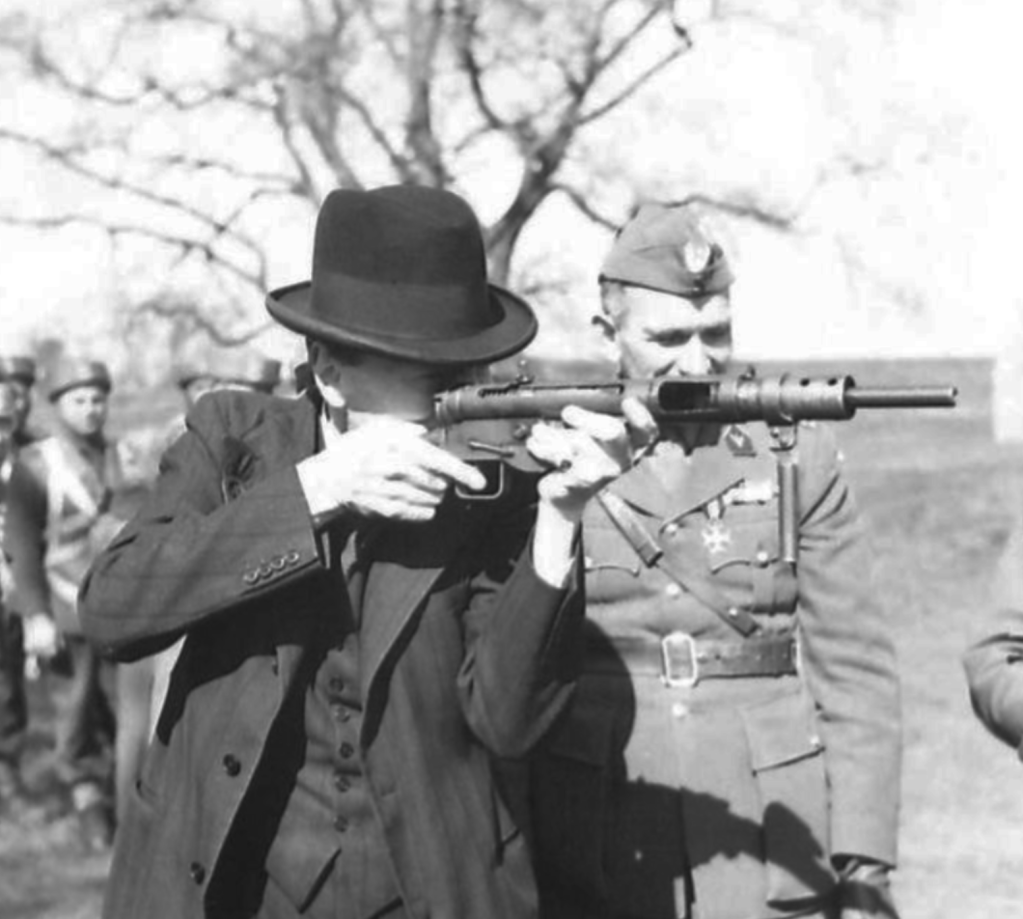
Attlee was visiting the 1st Polish Independent Parachute Brigade during a visit to the 1st Polish Corps) at Cupar in Scotland. In the photos he’s accompanied by Colonel Stanisław Sosabowski, the commander of the brigade. In this second photograph, Attlee is holding the Sten by its trigger mechanism cover and we can see the folding grip more clearly.
Clement Attlee with STEN MkII (Imperial War Museum)
It appears to be made up of a band of steel which slid onto the barrel nut housing – much like the later MkV foregrip. The grip appears to possibly pivot on a rivet and the grip itself appears to be tubular metal. Sadly the photos are fairly low resolution so we can’t see too much more detail.
These were the only two photos of the grip I could find and I haven’t yet been able to find any documentary references to them. It may be that the grip was experimental and provided to the Polish paratroops for testing or it was an adaptation unique to the unit – perhaps something the unit’s armourer made. I’ll need to do more research in the future to try and find out more about the curious STEN accessory!
For more on the STEN check out our video on the origins of the STEN and it’s name below:
Bibliography:
The Polish Army In Britain, 1940-1947 series, Imperial War Museum, H 18884 & H 18883
If you enjoyed this video and article please consider supporting our work here. We have some great perks available for Patreon Supporters. You can also support us via one-time donations here.Thank you for your support!
I came across some intriguing newsreel footage while doing some archival digging that shows an Allied M3 medium tank pitted against a German Panther! What do you think?
Bibliography:
Deutsche Wochenschau newsreel, August 1944, via United States Holocaust Memorial Museum, courtesy of National Archives & Records Administration, (source)
Gurkha Battle in the Imphal Area, Indian Inter-Service Public Relations Directorate via IWM, (source)
If you enjoyed this video and article please consider supporting our work here. We have some great perks available for Patreon Supporters. You can also support us via one-time donations here.Thank you for your support!
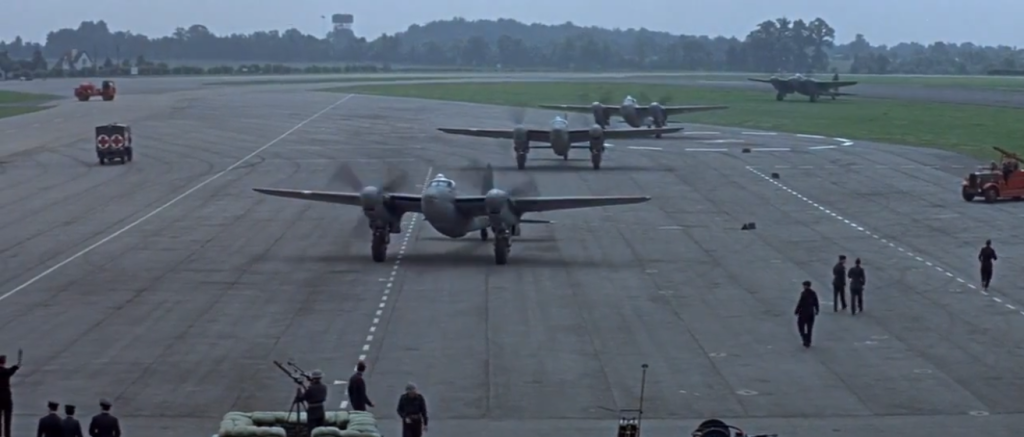
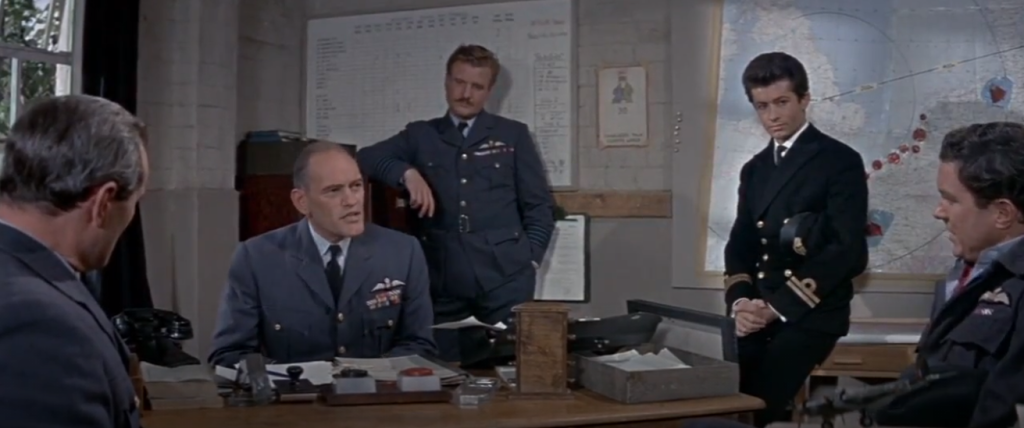
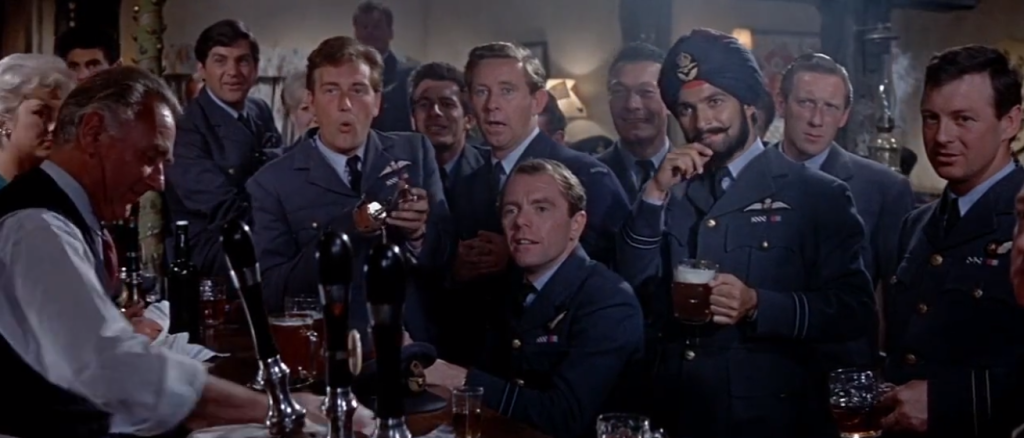
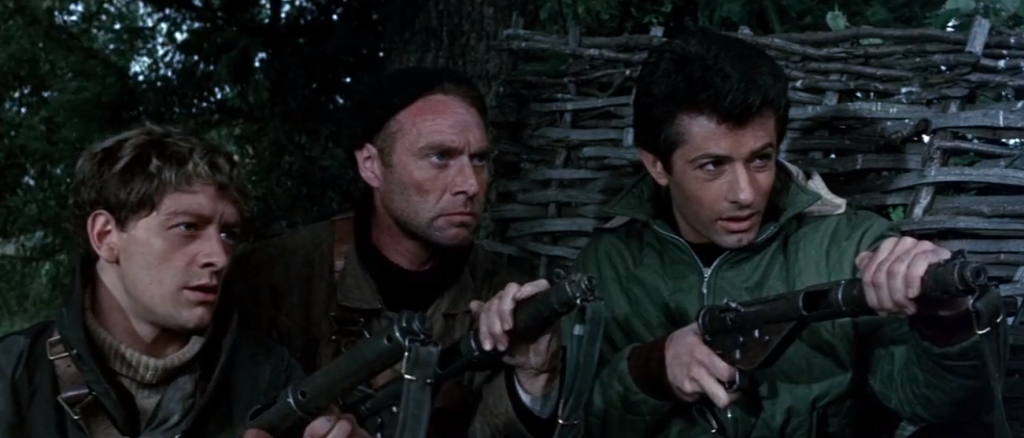
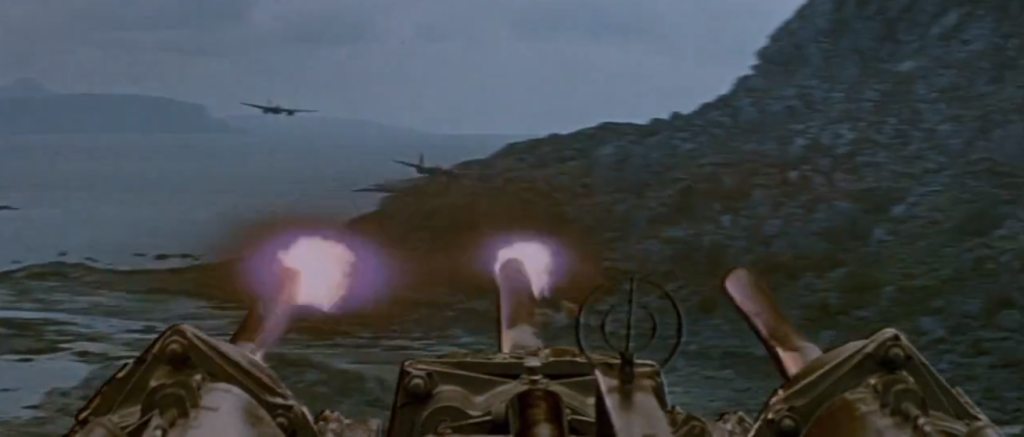
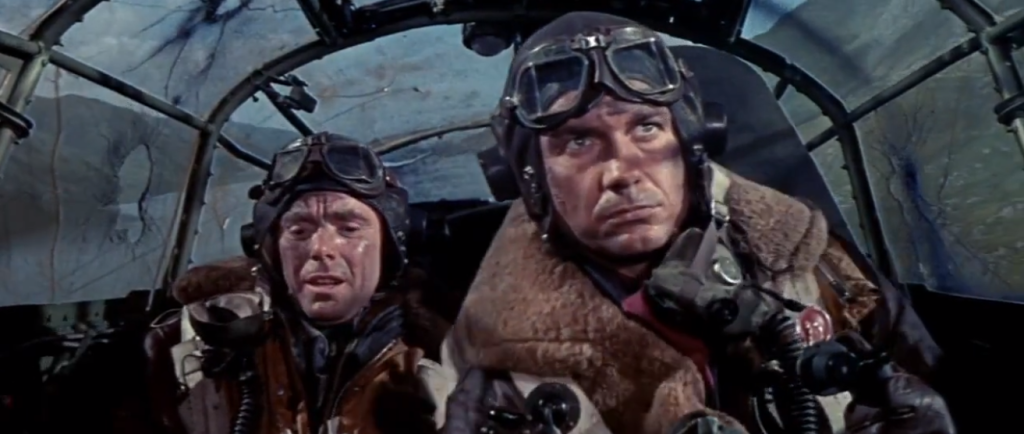
Join us this week as we slip on our flight suits, climb into our cockpits and fire up our Mosquitos for 1964’s 633 Squadron. The squadron is tasked with a secret mission to destroy an enemy factory. The film is based on a book by Frederick E. Smith and stars Cliff Robertson, George Chakiris, Harry Andrews and Angus Lennie.
Today we have a bit of an interesting unpacking/unwrapping video. I’ve saved up a few parcels with some new additions to the TAB reference collection and I thought I’d bring you along for the ride. The manuals we’ll be taking a look at span about 60 years of British Army doctrine and weapons. The materials range from a Hotchkiss machine gun manual from 1917 to an AFV identification handbook from the late 60s. There’s some quite interesting and rare stuff here including a 1951 provisional manual for the 3.5in rocket launcher.
These manuals and this sort of primary material is really important because we can learn how the weapons were actually intended to be used. It’s support from our Patreon supporters that enables us to pick up items like these to share in videos. So if you’d like to support our work, check out the TAB Patreon page here.
This week marks the 70th anniversary of the Battle of the Imjin River. To commemorate this we look the only film to be made about the British Army’s experience during the Korean War 1956’s A Hill In Korea (Also known as Hell In Korea). The film features a stellar cast including Stanley Baker, Harry Andrews, Robert Shaw, George Baker, Harry Landis and a young Michael Caine in his first film role.
This week marks the 70th anniversary of the Battle of the Imjin River, the Korean War battle perhaps most closely associated with the UK’s involvement in the conflict. Sadly, Korea remains a largely forgotten war and only one film has ever been made about the British Army’s experience 1956’s ‘A Hill In Korea‘. In this video we’ll discuss the battle, the super bazooka and the classic war film!
The film follows a fighting patrol which is cut off behind enemy lines and forced to fight a desperate last stand. The film borrows elements from the battle of Imjin River and the war as a whole. Today it is best known for its strong cast including Stanley Baker, Robert Shaw, Harry Andrews and George Baker and for being Michael Caine’s first film credit. Interestingly, Caine was a veteran of the war, having served with the Royal Fusiliers during his National Service.
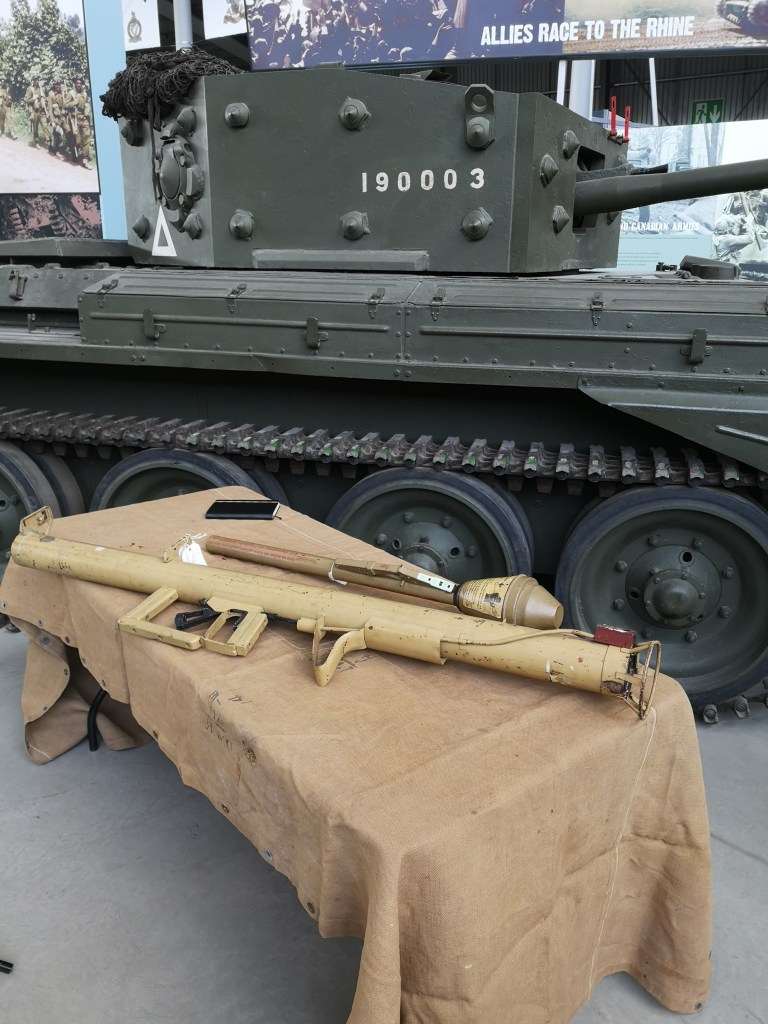
We recently covered the film in an episode of our Fighting On Film podcast and a scene featuring a 3.5in Rocket Launcher stood out. The patrol uses the rocket launcher against a Chinese tank, which appears to be a captured British Cromwell. The film shows the bazooka being assembled and its team moving closer, stating that to be sure of a hit they want to be just 80 yards away. This is comparatively close for a 3.5in rocket launcher, which had an effective range of 300 yards.
The Bazooka team take on the Chinese Cromwell
The 3.5in was a brand new weapon in 1951. It had been developed in the US before the start of the war and facing communist T34/85s it was rolled out to most of the UN ground forces in the theatre (alongside recoilless rifles and smaller M9A1 rocket launchers). Better known as the M20 Super Bazooka in US service urgent operational requirements saw the 3.5in R.L. replace the PIAT as the British infantry’s platoon anti-tank weapon. In the TAB reference collection we are lucky enough to have an original copy of the provisional manual for the 3.5in R.L. which was compiled during the war in 1951.
The anti-tank team who operate the 3.5in R.L. in the film
The film shows the weapon being fired twice, successfully knocking out the tank. It’s perhaps the only depiction of British troops using the 3.5in rocket launcher and certainly one of the better depictions of it in film. We don’t get to see the rocket being loaded but we do see the No.2 attaching the contact wires at the rear of the tube. The first round hits the tank’s hull while the second strikes the track and the tank rolls backwards and explodes! Once the rocket launcher team get back to the main defensive position we even see the No.1 breaking the weapon down into its too parts.
During the battle of Imjin River itself, the bazooka was put to good use by a number of units including the Gloucestershire Regiment, the Royal Ulster Rifles and the Belgian battalion. Using the weapons to knock out Chinese machine gun positions and break up the human wave assaults. During an attack on Gloster positions in the early hours of the 22nd April, Lance-Corporal Joe Farrell recalled how the Glosters blasted Chinese troops using some boulders as cover. After three days desperate fighting the 29th Infantry Brigade had lost almost a quarter of its strength, suffering over 1,000 casualties. The rest managed to fight their way out.
Royal Northumberland Fusiliers advancing to positions on the Imjin River, April 1951, (IWM)
I felt it was important to discuss the battle on its 70th anniversary as it sadly continues to be largely forgotten. The Glosters and the men of 29th British Independent Infantry Brigade Group fought a very hard battle against massively overwhelming odds, I would definitely urge you to read more about the battle and the war itself. I would also recommend seeking out A Hill In Korea, it is a fascinating film.
If you enjoyed this video and article please consider supporting our work here. We have some great perks available for Patreon Supporters. You can also support us via one-time donations here.Thank you for your support!
It’s essential for soldiers to know how to use and maintain their weapons properly. We’ve been collecting training manuals, pamphlets and handbooks (as part of the TAB reference collection) to give us a wider understanding of how troops were trained and how they used their weapons.
In this video we take a look at the British Army’s 1942 small arms training pamphlet for the ‘Thompson Machine carbine’.
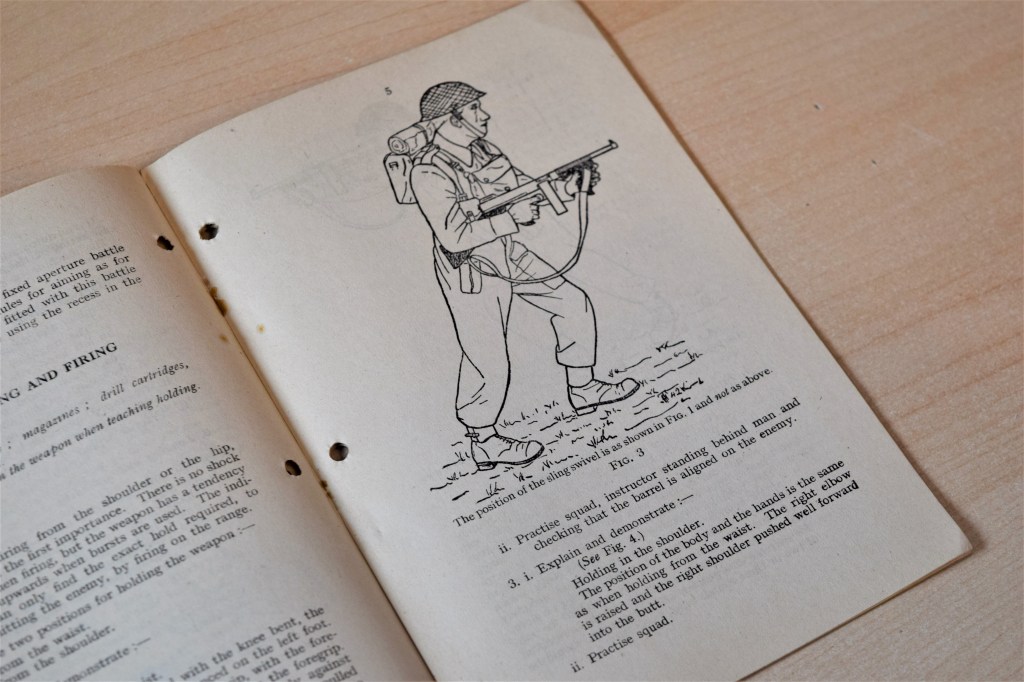
Diagram showing firing the hip (Matthew Moss)
The pamphlet, issued in July 1944, is written for instructors to train troops how to handle, maintain and use the Thompson. The pamphlet was eventually superseded by one covering both the STEN and Thompson.
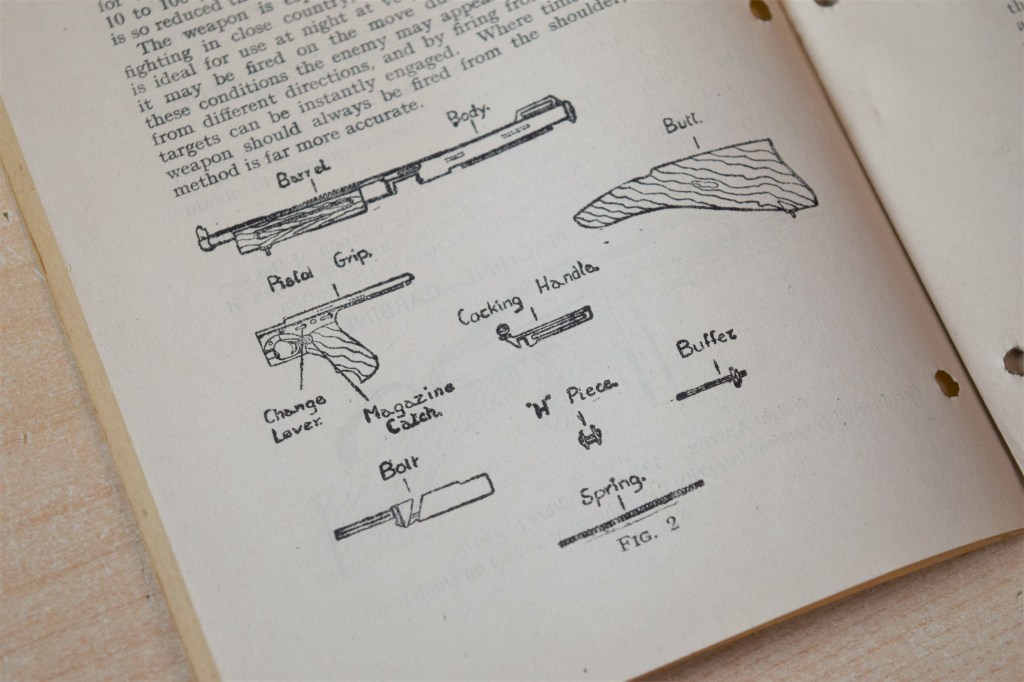
Diagram showing the Thompson Machine Carbine disassembled (Matthew Moss)
The pamphlet is just 12 pages long but includes some interesting insights and an appendix looking at the ‘spotlight projector’ training instrument.
If you enjoyed these videos and this article please consider supporting our work here. We have some great perks available for Patreon Supporters. You can also support us via one-time donations here.Thank you for your support!
Here’s a behind the scenes look at the filming Matt did at The Tank Museum for the upcoming ‘Rhineland 45 – Decision in the West’ documentary being produced by Realtime History, the guys behind The Great War!
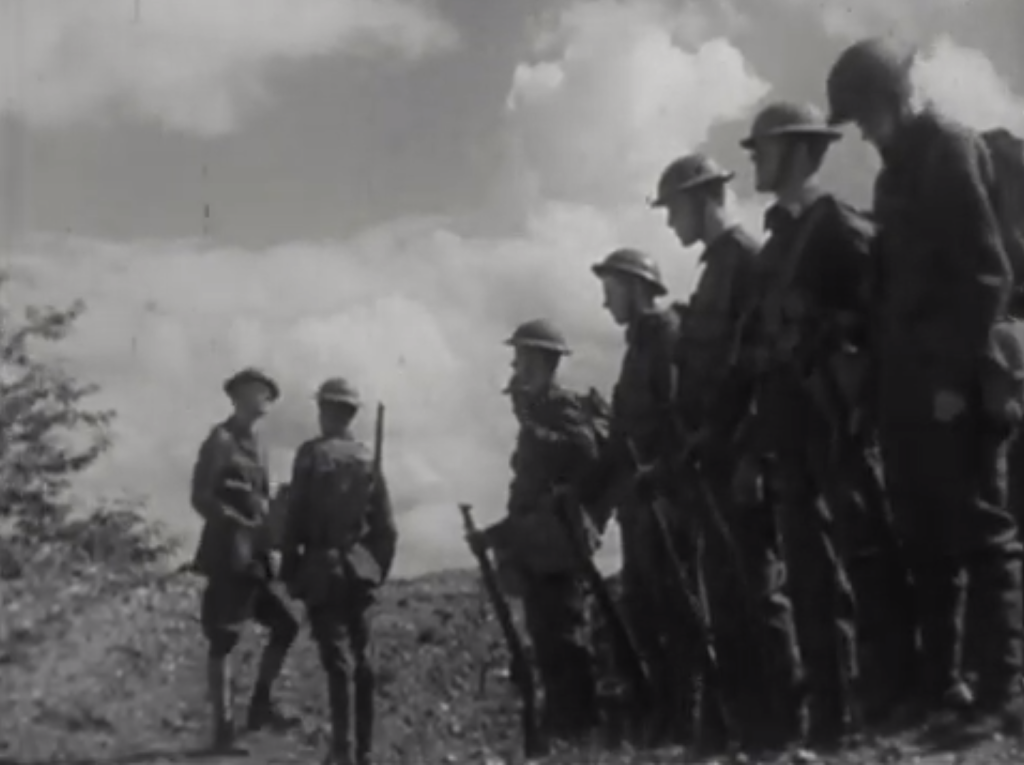
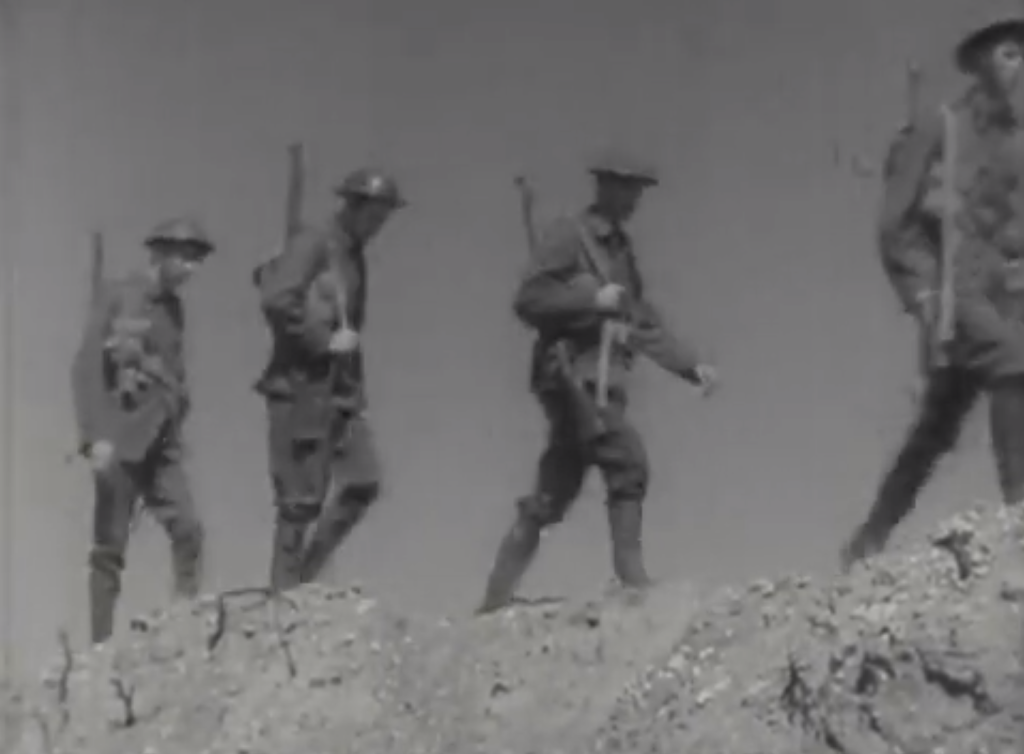
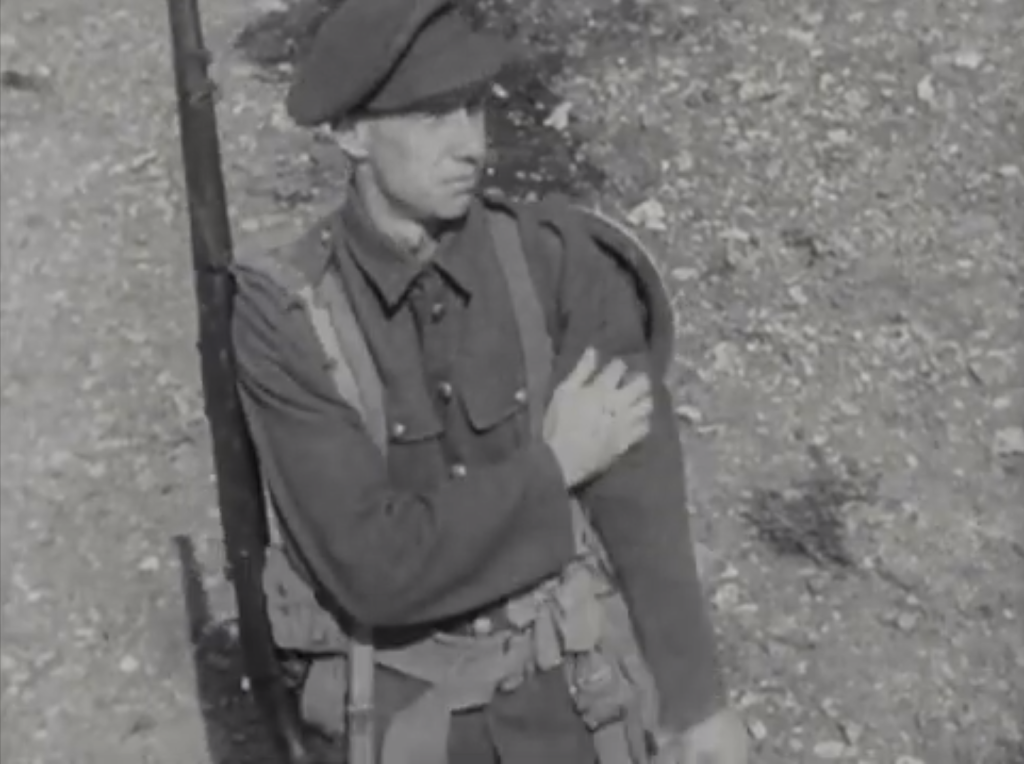
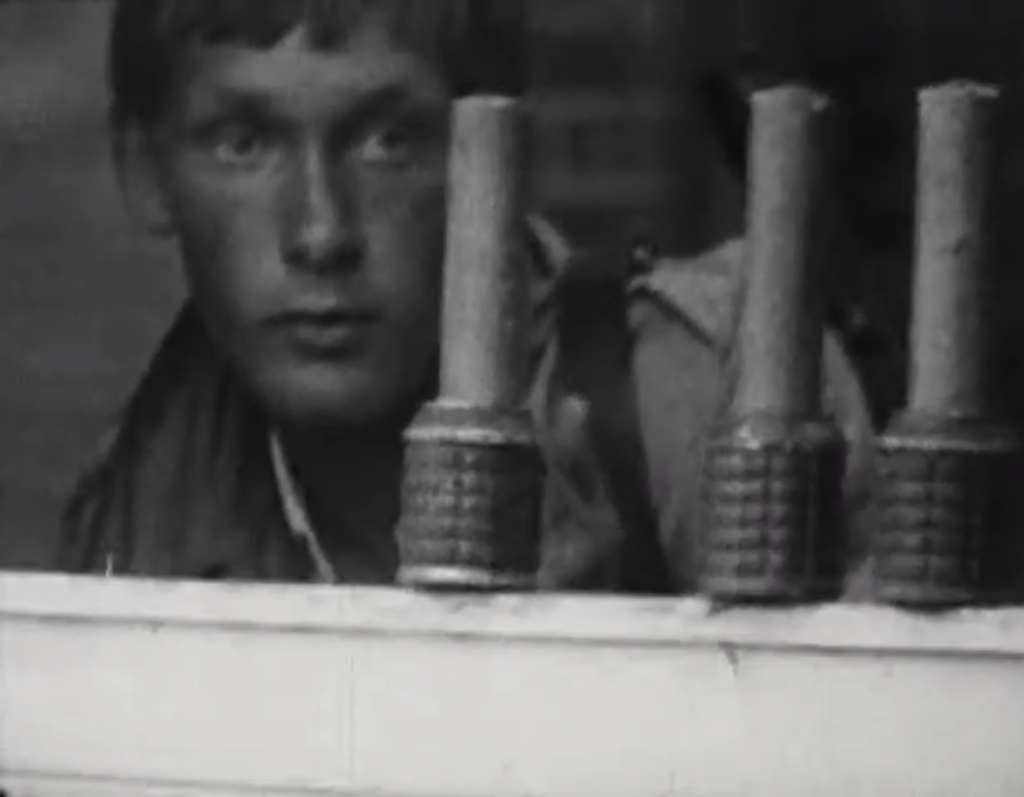
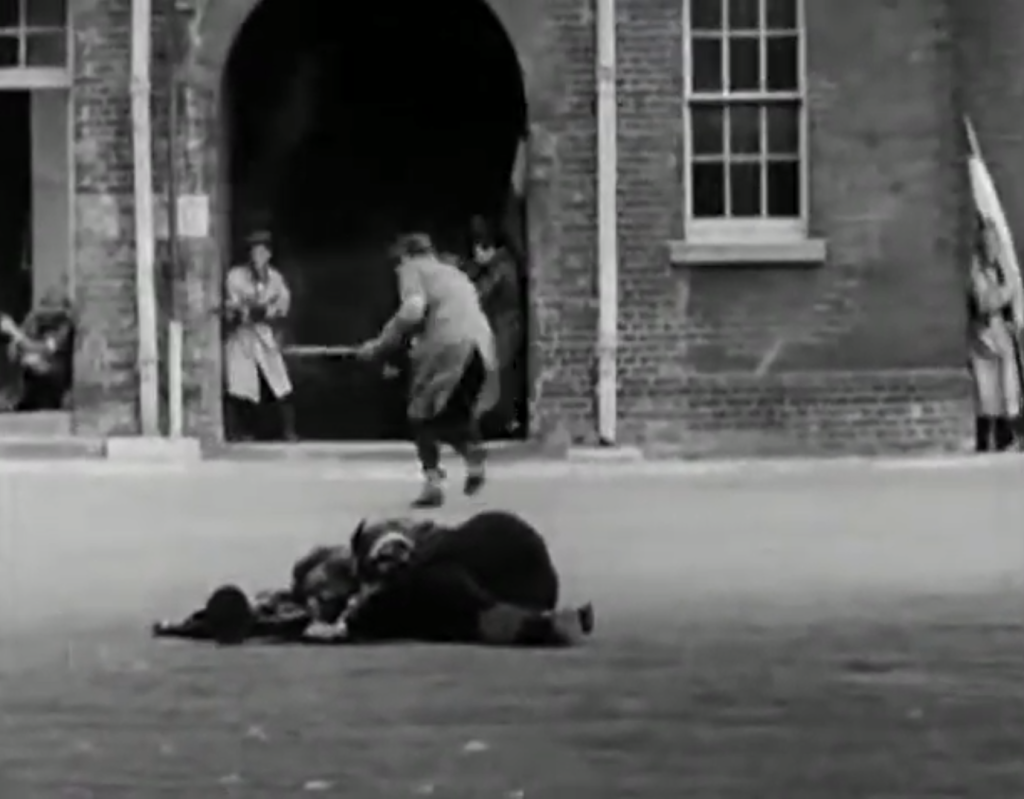
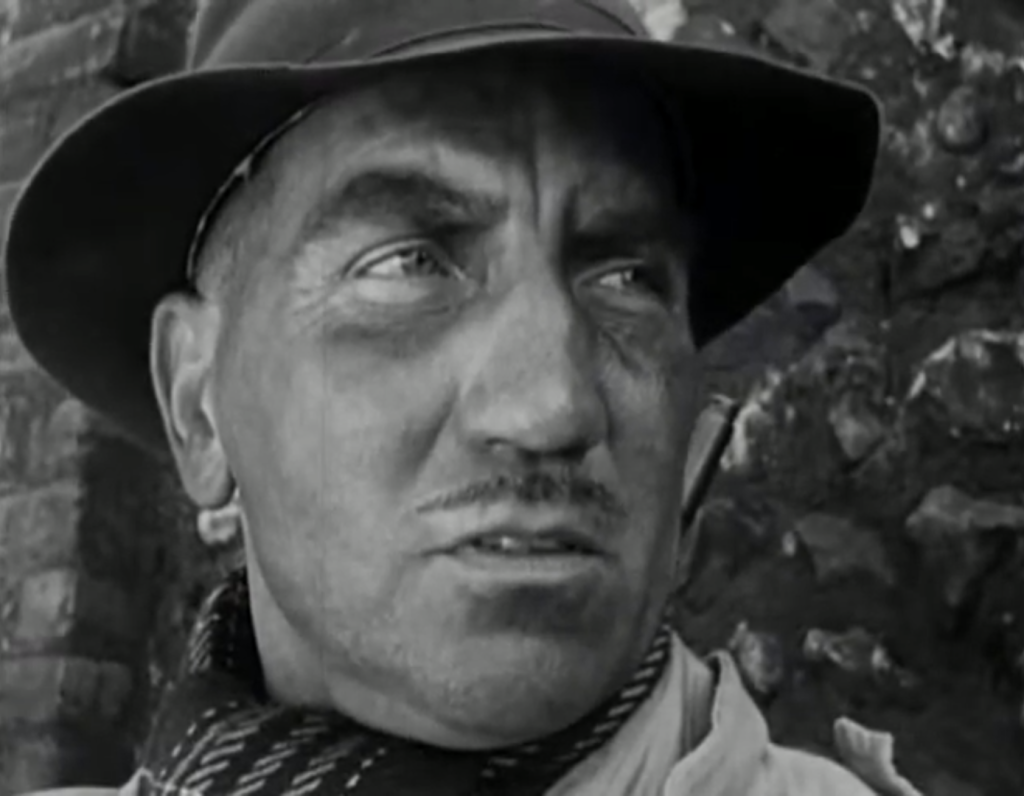
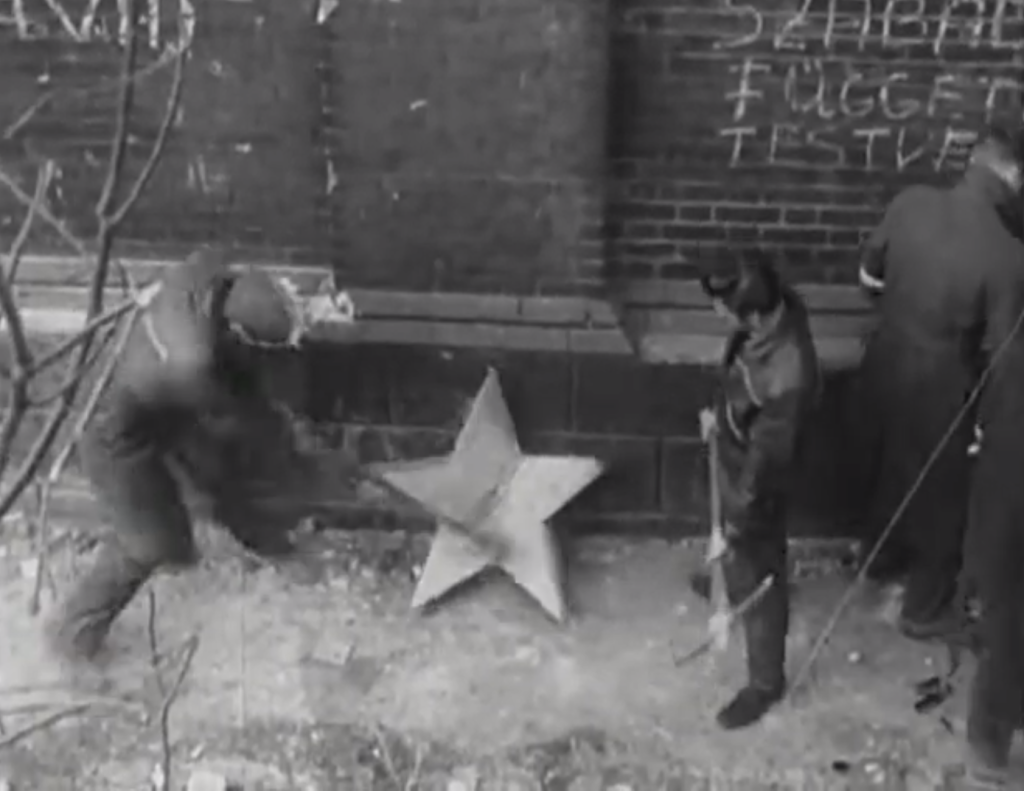
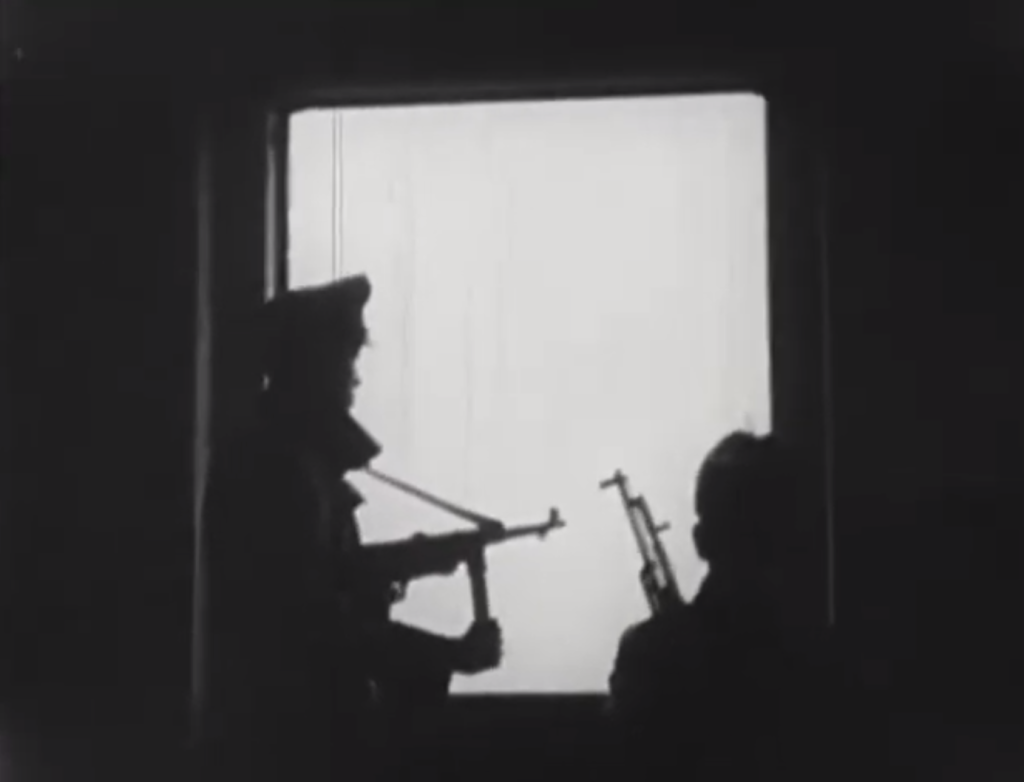
This week we look at two of acclaimed British director Peter Watkins’ formative amateur films: The Diary of an Unknown Soldier (1959) & The Forgotten Faces (1960). Perhaps best known for his later 1964 film Culloden and 1965’s ground-breaking nuclear war film The War Game. These two early films are especially fascinating as you can see Watkin’s distinct style develop through them.





 The Armourers Bench