Foe To Friend – The National Army Museum’s BAOR Exhibition

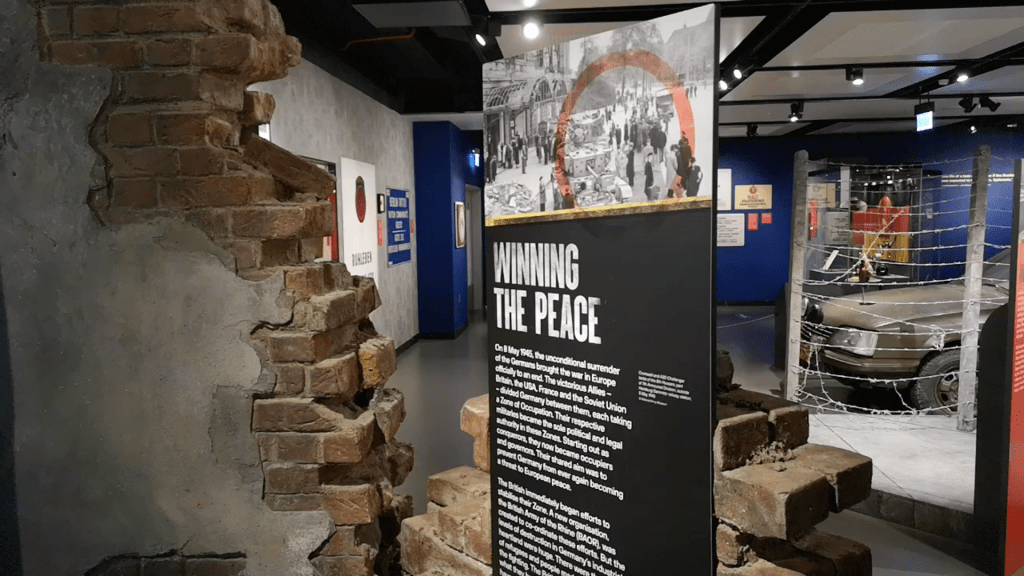
A couple of months ago I visited the UK’s National Army Museum in London. They had an exhibition exploring the history of the British Army in Germany since 1945. Titled Foe to Friend it explores the British Army’s post-war experience in Germany first as an occupier and then as a NATO ally. 

Inside the Foe to Friend exhibit (Matthew Moss)

More than a million British soldiers have lived and served in Germany over the past 75 years. The exhibition tries to capture some of their experiences while relating the history of their operations – no small task.

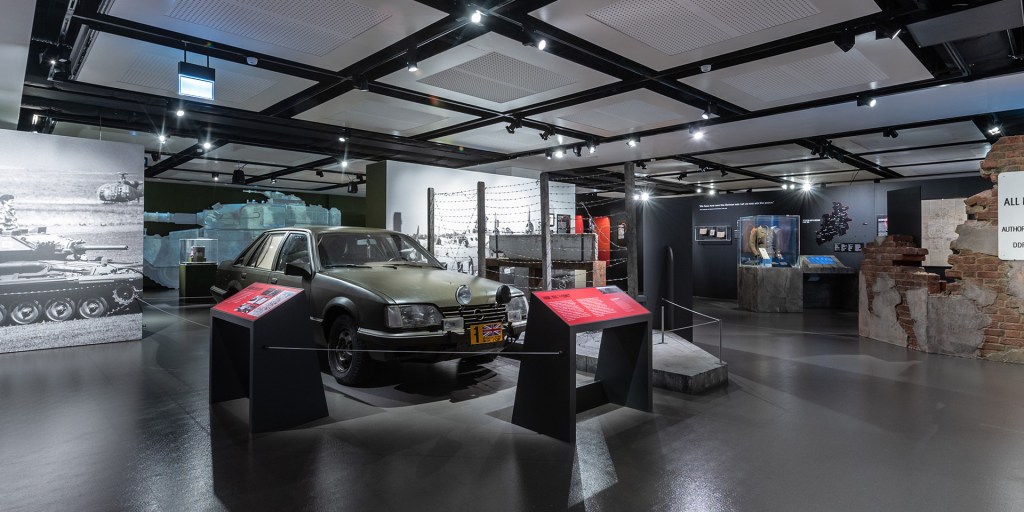
One of the highlights of the exhibit were the small personal items like photos and uniforms but also vehicles like the Brixmis Opel – a car used by British observers to travel through East Germany. There was also an interactive light up display that let you identify various Cold War Soviet vehicles – just like a Brixmis observer!

Inside the Foe to Friend exhibit (National Army Museum)

The exhibition also shows off some of the uniforms and kit used during the UK’s 75 years in Germany as well as some of their weapons including some instantly recognisable Cold War icons like the L1A1 SLR and the Carl Gustav, as well as the SA80 and my old friend the Sterling SMG. Another essential piece of kit – the Boiling Vessel takes centre stage in a multi-media area with a section on the famous food van owned by Wolfgang Meier – he followed British troops on exercise and sold them bratwurst and fish and chips. 

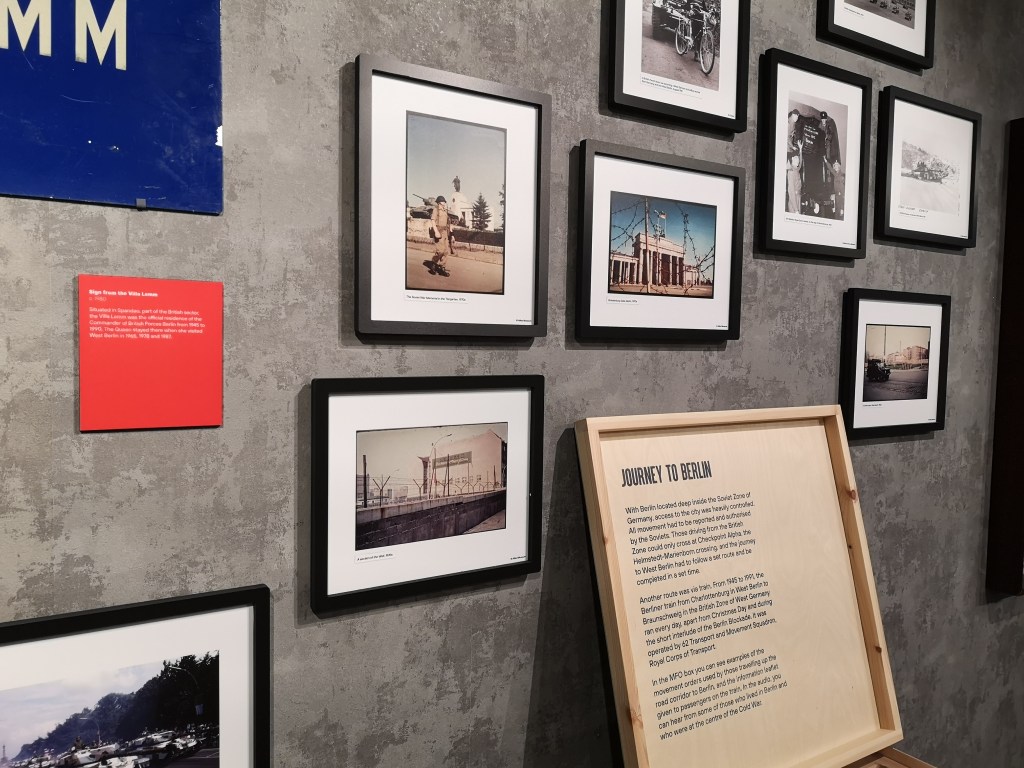
Inside the Foe to Friend exhibit (Matthew Moss)

The exhibit covered several rooms but was more sparse than I’d hoped and some of the smaller items seem a little lost. I would have liked to have seen more on the large-scale exercises the British Army of the Rhine took part in, like Lionheart 84. The exhibition does, however, conclude with some displays on the operations some of the men station in Germany took part in, including peacekeeping in Bosnia and the first Gulf War.

It would have been great to have had some interactive displays featuring audio or video interviews from service personnel who had been in Germany during the various periods of the Army’s presence. This is something the West Indian Soldier exhibition, which we recently looked at, did well.  

It ends with an excellent graphic depicting how troop numbers in Germany fell dramatically after the Second World War – despite the Cold War, from 780,000 in 1945 to just 135 at the end of the British Army’s deployment in 2020.

The exhibition ran from September 2020 to December 2021.


If you enjoyed this video and article please consider supporting our work here. We have some great perks available for Patreon Supporters – including custom stickers and early access to videos! Thank you for your support!


Further Reading:

‘Active Edge: The Army, Germany and the Cold War’, National Army Museum, (source)
‘Foe to Friend: The British Army in Germany since 1945’, National Army Museum, (source)
‘Foe to Friend: Virtual Tour’, National Army Museum, (source)
‘Army Life in Germany: Virtual Tour’, National Army Museum, (source)
Back in Stock!

I can’t believe it 2 years since we released the The TAB Advanced Combat Rifle Colouring Book! Pleased to say its back in stock, you can pick up your copy now! Check them out here.

Pick a copy up now at www.armourersbench.com/shop

First Look: The Newly Relaunched ARMAX Journal of Contemporary Arms

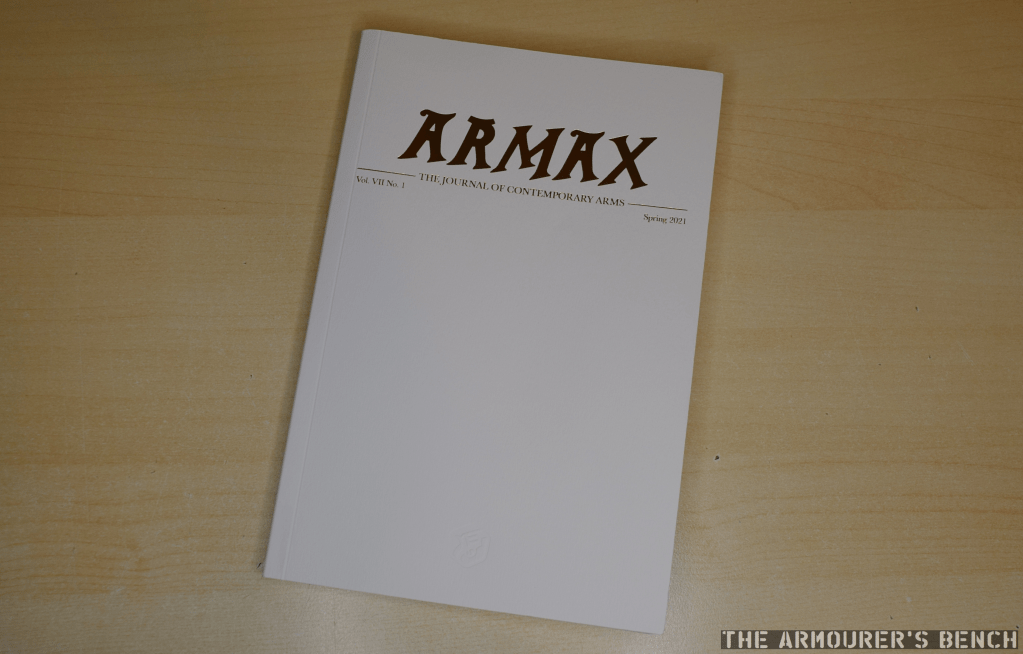
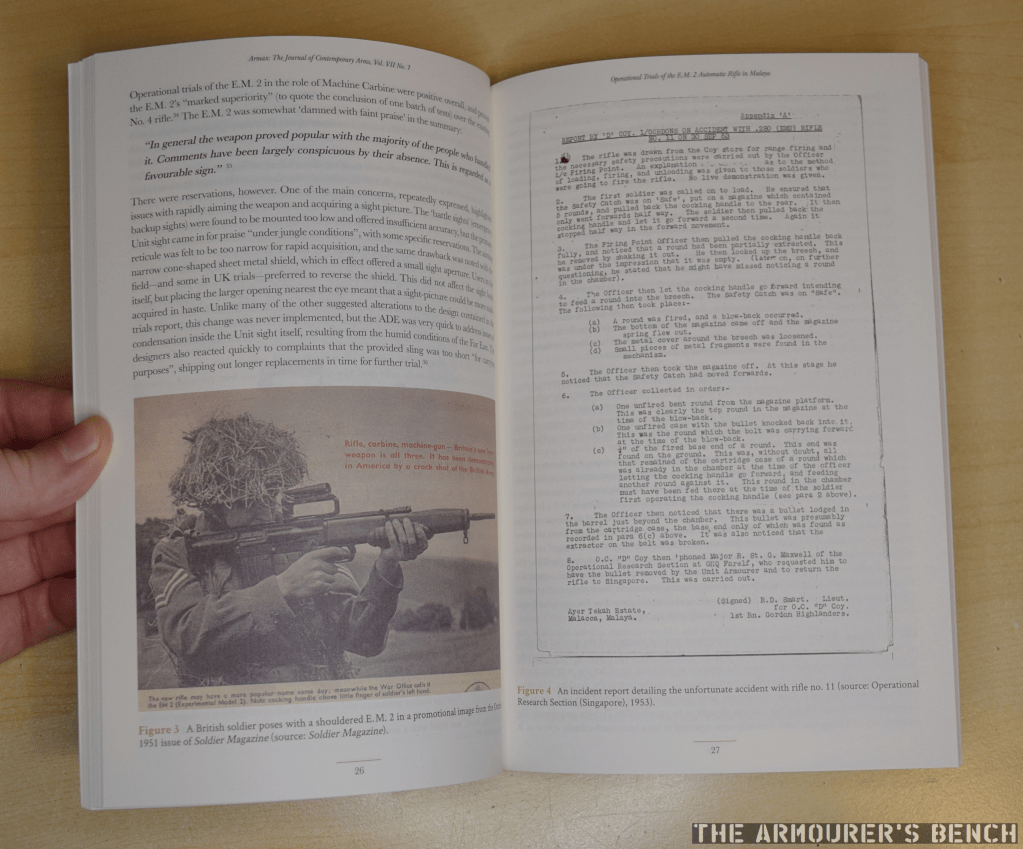
This month sees the relaunch of the ARMAX: The Journal of Contemporary Arms, the academic journal of the Cody Firearms Museum. The first edition of the new ARMAX covers everything from Dutch Uzis to the EM2 in Malaya, from East German AK-74s to a CIA assassination pistol.

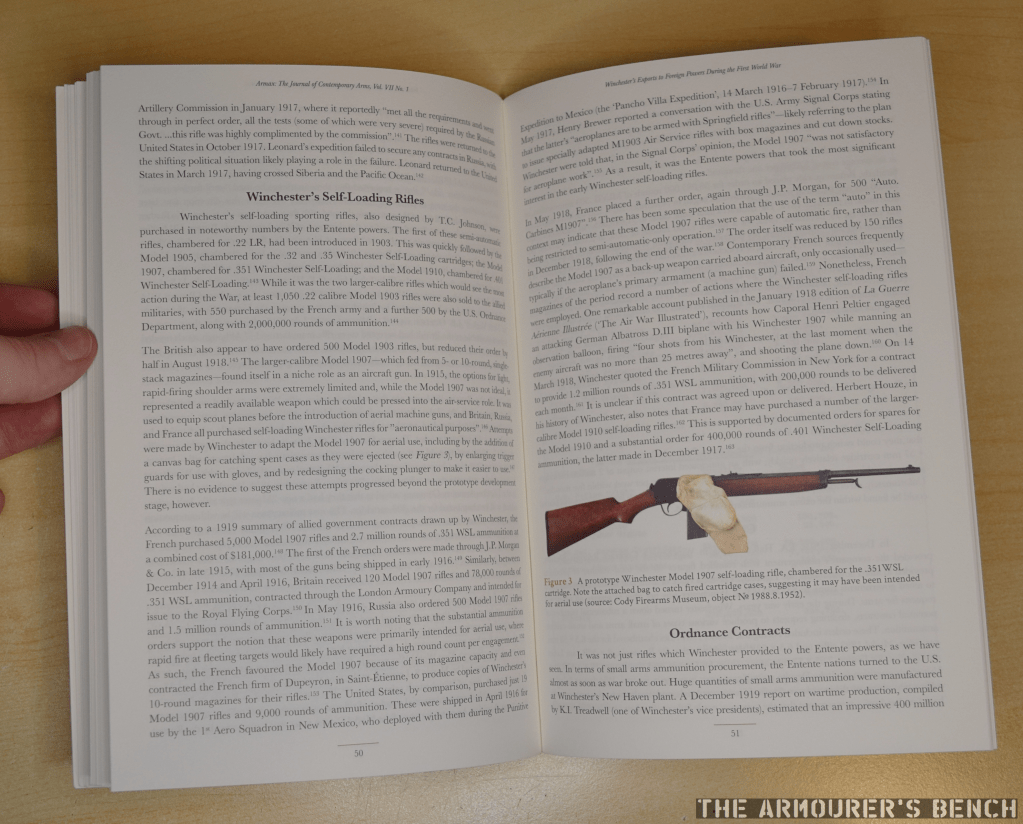
I’m especially excited about the new journal as it contains one of my first published journal articles, it’s titled ‘The Winchester Repeating Arms Company’s Exports to Foreign Powers During the First World War’. The article leverages the research I undertook while a research fellow at the Cody Firearms Museum a couple of years ago. It examines the work of the Winchester Repeating Arms Company during the First World War. Specifically this article explore the breadth and variety of the work done for the Entente powers. I cover everything from the Russian contract Model 1895 lever-action rifles to the air-service self-loading rifles and of course the British Pattern 1914 rifle.

My advanced copy arrived just a day or two ago and I’m so pleased to see my research in print alongside some fantastically interesting work from friends and colleagues. Below are some photos of the journal and above is a first look video.

If you’re interested in up-to-the-minute small arms research then I highly recommend checking out the relaunched ARMAX journal, I’m very excited to see the next edition. Find out more about the journal and read the abstract for my article here.


If you enjoyed the video and this article please consider supporting our work here. We have some great perks available for Patreon Supporters. You can also support us via one-time donations here.

The Dirty Dozen (1967)

This week we embark on Dirty Dozen December with a special guest, Lee Marvin’s biographer Dwayne Epstein. Naturally we start this month long exploration of the four Dirty Dozen films with the first and best of them – 1967’s The Dirty Dozen, directed by Robert Aldrich. With Dwayne’s help we look at the making of what has become an iconic war film of the era with defining performances from a strong cast including Lee Marvin, Ernest Borgnine, Charles Bronson, Jim Brown, John Cassavetes, George Kennedy, Robert Ryan, Telly Savalas, Robert Webber and Donald Sutherland. Grab your Grease Guns we’re headed for the chateau!

The episode is also available on all other podcast platforms, you can find them here.

Here are some stills from the film:

If you enjoy the podcast then please check out our Patreon here. Be sure to follow Fighting On Film on Twitter @FightingOnFilm, on Facebook and don’t forget to check out www.fightingonfilm.com.

Thanks for listening!

Vickers Gun In The Rhineland

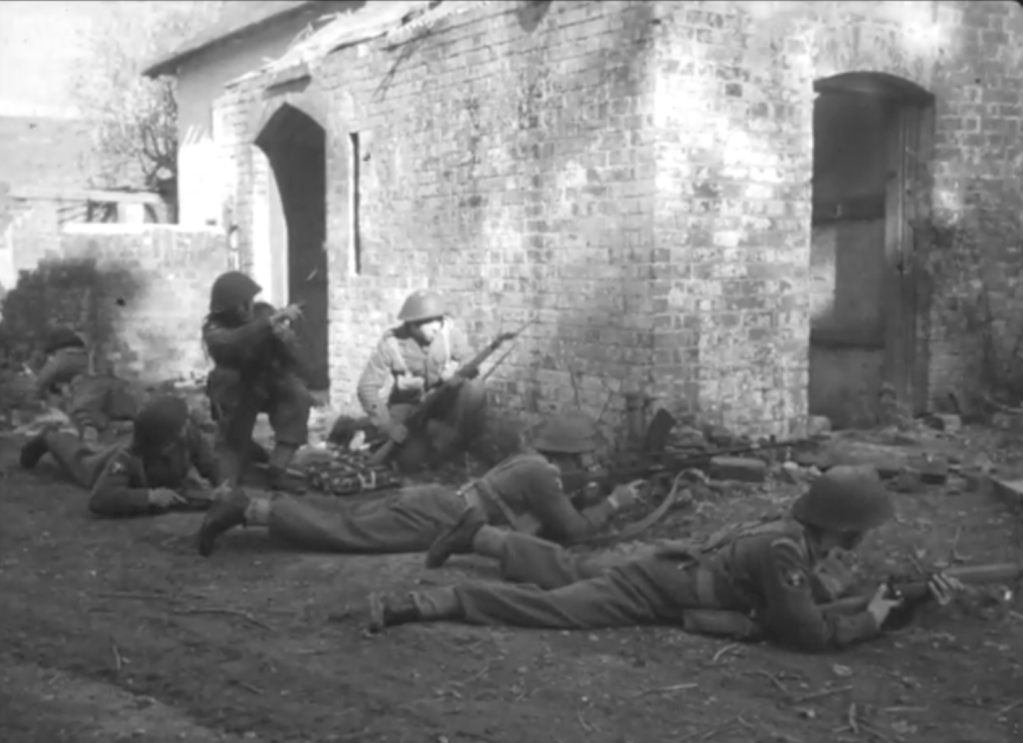
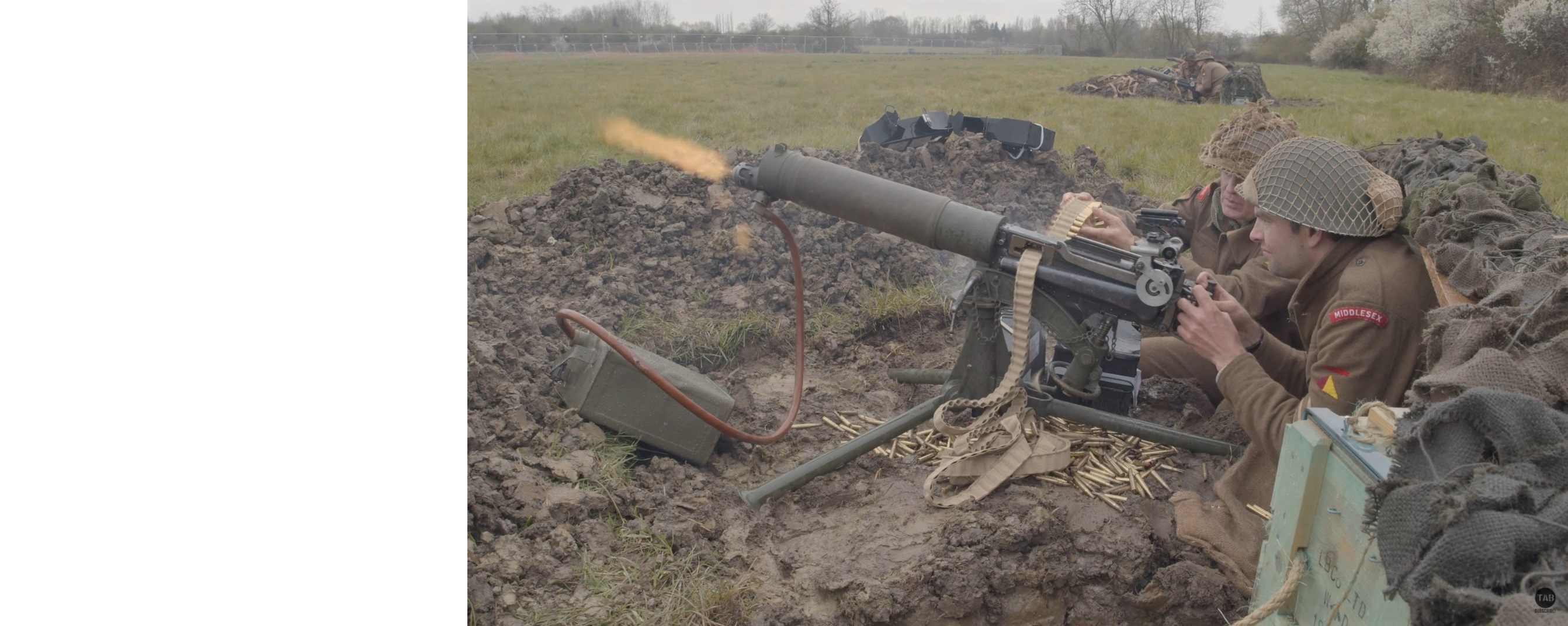
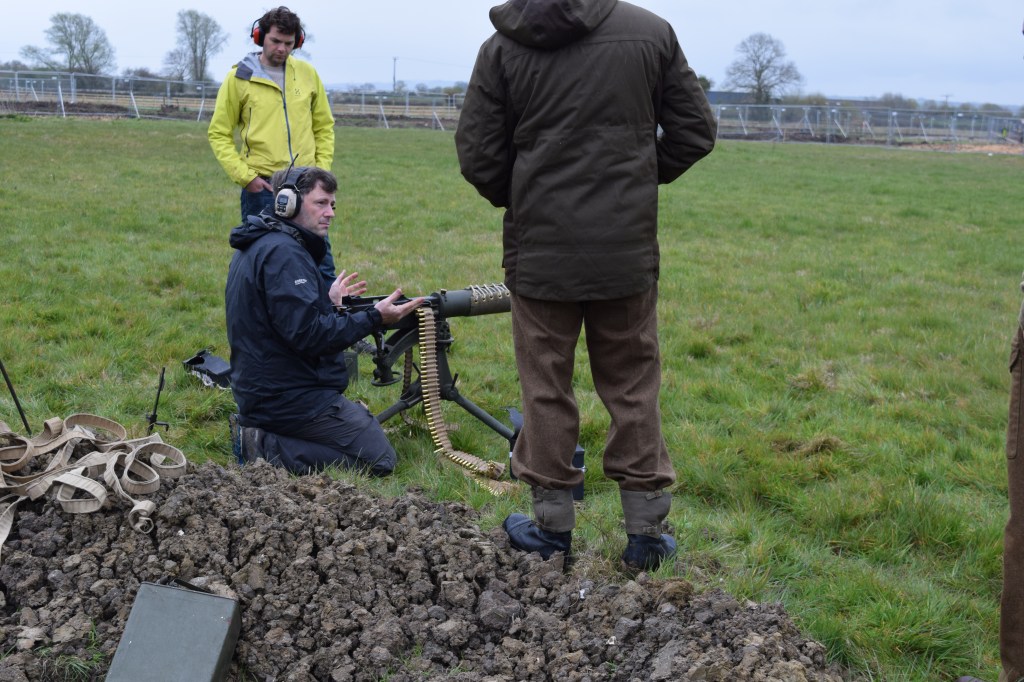
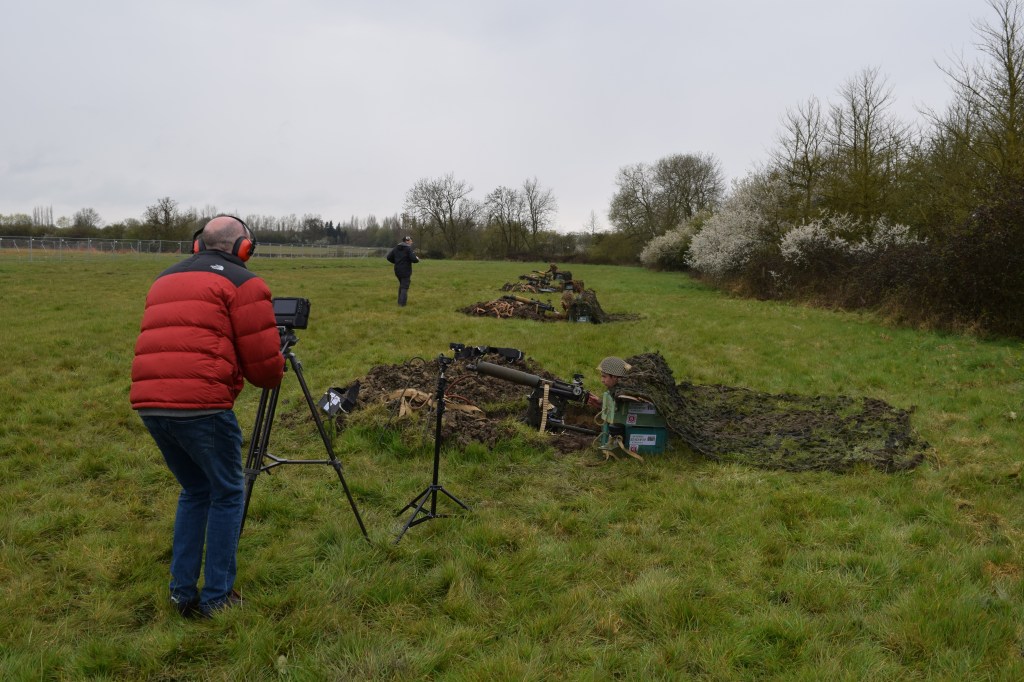
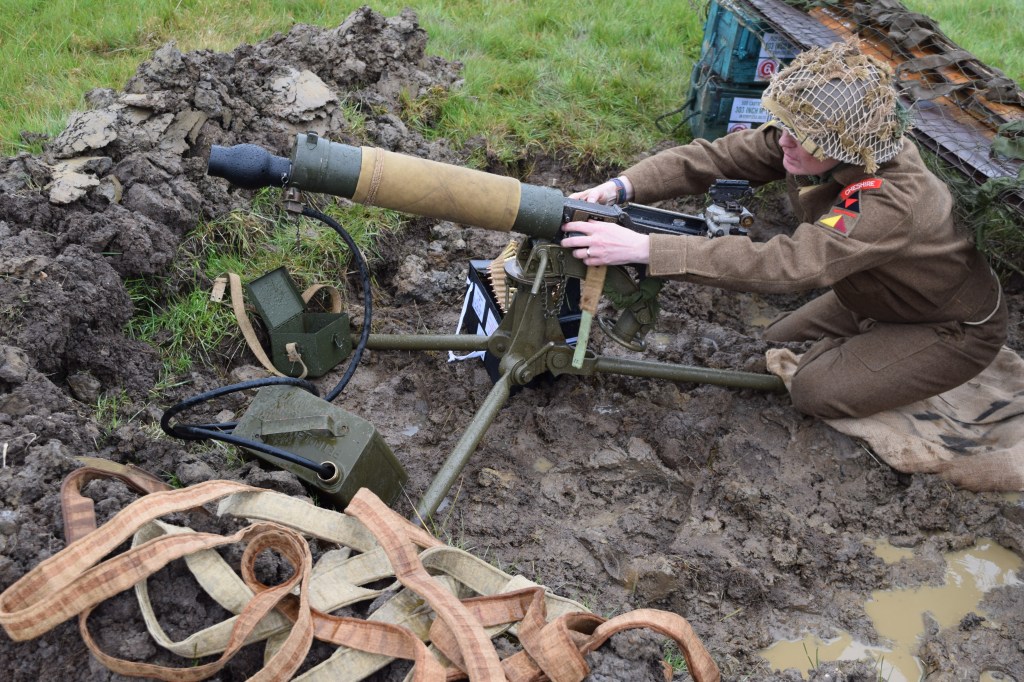
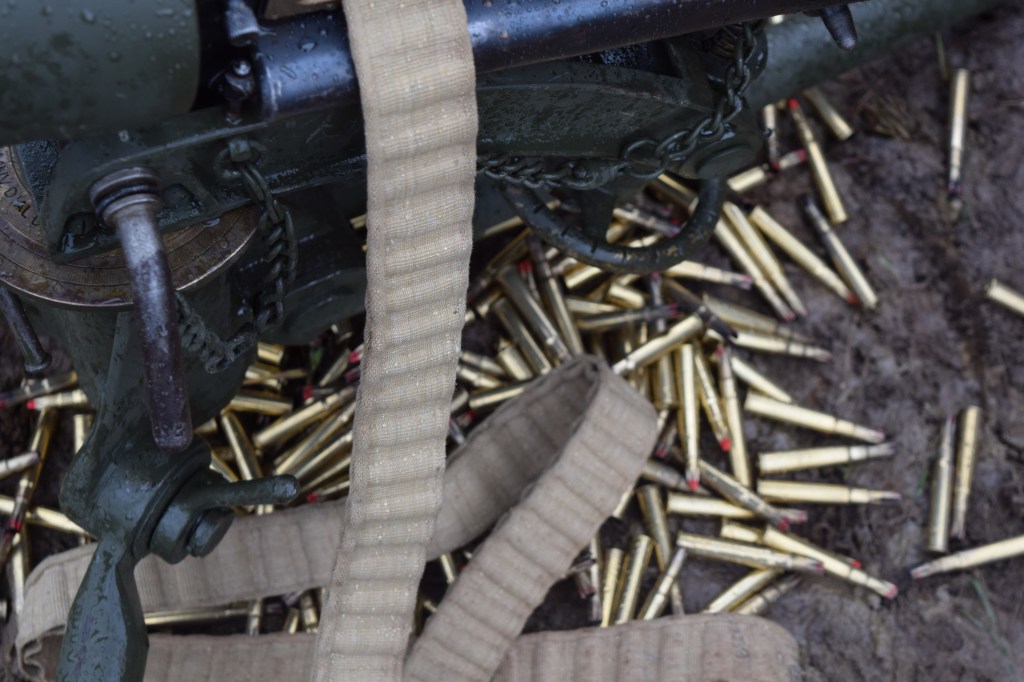
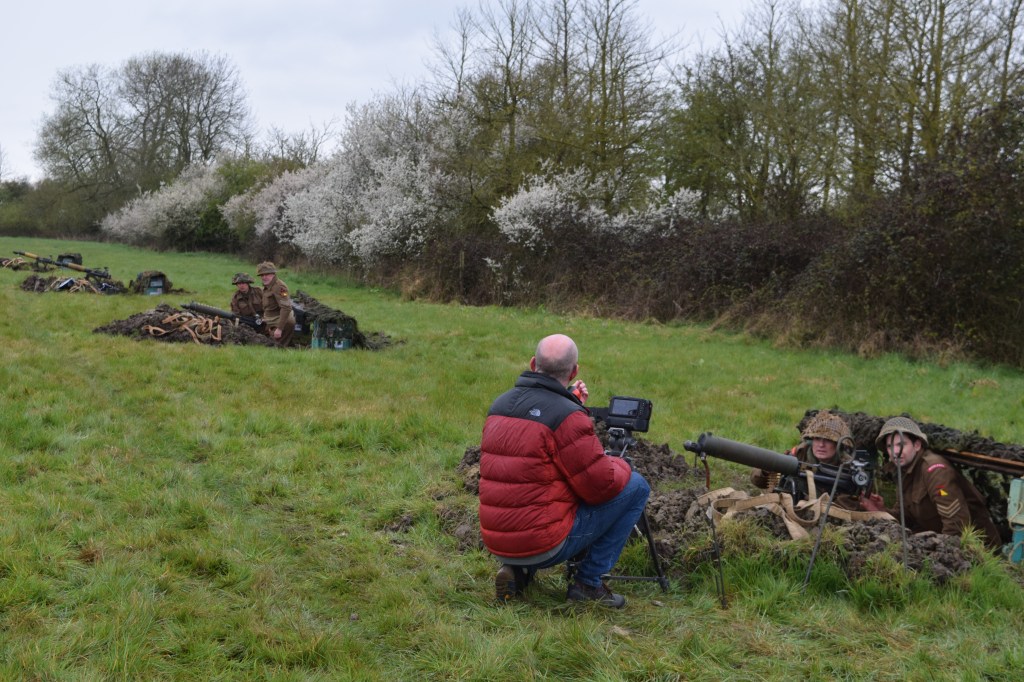
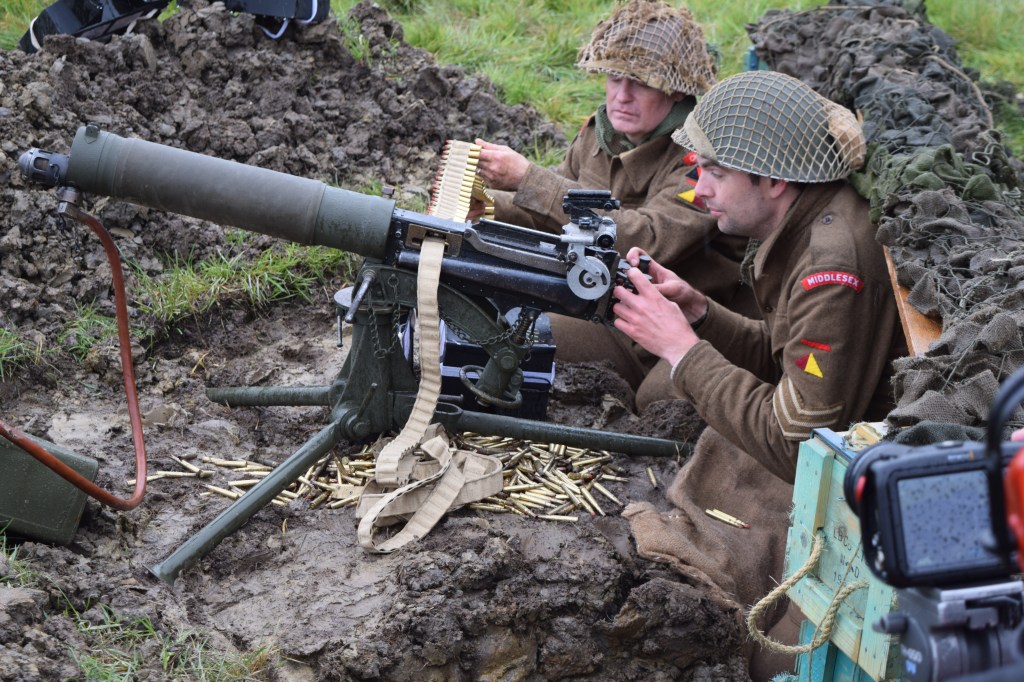
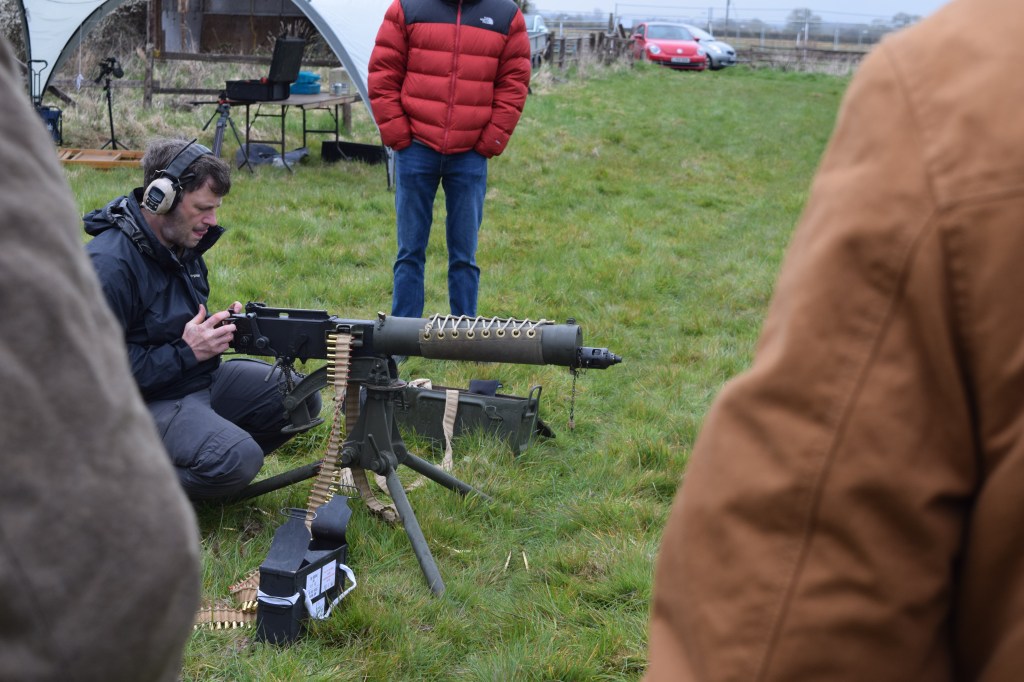
In this final video of the Rhineland Campaign Weapons series we take a look at the little known role of the British and Commonwealth forces’ Vickers Guns. With the help of the Vickers MG Collection & Research Association we recreated a platoon line consisting of 4 Vickers Guns to recreate the Pepperpot tactics used during Operation Veritable – the western Allies’ invasion of Germany.

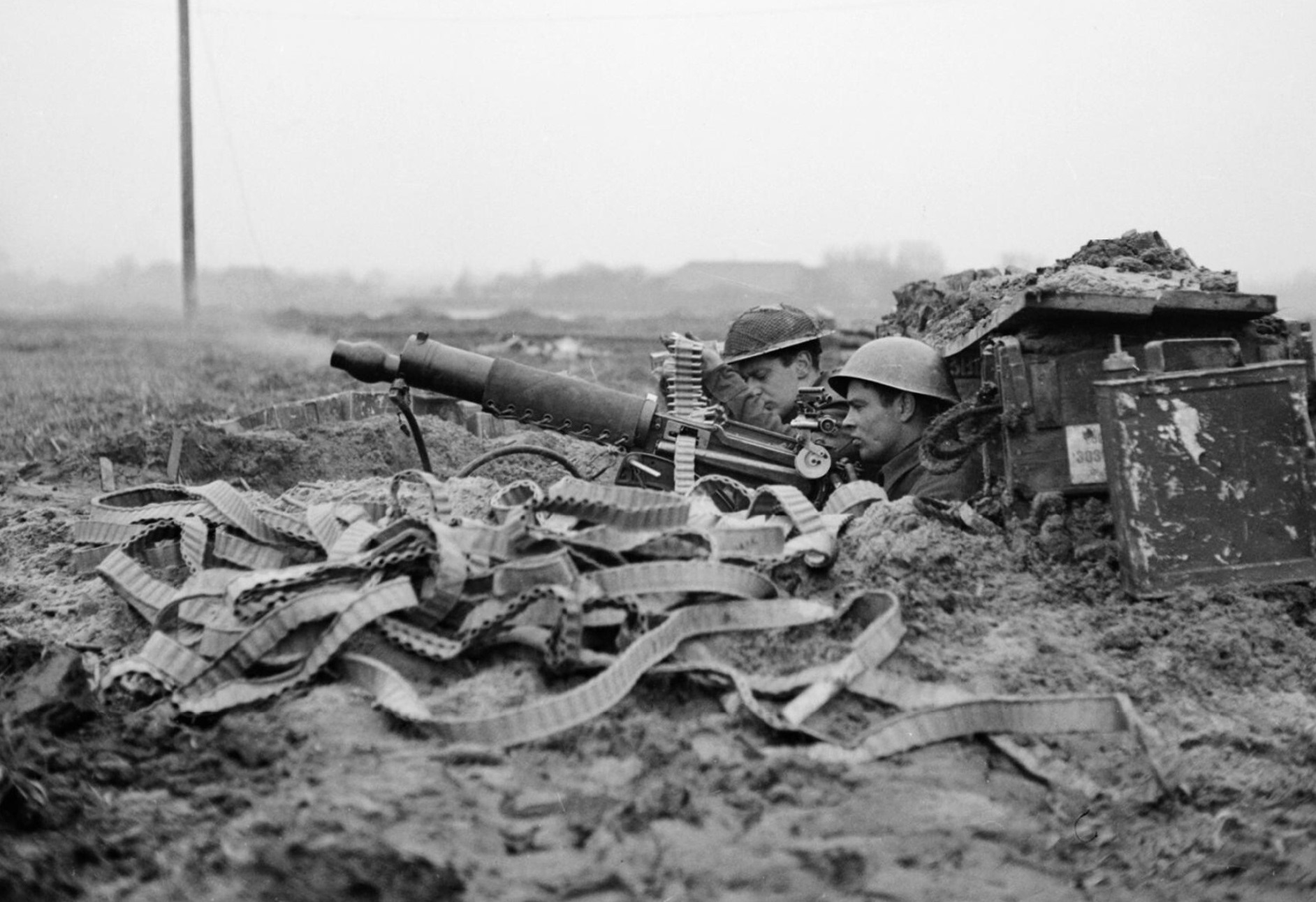
In this video we examine how Vickers Medium Machine Guns were used en masse to soften up enemy positions before Operation Veritable began and during the subsequent advance into the Rhineland. The Vickers was used alongside artillery, mortars and even anti-aircraft guns in what was known as a ‘pepperpot’ fire plan – where the focus was on weight of fire. The Vickers supported the advance through out the campaign and in this video we aimed to capture some of the feel of what those pepperpot bombardments might have been like – albeit on much, much smaller scale.

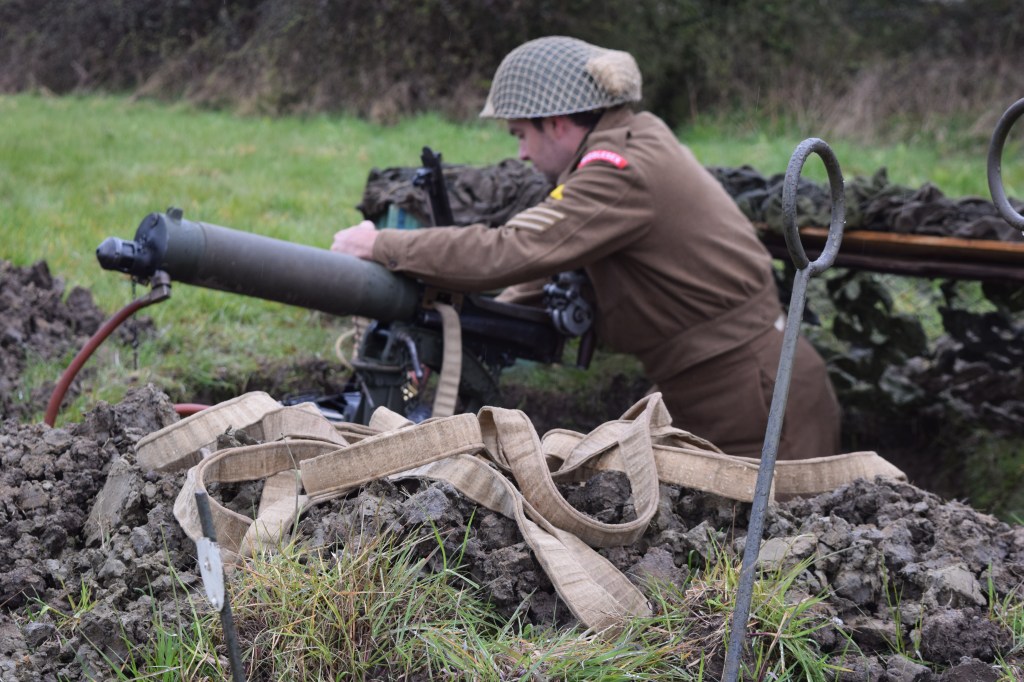
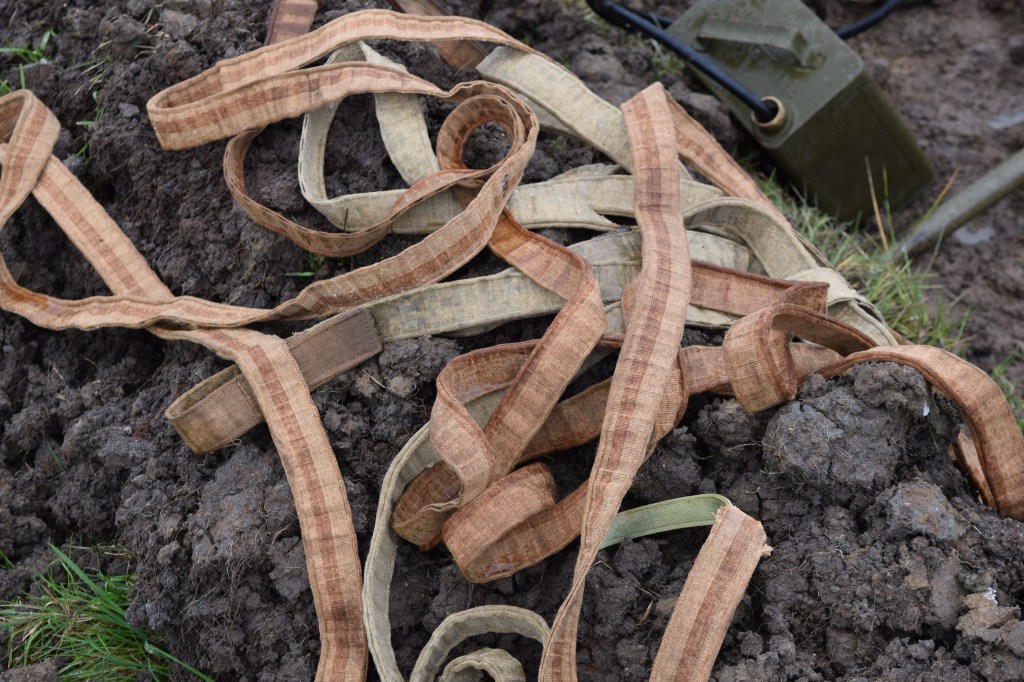
Using contemporary photographs and footage we recreated the gun pits, complete with overhead cover, pits dug to the original manuals and plenty of empty belts and belt boxes. Right down to the gun crews being badged up as Middlesex Regiment. Check out the comparison of our shoot and a contemporary photograph taken during the battle for Goch, 20 February 1945.

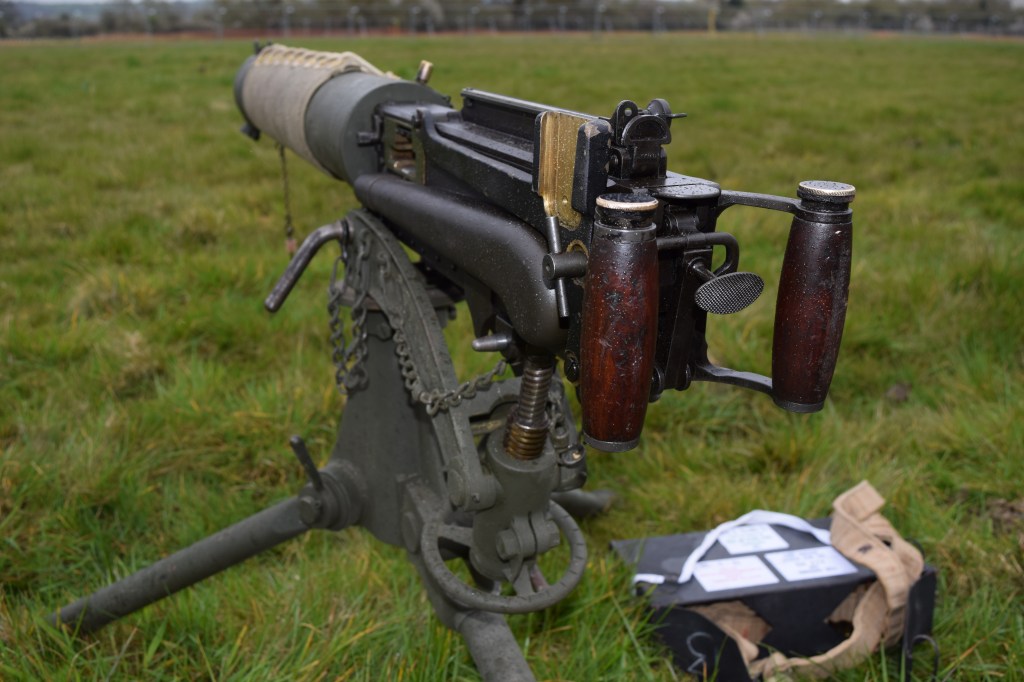
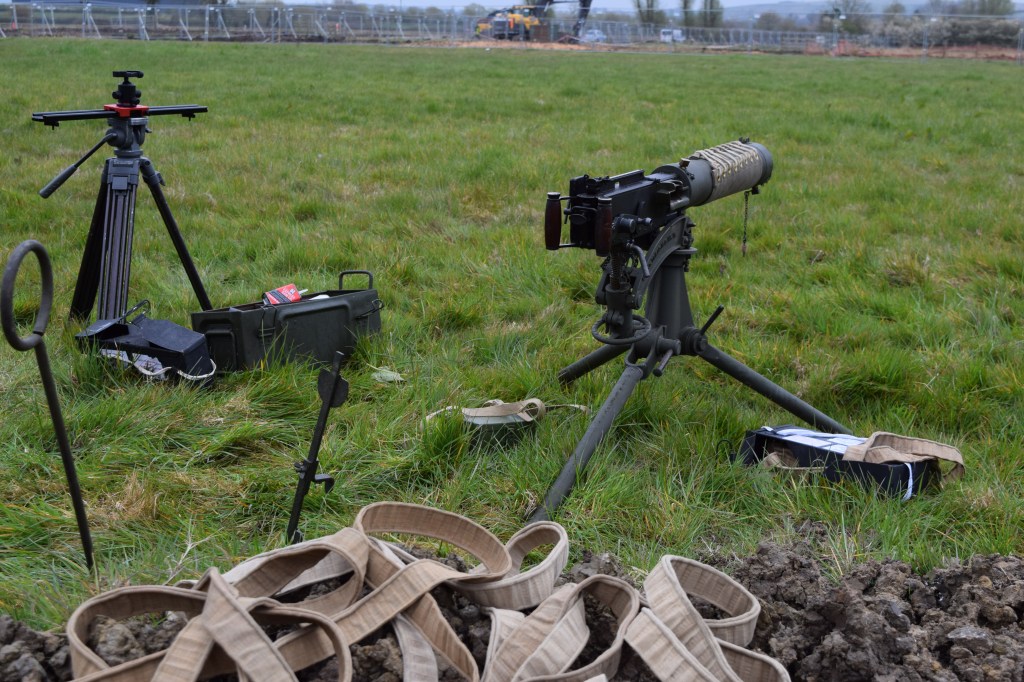
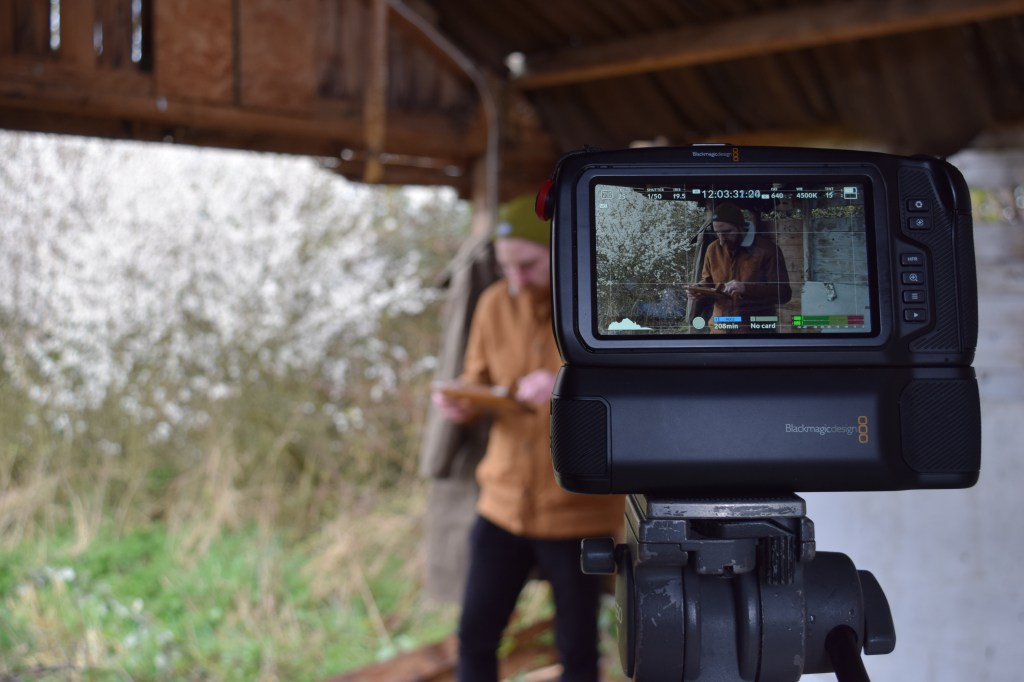
Below are some behind the scenes photos from the shoot taken by myself and Robbie McGuire:

A huge thank you to everyone who made the shoot possible, I’m very proud of what we were able to achieve with this shoot.


If you enjoyed this video and article please consider supporting our work here. We have some great perks available for Patreon Supporters. Thank you for your support!

Black Friday Hit Different This Year

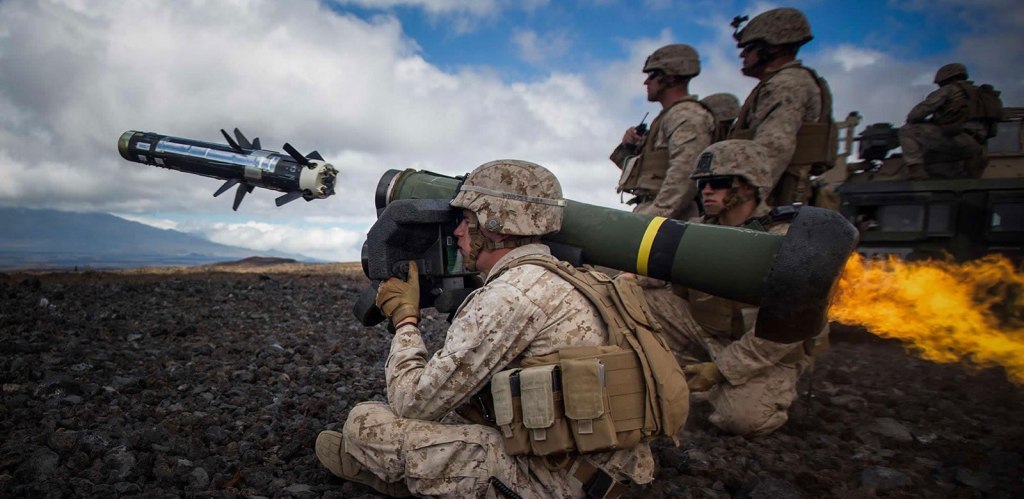
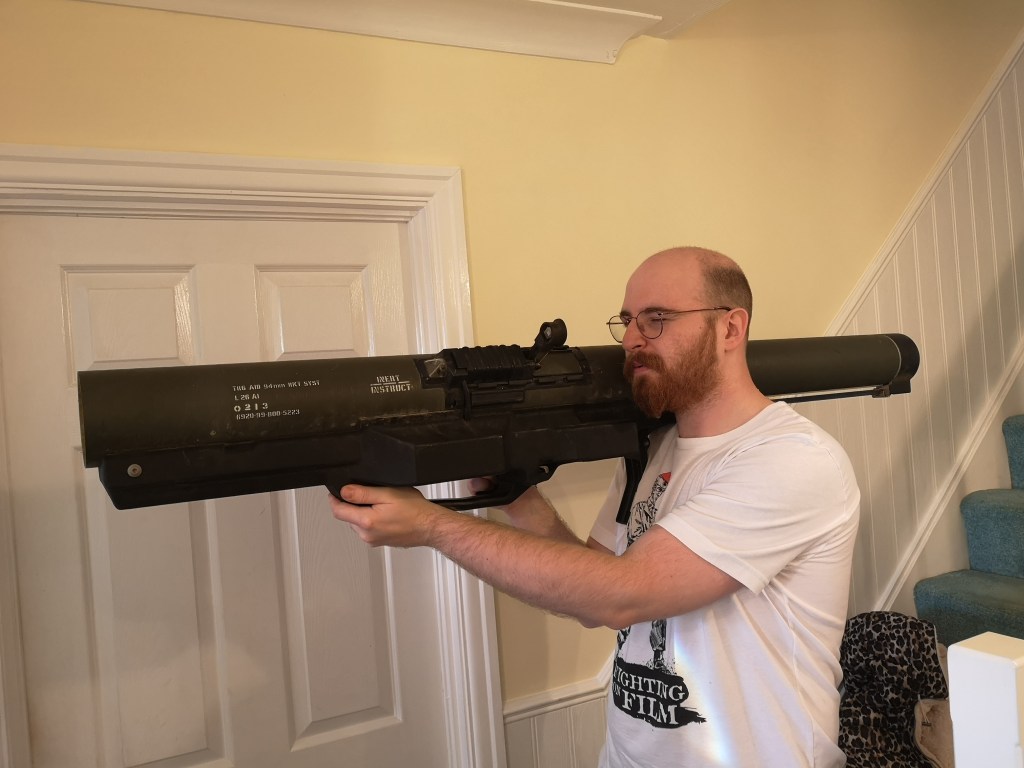
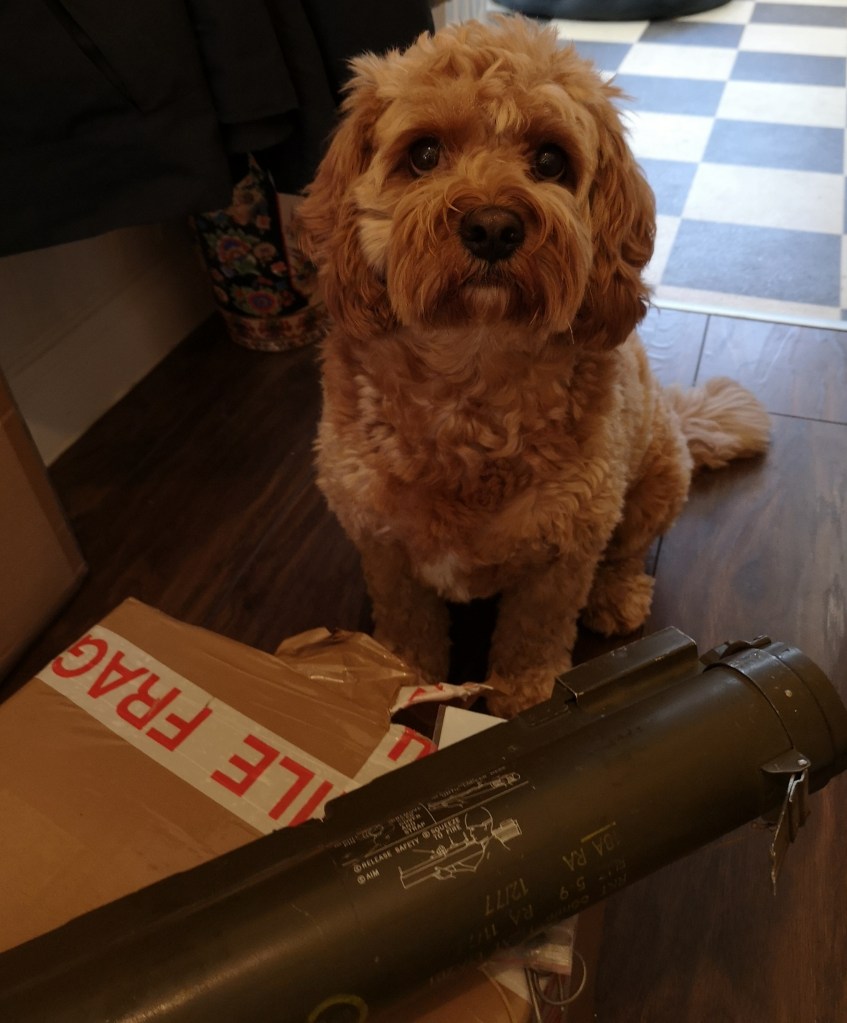
I was recently lucky enough to pick up a pair of very cool anti-tank weapons. A brilliant cutaway/sectioned 66mm LAW and an intriguing 94mm LAW80 training model which requires more research! These were both standard infantry anti-tank weapons for the British Army (and many others) during the Cold War.

The LAW80 deployed! (Matthew Moss)
Dickie with the 66mm LAW (Matthew Moss)

Really pleased to add these to the TAB reference collection. We’ll have proper videos on both of these in the near future! 


If you enjoyed this video and article please consider supporting our work here. We have some great perks available for Patreon Supporters. Thank you for your support!

1966 Soviet Weapons Recognition Guide

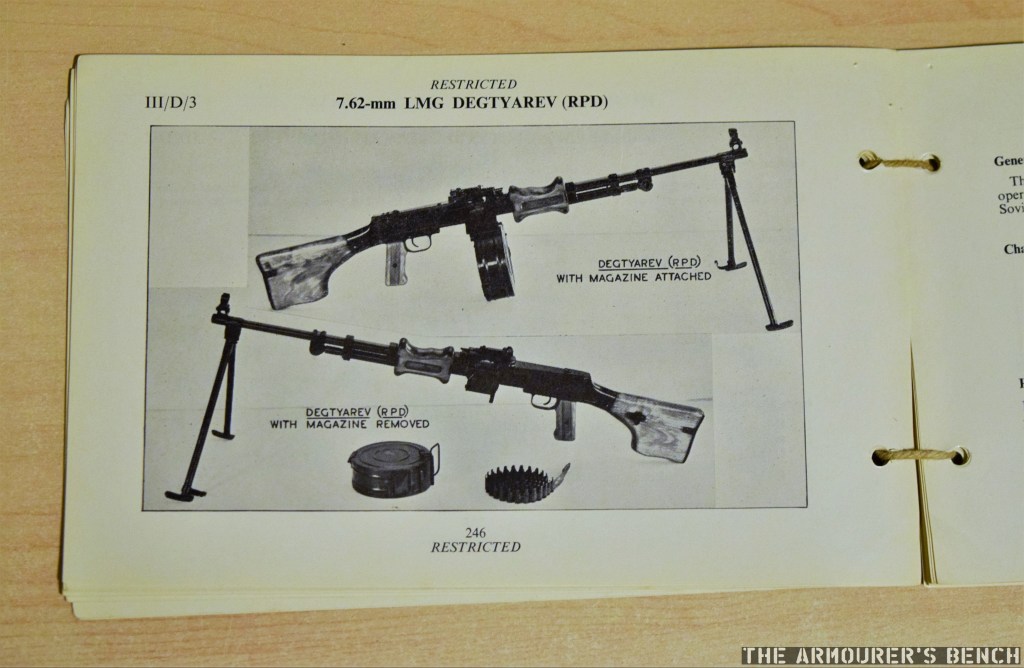
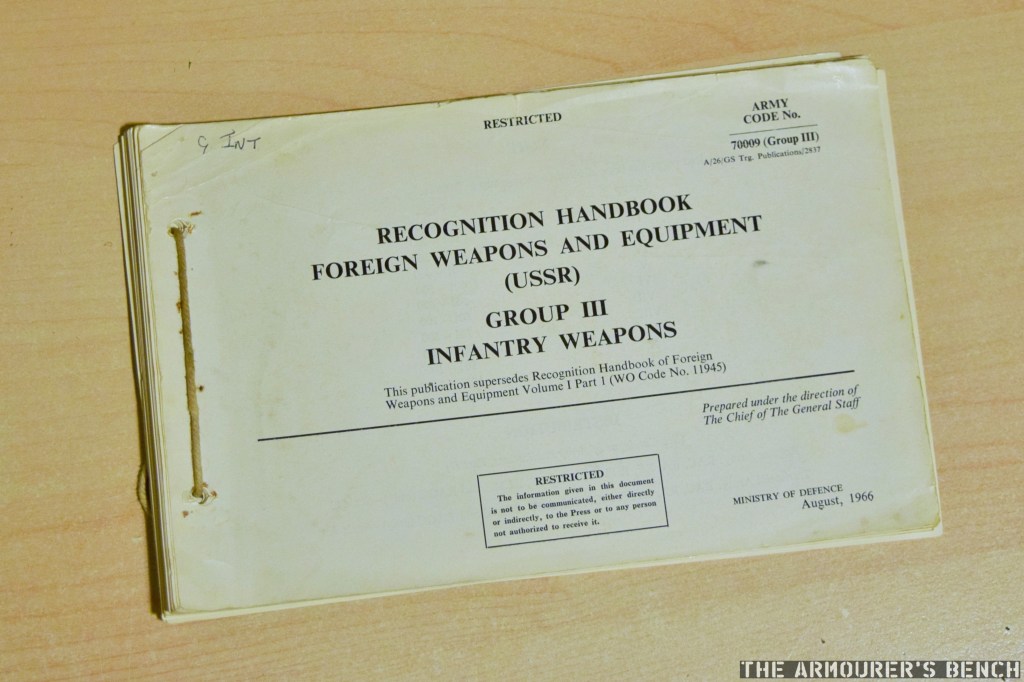
During the Cold War the British Army on the Rhine was deployed in West German. In anticipation of a conflict with the Soviet Union detailed recognition guides were written for British troops to identify and familiarise themselves with enemy weapons and equipment. A substantial series of these were written covering everything from small arms to artillery to vehicles and aircraft.

In this video and article we will examine ‘Recognition Handbook Foreign Weapons and Equipment (USSR) Group III Infantry Weapons’ originally published in August 1966. It covers pistols, carbines, rifles, light, medium and heavy machine guns, grenades and some infantry anti-tank weapons like the RPG-2.

RPD (Matthew Moss)

The Recognition Handbook is about 100 pages long while the wider series encompasses 12 booklets at approximately 1,200 pages. Each entry in the handbook includes general description of the weapon, its characteristics and recognition features to help identify it. The Handbooks are more detailed version of the smaller Threat Recognition Guide booklets which we have looked at previously.

The video includes clips from a 1979 British Army training film made by the School of Infantry.

RPG-2 (Matthew Moss)

Below is the two page entry covering the ‘7.62mm Assault Rifle Kalashnikov (AK-47)’ with a general description, characteristic and some recognition features.

AK-pattern rifle (Matthew Moss)

Sources:

‘Recognition Handbook Foreign Weapons and Equipment (USSR) Group III Infantry Weapons’, British Army, 1966
Warsaw Pact Small Arms’, British Army, 1986, (source)

If you enjoyed this video and article please consider supporting our work here. We have some great perks available for Patreon Supporters. Thank you for your support!

The No.4 Rifle in the Rhineland

Earlier this year I had the pleasure of filming some segments on small arms for the new documentary on the Rhineland Campaign – ‘Rhineland 45‘. Not all of the segments I filmed discussing weapons could be included in the finished documentary – I filmed quite a few – so I’m pleased to share a couple here. This short video examines the Rifle No.4 (Lee-Enfield) used by British and Canadian troops during Operations Veritable and Varsity. This video was filmed at the Vickers MG Collection and Research Association.

Rifle No.4 (Robbie McGuire)
Check out the first video of this series on the use of the PIAT here and our video on the Panzerfaust & Panzerschreck in the Rhineland here and our video on the STENs used in the Rhineland.


If you enjoyed this video and article please consider supporting our work here. We have some great perks available for Patreon Supporters. Thank you for your support!

The STEN in the Rhineland

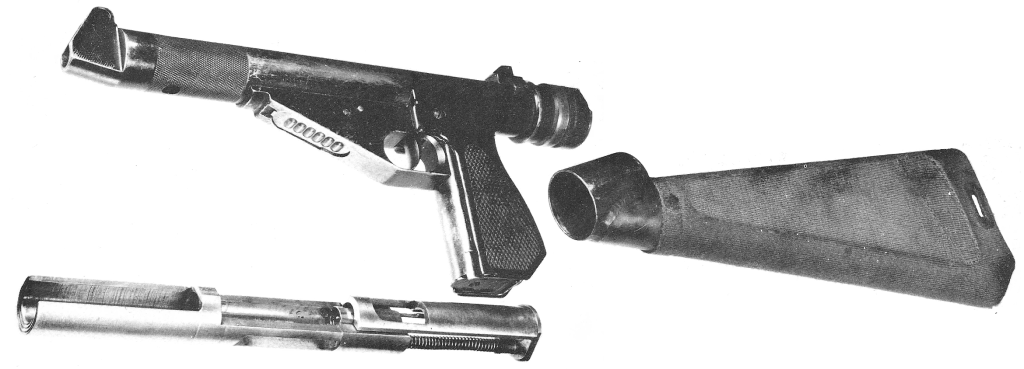
Earlier this year I had the pleasure of filming some segments on small arms for the new documentary on the Rhineland Campaign – ‘Rhineland 45‘. Not all of the segments I filmed discussing weapons could be included in the finished documentary – I filmed quite a few – so I’m pleased to share a couple here. This video examines the various marks of STEN gun used during Operations Veritable and Varsity. This video was filmed at the Vickers MG Collection and Research Association.

The Sten MkIV (Robbie McGuire)
Check out the first video of this series on the use of the PIAT here and our video on the Panzerfaust & Panzerschreck in the Rhineland here.


If you enjoyed this video and article please consider supporting our work here. We have some great perks available for Patreon Supporters. Thank you for your support!

Fighting On Film: Yangtse Incident (1957)

In this week’s episode we join Richard Todd and crew besieged on China’s Yangtse River as we examine 1957’s Yangtse Incident: The Story of H.M.S. Amethyst. Based on real events during the Chinese Civil War the film, directed by Michael Anderson, calls on a strong cast including William Hartnell, Akim Tamiroff, Donald Houston, Ian Bannen and a young Bernard Cribbins.

The episode is also available on all other podcast platforms, you can find them here.

Here are some stills from the film:

If you enjoy the podcast then please check out our Patreon here. Be sure to follow Fighting On Film on Twitter @FightingOnFilm, on Facebook and don’t forget to check out www.fightingonfilm.com.

Thanks for listening!