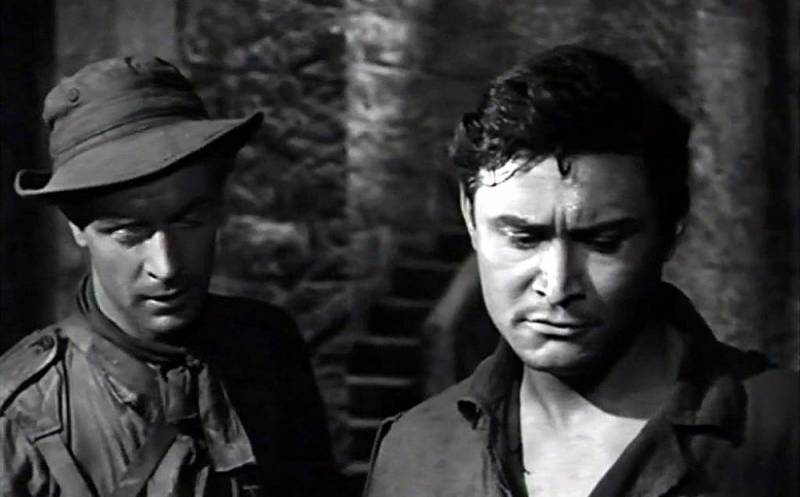
This week marks the 70th anniversary of the Battle of the Imjin River. To commemorate this we look the only film to be made about the British Army’s experience during the Korean War 1956’s A Hill In Korea (Also known as Hell In Korea). The film features a stellar cast including Stanley Baker, Harry Andrews, Robert Shaw, George Baker, Harry Landis and a young Michael Caine in his first film role.
This week marks the 70th anniversary of the Battle of the Imjin River, the Korean War battle perhaps most closely associated with the UK’s involvement in the conflict. Sadly, Korea remains a largely forgotten war and only one film has ever been made about the British Army’s experience 1956’s ‘A Hill In Korea‘. In this video we’ll discuss the battle, the super bazooka and the classic war film!
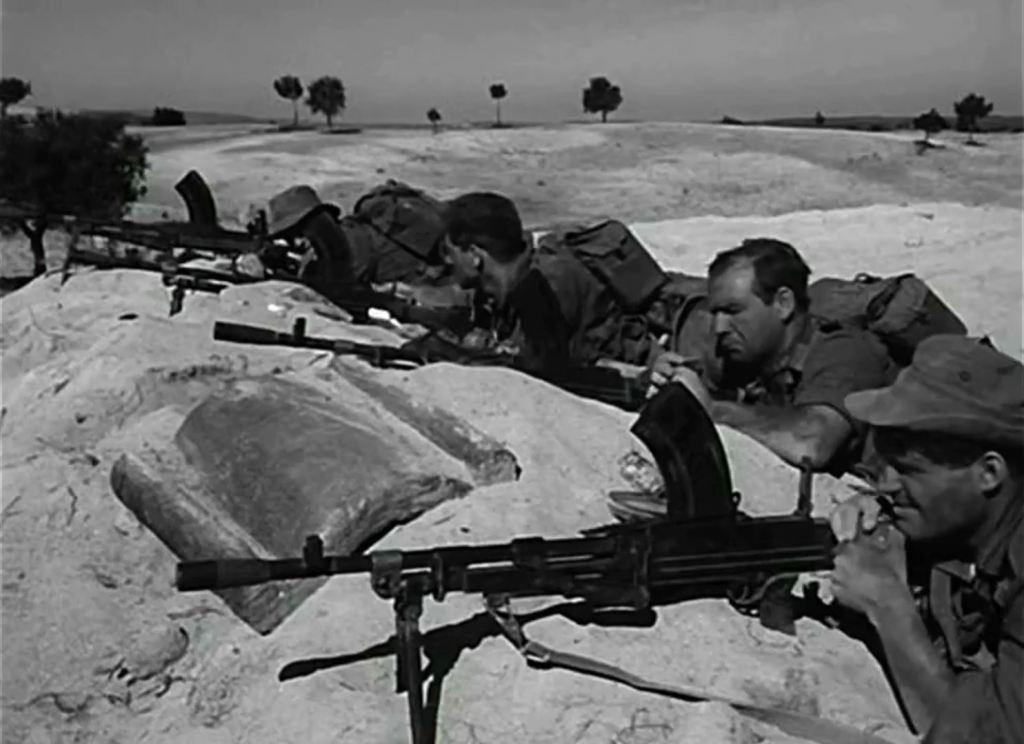
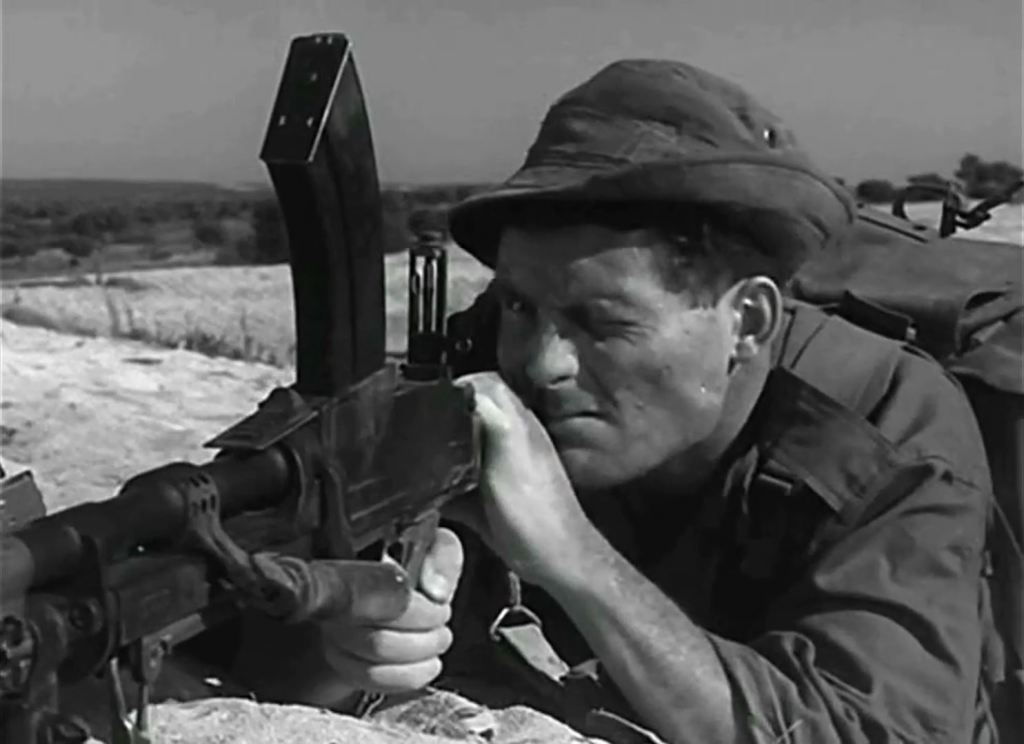
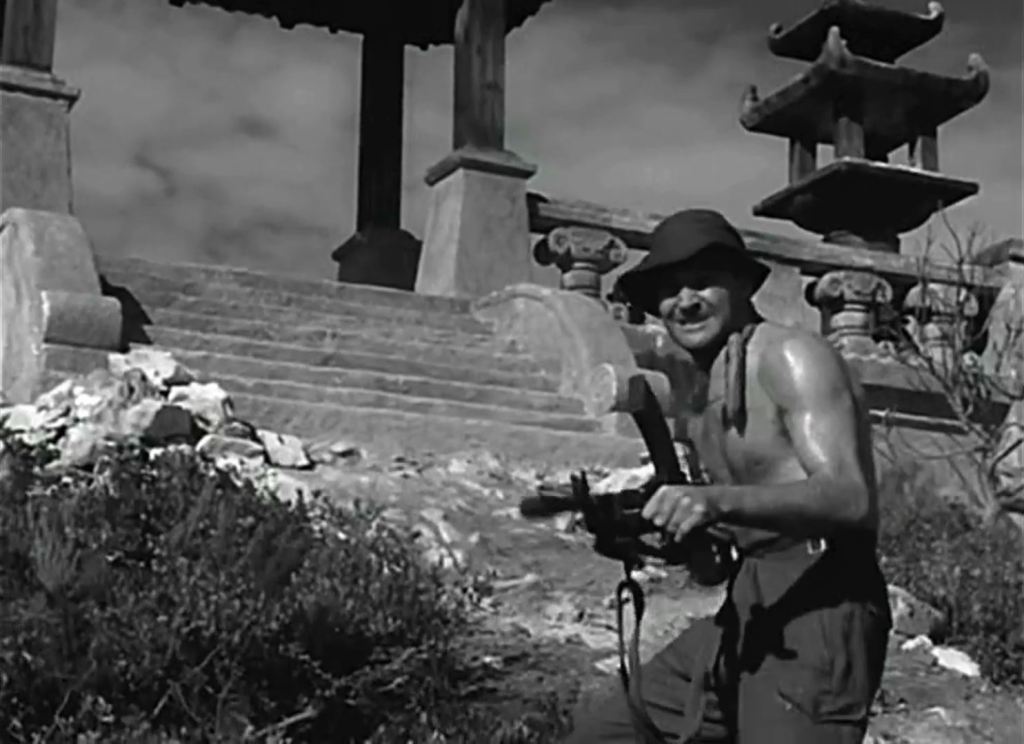
The film follows a fighting patrol which is cut off behind enemy lines and forced to fight a desperate last stand. The film borrows elements from the battle of Imjin River and the war as a whole. Today it is best known for its strong cast including Stanley Baker, Robert Shaw, Harry Andrews and George Baker and for being Michael Caine’s first film credit. Interestingly, Caine was a veteran of the war, having served with the Royal Fusiliers during his National Service.
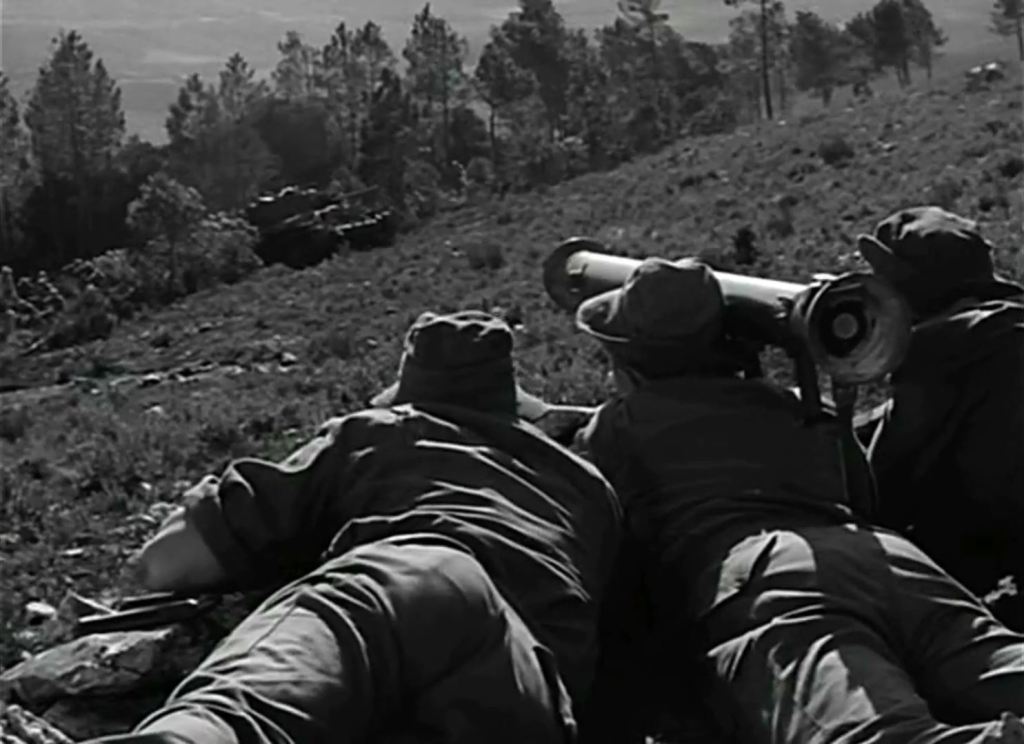
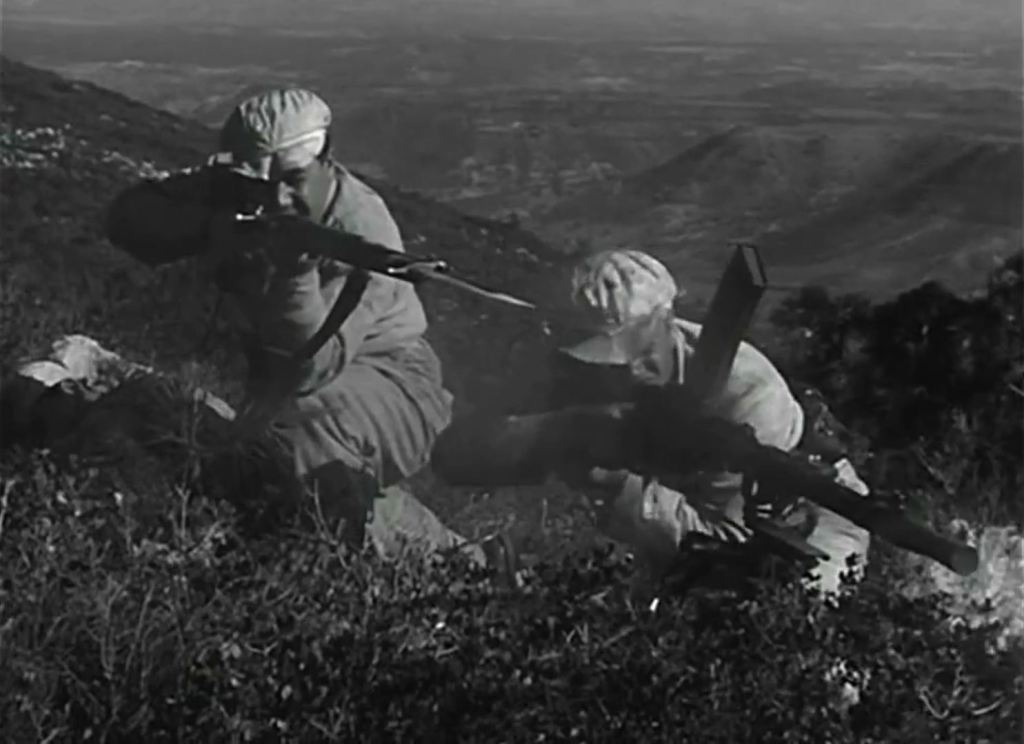
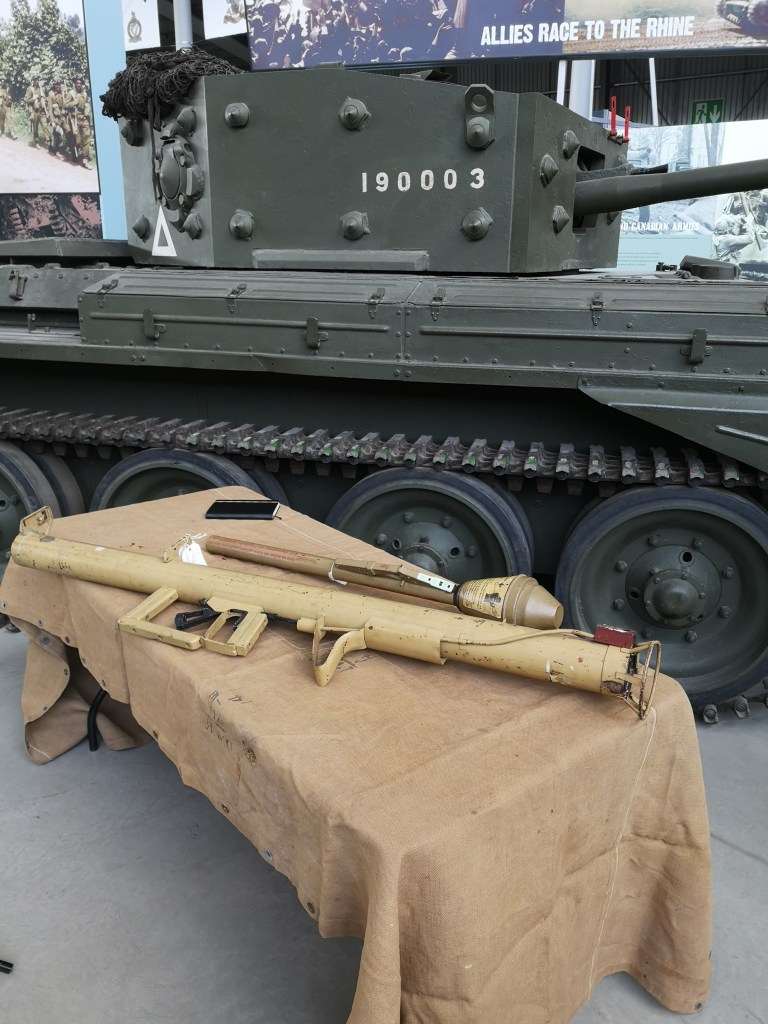
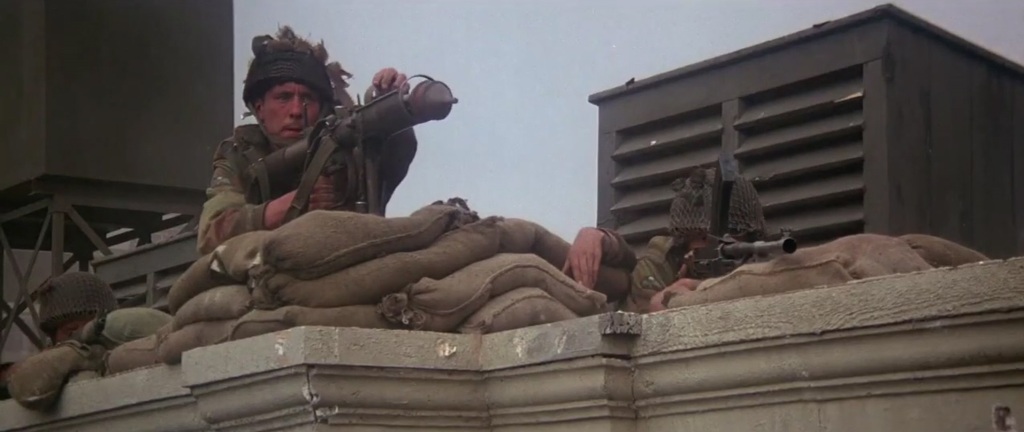
We recently covered the film in an episode of our Fighting On Film podcast and a scene featuring a 3.5in Rocket Launcher stood out. The patrol uses the rocket launcher against a Chinese tank, which appears to be a captured British Cromwell. The film shows the bazooka being assembled and its team moving closer, stating that to be sure of a hit they want to be just 80 yards away. This is comparatively close for a 3.5in rocket launcher, which had an effective range of 300 yards.
The Bazooka team take on the Chinese Cromwell
The 3.5in was a brand new weapon in 1951. It had been developed in the US before the start of the war and facing communist T34/85s it was rolled out to most of the UN ground forces in the theatre (alongside recoilless rifles and smaller M9A1 rocket launchers). Better known as the M20 Super Bazooka in US service urgent operational requirements saw the 3.5in R.L. replace the PIAT as the British infantry’s platoon anti-tank weapon. In the TAB reference collection we are lucky enough to have an original copy of the provisional manual for the 3.5in R.L. which was compiled during the war in 1951.
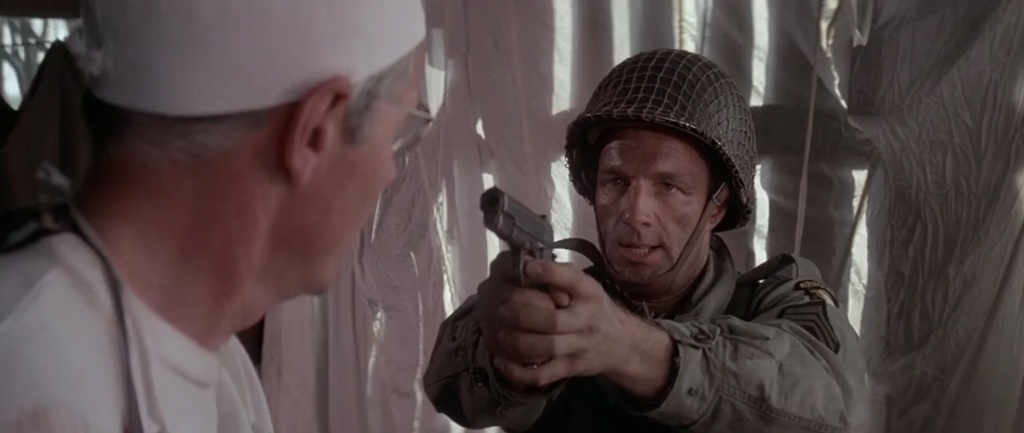
The anti-tank team who operate the 3.5in R.L. in the film
The film shows the weapon being fired twice, successfully knocking out the tank. It’s perhaps the only depiction of British troops using the 3.5in rocket launcher and certainly one of the better depictions of it in film. We don’t get to see the rocket being loaded but we do see the No.2 attaching the contact wires at the rear of the tube. The first round hits the tank’s hull while the second strikes the track and the tank rolls backwards and explodes! Once the rocket launcher team get back to the main defensive position we even see the No.1 breaking the weapon down into its too parts.
During the battle of Imjin River itself, the bazooka was put to good use by a number of units including the Gloucestershire Regiment, the Royal Ulster Rifles and the Belgian battalion. Using the weapons to knock out Chinese machine gun positions and break up the human wave assaults. During an attack on Gloster positions in the early hours of the 22nd April, Lance-Corporal Joe Farrell recalled how the Glosters blasted Chinese troops using some boulders as cover. After three days desperate fighting the 29th Infantry Brigade had lost almost a quarter of its strength, suffering over 1,000 casualties. The rest managed to fight their way out.
Royal Northumberland Fusiliers advancing to positions on the Imjin River, April 1951, (IWM)
I felt it was important to discuss the battle on its 70th anniversary as it sadly continues to be largely forgotten. The Glosters and the men of 29th British Independent Infantry Brigade Group fought a very hard battle against massively overwhelming odds, I would definitely urge you to read more about the battle and the war itself. I would also recommend seeking out A Hill In Korea, it is a fascinating film.
If you enjoyed this video and article please consider supporting our work here. We have some great perks available for Patreon Supporters. You can also support us via one-time donations here.Thank you for your support!
It’s essential for soldiers to know how to use and maintain their weapons properly. We’ve been collecting training manuals, pamphlets and handbooks (as part of the TAB reference collection) to give us a wider understanding of how troops were trained and how they used their weapons.
In this video we take a look at the British Army’s 1942 small arms training pamphlet for the ‘Thompson Machine carbine’.
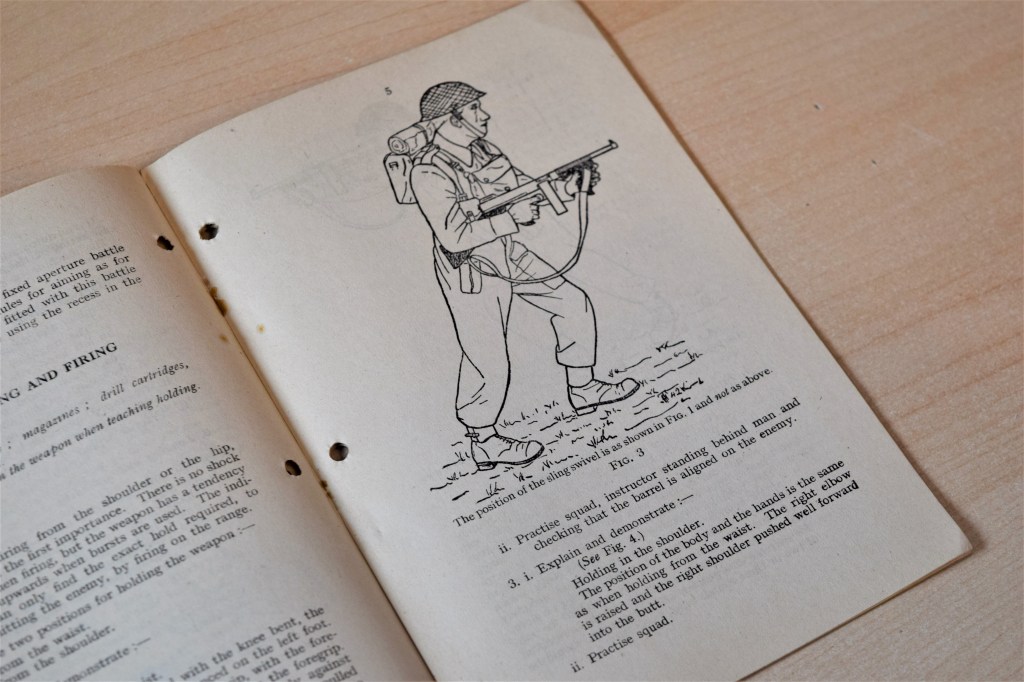
Diagram showing firing the hip (Matthew Moss)
The pamphlet, issued in July 1944, is written for instructors to train troops how to handle, maintain and use the Thompson. The pamphlet was eventually superseded by one covering both the STEN and Thompson.
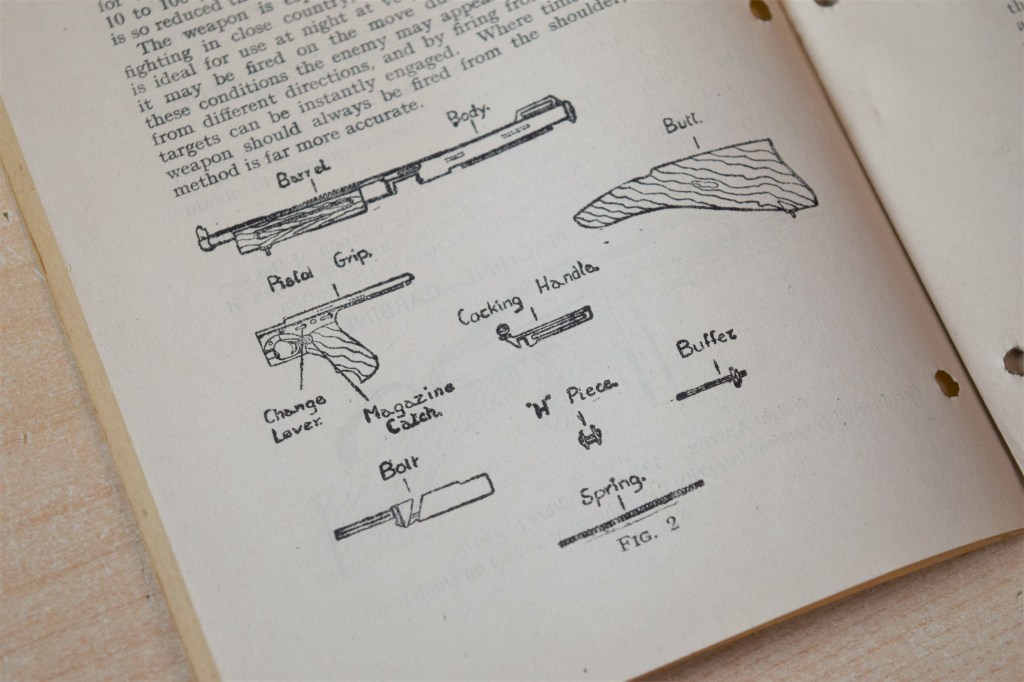
Diagram showing the Thompson Machine Carbine disassembled (Matthew Moss)
The pamphlet is just 12 pages long but includes some interesting insights and an appendix looking at the ‘spotlight projector’ training instrument.
If you enjoyed these videos and this article please consider supporting our work here. We have some great perks available for Patreon Supporters. You can also support us via one-time donations here.Thank you for your support!
Here’s a behind the scenes look at the filming Matt did at The Tank Museum for the upcoming ‘Rhineland 45 – Decision in the West’ documentary being produced by Realtime History, the guys behind The Great War!
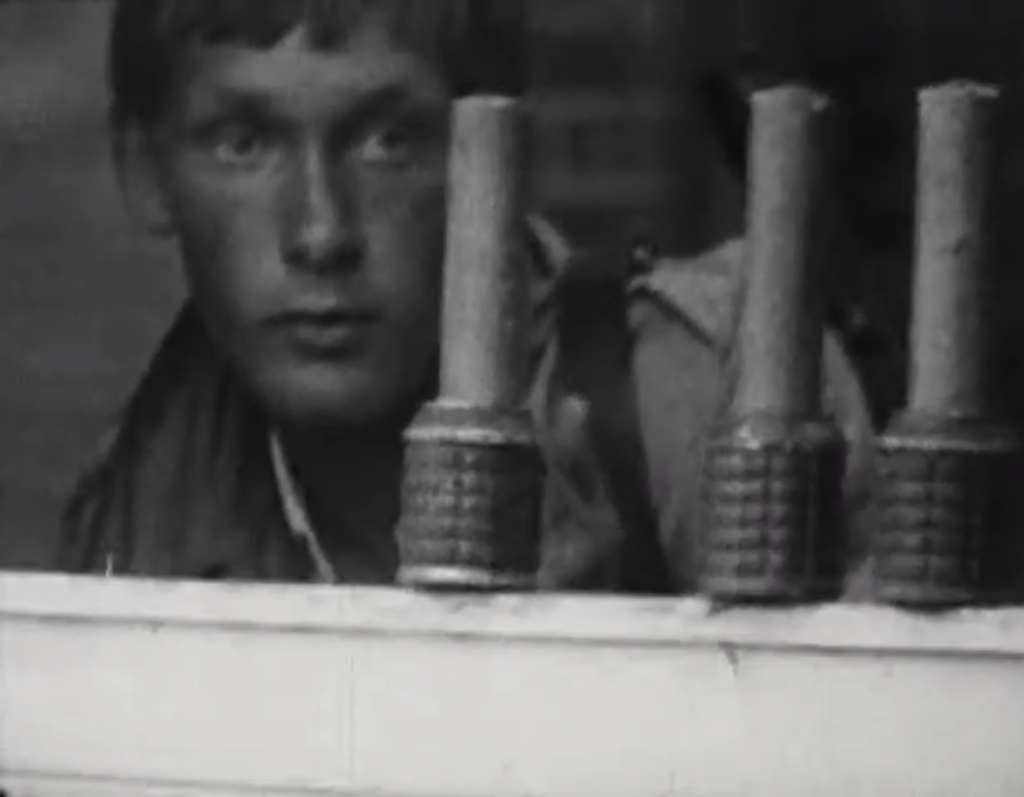
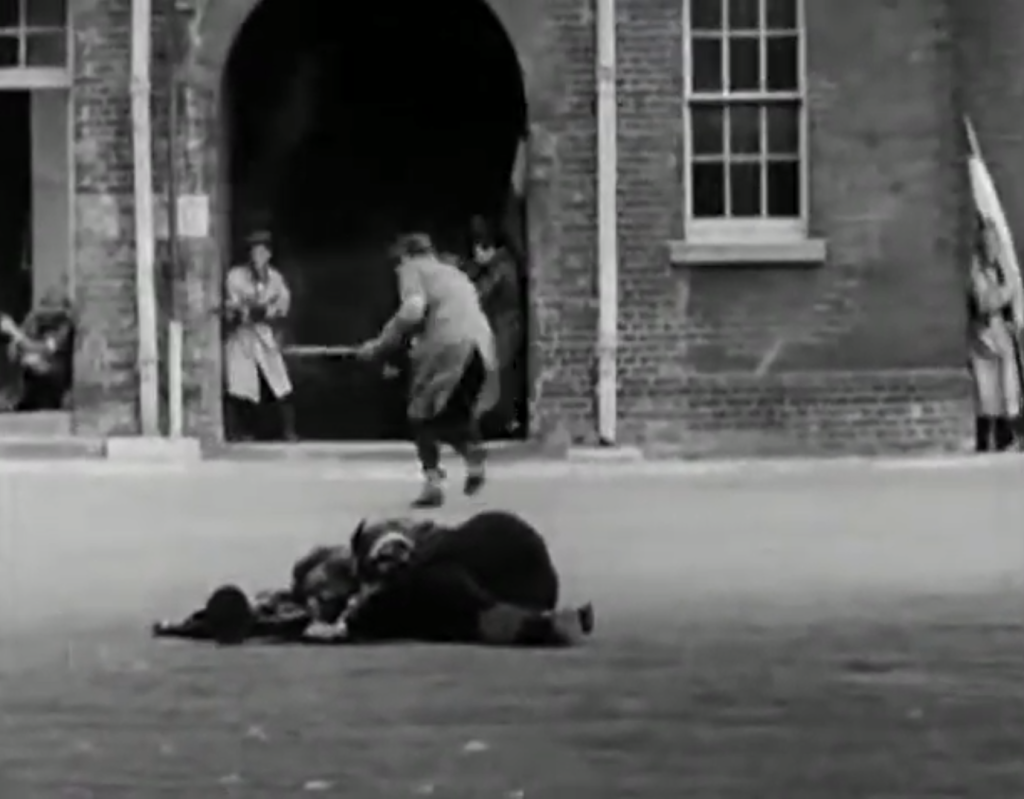
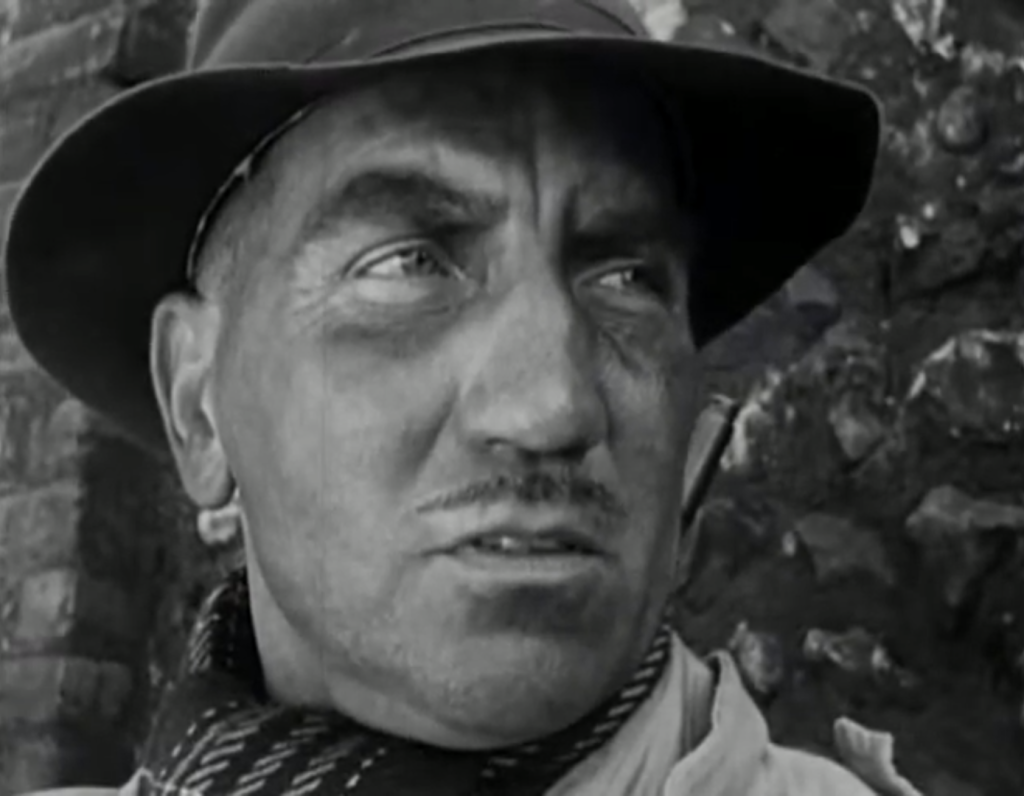
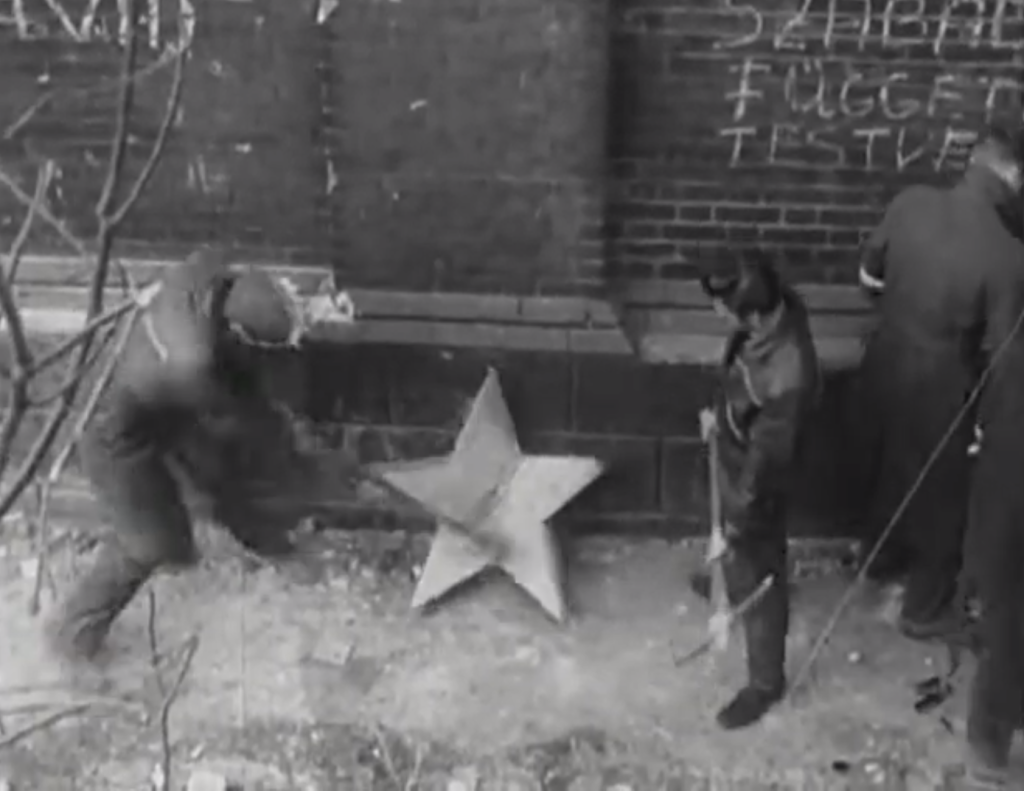
This week we look at two of acclaimed British director Peter Watkins’ formative amateur films: The Diary of an Unknown Soldier (1959) & The Forgotten Faces (1960). Perhaps best known for his later 1964 film Culloden and 1965’s ground-breaking nuclear war film The War Game. These two early films are especially fascinating as you can see Watkin’s distinct style develop through them.
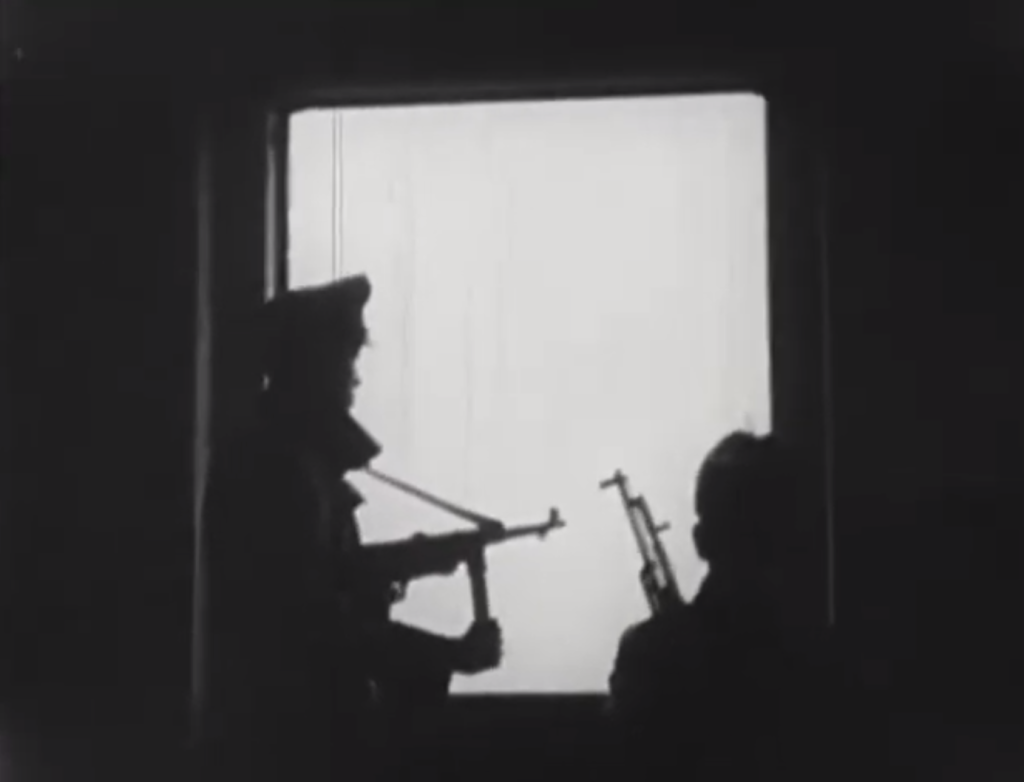
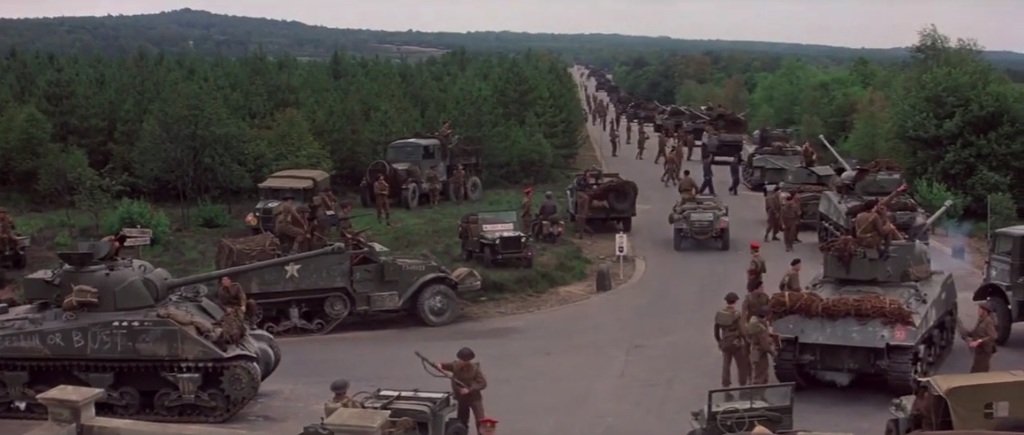
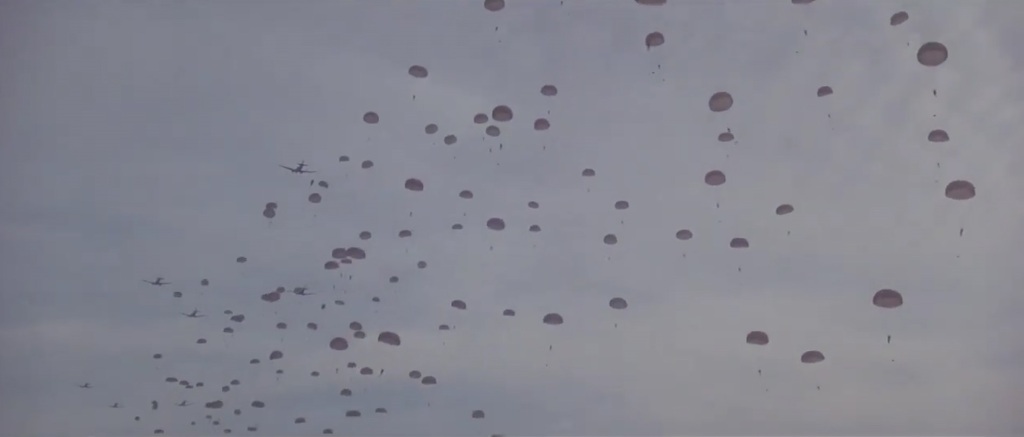
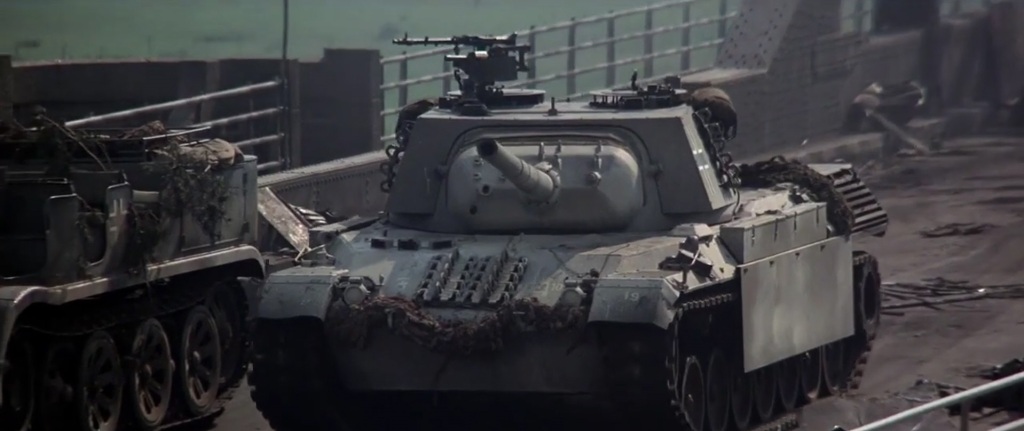
This week we tackle a true classic, Richard Attenborough’s ‘A Bridge Too Far‘, with some help from renowned comedian and history buff Al Murray. Al joined us to talk about one of his (and our) favourite war films. With a truly stellar cast the film takes on the epic story of Operation Market Garden. Join us as we leap from a Dakota and push on to the bridge!
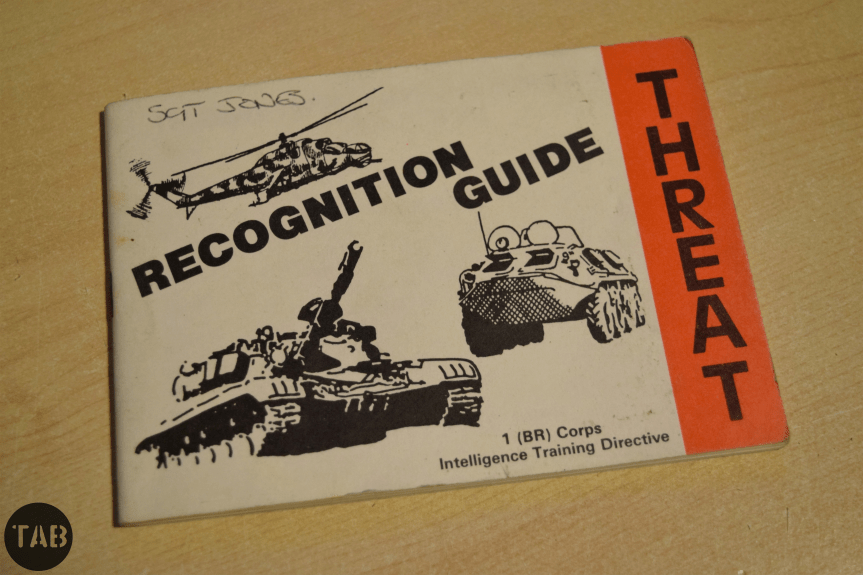
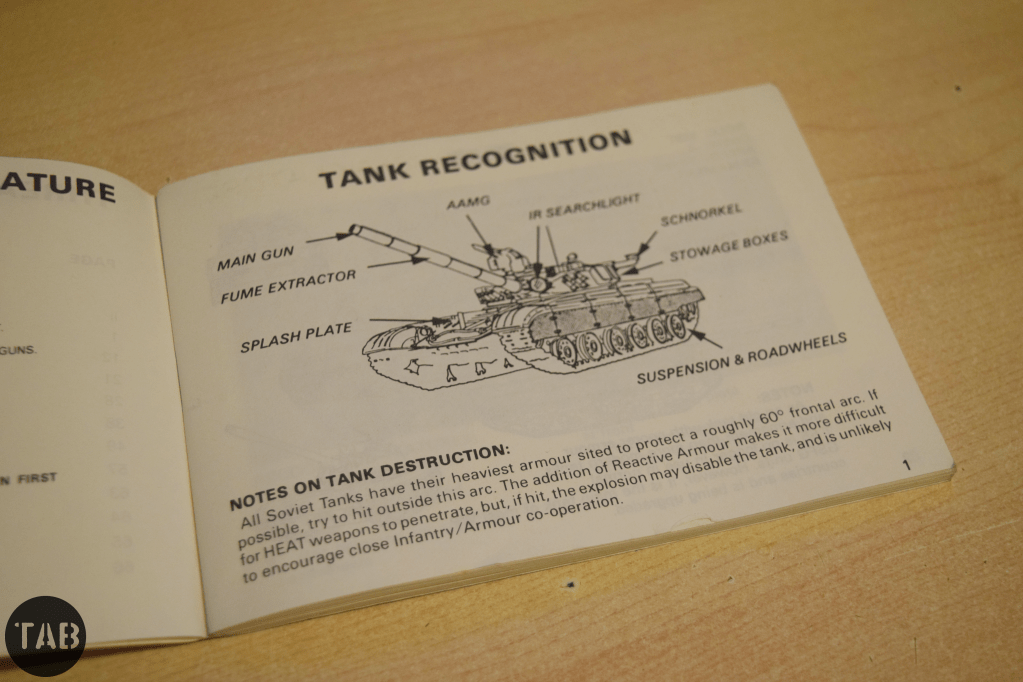
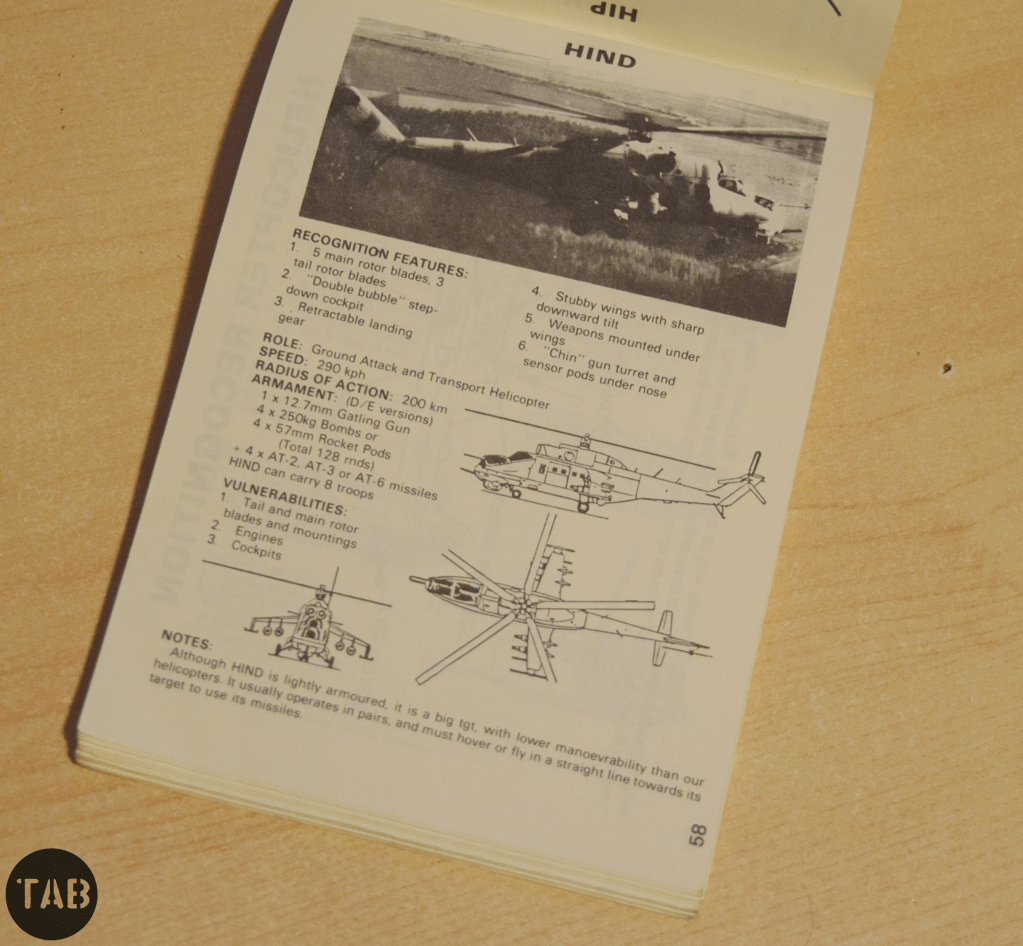
It’s the 1980s and the British Army Of the Rhine is still stationed in West Germany facing down the USSR’s forces. The Cold War has gotten hot and the 3rd Shock Army is approaching your dugout but how do you differentiate a BTR from a BMP? This handy British Army THREAT Recognition Guide booklet gives you everything you need to know about the Soviet armour, infantry and aircraft you’re facing!
Continuing on from our earlier look at a British Army threat Recognition Guide to Iraqi Ground Forces issued during the Gulf War, we dig into the TAB reference collection again and take a look at this Threat Recognition Guide looking at Soviet air and ground forces facing the British Army of the Rhine in the 1980s.
The Group of Soviet Forces in Germany (GSFG) in East Germany throughout the Cold War were an ever present threat to West Germany and NATO. This recognition guide covers all of the USSR’s main battle tanks, armoured personnel carriers, and infantry fighting vehicles, as well as artillery systems and some of the close support aircraft which would have accompanied the attacking Soviet forces.
The pages of the recognition guide include photographs, diagrams, basic specs and recognisable features of the various enemy vehicles. It was put together by the Intelligence Directorate of BAOR’s 1 Corps.
If you enjoyed these videos and this article please consider supporting our work here. We have some great perks available for Patreon Supporters. You can also support us via one-time donations here.Thank you for your support!
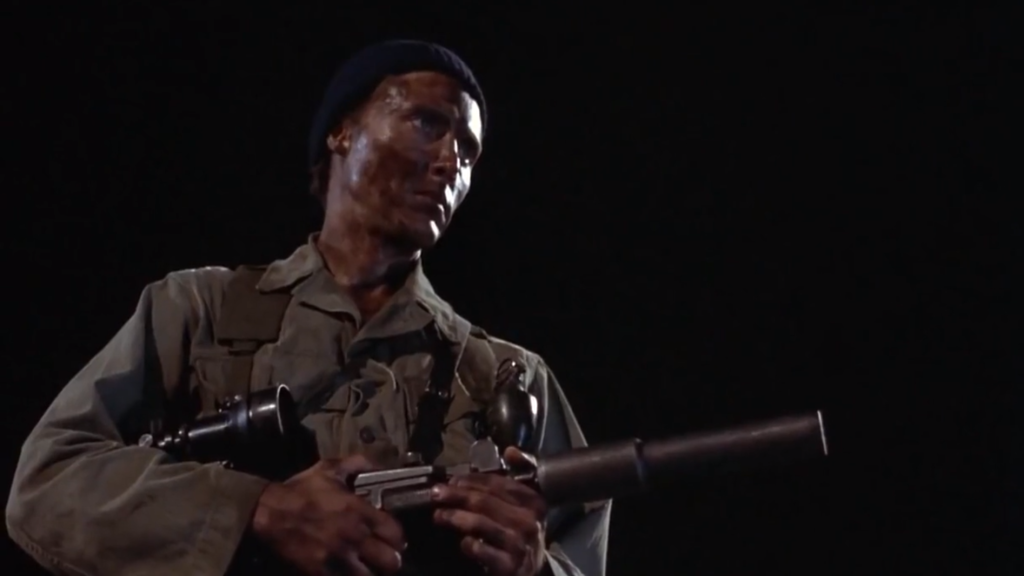
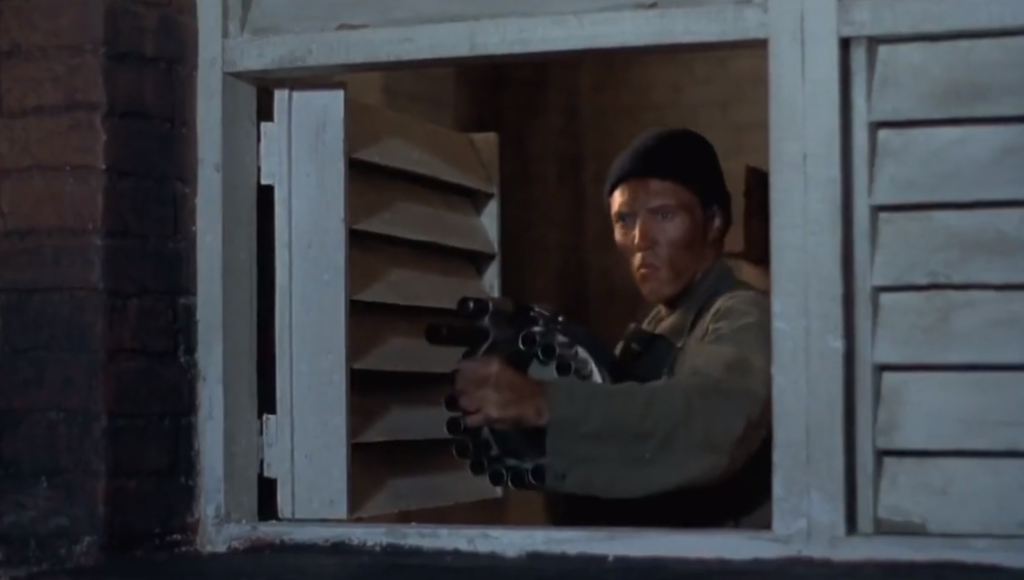
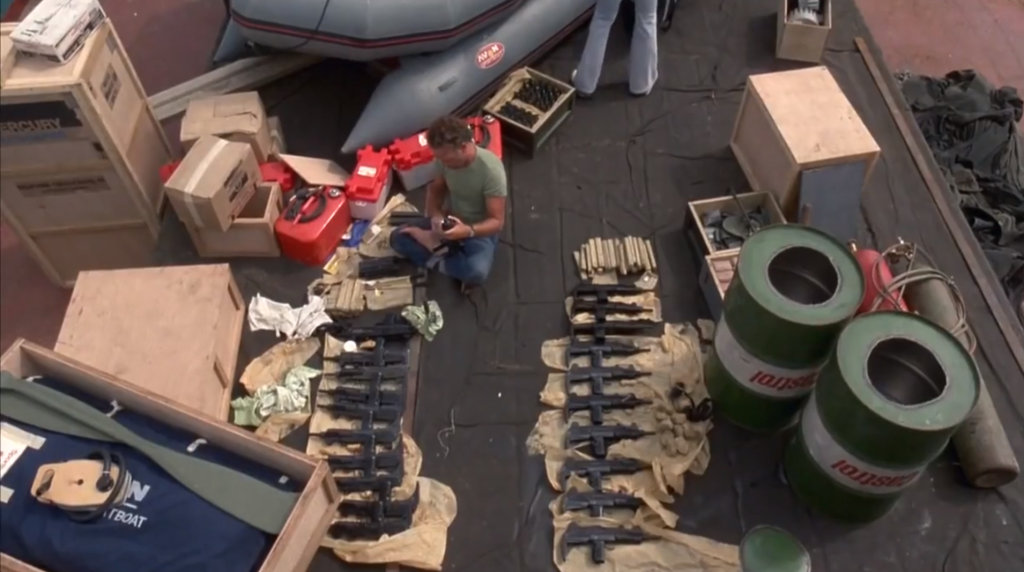
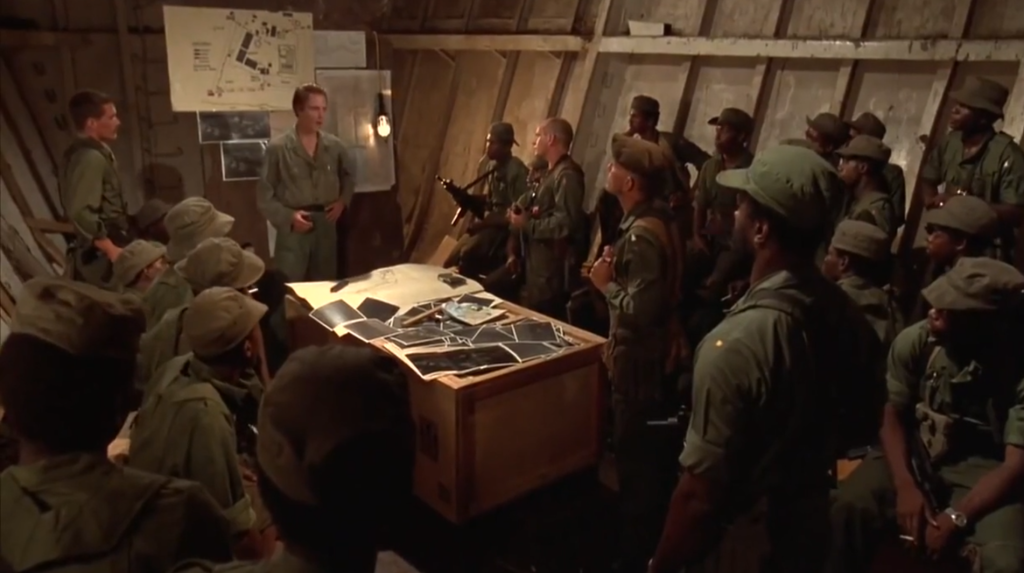
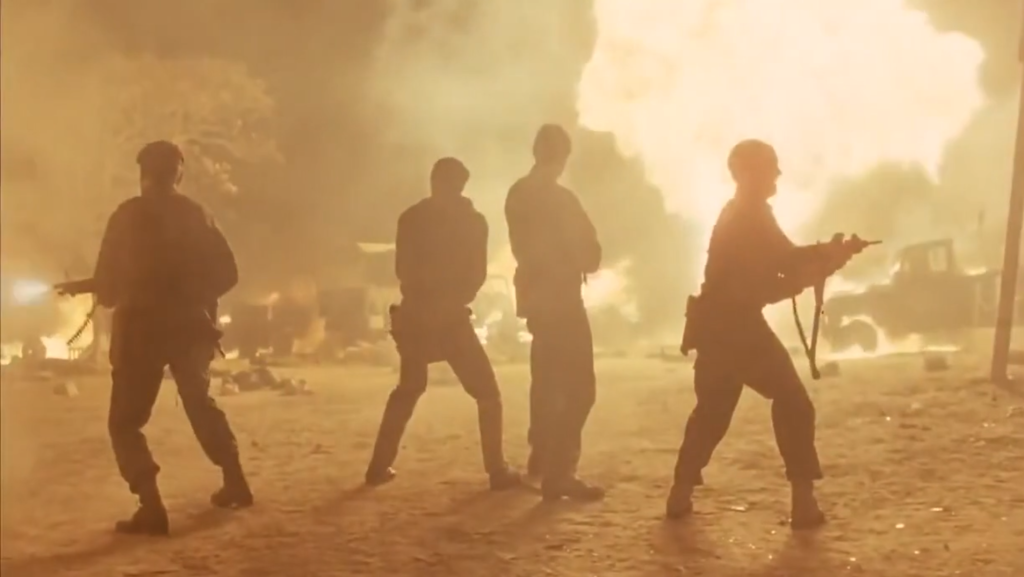
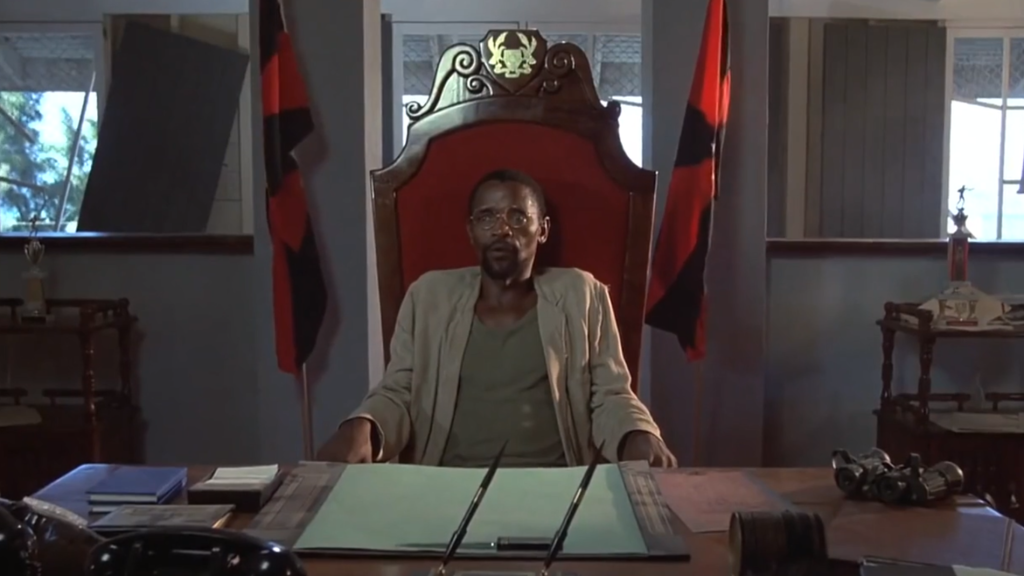
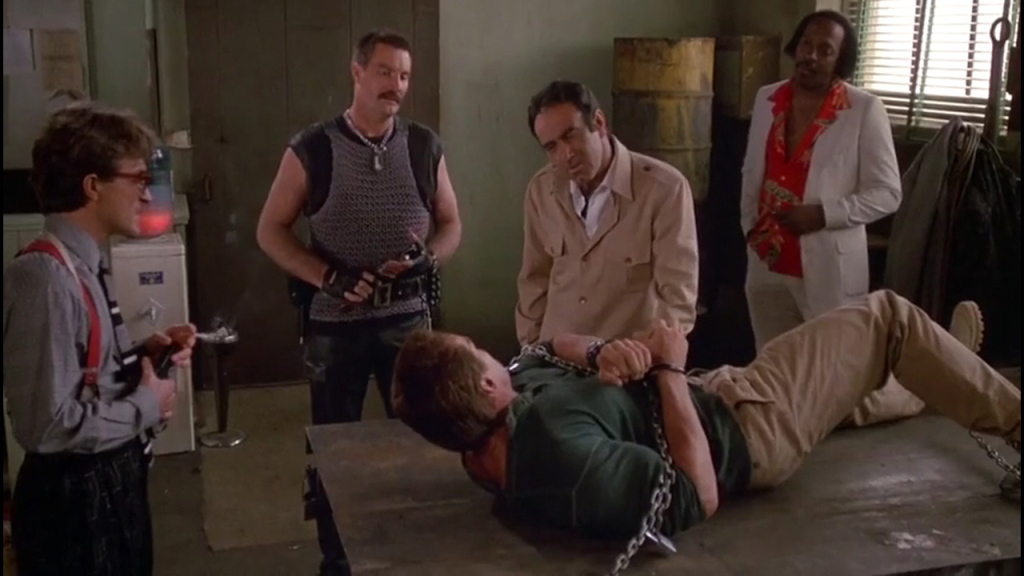
Vic joins Matt and Robbie to bring Fighting On Film’s Merc Month to a close looking at a classic of the genre, ‘The Dogs of War’ staring Christopher Walken & Tom Berenger. Directed by John Irvin and with cinematography from the legendary Jack Cardiff it adapts Frederick Forsyths book about a mercenary led coup in a fictional African republic of Zangaro!
Zip up your combat jackets & load up your ammo belts! Today we dive into 1985’s Commando starring none other than Arnold Schwarzenegger! The cult classic is chock full of action and macho bravado. It still entertains over 30 years later!
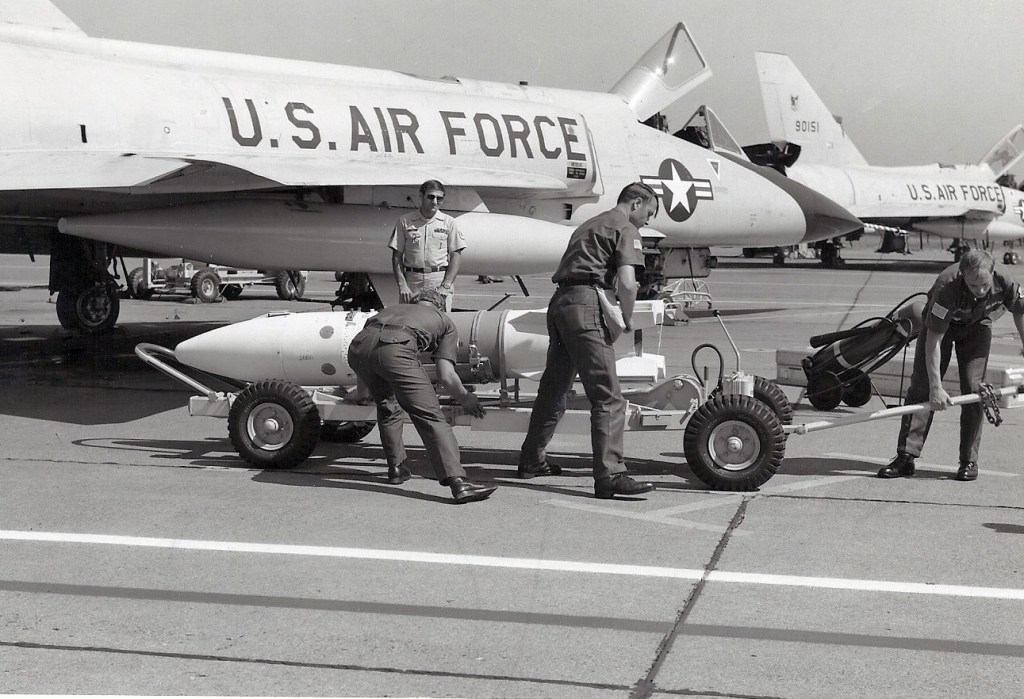
The MB-1/AIR-2 ‘Genie’ was the world’s first nuclear-armed air-to-air weapon and remains the most powerful missile ever deployed aboard U.S. Air Force interceptors. Developed as the Cold War began to heat up it would be carried aboard a succession of aircraft including the F-89, F-101B Voodoo, and the F-106 Delta Dart.
The MB-1 (later the AIR-2) was an air to air rocket with a 6 mile range and a 1.5 kiloton W25 nuclear warhead. It was ostensibly a tactical nuclear weapon designed to take on Soviet strategic bomber formations. The early 1950s saw the Soviet Union’s strategic bomber capability expand from the Tu-4, B-29 Superfortress copy, to include the Tupolev Tu-16 and Tu-95 and the Myasishchev M-4. These new long-range, nuclear capable bombers posed a serious threat to the continental United States. It was decided that only nuclear anti-aircraft weapons could counter the new high-flying Soviet bombers. Development began in 1954 with the project code-named “Genie” by the Air Research and Development Command.
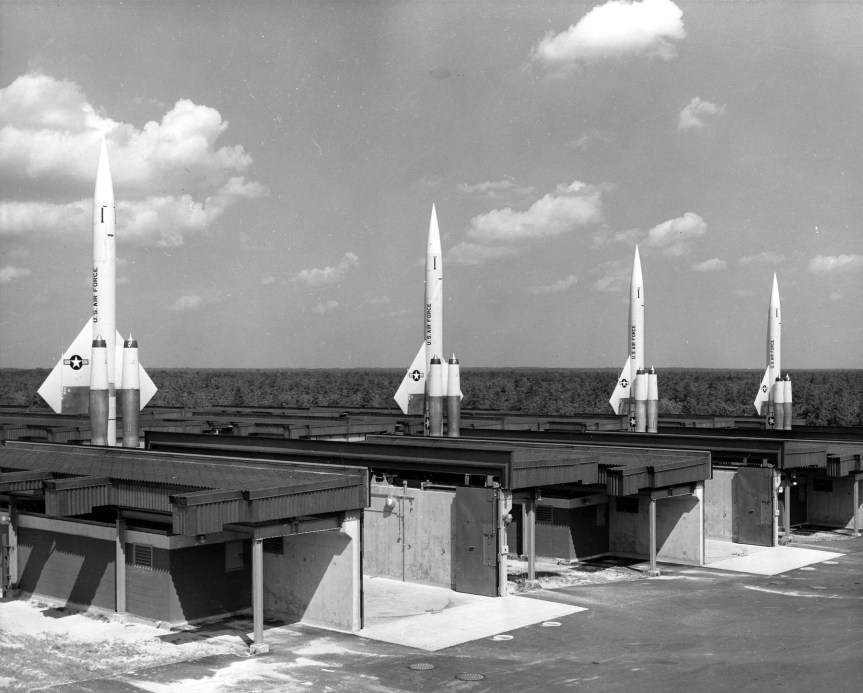
We’ve previously looked at the Boeing BOMARC, the world’s first long-range surface to air missile, whose role was similar to the air-launched MB-1 – to engage incoming Soviet bombers. During the early 1950s, before the emergence of ICBMs, the USAF expected the main nuclear threat to the United States to come via massive attacks by Soviet long-range bombers carrying atomic bombs.
The USAF hoped that weapons like the BOMARC and the MB-1 would be able to engage and neutralise large soviet formations before they reached their targets. This would be achieved by USAF interceptors scrambled to meet the incoming Soviet aircraft, the interceptors would move into engagement range and launch their MB-1 missiles, turning away to avoid the blast. The Genie would detonate inside or near the Soviet formations breaking up their attack. For this role, attacking massed enemy aircraft, the Genie certainly appears to be an efficient weapon concept. However, like the BOMARC it quickly became obsolete as the Soviets moved away from strategic bomber aircraft and embraced long-range intercontinental ballistic missiles.
BOMARC Site No. 1 at McGuire Air Force Base (USAF)
Development of the MB-1 was carried out by the Douglas Aircraft Company. Physically, the plump-looking air-to-air nuclear rocket was 9ft 2in long and 17.5in in diameter, weighing in at just over 820lbs (372kg). The weapon had four fins, which spanned over 3 feet, these deployed once launched and helped to stabilise the Genie’s flight.
The Genie carried a 1.5-kiloton W-25 nuclear warhead and was powered by a solid-fuel rocket engine developed by Thiokol. It could reach speeds up to Mach 3.3 and travel just over 6 miles before detonating. It’s effective blast radius was estimated to be just short of 1,000 feet (300m), the Genie relied upon this area effect as guidance systems small enough to be fitted to a missile were in their infancy, as a result the Genie was essentially an unguided rocket with no onboard guidance.
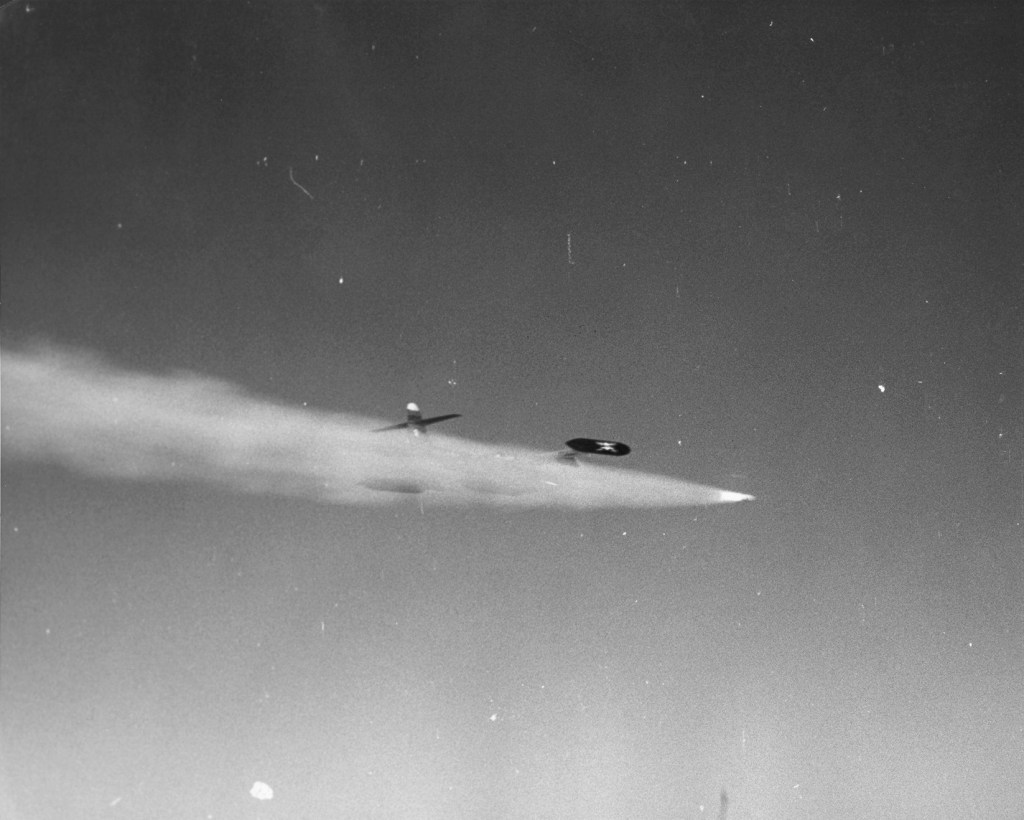
An Northrop F-89J has the distinction of being the only aircraft to fire a live MB-1 Genie during the Operation Plumbbob tests on 19th July, 1957. The F-89 was flown by Captain Eric W. Hutchison, with Captain Alfred C. Barbee acting as Radar Intercept Officer. They launched the Genie at around 18,500 feet, the nuclear-tipped Genie accelerated to Mach 3 and travelled 2.6 miles in less than 5 seconds. While operationally the weapon would have detonated by a time-delay fuse the Plumbbob detonation was triggered by a signal from the ground.
The F-89, flown by Captain Eric W. Hutchison, firing a live MB-1 during Operation Plumbbob’s Test Shot John, 1957 (National Nuclear Security Administration)
Test shot John was a form of controlled human testing, with not only those on the ground, beneath the blast tested for radiation dose sizes but also the crews of the aircraft that launched the rocket. This contemporary film about the test notes that “neutron and gamma doses for the three crews did not exceed 5 Reps and 3 Roentgens respectively.
A later report noted:
“Neutron and gamma radiation dosages received by the crew members were less than had been predicted. To some extent this may he attributed to the effect of aircraft shielding. which was not utilized in the theoretical predictions. No crew member received more than 5 Reps neutron and 3r gamma during his participation. The experiment proved that the MB-1 air-to-air rocket can be successfully launched by the F-89 aircraft at 19,000 feet MSL with a radiation dose to the delivery crew within acceptable limits.”
The yield of the explosion was estimated to have been 1.7 kilotons. 18,500 feet below, at ground zero, five USAF officers and a photographer volunteered to stand under the blast to prove that the weapon was safe for use over populated areas. The radiation doses received by the F-89 crew and the men on the ground were reportedly small.
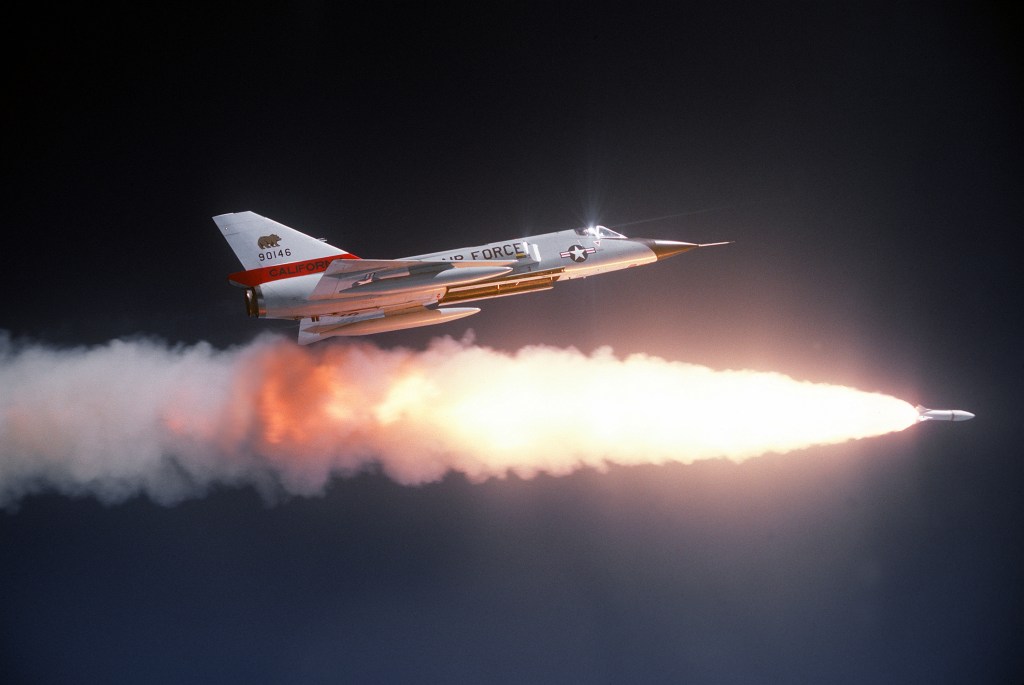
An F-106 Delta Dart aircraft after firing an ATR-2A missile over a range. The aircraft is assigned to the 194th Fighter Interceptor Squadron, California Air National Guard (USAF)
The MB-1 became the primary air to air weapon of the F-106 Delta Dart, this footage includes and illustration showing how the MB-1 was deployed from the F-106 as well as some of the live missile tests with inert missiles during the development of the Delta Dart’s launch system for the Genie.
Douglas built more than 1,000 Genie rockets before terminating production in 1962. In June 1963, the MB-1 Genie rockets were re-designated in the AIR-2 and later the ATR-2A. The USAF’s operational deployment of the Genie ended in late 1980s with the retirement of the last F-106 Delta Darts. The Genie’s other operator, the Royal Canadian Air Force, continued to operate the Genie aboard until 1984.
Bibliography:
OPERATION PLUMBBOB, Technical Summary of MiIitary Effects, 1962, Defense Atomic Support Agency, (source)
‘MB-1 Documentary’, Douglas Aircraft Company via US National Archives, (source)
‘Five Men at Atomic Ground Zero’ Operation Plumbbob Test Shot John footage, Atomic Central, (source)
‘The F102A – F106A Annual Review 1957’, technical review of the Delta Dagger, USAF via San Diego Air and Space Museum Archives, (source)
’19 JULY 1957 – FIVE AT GROUND ZERO’, CTBTO, (source)
If you enjoyed these videos and this article please consider supporting our work here. We have some great perks available for Patreon Supporters. You can also support us via one-time donations here.Thank you for your support!






 The Armourers Bench