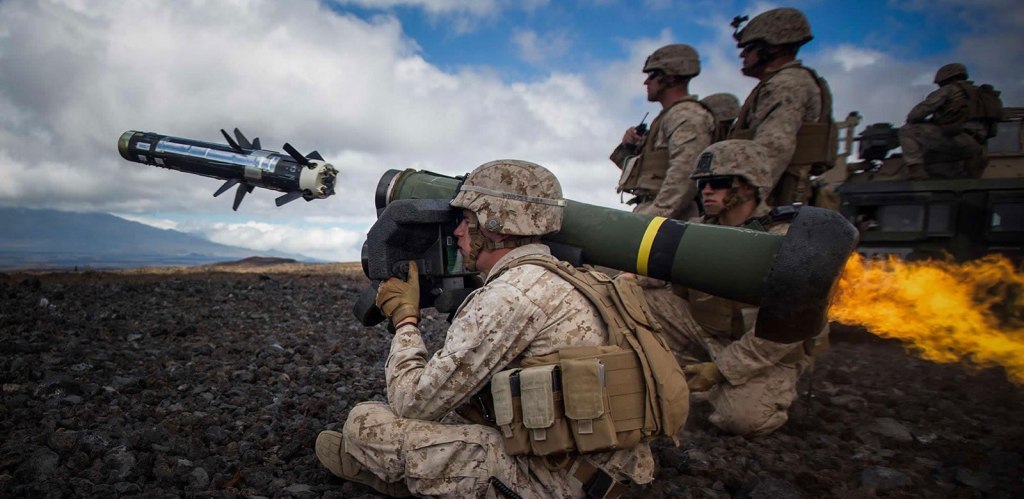
What connects calculators to the Javelin FGM-148 Anti-tank guided missile? That might sound like an odd question but what links one of the most successful scientific calculator companies and one of the most widely fielded modern infantry anti-tank weapons is the company which developed them.
Texas Instruments is a household name, especially in the US, better know for its calculators than weapons of war but from the 1940s through to the 1990s they were leaders in defence electronics.
Javelin FGM-148 (US Government)
Javelin was developed by Texas Instruments in cooperation with Martin Marietta (now Raytheon and Lockheed-Martin). In the mid-1980s it beat off competition from Ford Aerospace and Hughes Aircraft to win the US Army’s AAWS-M (Advanced Anti-Tank Weapon System—Medium) program to replace the M47 Dragon. So while the company’s calculator division was running television adverts featuring Dracula the Texas Instruments’ defence arm were developing a next generation anti-tank guided missile.
In June 1989, Texas Instruments and their partner company Martin Marietta were awarded the AAWS-M development contract and the Javelin was adopted as the FGM-148. Javelin continued development and testing throughout the 90s before entering service.
The infrared guided man-portable fire-and-forget anti-tank missile has been in service with over a dozen countries for over 20 years and is still produced under the joint venture between Raytheon Missiles & Defense and Lockheed Martin.
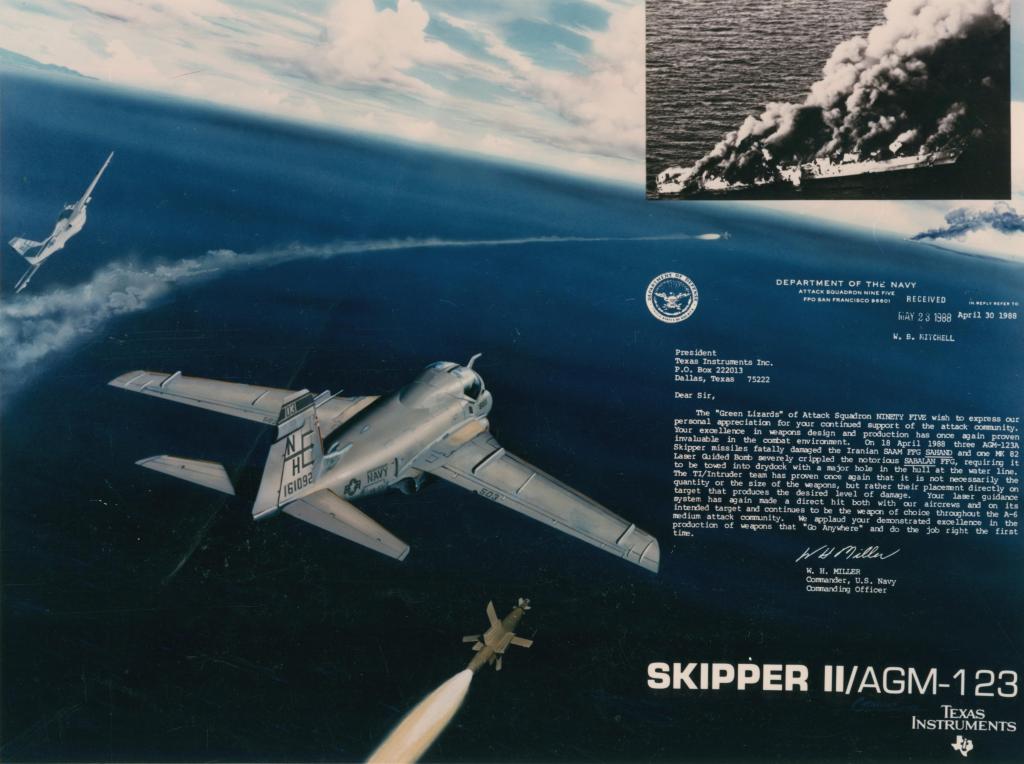
Skipper II AMG-123 (Texas Instruments)
Javelin wasn’t the only weapon Texas Instruments had a hand in developing, they also developed the AGM-88 Harm air-to-surface missile, AGM-123 Skipper anti-ship missile, the AGM-45 Shrike anti-radiation missile, the AGM-154 Joint Standoff Weapon and the Paveway laser-guided bomb. Texas Instruments’ involvement in the defence industry ended in 1997, when they sold off their defence division to Raytheon in a deal worth $2.95 billion at the time.
This short video came from some ongoing research I’m doing at the moment for an upcoming video on another missile called Javelin! Stay tuned for that.
If you enjoyed this video and article please consider supporting our work here. We have some great perks available for Patreon Supporters – including custom stickers and early access to videos! Thank you for your support!
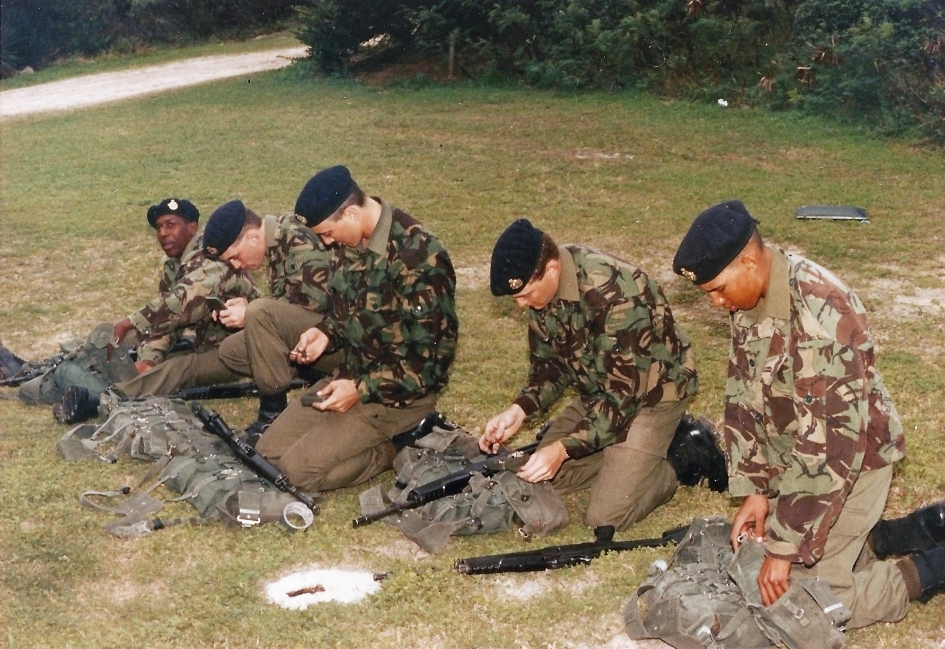
Formed in 1965 the Royal Bermuda Regiment (RBR) is a territorial line infantry battalion, whose primary role is internal security. The regiment is essentially a territorial or Army Reserve battalion with around 600 part-time troops. Bermuda itself is a British Overseas Territory and is one of several territories to have its own British Army overseas regiments. Initially equipped with the British Army’s L1A1 self-loading rifle, the Mini-14 was selected by the Royal Bermuda Regiment in 1983 to replace the L1A1. The 1980s saw a number of other British Army affiliated units move away from the L1A1, with the Falkland Islands Defence Force selecting the Steyr AUG.
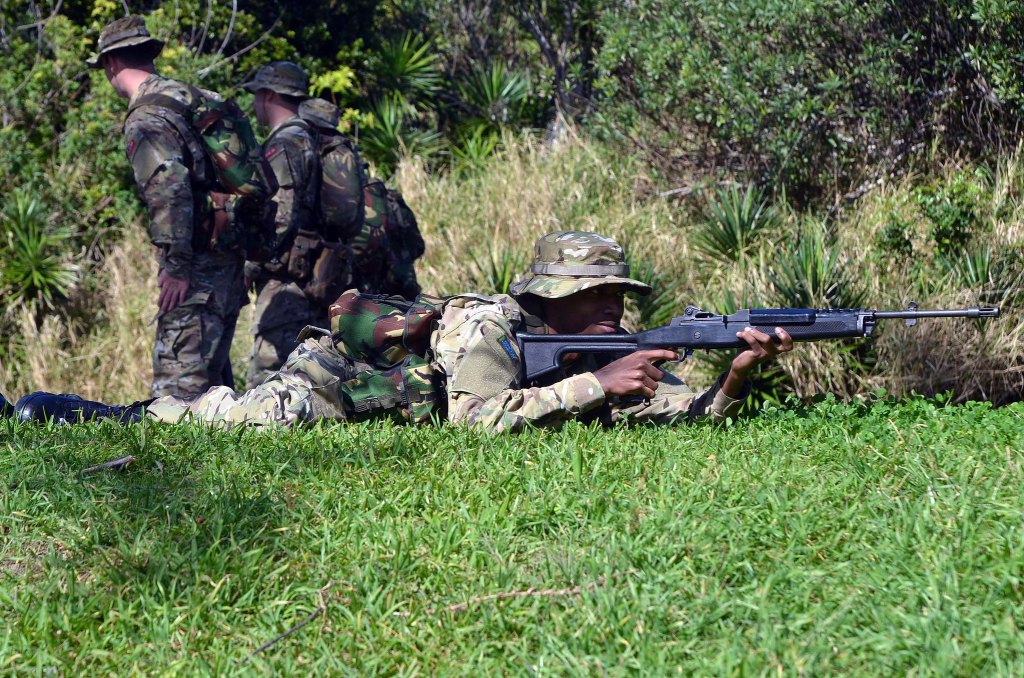
A Royal Bermuda Regiment recruit with a Mini-14, c.2012 (RBR)
The Mini-14 GB (Government Barrel) semi-automatic rifle was purchased from Ruger. The Mini-14 GB had a thicker profile barrel with a a flash hider and mounting lug for the US M7 bayonet. The Royal Bermuda Regiment issued the Mini-14s with 20 round magazines. They were initially shipped with standard wooden stocks but in the early 1990s black polymer stocks with pistol grips were procured from Choate. Another unique attribute of the Regiment’s Mini-14s is the regimental crest stamped on the left side of the receiver. Less than a thousand rifles were produced for the Royal Bermuda Regiment.
In terms of drill with the Mini-14 it is unclear what drill the RBR adopted with the wooden-stocked rifles though it likely drew on British Army drill with Lee-Enfield pattern rifles. Since the refitting of the rifles with the Choate stock it appears that the Regiment adapted the drill laid down for the L1A1. Both rifles have pistols grips, long butt-stocks and exposed barrels which project from the forend.
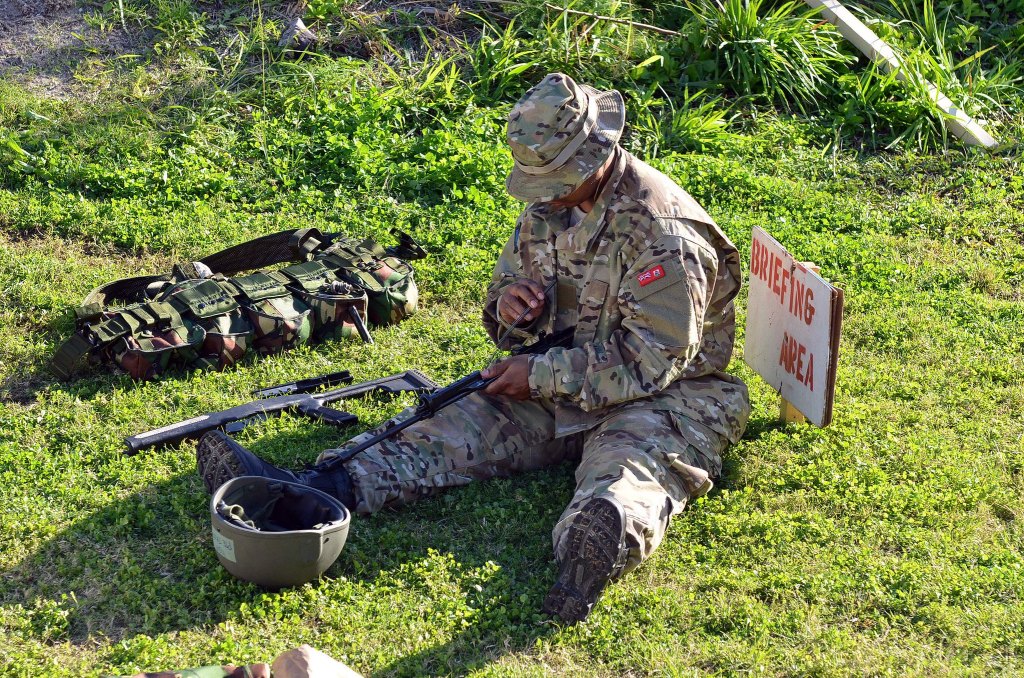
A Royal Bermuda Regiment recruit reassembling a Mini-14, c.2012 (RBR)
The Mini-14 was developed in the late 1960s by L. James Sullivan and William Ruger, chambered in .223 Remington / 5.56x45mm it is a gas operated rifle with a rotating bolt. The rifle was essentially developed as a scaled-down M14 with a cast receiver and a simplified gas system and bolt.
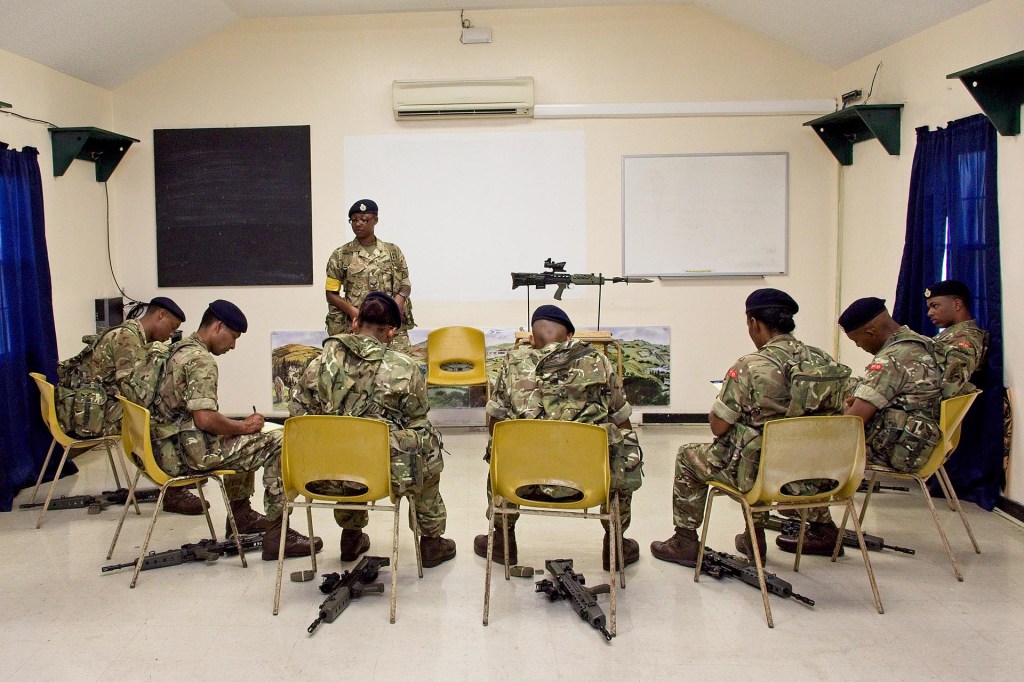
The search for a weapon to replace the Ruger began in the 2010s with the German Heckler & Koch G36 and the US M4 both being tested. The HK G36 was selected but budget constraints saw the British L85A2 adopted instead. In 2012 the Royal Bermuda Regiment had entered into an agreement with the UK’s Ministry of Defence procurement office to allow purchase of some equipment such as the new Multi-Terrain Pattern (MTP) uniforms which replaced Combat Soldier 95 DPM uniforms. It was announced that in the future other personal equipment including boots, body armour and webbing could also be procured via the UK procurement system. This closer cooperation likely paved the way for adoption of RBR configuration L85A2s. The rifles, along with 1,600 magazines and over 400 ACOGs were donated to the regiment. News reports at the time stated the value of the donated equipment was $1.4 million. The switch to the L85A2 began in 2015 and was completed in early 2016.
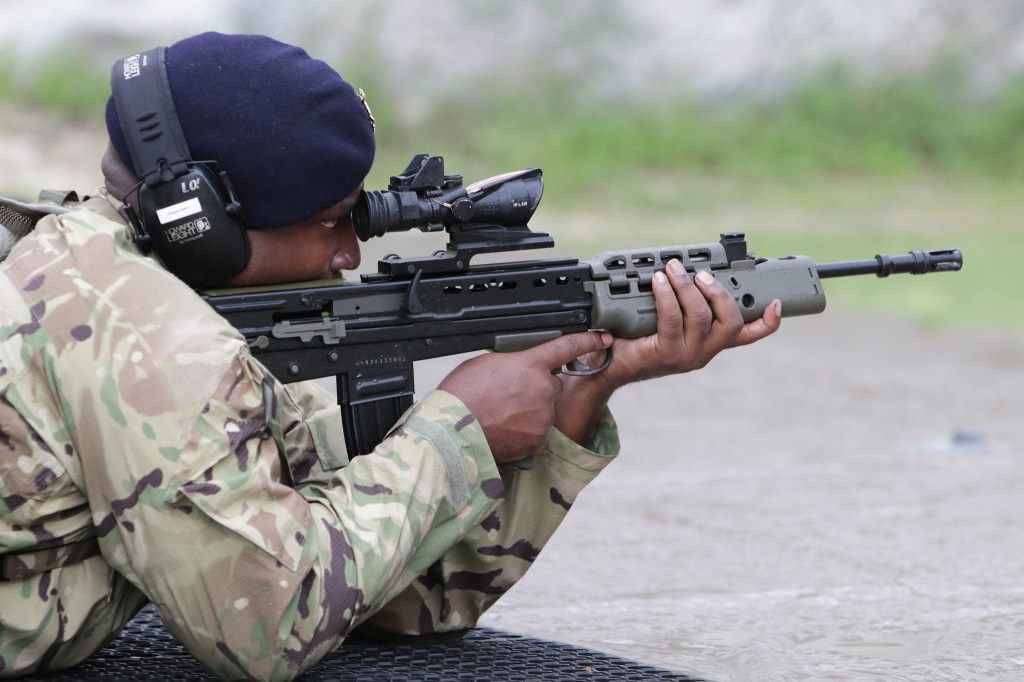
The rifles appear to have the HK-designed conventional L85A2 plastic hand guards instead of the 2009 A2 configuration which saw the instillation of the Daniel Defence railed forend. The SUSAT sight has been replaced by an ACOG, most commonly seen on what became known as the Theatre Entry Standard (or TES) upgraded rifles. The Bermudan SA80 has a riser picatinny rail for mounting the optic, this was initially developed for British issue L85A2s. In British service the ACOG had been procured earlier first for special forces use and subsequently as a wider urgent operational requirement.
An RBR L85A2 is handed back into the armoury, c.2017 (RBR)
On top of the ACOG is a CQB red dot sight, the ACOG has subsequently been replaced in British service by the ELCAN Spectre. The ACOGs donated to the Royal Bermuda Regiment probably came from surplus stores. We can see on some of the photos released by the regiment that the ACOGs are marked ‘IW-LSW’ indicating that they may have previously been paired with the British Army’s L85 Individual Weapon and the L86 Light Support Weapon.
Recruits introduced to the L85A2, note the sight riser with ACOG mounted (RBR)A Royal Bermuda Regiment recruit at the range with an L85A2, note the IW-LSW marking on the side of the ACOG (RBR)
The Royal Bermuda Regiment’s intriguing use of the Mini-14 represents one of the few military procurements of the rifle.
If you enjoyed this video and article please consider supporting our work here. We have some great perks available for Patreon Supporters – including custom stickers and early access to videos! Thank you for your support!
Bibliography:
RBR Recruits at the range with Mini-14s c.2013, BDA Sun, (source)
Rifles worth $1.4m donated to Regiment, Royal Gazette, (source)
RBR Soldiers Get to Grips with Rifles, RBR, (source)
Regiment Soldiers Continue Training Overseas, BerNews, (source)
Island Warrior 15 B-Roll, USMC/Staff Sgt. Albert J. Carls, (source)
Royal Bermuda Regiment Training, USMC/Lance Cpl. Joel Castaneda, (source)
50 Years Strong! The Royal Bermuda Regiment at 50, Royal Bermuda Regiment, (source)
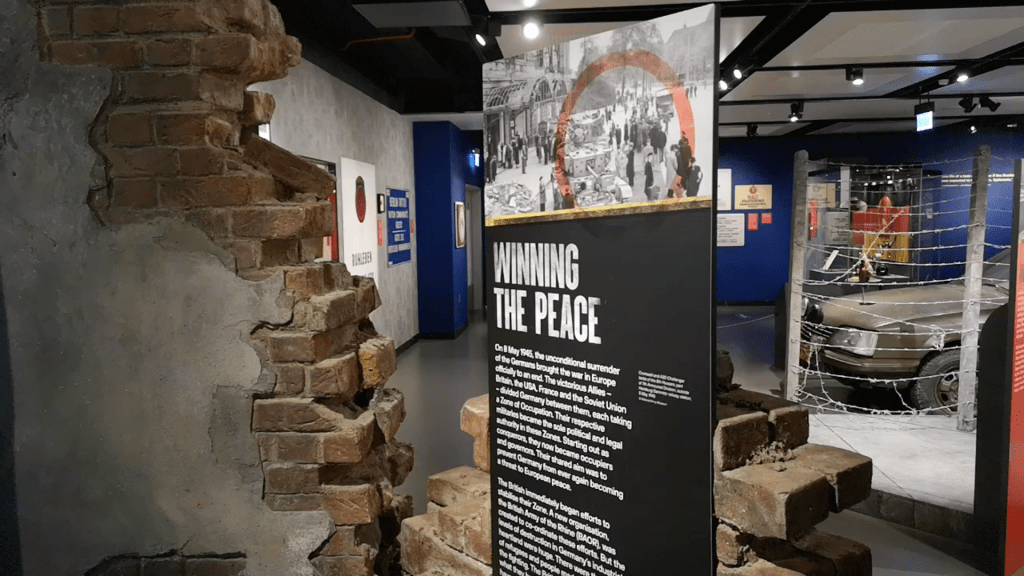
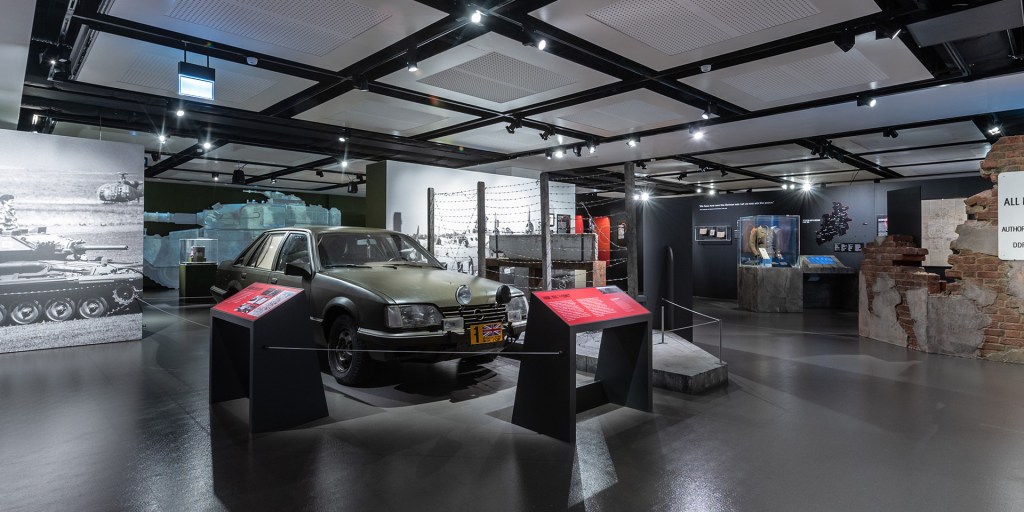
A couple of months ago I visited the UK’s National Army Museum in London. They had an exhibition exploring the history of the British Army in Germany since 1945. Titled Foe to Friend it explores the British Army’s post-war experience in Germany first as an occupier and then as a NATO ally.
Inside the Foe to Friend exhibit (Matthew Moss)
More than a million British soldiers have lived and served in Germany over the past 75 years. The exhibition tries to capture some of their experiences while relating the history of their operations – no small task.
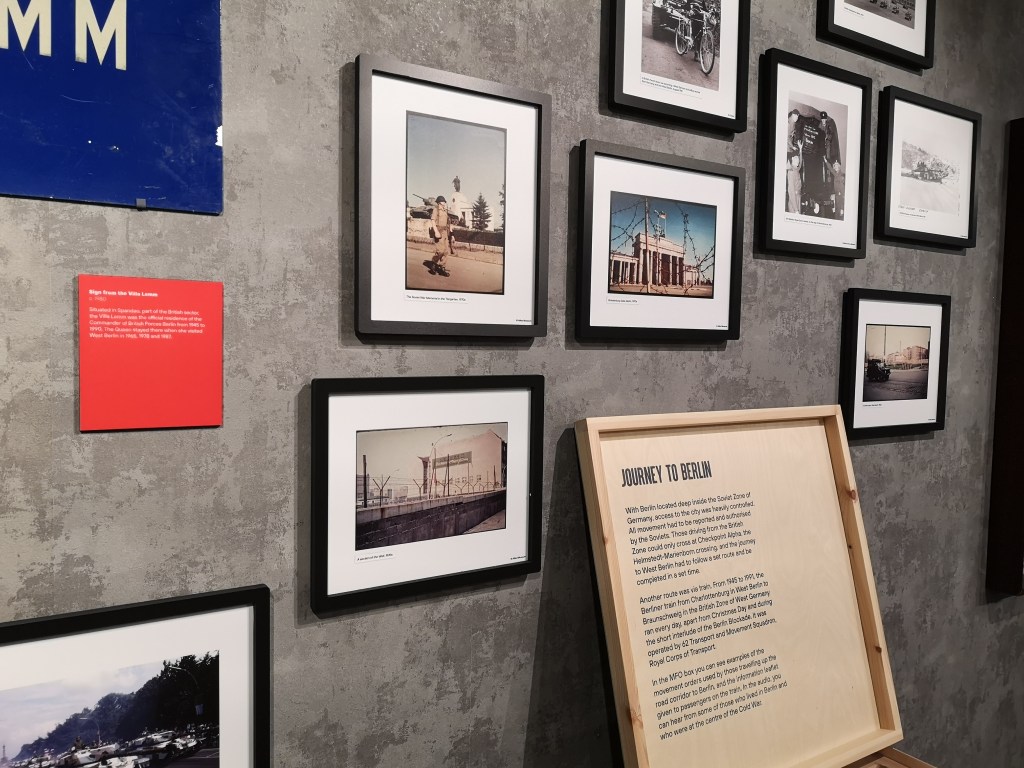
One of the highlights of the exhibit were the small personal items like photos and uniforms but also vehicles like the Brixmis Opel – a car used by British observers to travel through East Germany. There was also an interactive light up display that let you identify various Cold War Soviet vehicles – just like a Brixmis observer!
Inside the Foe to Friend exhibit (National Army Museum)
The exhibition also shows off some of the uniforms and kit used during the UK’s 75 years in Germany as well as some of their weapons including some instantly recognisable Cold War icons like the L1A1 SLR and the Carl Gustav, as well as the SA80 and my old friend the Sterling SMG. Another essential piece of kit – the Boiling Vessel takes centre stage in a multi-media area with a section on the famous food van owned by Wolfgang Meier – he followed British troops on exercise and sold them bratwurst and fish and chips.
Inside the Foe to Friend exhibit (Matthew Moss)
The exhibit covered several rooms but was more sparse than I’d hoped and some of the smaller items seem a little lost. I would have liked to have seen more on the large-scale exercises the British Army of the Rhine took part in, like Lionheart 84. The exhibition does, however, conclude with some displays on the operations some of the men station in Germany took part in, including peacekeeping in Bosnia and the first Gulf War.
It would have been great to have had some interactive displays featuring audio or video interviews from service personnel who had been in Germany during the various periods of the Army’s presence. This is something the West Indian Soldier exhibition, which we recently looked at, did well.
It ends with an excellent graphic depicting how troop numbers in Germany fell dramatically after the Second World War – despite the Cold War, from 780,000 in 1945 to just 135 at the end of the British Army’s deployment in 2020.
The exhibition ran from September 2020 to December 2021.
If you enjoyed this video and article please consider supporting our work here. We have some great perks available for Patreon Supporters – including custom stickers and early access to videos! Thank you for your support!
Further Reading:
‘Active Edge: The Army, Germany and the Cold War’, National Army Museum, (source) ‘Foe to Friend: The British Army in Germany since 1945’, National Army Museum, (source) ‘Foe to Friend: Virtual Tour’, National Army Museum, (source) ‘Army Life in Germany: Virtual Tour’, National Army Museum, (source)
We continue Dirty Dozen December with the 1985 TV-movie sequel ‘The Dirty Dozen: Next Mission‘, Lee Marvin, Richard Jaeckel & Ernest Borgnine return with a brand new dozen of hardened criminals (including Wolf Kahler, Larry Wilcox, Ricco Ross & Gavan O’Herlihy) with a mission to save… Hitler. Directed by veteran director Andrew V. McLaglen the film has its ups and downs but Lee Marvin puts in an enjoyable performance.
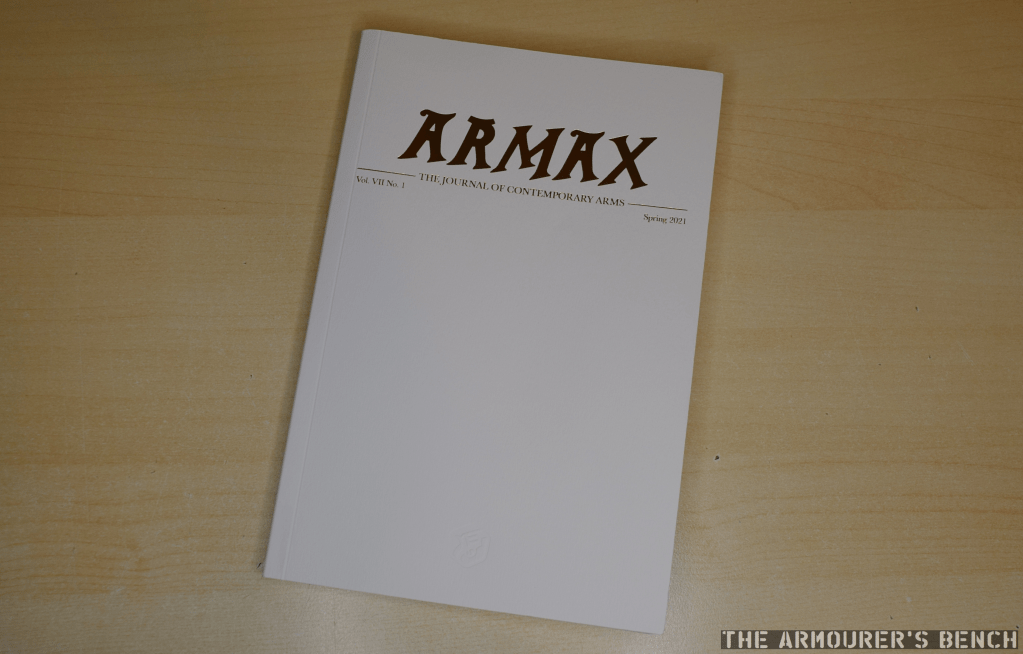
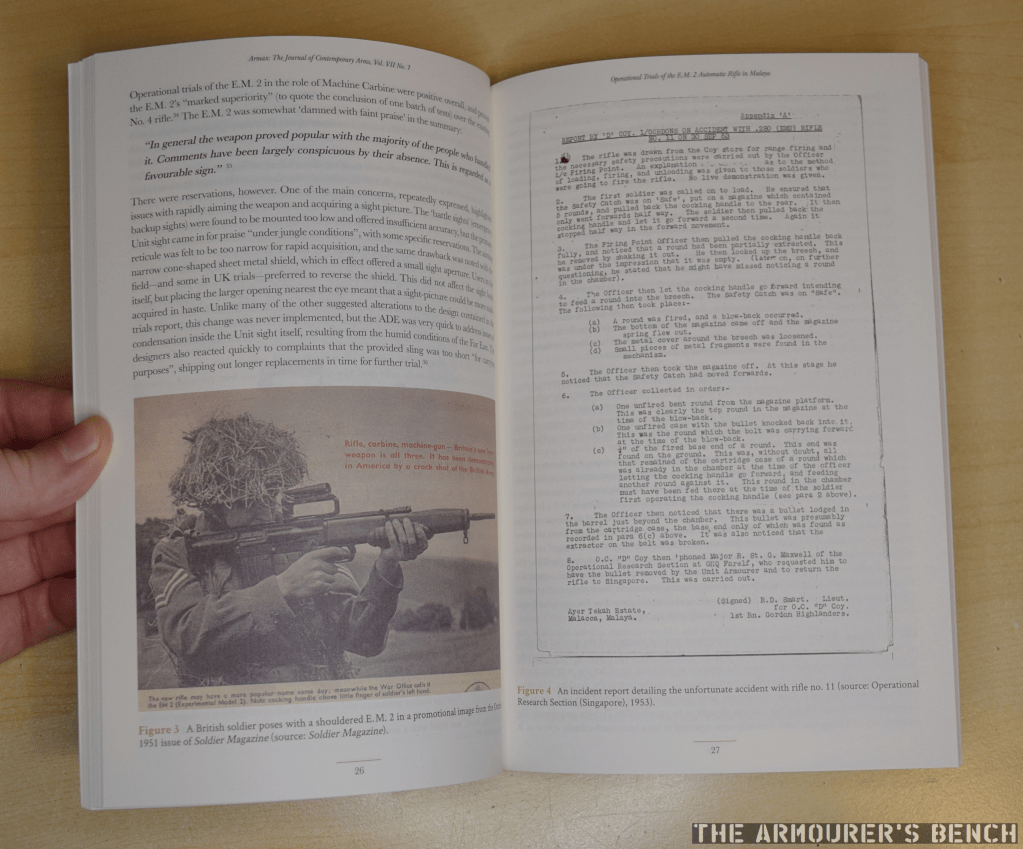
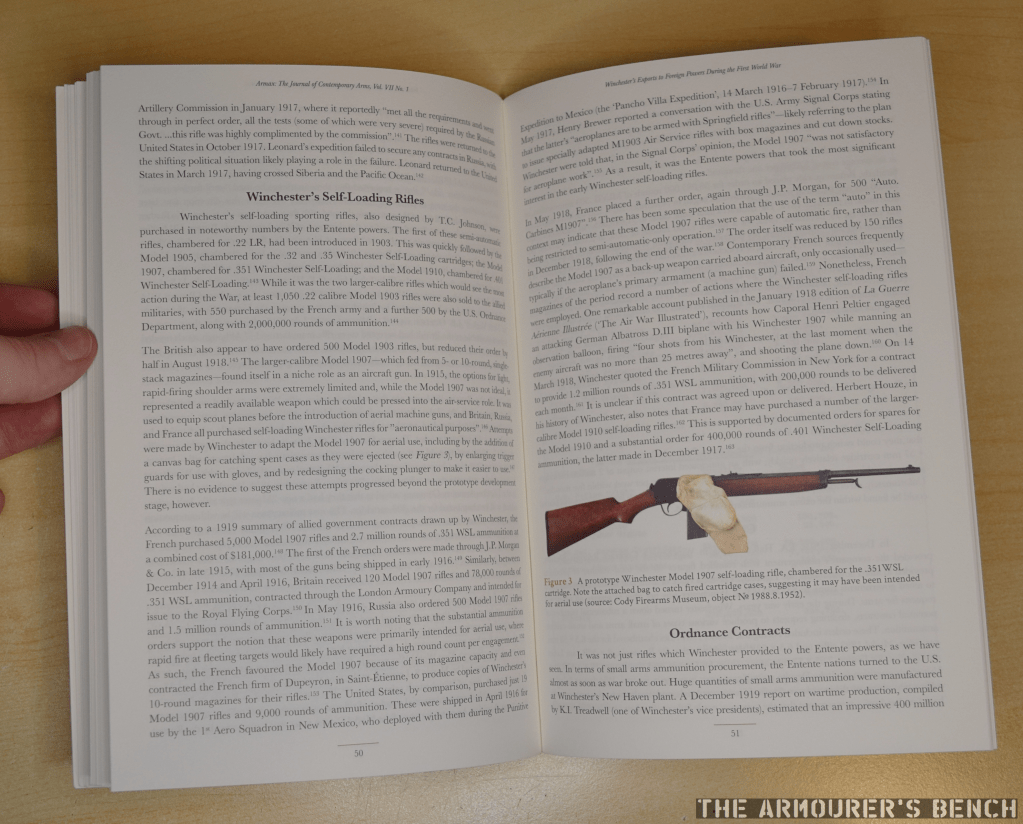
This month sees the relaunch of the ARMAX: The Journal of Contemporary Arms, the academic journal of the Cody Firearms Museum. The first edition of the new ARMAX covers everything from Dutch Uzis to the EM2 in Malaya, from East German AK-74s to a CIA assassination pistol.
I’m especially excited about the new journal as it contains one of my first published journal articles, it’s titled ‘The Winchester Repeating Arms Company’s Exports to Foreign Powers During the First World War’. The article leverages the research I undertook while a research fellow at the Cody Firearms Museum a couple of years ago. It examines the work of the Winchester Repeating Arms Company during the First World War. Specifically this article explore the breadth and variety of the work done for the Entente powers. I cover everything from the Russian contract Model 1895 lever-action rifles to the air-service self-loading rifles and of course the British Pattern 1914 rifle.
My advanced copy arrived just a day or two ago and I’m so pleased to see my research in print alongside some fantastically interesting work from friends and colleagues. Below are some photos of the journal and above is a first look video.
If you’re interested in up-to-the-minute small arms research then I highly recommend checking out the relaunched ARMAX journal, I’m very excited to see the next edition. Find out more about the journal and read the abstract for my article here.
This week we embark on Dirty Dozen December with a special guest, Lee Marvin’s biographer Dwayne Epstein. Naturally we start this month long exploration of the four Dirty Dozen films with the first and best of them – 1967’s The Dirty Dozen, directed by Robert Aldrich. With Dwayne’s help we look at the making of what has become an iconic war film of the era with defining performances from a strong cast including Lee Marvin, Ernest Borgnine, Charles Bronson, Jim Brown, John Cassavetes, George Kennedy, Robert Ryan, Telly Savalas, Robert Webber and Donald Sutherland. Grab your Grease Guns we’re headed for the chateau!
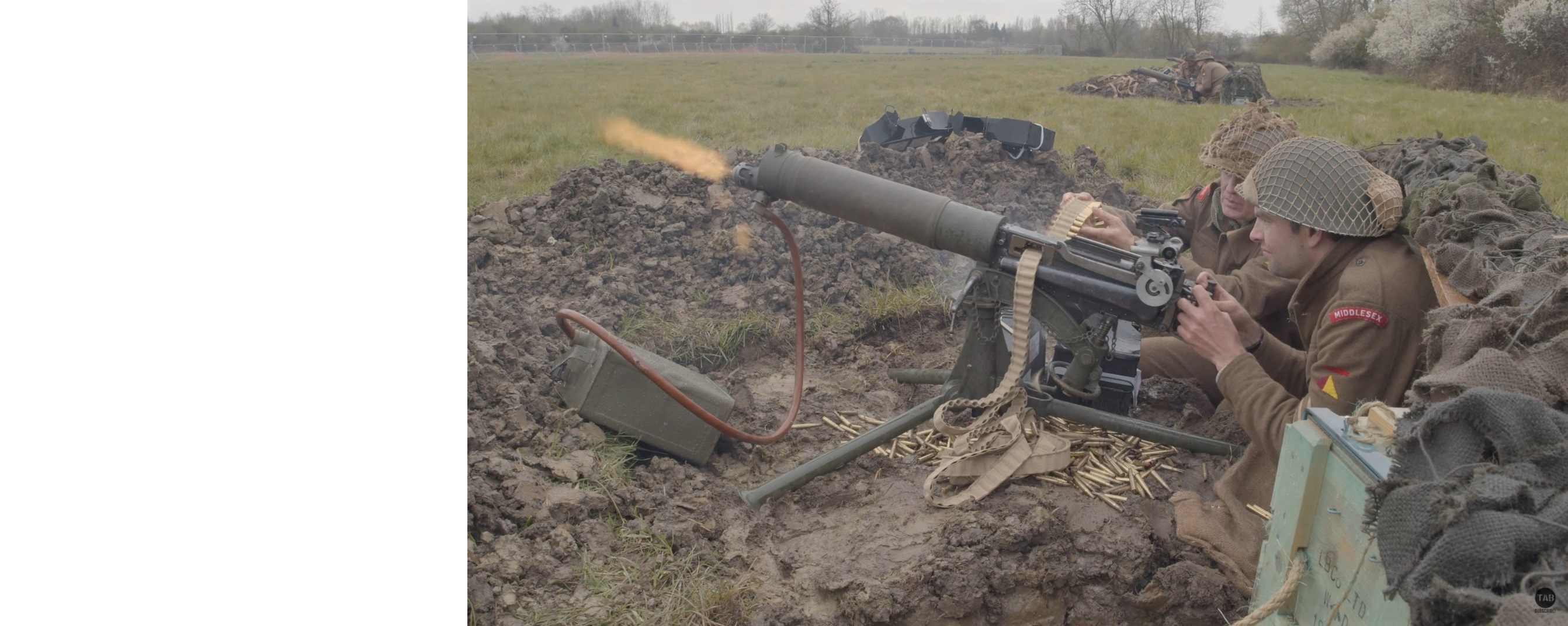
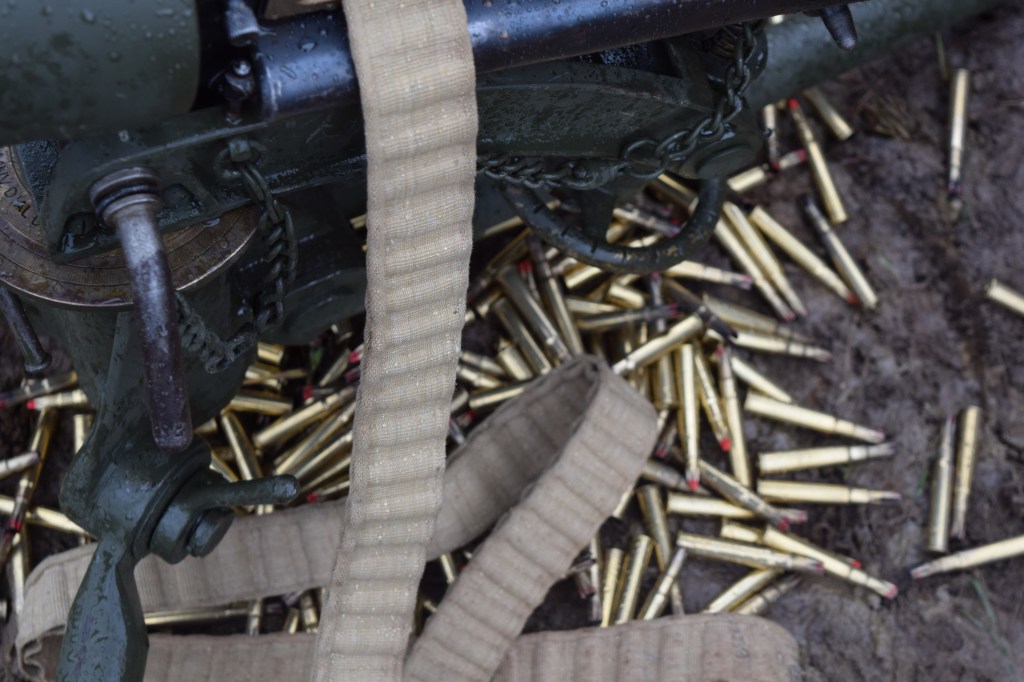
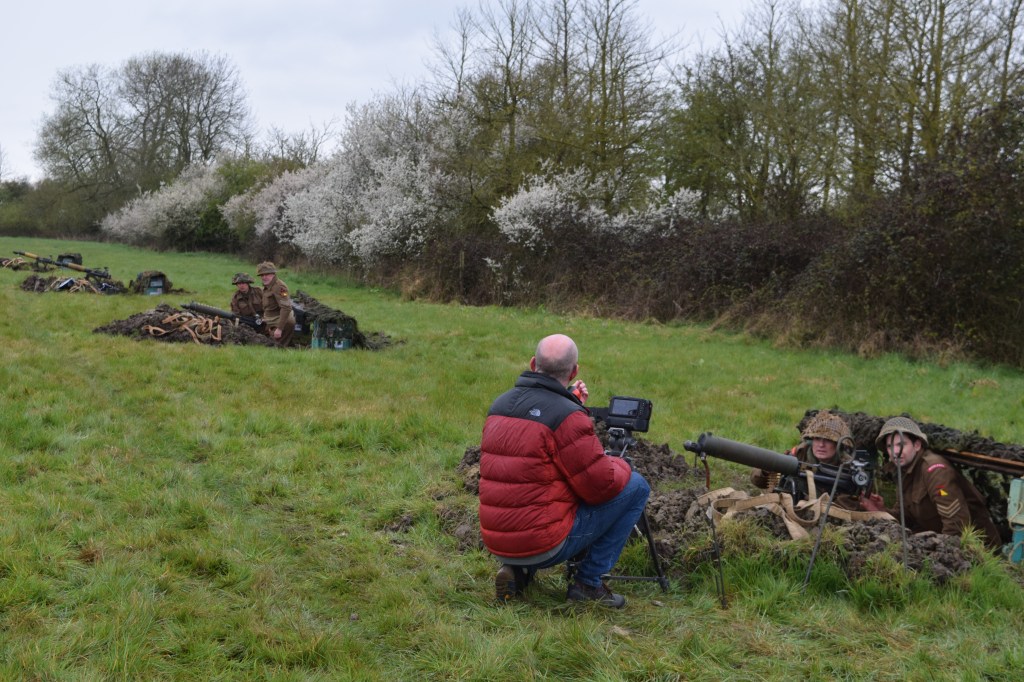
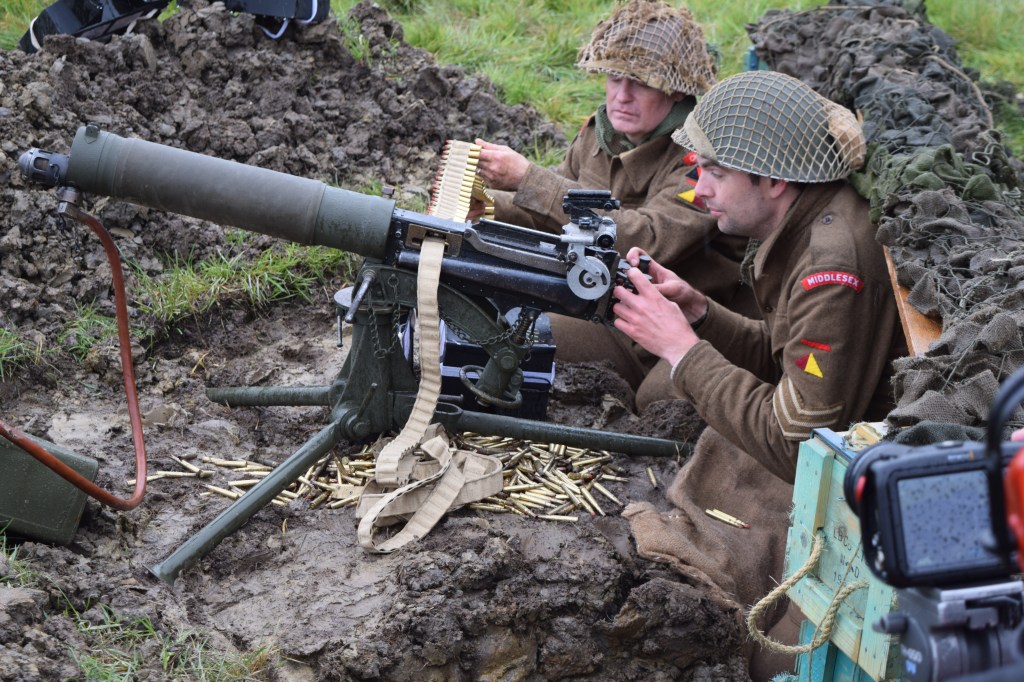
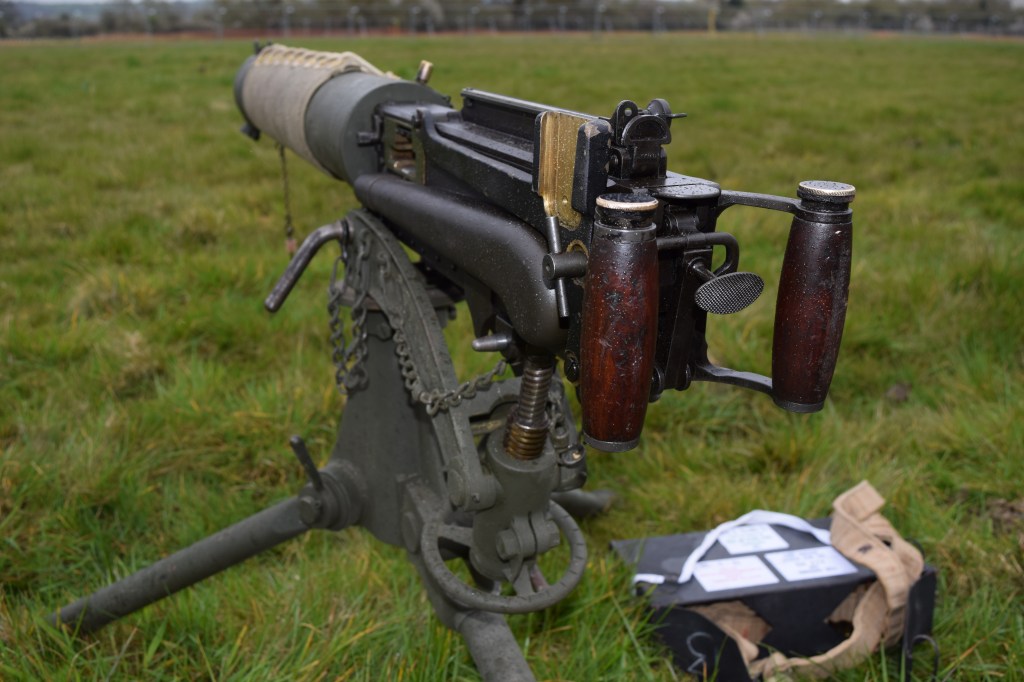
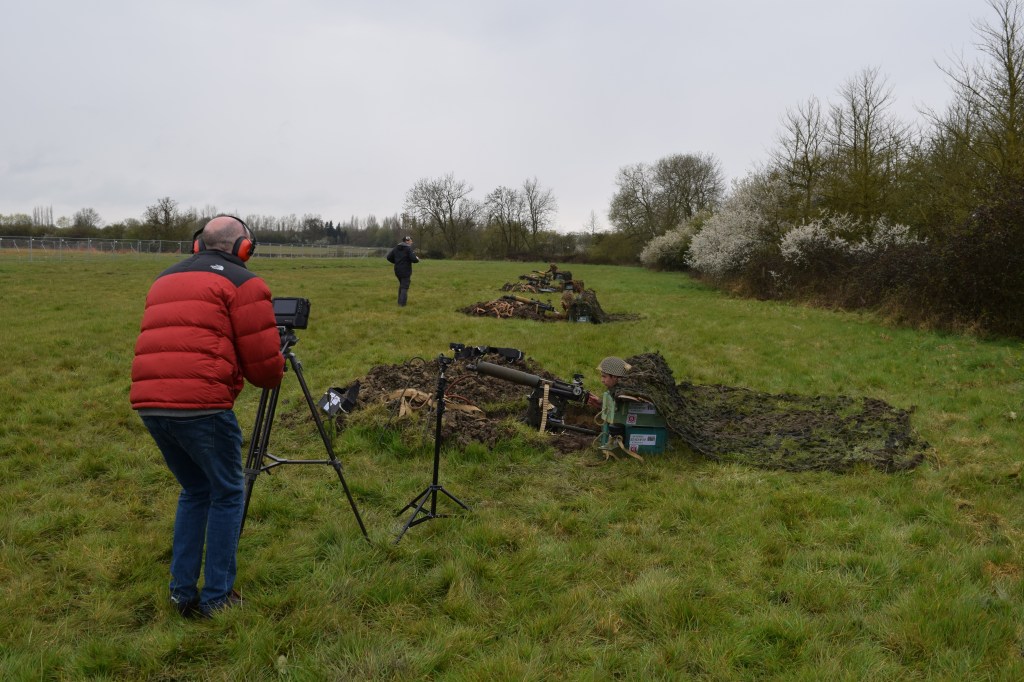
In this final video of the Rhineland Campaign Weapons series we take a look at the little known role of the British and Commonwealth forces’ Vickers Guns. With the help of the Vickers MG Collection & Research Association we recreated a platoon line consisting of 4 Vickers Guns to recreate the Pepperpot tactics used during Operation Veritable – the western Allies’ invasion of Germany.
In this video we examine how Vickers Medium Machine Guns were used en masse to soften up enemy positions before Operation Veritable began and during the subsequent advance into the Rhineland. The Vickers was used alongside artillery, mortars and even anti-aircraft guns in what was known as a ‘pepperpot’ fire plan – where the focus was on weight of fire. The Vickers supported the advance through out the campaign and in this video we aimed to capture some of the feel of what those pepperpot bombardments might have been like – albeit on much, much smaller scale.
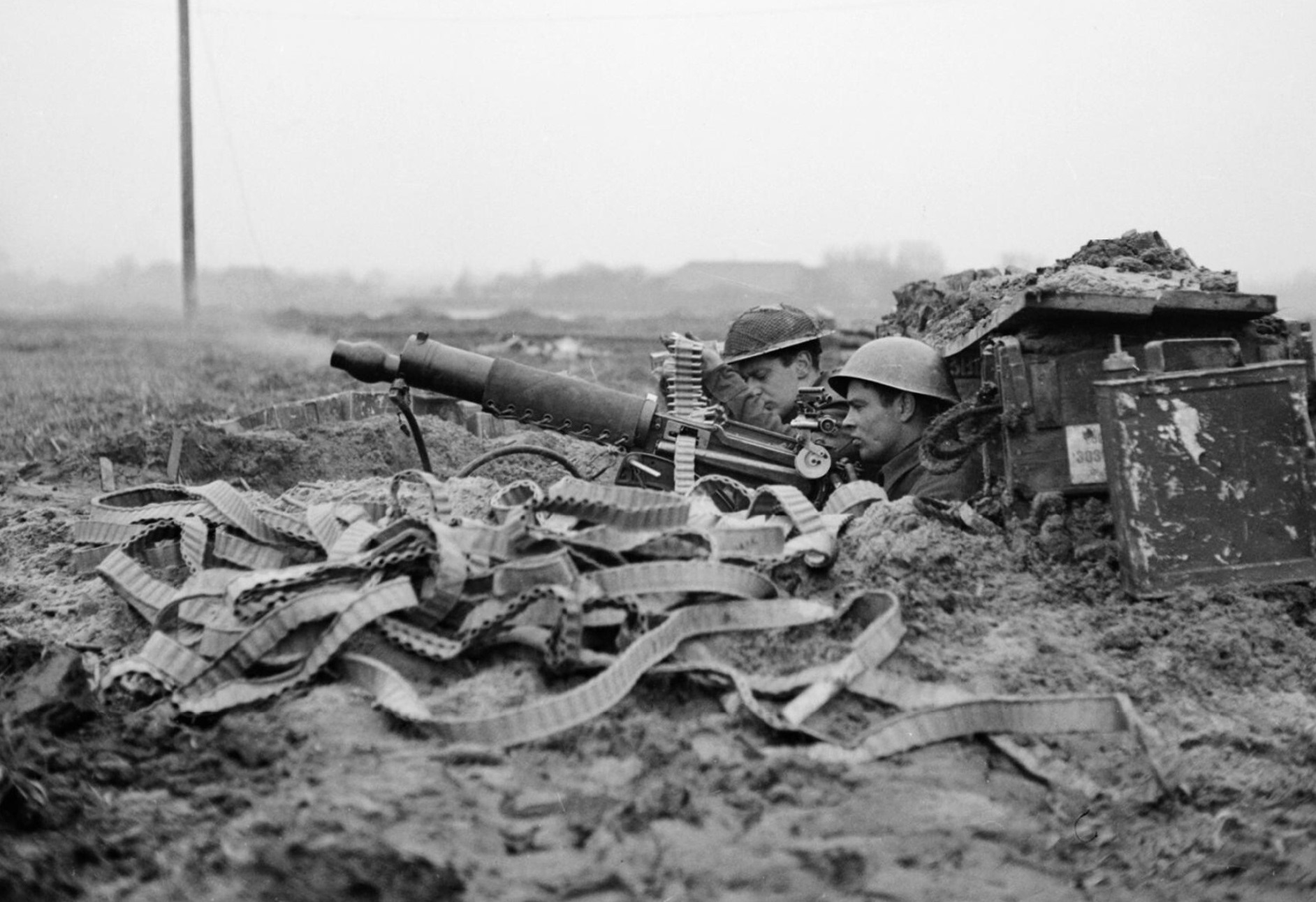
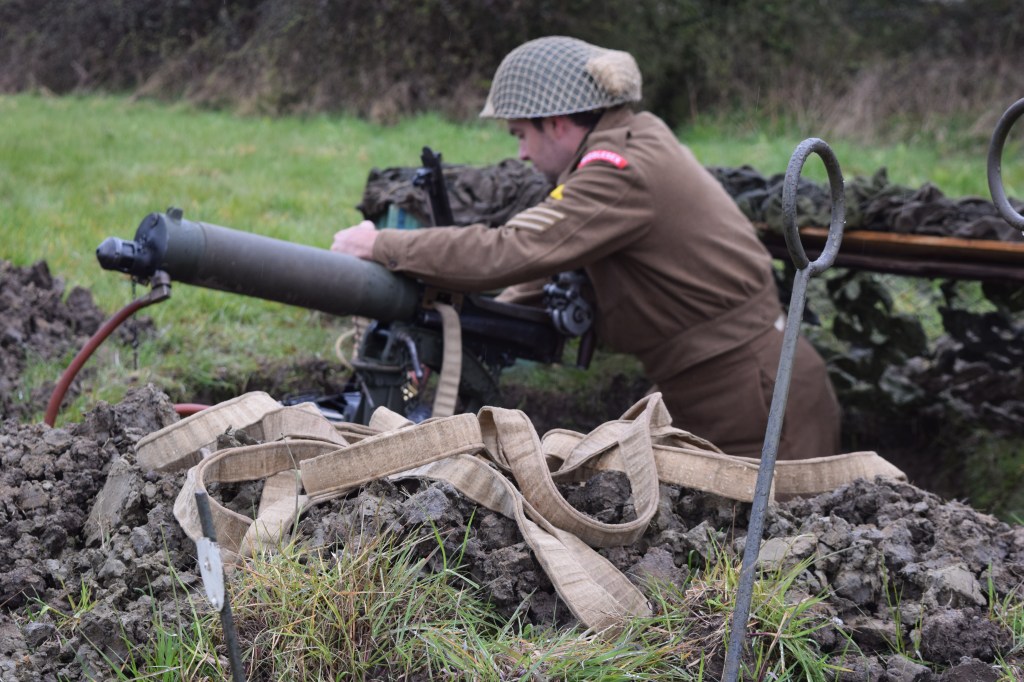
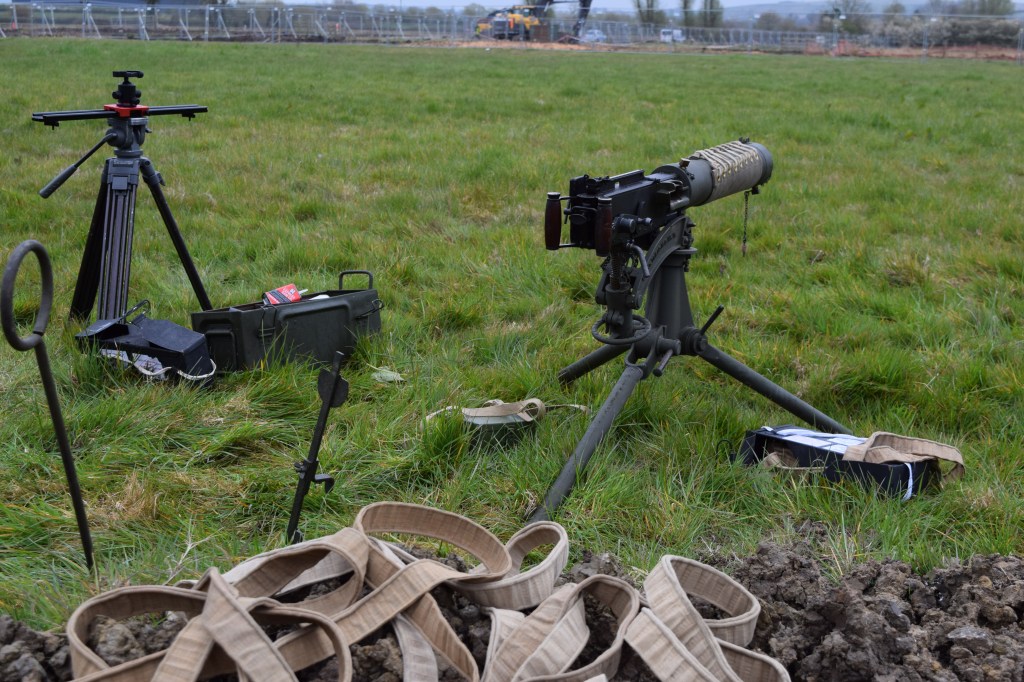
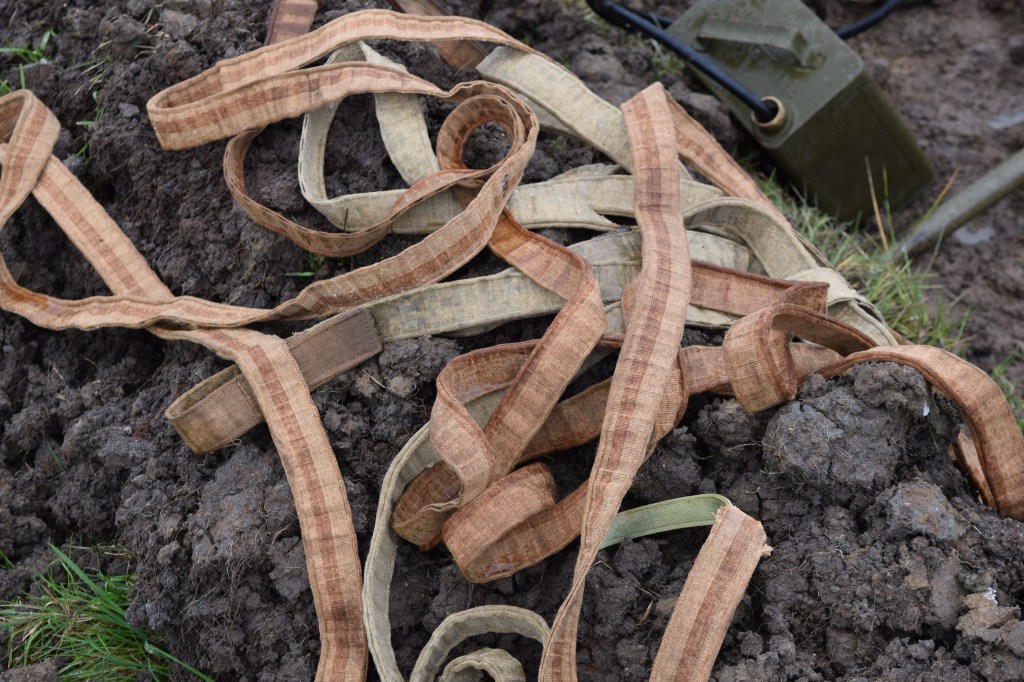
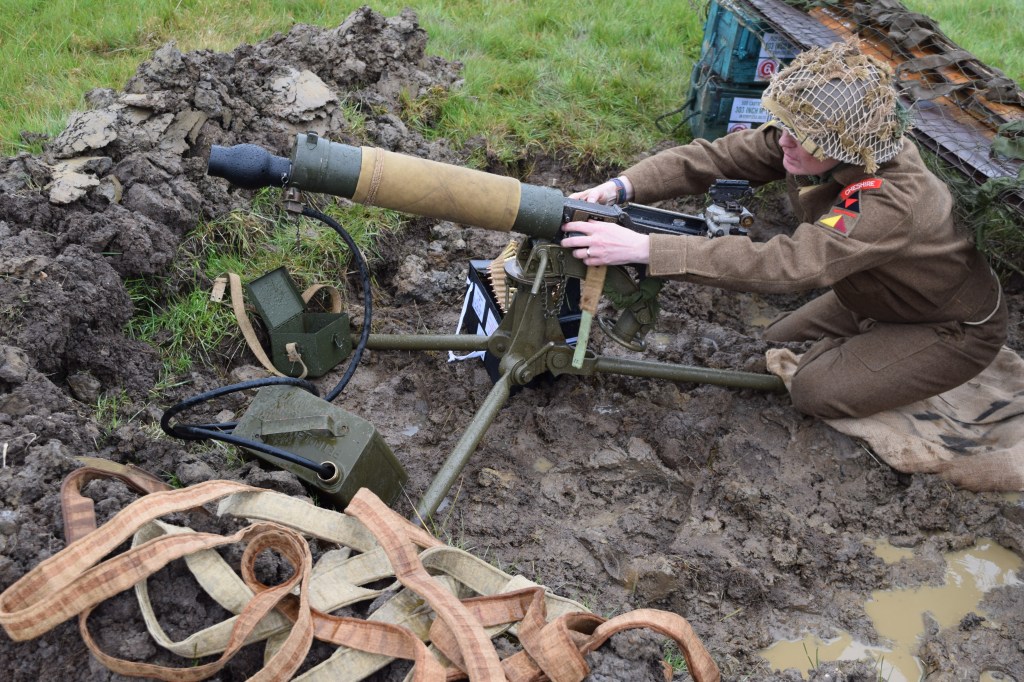
Using contemporary photographs and footage we recreated the gun pits, complete with overhead cover, pits dug to the original manuals and plenty of empty belts and belt boxes. Right down to the gun crews being badged up as Middlesex Regiment. Check out the comparison of our shoot and a contemporary photograph taken during the battle for Goch, 20 February 1945.
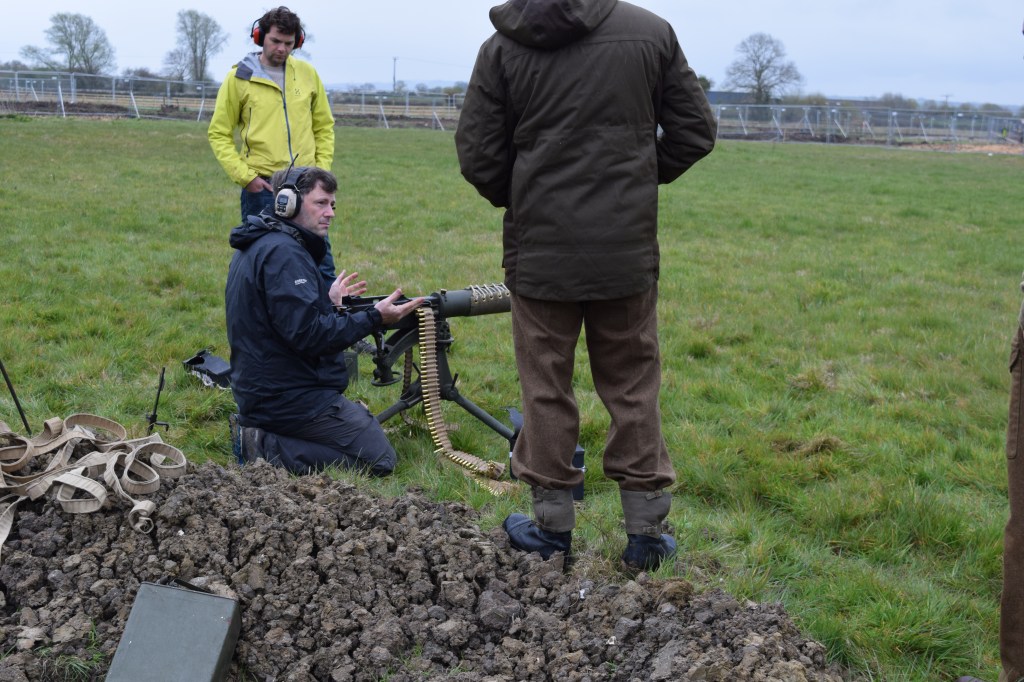
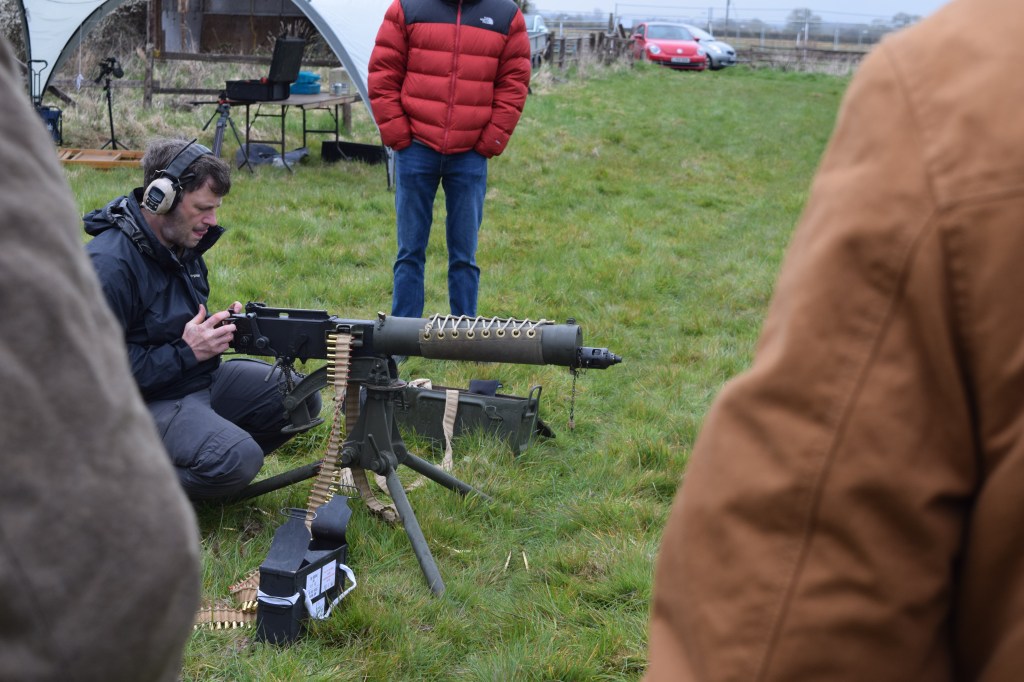
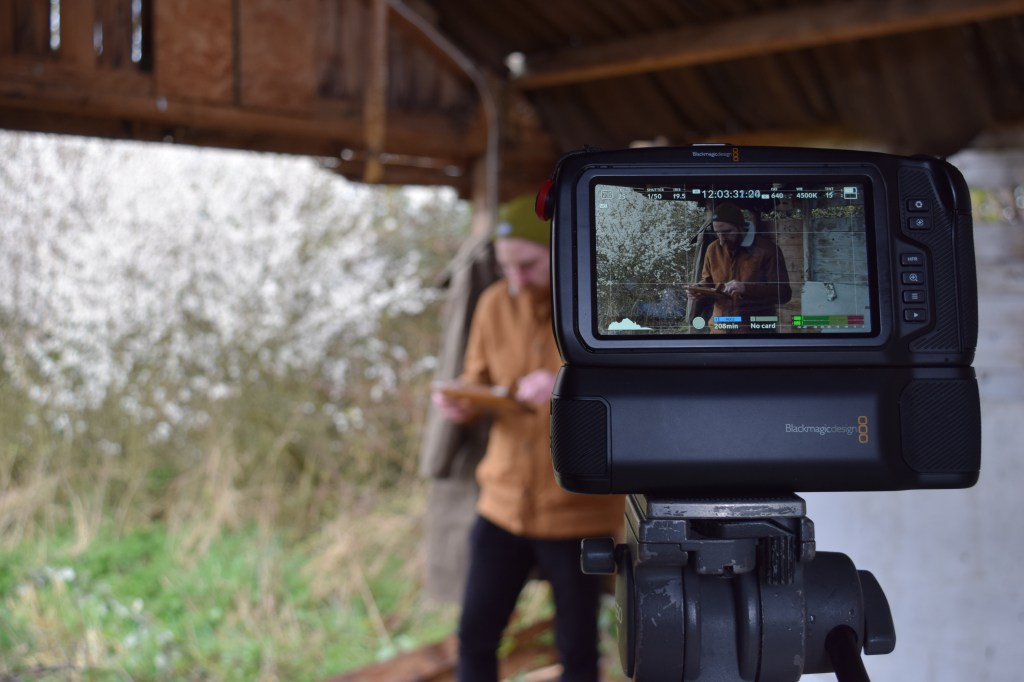
Below are some behind the scenes photos from the shoot taken by myself and Robbie McGuire:
A huge thank you to everyone who made the shoot possible, I’m very proud of what we were able to achieve with this shoot.
If you enjoyed this video and article please consider supporting our work here. We have some great perks available for Patreon Supporters. Thank you for your support!
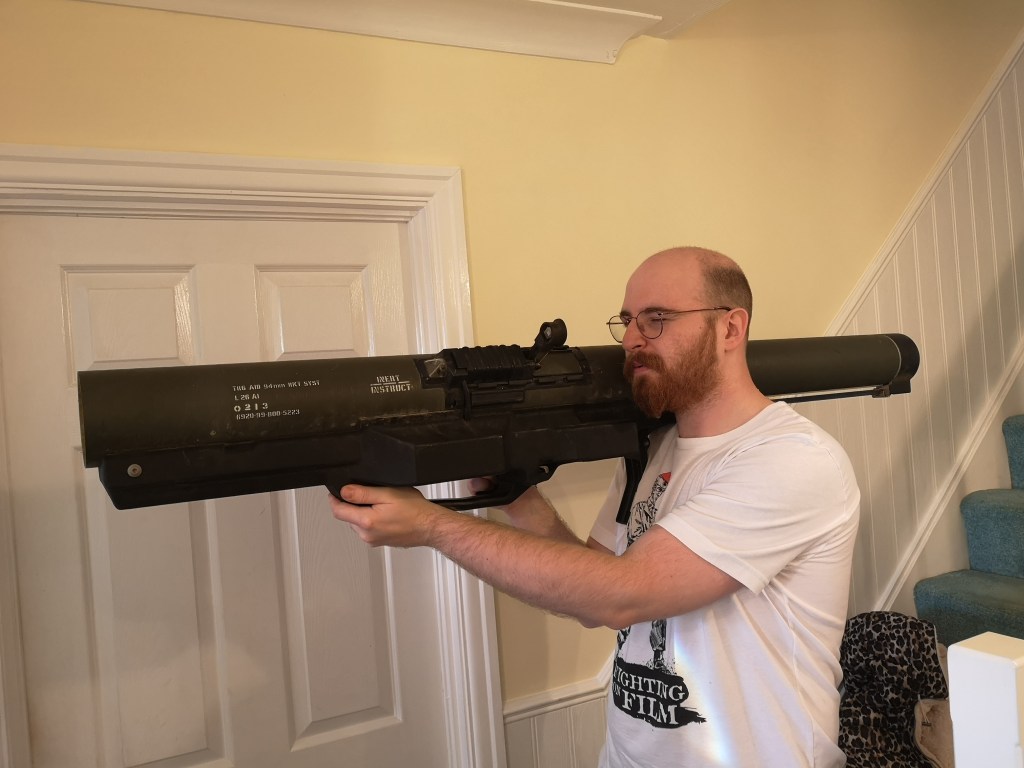
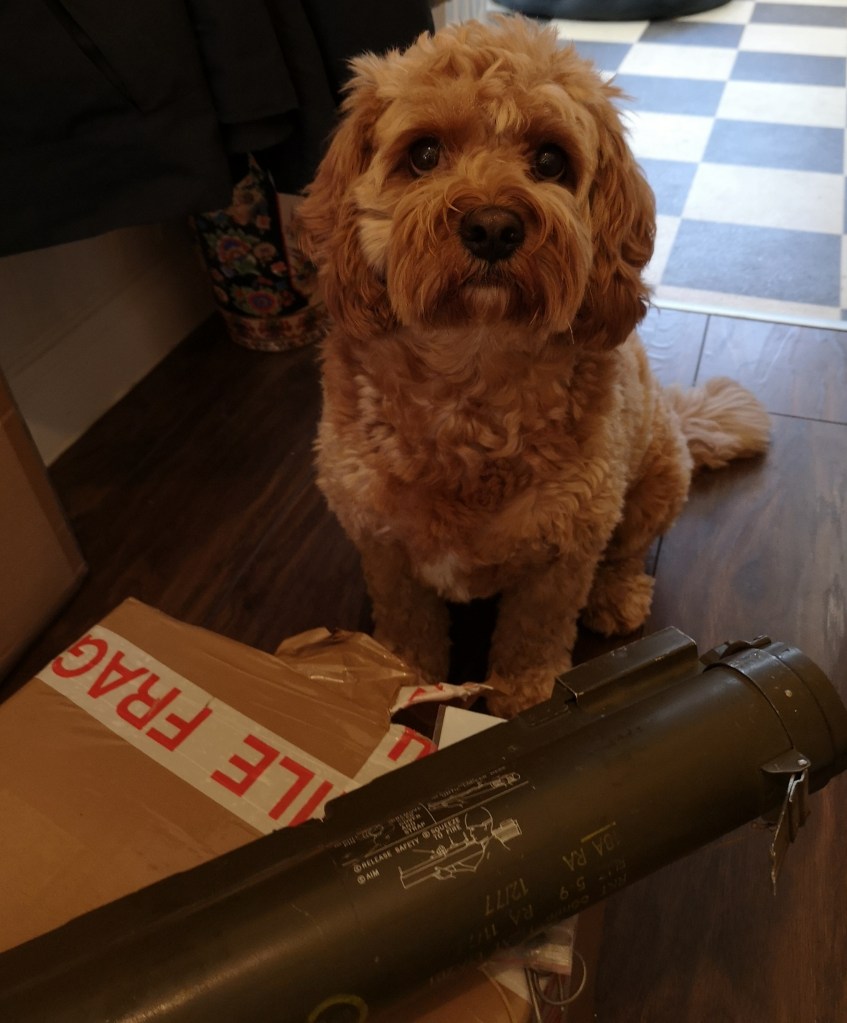
I was recently lucky enough to pick up a pair of very cool anti-tank weapons. A brilliant cutaway/sectioned 66mm LAW and an intriguing 94mm LAW80 training model which requires more research! These were both standard infantry anti-tank weapons for the British Army (and many others) during the Cold War.
The LAW80 deployed! (Matthew Moss)Dickie with the 66mm LAW (Matthew Moss)
Really pleased to add these to the TAB reference collection. We’ll have proper videos on both of these in the near future!
If you enjoyed this video and article please consider supporting our work here. We have some great perks available for Patreon Supporters. Thank you for your support!
In 1940 Britain was overrun and became just another country occupied by Nazi Germany. At least that’s what happened in Kevin Brownlow and Andrew Mollo’s 1964 film ‘It Happened Here’. The film follows Pauline, a nurse as she is forced to choose between resistance and collaboration. Made over 8 years by two exceptionally young filmmakers ‘It Happened Here’ is an impressive and thought provoking film.
In this week’s episode we examine one of the most ambitious amateur films of its era and delve into the fascinating production, performances and story of ‘It Happened Here’.
Warning – this episode includes discussion of fascism, the Holocaust and euthanasia in relation to the plot of the film.












 The Armourers Bench