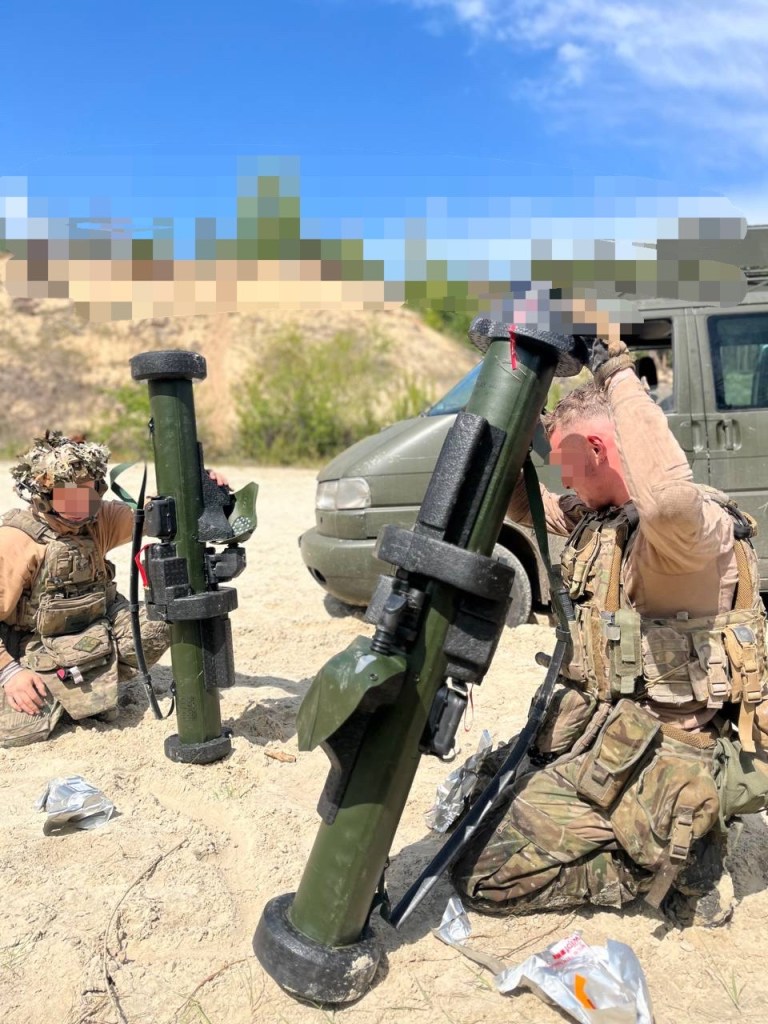
Canada Adopts New Rifle

The Canadian Armed Forces are set to adopt variants of Colt Canada’s MRR as the Canadian Modular Assault Rifle (CMAR). The announcement stated that up to 65,000 rifles may be procured over the next 5 years to replace the Colt Canada C7 rifles and C8 carbines currently in Canadian service.

According to the Canadian government, the contract will be for the procurement of up to 65,402 weapons: 16,195 will be the Canadian Armed Forces’ Full Spectrum (FS) variant, and the remaining 49,207 will be the General Service (GS) variant.
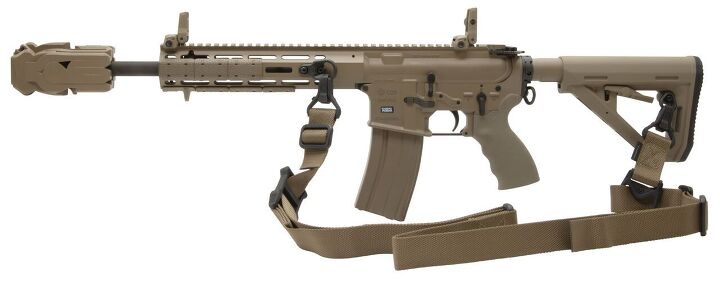
CMAR (Canadian Armed Forces)
CMAR with a receiver marked ‘C25’ (Canadian Armed Forces)

The FS variant is designed for front-line combat roles and will be optimised for ‘offensive operations in urban and open terrain’, and is described as having ‘advanced features’, likely optics and a suppressor, these will be issued to Regular Infantry units. The GS variant is intended for broader use across the Canadian Armed Forces (CAF), with the Canadian Army stating that it will provide “reliable personal protection and deterrence for personnel who are not in primary combat roles.” This seems similar to how the U.S. Army plans to deploy its new NGSW weapons to close combat forces and how the U.S. Marine Corps issues its M27 rifles and M4 carbines.

The exact configuration and barrel lengths of both variants have not been confirmed, but both rifles have monolithic upper receivers, carbine-length gas systems, ambidextrous controls, MLOK forearms, are chambered in 5.56x45mm and while barrel lengths have not been announced they are likely to be a 14.5in barrel, perhaps alongside a 20in variant, with an approximate weight of 3.4kg.
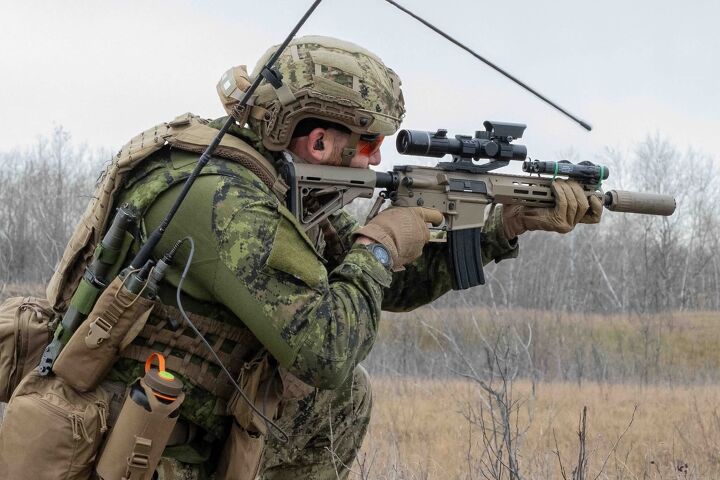
Member of the 1 Canadian Mechanized Brigade Group with CMAR, November 2025 (CAF)

Variants of the CMAR have been in testing for some time, with variants initially designated the C8A4. In January 2024, it was reported that the first 500 ‘basic C8A4s’ had been assembled and supplied to the CAF for “final user input” on configurations. These have been seen in photos of trials with troops since mid-2024. Colt Canada’s MRR, or Modular Rail Rifle, was first unveiled in 2015. Last year, at SHOT Show 2025, I had the chance to take a look at the latest configuration of the MRR: the MRAR – Modular Rail Ambidextrous Rifle.

Over the last 18 months, a number of photographs have been released featuring Canadian troops training and trialling CMAR variants in various configurations, including with a SAI Optics 6 patrol scope and a 5.56 Huxwrx suppressor. Other configurations tested appear to have included carbines with optics from SIG Sauer, Burris and Steiner.
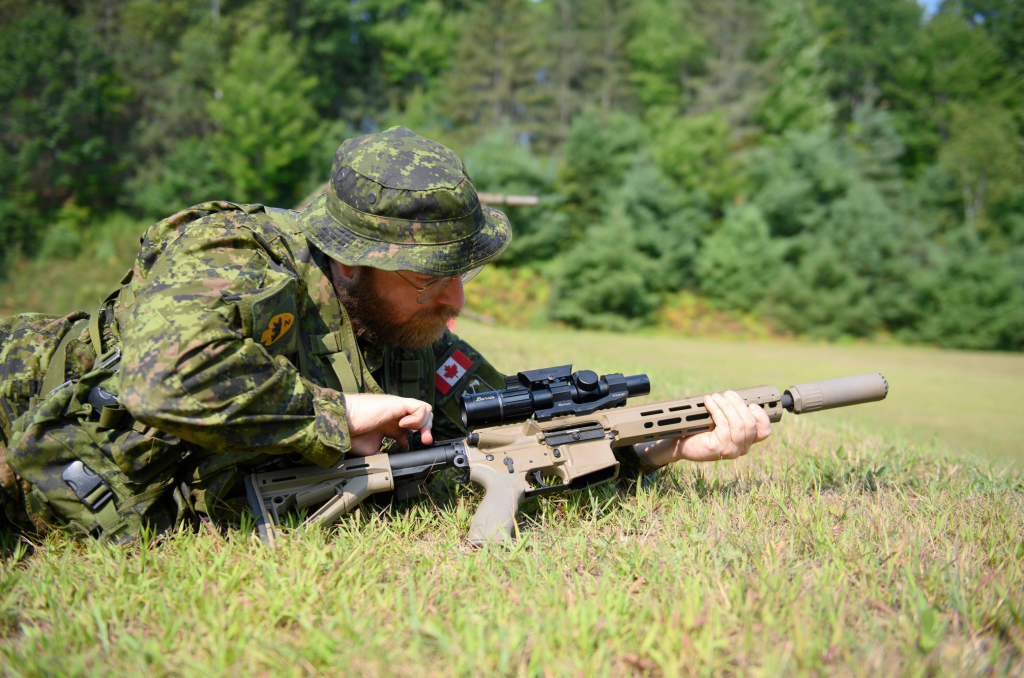
Trials ‘C8A4’ during evaluations in 2024, equipped with Burris Optic (CAF)

The promotional video released with the CMAR procurement announcement, however, features a carbine with a C8A3-marked lower receiver, a Strategic Services MFMD suppressor and a SAI 6 optic in FDE. These were displayed by Colt Canada at DSEI 2025. It remains to be seen if this is the final configuration of the CMAR variants are both equipped with the same optics and suppressors. In terms of what the final designation for the rifles may be, a clue appears to have been offered by a pair of photos shared by the Department of National Defence’s LinkedIn page, feature a carbine with a longer barrel which appears to have a lower receiver marked ‘C25’, suggesting this is a potential designation for the CMAR rifles.
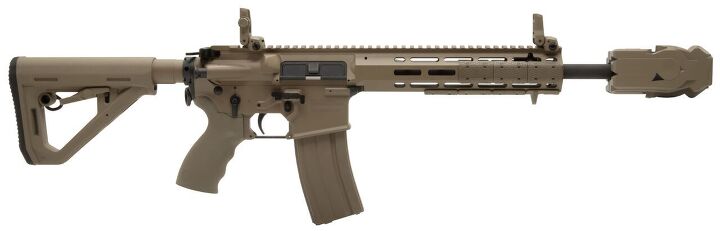
CMAR (Canadian Armed Forces)
CMAR with Strategic Services MFMD suppressor (Canadian Armed Forces)

The CMAR project will be delivered through 2 phases:

Phase 1 includes procuring 30,000 General Service (GS) rifles over three years. The estimated value of this initial phase is approximately CA$307 million, including applicable taxes.

Phase 2, which is expected to begin in year four under an optional provision, will include procuring the remaining 19,207 GS rifles, 16,195 Full Spectrum (FS) rifles, as well as associated ancillaries.

The two-phase approach spreads the cost and prioritises the replacement of the C7.
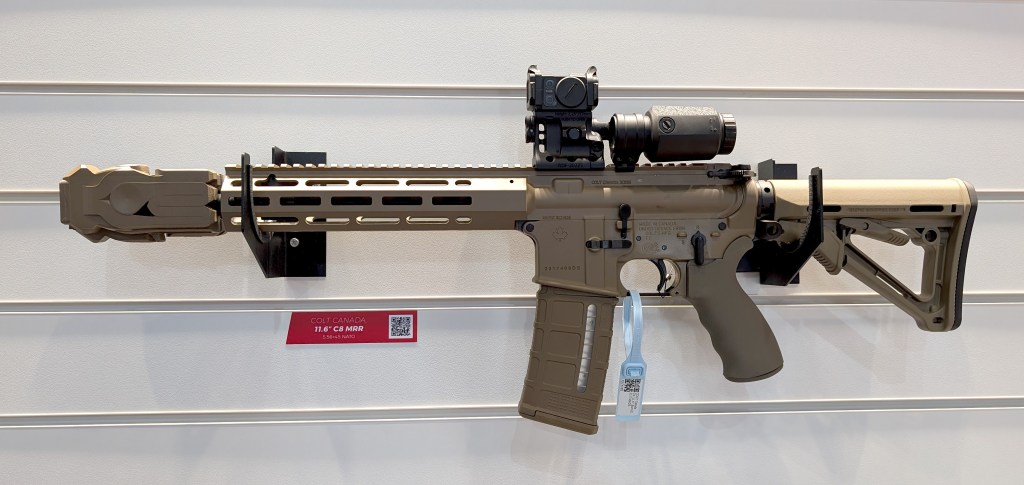
C8 MRR with 11.6in barrel, at DSEI 2025 (Matt Moss)

The Canadian government was also keen to highlight the economic drivers of the sole source contract award, noting: “The investment will bolster Canada’s defence industrial base for years to come, creating good‑paying jobs and contributing roughly $10 million annually to Canada’s GDP over the next five years.” The announcement added that Colt Canada has a commitment to include at least 80% Canadian content on the weapons.
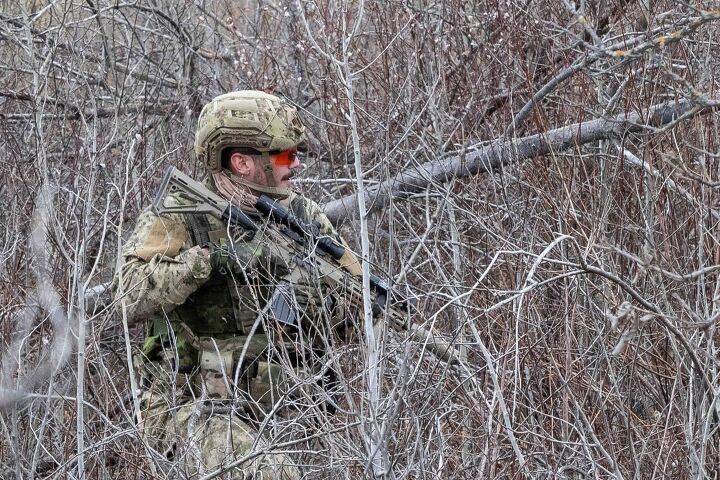
Member of the 1 Canadian Mechanized Brigade Group with CMAR, november 2025 (CAF)
Member of the 1 Canadian Mechanized Brigade Group with CMAR, November 2025 (CAF)

The Canadian Army expects that the first deliveries are expected in 2027. It remains to be seen what the final configurations of the two variants will be and what their final designations might be.

Bibliography:

Defence Investment Agency awards contract to replace current Canadian Armed Forces assault rifles, Canadian Government, (source)

Colt Canada awarded $273 million CAD contract to modernize military rifles, Colt-CZ Group, (source)


Support Us: If you enjoyed this video and article please consider supporting our work here. We have some great perks available for Patreon Supporters – including exclusive videos, custom stickers and early access to videos! Thank you for your support!


This is an expanded version of an earlier version of this article published at TFB.

US Army Adopts New M111 Offensive Hand Grenade

It is 58 years since the US Army adopted a new offensive grenade, the M111 Offensive Hand Grenade is intended to provide enhanced capability in confined spaces and augment the venerable M67 fragmentation grenade which has been in service since 1968. The new grenade was developed by the Army’s Capabilities Program Executive Ammunition and Energetics in conjunction with the U.S. Army Combat Capabilities Development Command Armaments Center at Picatinny Arsenal. The new M111 replaces the Mk3A2 hand grenade, which the US Army notes has a body containing asbestos and is now considered ‘obsolete’. The M111 has been in development since at least 2020, appearing in the US Army’s Grenades and Pyrotechnic Signals book in 2021.

Diagram from the US Army’s Grenades and Pyrotechnic Signals book, 2021 (US Army)

The desire for a new blast grenade may have been somewhat informed by lessons learned from Ukraine where troops have been manufacturing their own enhanced blast grenades. M111 has an intriguing octagonal shape with a tapering neck, not dissimilar to the specialist Mk14 anti-structure grenades – which have also seen use in Ukraine.

“One of the key lessons learned from the door-to-door urban fighting in Iraq was the M67 grenade wasn’t always the right tool for the job. The risk of fratricide on the other side of the wall was too high,” explained Col. Vince Morris, Project Manager Close Combat Systems, CPE A&E. “But a grenade utilizing BOP can clear a room of enemy combatants quickly leaving nowhere to hide while ensuring the safety of friendly forces.”

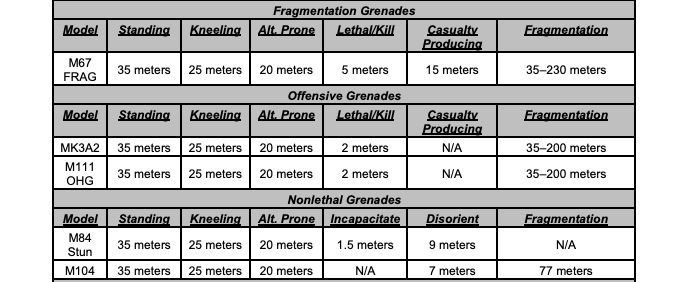
Comparison of kill, casualty and fragmentation radius for M67, legacy MK3A2 and M111 (US Army)

What Are Offensive & Defensive Grenades?

Essentially, offensive grenades rely on blast while defensive grenades use fragmentation. Blast grenades like the M111 limit the radius of fragments, this is useful in confined spaces where friendly forces may be near the blast. It also allows the user to quickly follow up and the nature of blast over-pressure means that even an enemy behind moderate cover inside a room where a blast grenade has detonated is likely to feel increased effect. Conversely, defensive fragmentation grenades like the M67 spread out a wide arc of lethal fragments from the body of the grenade. This is ideal for engaging enemy in the open who may be assaulting the user’s position. These are best employed from cover where the user and friendly forces are less at risk of being wounded by their own grenade. This is something that has been part of Russian doctrine for decades with the RGN offensive grenade and RGO defensive grenade complimenting each other.

Improvised blast grenades made from bottles and drinks cans (via social media)

The M111 is 4.41 inches in length and 2.37 inches in diameter and is manufactured by Texas-based Day & Zimmermann, Inc.. It appears to use the same M213 pyrotechnic delay fuze and safety lever assembly – meaning the new grenade has the same five-step arming process as the M67, simplifying training, manufacture and logistics. From the markings seen in the new photographs of the grenade the M111’s filling is the RDX-based Composition A-3 high explosive with Aluminum powder, the M67 uses Composition B. The Aluminum powder acts to enhance the Comp A-3’s explosive energy. The amount of explosive filling hasn’t been disclosed but the grenade’s overall weight is listed as 12.6 oz, so the filling weight can be estimated to be around ??? It’s also worth noting that US Army’s Grenades and Pyrotechnic Signals book, published in 2021, listed the explosive filling as PAX-3 suggesting a subsequent move to Comp A-3.
New M111 and M112 grenades (US Army)

The new grenade provides soldiers with the ability to fight more effectively in close-quarter and urban environments by leveraging blast overpressure, instead of fragmentation to deliver lethality. It provides an alternative to using the M67 high explosive fragmentation grenade which in close-quarters could injure the user or any friendlies in the blast radius. In addition to the new M111 grenade a new inert, blue-colored, training grenade – the M112, has also been adopted.

New M111 grenade (US Army)

Support Us: If you enjoyed this video and article please consider supporting our work here. We have some great perks available for Patreon Supporters – including exclusive videos, custom stickers and early access to videos! Thank you for your support!


This is an expanded version of an earlier version of this article published at Overt Defense.

General Norman Schwarzkopf’s Gulf War Beretta M9

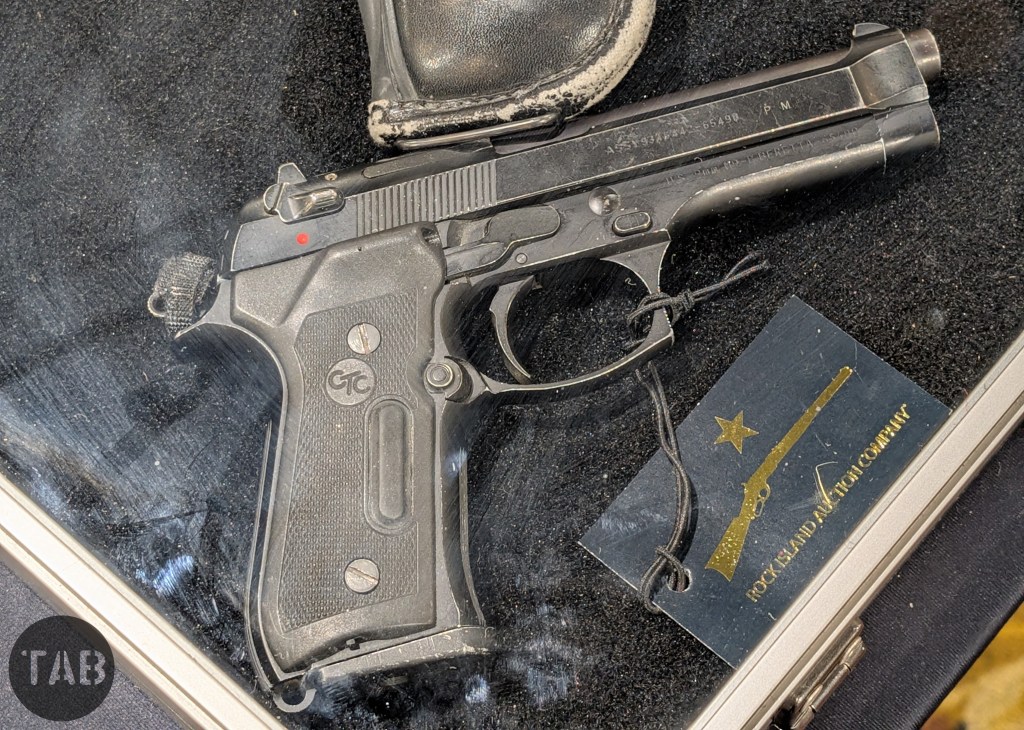
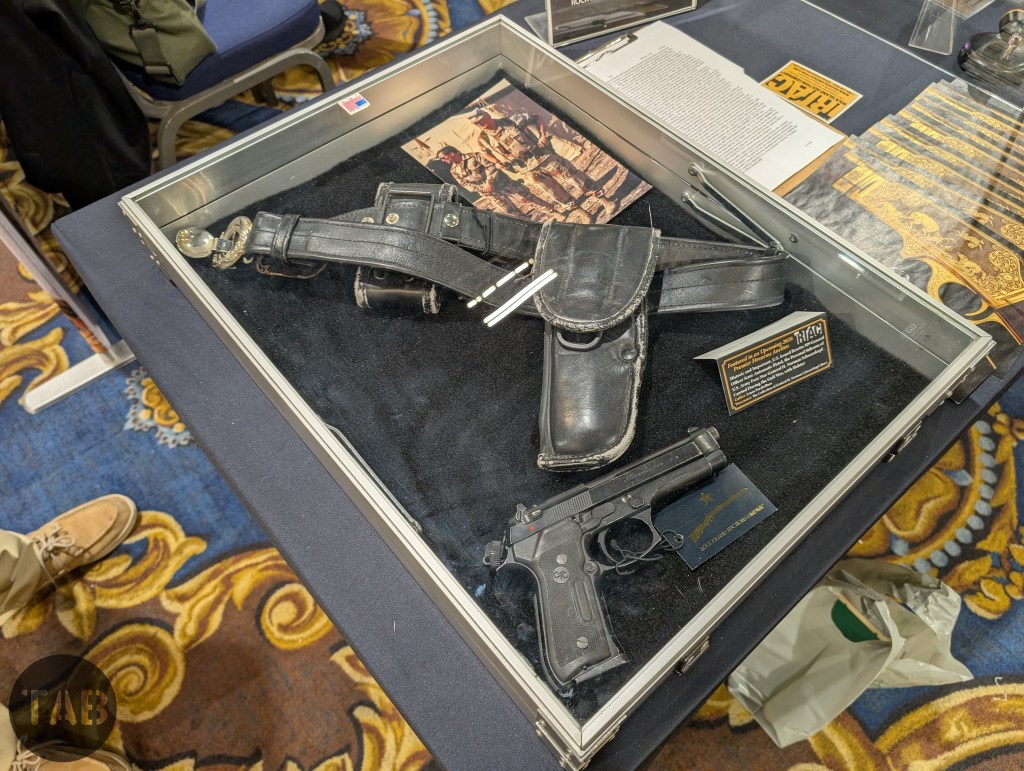
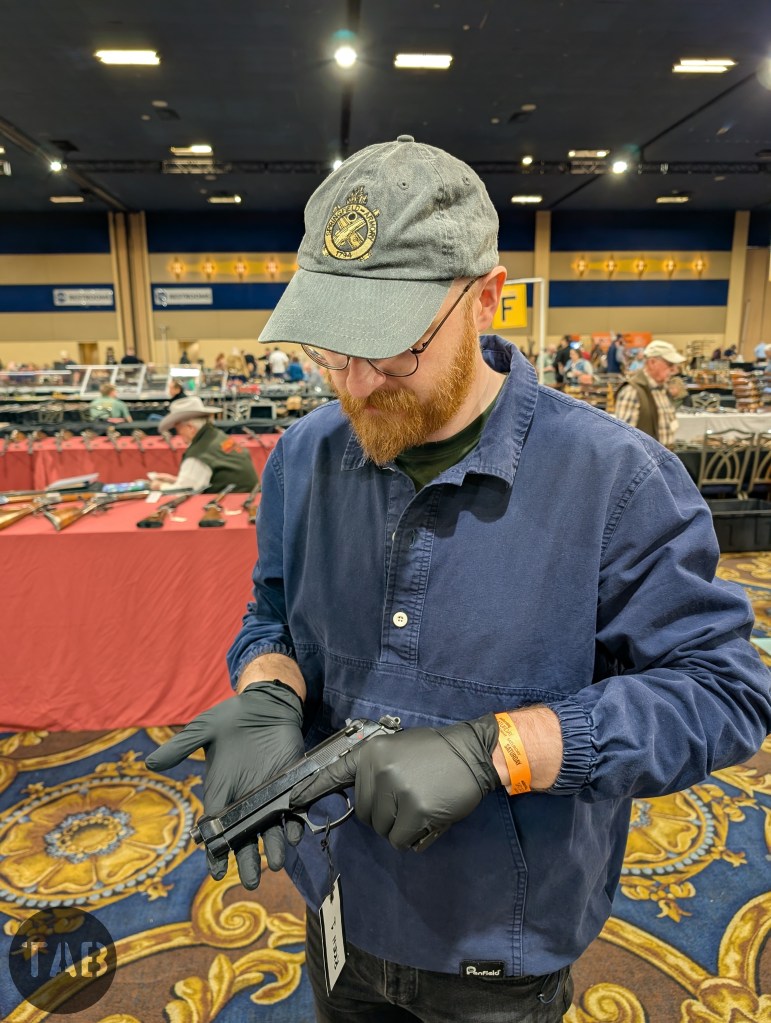
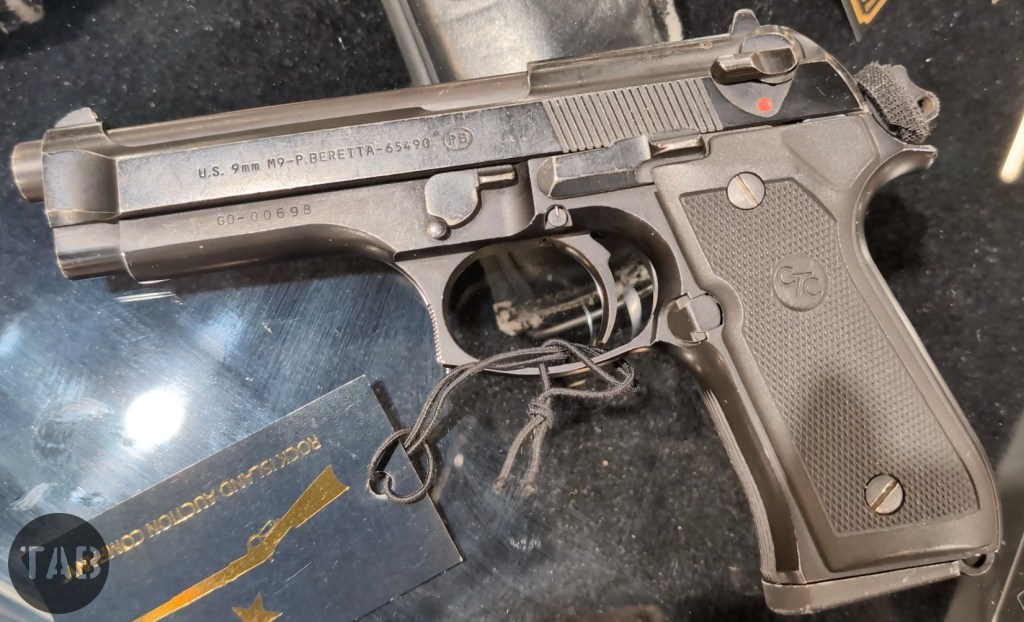
A couple of weeks ago I had the chance to visit the Las Vegas Antique Gun Show which is always great to walk around. Rock Island Auction Company always have a stall at the show and never fail to have some extremely interesting pieces. One very special piece that was tucked away at the end of the display was a Beretta M9 and a leather holster belonging to General Norman Schwarzkopf who, as the commander of United States Central Command, led coalition forces in the Gulf War.

The Beretta M9 began to be issued as General Officer’s pistol in August 1986 when the first pistol, serial number GO-001 was issued. The General Officers M9s replaced the M15 1911-pattern pistols previously issued to generals since the 1970s. Unlike the more ornate M15s the GO M9 is identical to the standard M9 except for their “GO” prefix serial number. It was issued with three magazines, a Bianchi G100 pistol holster and a magazine pouch. This is the configuration of belt in which Rock Island Auction Co. received the pistol.

When they retire general’s may request to purchase their issued M9 General Officer’s Models from the Department of Defense. General Schwarzkopf retired from active duty in August 1991 and apparently purchased his pistol, serial number ‘GO-00698’.

The pistol is on consignment and set to be auctioned at an upcoming auction but RIA have already sold some of General Schwarzkopf’s firearms collection at auction in December. His M15 pistol fetched $70,500. Schwarzkopf’s M9 is believed to have been the pistol he carried during the Gulf War.

While Schwarzkopf’s can be seen carrying an M9 is much of the imagery of him from the Gulf War he is typically carrying it in a standard ALICE (all-purpose lightweight individual carrying equipment) webbing pistol holster rather than the Bianchi leather holster. In various photographs Schwarzkopf can be seen carrying both the OD Green and Choc Chip versions of the ALICE holster.

After handling the pistol for a moment you quickly spot that it doesn’t have stock Beretta grips, instead at some point the pistol has been fitted with a Crimson Trace (CTC) red dot laser grip. These were introduced in around 1995, so its likely these were added at some time after he retired from duty. I was pleasantly surprised to find that on touching the grip’s pressure pad the laser worked.

It was fantastic to have the chance to actually handle a piece of history like General Schwarzkopf’s M9. Massive thanks to my friend Austin Ellis and the guys at Rock Island Auction Co. for giving me the opportunity to take a look at the pistol and get some video to share with you guys. If you’re in the market check out RIA for updates on when the pistol goes to auction.


Bibliography:

‘Schwarzkopf, architect of Operation Desert Storm, dies at 78’, US Army, (source)

‘General Officer Beretta M-9’, Military Memorial Museum, (source)

‘General Schwarzkopf’s M15 General Officer Pistol’, Rock Island Auction Company, (source)

‘Laser Sights – The Early Days’ , Empty Cases, (source)


Support Us: If you enjoyed this video and article please consider supporting our work here. We have some great perks available for Patreon Supporters – including exclusive videos, custom stickers and early access to videos! Thank you for your support!

Exclusive Interview with Murdoch & Co. at SHOT 2026

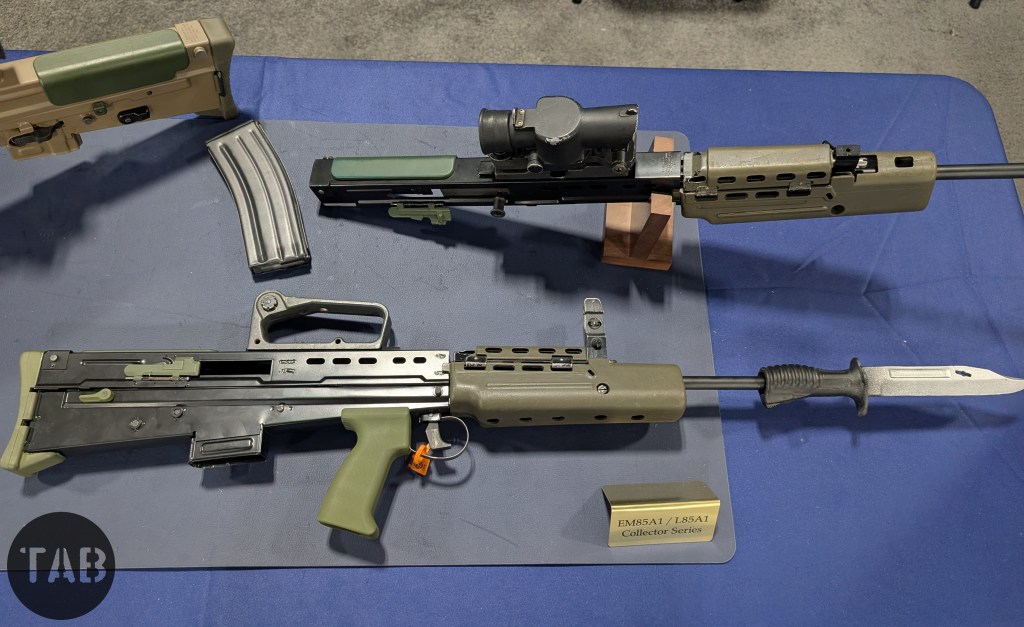
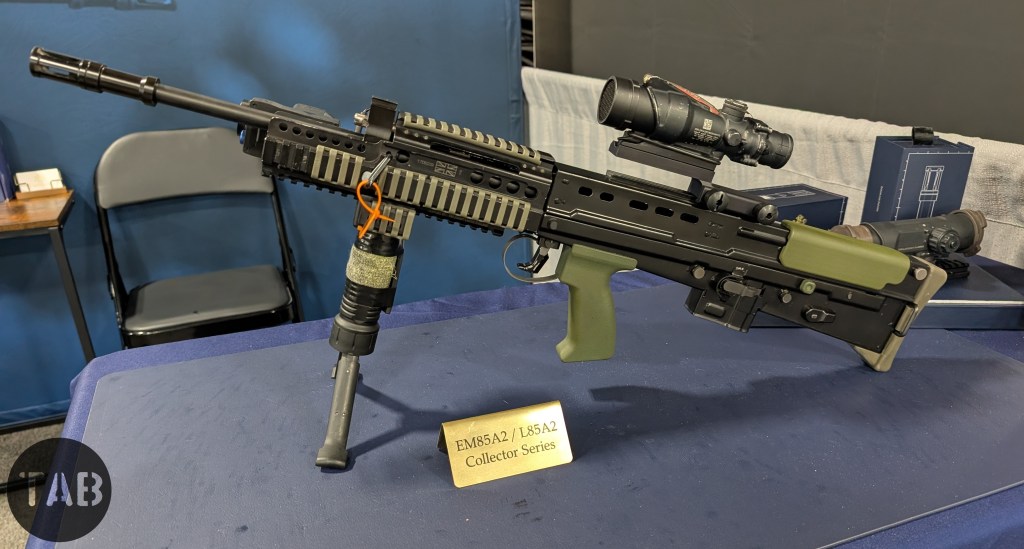
I had the opportunity to speak to Evan Murdoch of Murdoch & Co. at this year’s SHOT Show 2026. Murdoch & Co. have launched one of the most ambitious firearms manufacturing projects I’ve seen in a long time – recreating the British SA80 bullpup as closely as possible.

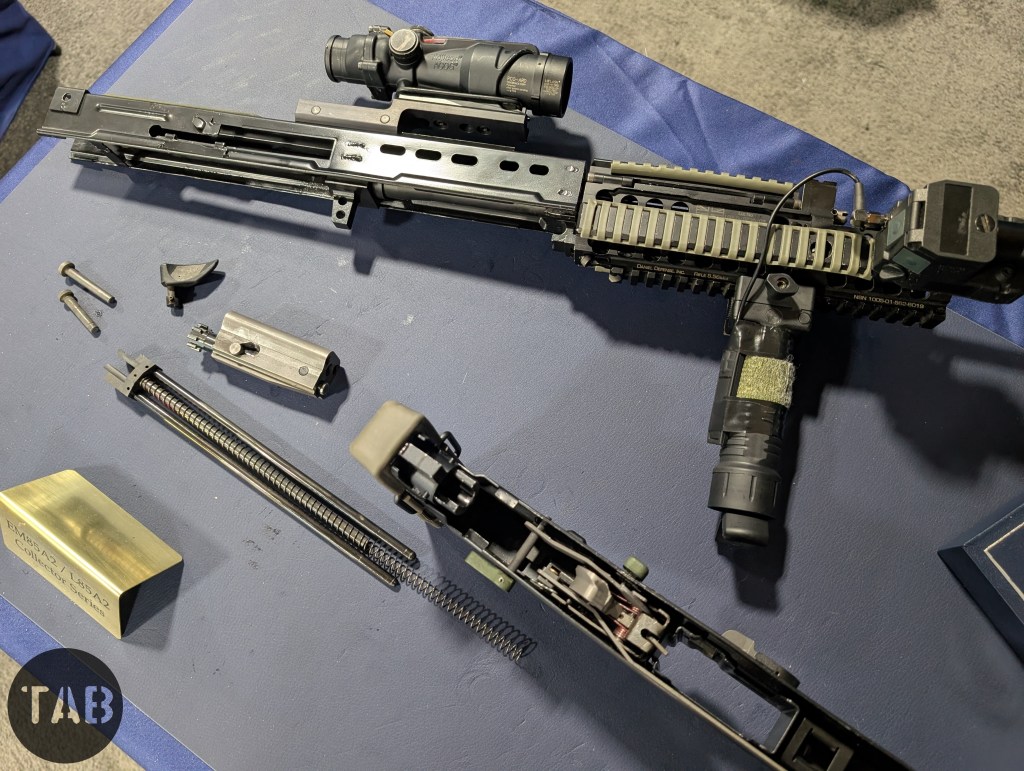
Speaking to Evan, I had the opportunity to ask him why he took on this enormous engineering undertaking, how the company approached the task and he ran us through the various clones of the A1, A2 and A3 that Murdoch & Co. have developed and showed us one of the guns stripped down.

Having handled the guns, albeit relatively briefly, at SHOT 2026 I was impressed by how authentic they appeared and felt. It’s an impressive feat to resurrect a rifle that has been out of production for 40 years.

Check out Murdoch & Co.’s website for more information.


Support Us: If you enjoyed this video and article please consider supporting our work here. We have some great perks available for Patreon Supporters – including exclusive videos, custom stickers and early access to videos! Thank you for your support!

Russia’s Missile-Armed Shahed Drones

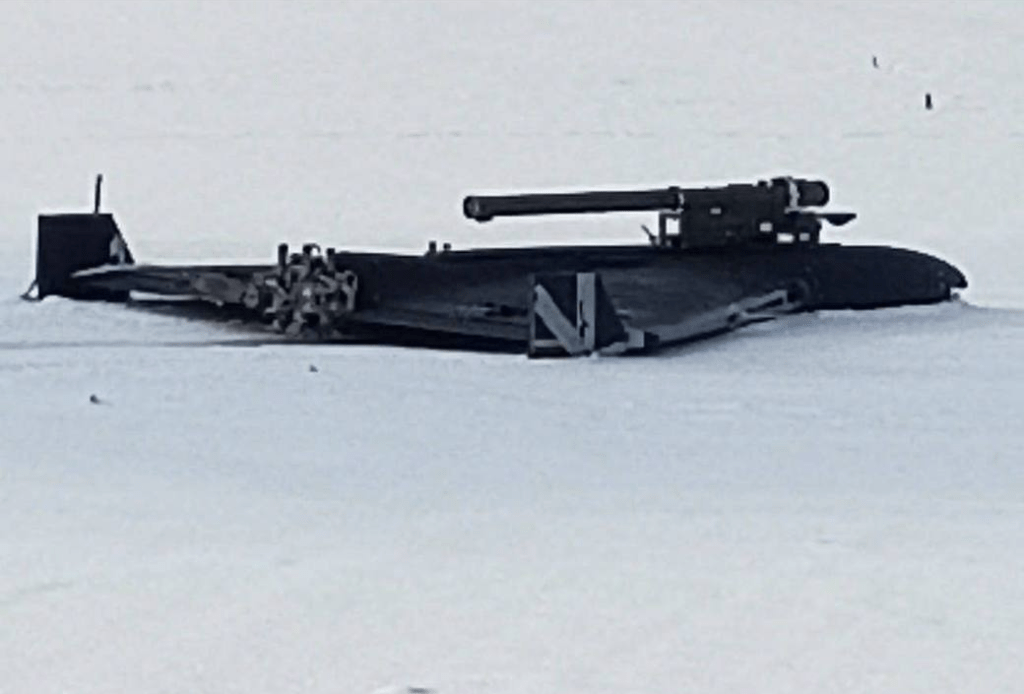
Russia continues to rely on the simple but effective Shahed-136 (Geran 2) long-range one-way munition in its ongoing aerial campaign against Ukraine. Russian strikes, including waves of Shahed-136 (and decoys), have long been a nightly occurrence across Ukraine with the the drones delivering 50kg warheads against a range of targets. A Shahed-136 downed, on 4 January, by Ukrainian forces shows that Russia has again augmented the drone platform in an attempt to off-set Ukraine’s counter-Shahed efforts.

Downed MANPADS-Shahed (via social media)

Ukraine has been engaging Shaheds from both the ground and the air – with the Ukrainian air force’s helicopters and fast jets both being deployed to shoot down the Russian drones. While recently, newer aerial methods such as small, fast interceptor drones, have emerged traditional aerial platforms are still responsible for a considerable portion of Shaheds successfully downed.

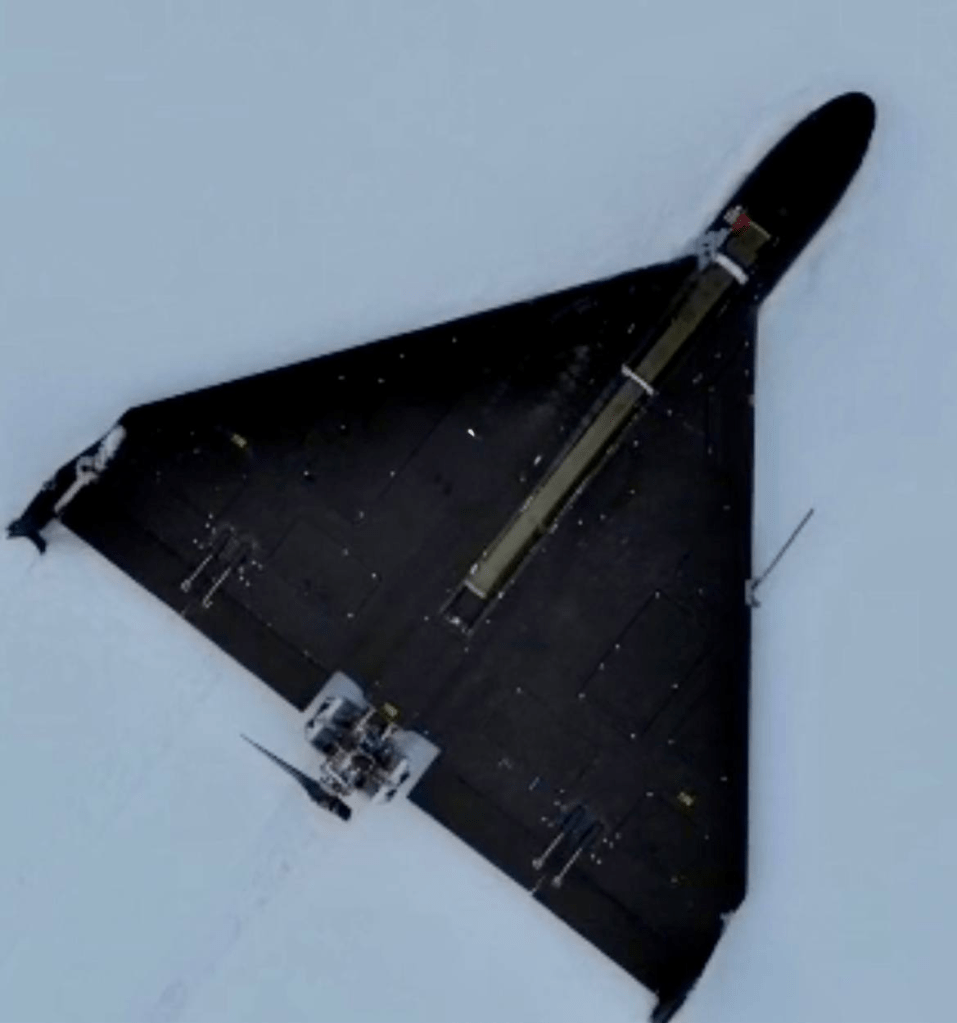
In an effort to protect its Shaheds, Russia appears to have begun to arm the long-range drones with MANPADS – man portable air defense systems, which are typically shoulder-fired. Ukrainian military technology specialist Serhii ‘Flash’ Beskrestnov shared several photographs and a video showing a Shahed armed with a 9K333 Verba 72mm multi-spectral-guided missile. The 9K333 is Russia’s most modern MANPADS and while it is typically shoulder-fired to provide troops with very short range air defense capability, according to manufacturer KB Mashinostroyeniya it can also be mounted on aerial platforms. While KBM likely envisaged these platforms to be helicopters it appears that Russian Aerospace Forces technicians have been able to mount the small missile on Shaheds.

We’ve already seen MANPADS mounted on unmanned ground vehicles for remote use against drones and aircraft and we’ve also seen smaller drones equipped with firearms and rocket launchers.

Downed MANPADS-Shahed (via social media)

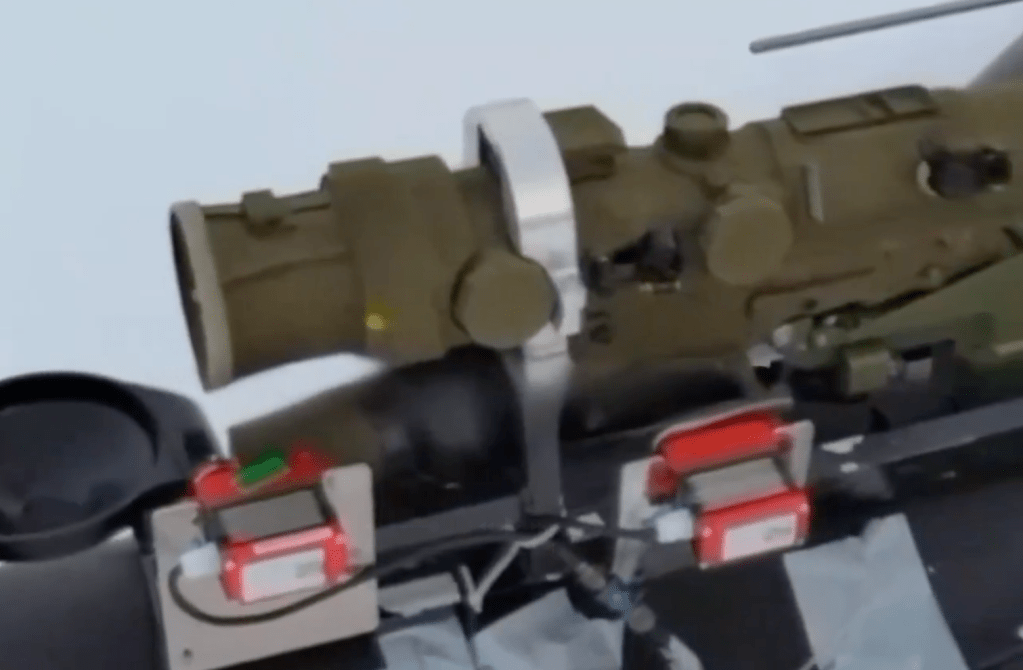
The drone was reportedly downed by elements of the Ukrainian Armed Forces’ 412th Unmanned Systems Brigade (‘Nemesis’). The unit shared some footage filmed by a small quadcopter drone shows that the missile on this particular Shahed was unfired and was manufactured in 2025. It also shows the ad-hoc nature in which the launcher has been mounted on the drone. Many of the wires and connections appear to have been covered with insulation tape. There appear to be a pair of servo actuators which, from their positioning, appear to remove the launcher’s protective end-cap and actuate the Verba’s batteries, the firing controls were reportedly cable-tied so that the missile would launch as soon the target was locked by the seeker.

Geran-2/Shahed kamikaze drone with the Verba MANPADS (DIU)

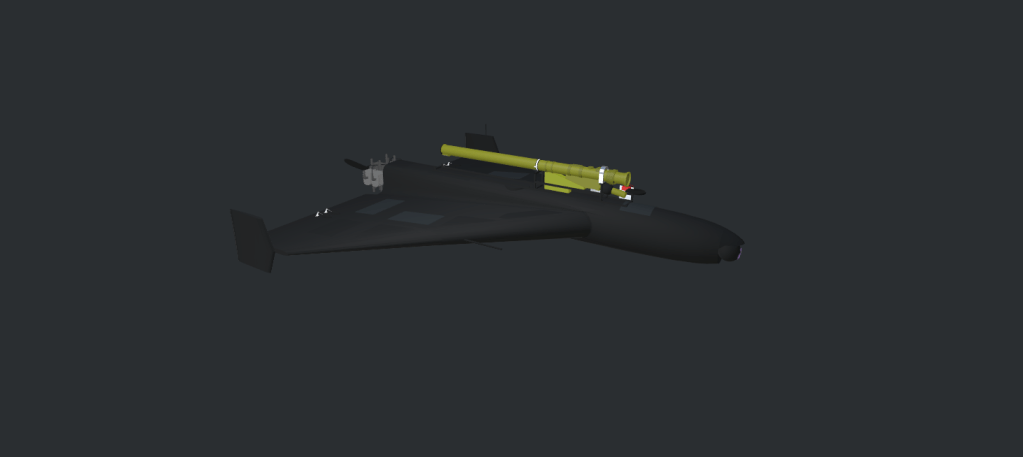
Since deploying the Iranian-developed Shahed-136, in both propeller-driven (the Geran-2) and jet-powered (the Geran-3) variants Russia has continually developed the base design adding various payload variations, engines and defensive counter-measures. The MANPADS-Shahed was likely developed to lure valuable Ukrainian aircraft into range, up to 6km, before taking them by surprise and engaging them with a missile. The missile itself is mounted along the drone’s centre-line. A similar modification of the Shahed began to be seen back in December 2025 with Shaheds equipped with a Soviet R-60 air-to-air missile. There have been a number of interception videos featuring these R-60 equipped Shaheds and some wreckage of a number of the drones has been. The missiles are mounted on a launch rail.

Beskrestnov notes that the downed MANPADS-Shahed was equipped with “a camera and a radio modem. The missile is launched by the Shahed operator.” He went on to warn Ukrainian pilots to be more cautious when approaching Shaheds and to avoid attacking them head-on. On 12 January, the Main Directorate of Intelligence of the Ministry of Defence of Ukraine (DIU) shared an interactive computer-generated diagram of the modified Shahed drone, showing its various components and configuration on the War Sanctions website which documents the foreign components Russia uses to build its weapons.

It’s unclear how many Shaheds may have been outfitted with 9K333s or R-60s but these latest developments illustrate the evolutionary nature of the conflict’s drone technology and tactics.


Support Us: If you enjoyed this video and article please consider supporting our work here. We have some great perks available for Patreon Supporters – including exclusive videos, custom stickers and early access to videos! Thank you for your support!

Colt Canada C20 Rifles in Ukraine

Welcome to another research note, the new exclusive series of videos I’m sharing on Patreon spotlighting some of the ongoing research I’m doing into the weapons used in Ukraine. In these videos I share progress on topics that aren’t quite ready for a full video.

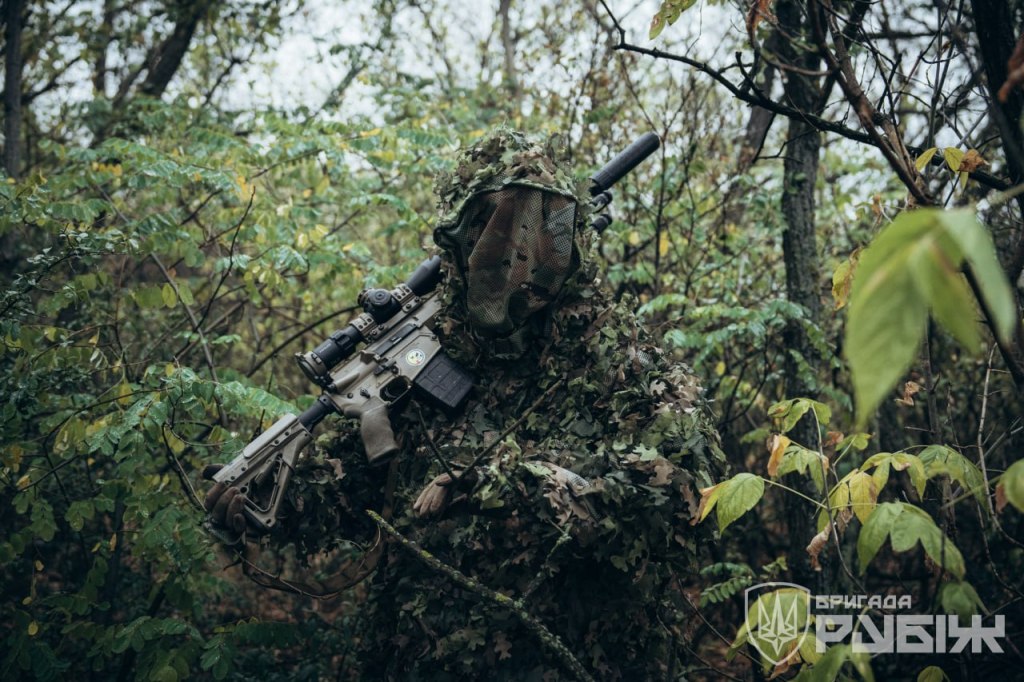
In 2020 Colt Canada introduced the C20, a 7.62x51mm marksman rifle. These have been adopted by both Canada and Denmark. Within the last couple of months a number of C20s have been seen in use in Ukraine.

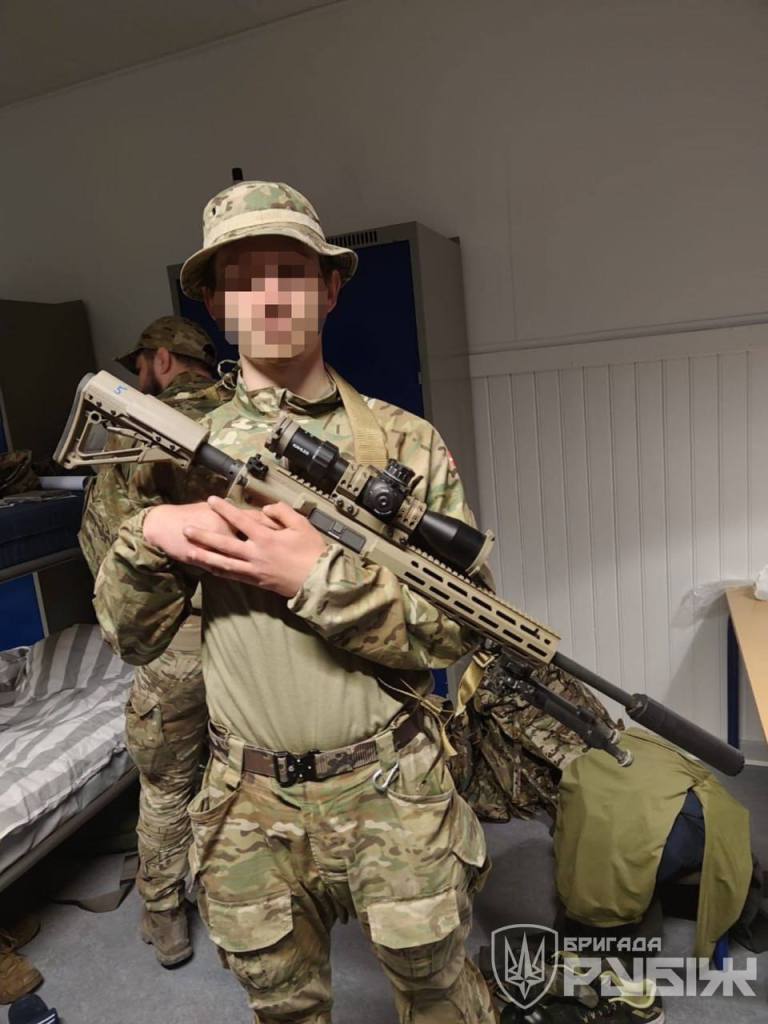
A member of the Sniper Company of the Rubizh Brigade has been photographed with a C20. The brigade has posted photos of the individual and the rifle on a number of occasions from early October through to December. The rifle appears to have a Kahles K318i (3,5-18x50i) scope in a Spuhr ISMS mount and an what is likely an OSS HX-QD 762 suppressor. The rifle also appears to have a LaRue Tactical RISR Cheek Riser for its Magpul CTR MOE stock.

On 6 November, another image was shared by the UA Snipers page on Instagram, a community page which focuses on imagery of Ukrainian marksmen and snipers. The photo appears to have been taken at the range and while it doesn’t show the whole rifle the close up on the receiver allows us to see the Colt Canada CAGE number ‘2C085’. Also just visible is the Spuhr mount’s SP model number. The optic appears to be a high-end Schmidt and Bender from the PMII series.

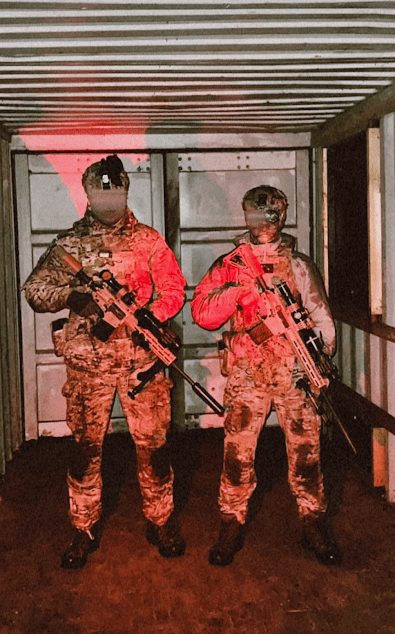
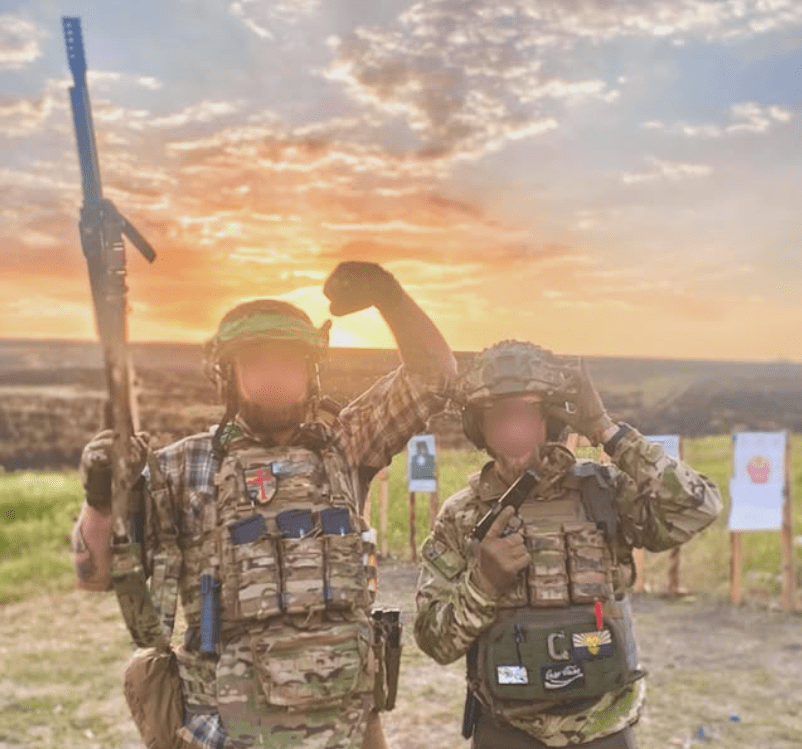
The most recent image was posted on 2 December, showing a pair of Ukrainian combatants with C20s, the rifles both have HUXWRX suppressors but its difficult to identify the optic due to the image’s low resolution. Similarly, they appear to have the LaRue Tactical RISR cheek riser seen on the earlier example. The rifles’ optics appear to be mounted in Spuhr mounts and have thermal clip-ons ahead of the scopes. The affiliation of these combatants is unknown, they may be members of the SSO. When asked about the rifles, the page which shared the photo, noted that “impressions and reviews are good.”

The configuration of the rifles is very similar to those used by the Danish Armed Forces. Denmark adopted the C20 in September 2020. https://youtu.be/hejJU-IPEZ4 /

The number of sightings of the rifles is relatively small, but enough to confirm that a small number of Colt Canada C20 marksman rifles have been supplied to Ukraine and appear to have been issued to several units. The configuration and accessories of the rifles seem to suggest they originate from Denmark.

Special thanks to the guys at Streakingdelilah, Mike and Dikobraz for assistance.

Vintage Weapons in a Modern War: Browning Hi-Power In Ukraine

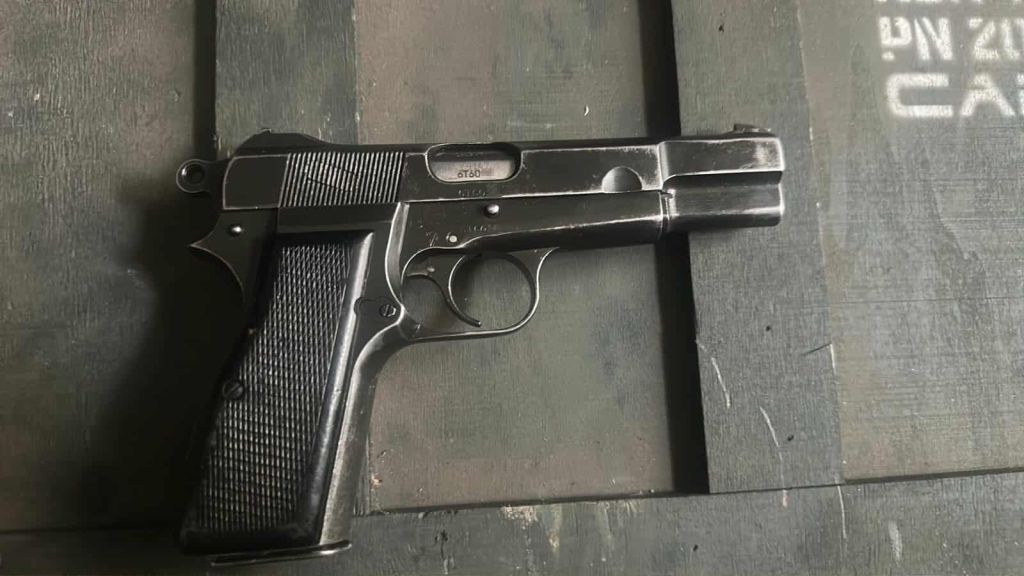
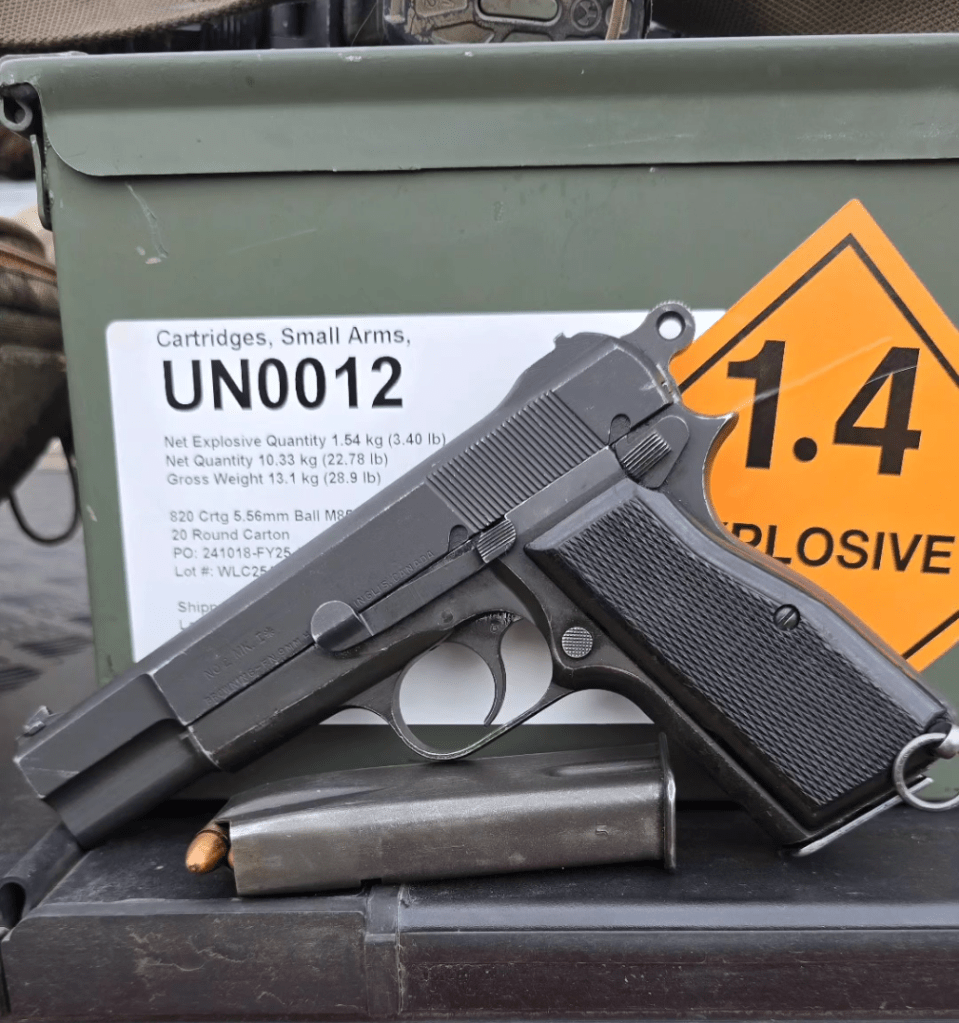
Canada confirmed in September 2024 that it would be supplying Ukraine with “10,500 surplus 9mm pistols from our inventory.” These pistols would be the long-serving Inglis-manufactured Hi-Powers, which Canada is replacing with SIG Sauer P320s, designated as the C22. Only recently has imagery of the Canadian Hi-Powers in Ukraine appeared.

Canadian manufacturer Inglis produced the Hi-Power under license during the Second World War. Just over 150,000 pistols are believed to have been manufactured from 1944 to October 1945. These include two major variants the No.1 and the No.2 (Mk1 and Mk1*). The No.1 had a rear tangent sight and a mounting slot for a holster-stock (features requested by the Chinese government who made the initial order for the pistols). The No.2 pistols had a fixed rear sight, mounted on a slight, curved rise at the rear of the slide. They also lacked the holster-stock slot. The No.2 pistols were subsequently adopted by the Canadian and UK militaries. The No.2 Mk1* pistols are currently being replaced by the P320 after a remarkable 80 years in service.

In July, a Browning Hi-Power was seen in a training range photo was shared by the Deputy Commander of the 411th Separate Regiment of the Unmanned Systems of the Armed Forces of Ukraine. The profile of the Hi-Power is unmistakable, but the resolution makes it difficult to confirm the variant; it does not appear to be a Canadian-made pistol. The style of the rear sight doesn’t match that of an Inglis-manufactured pistol.

Later in July, another image of the Hi-Power was used as a cover image for a video clip of an interview with the 411th’s Deputy Commander.

At the time, these two photos represented the only imagery that suggested operational use of Browning Hi-Powers in Ukraine. While there were one or two other photos reportedly from Ukraine they were more likely collectors’ pieces.

In early November, Іван Савельєв, an armourer affiliated with the 3rd Assault Brigade, shared a photograph of a Canadian Hi-Power, which was provided to another Ukrainian unit. The serial number of the pistol, beginning ‘6T60XX’, dates its production to sometime between August and October 1945, when Hi-Power production at Inglis ceased.

He subsequently shared a video shooting a Canadian Hi-Power at the range. It’s unclear whether this pistol is one which has been delivered to his or another unit.

On 18 November, another photo of an Inglis Hi-Power was shared by another member of the 3rd Assault Brigade. The serial number is not visible but the pistol’s slide is unmistakably marked No.2 Mk1* and Inglis.

The condition of the Inglis pistols transferred to Ukraine is unclear. The pistols in the Canadian armed forces’ inventory were reportedly highly worn with suggestions that in recent years pistols had been cannibalised for parts. This is to be expected from pistols that were manufactured 80 years ago though it’s unclear if the 10,500 pistols announced by the Canadian government were pistols which were in Canadian armed forces’ regular inventory. While the amount of imagery of these pistols in Ukraine remains comparatively small, the numerous sightings confirm that Inglis-made Canadian Hi-Powers are in active service with the Ukrainian armed forces. While the pistols may have been produced some 80 years ago and are arguably obsolescent the Hi-Power’s influential design and its decent magazine capacity mean that it is still useful today.

Special thanks to Druzhe Orest for assistance.


Support Us: If you enjoyed this video and article please consider supporting our work here. We have some great perks available for Patreon Supporters – including early access to custom stickers and early access to videos! Thank you for your support!

Chinese Heavy Machine Guns in Ukraine

A number of Chinese small arms and light weapons have turned up in Ukraine since the invasion in 2022, including Type 69 RPGs and Type 56 rifles. Another weapon that has been seen infrequently in Ukraine is the W-85 heavy machine gun. Chambered in the Russian 12.7×108mm round, the W85 uses a long stroke gas piston system, and with mount weighs around 39 kg (86lbs). The W85 is predominantly an export weapon and has seen use around the world.

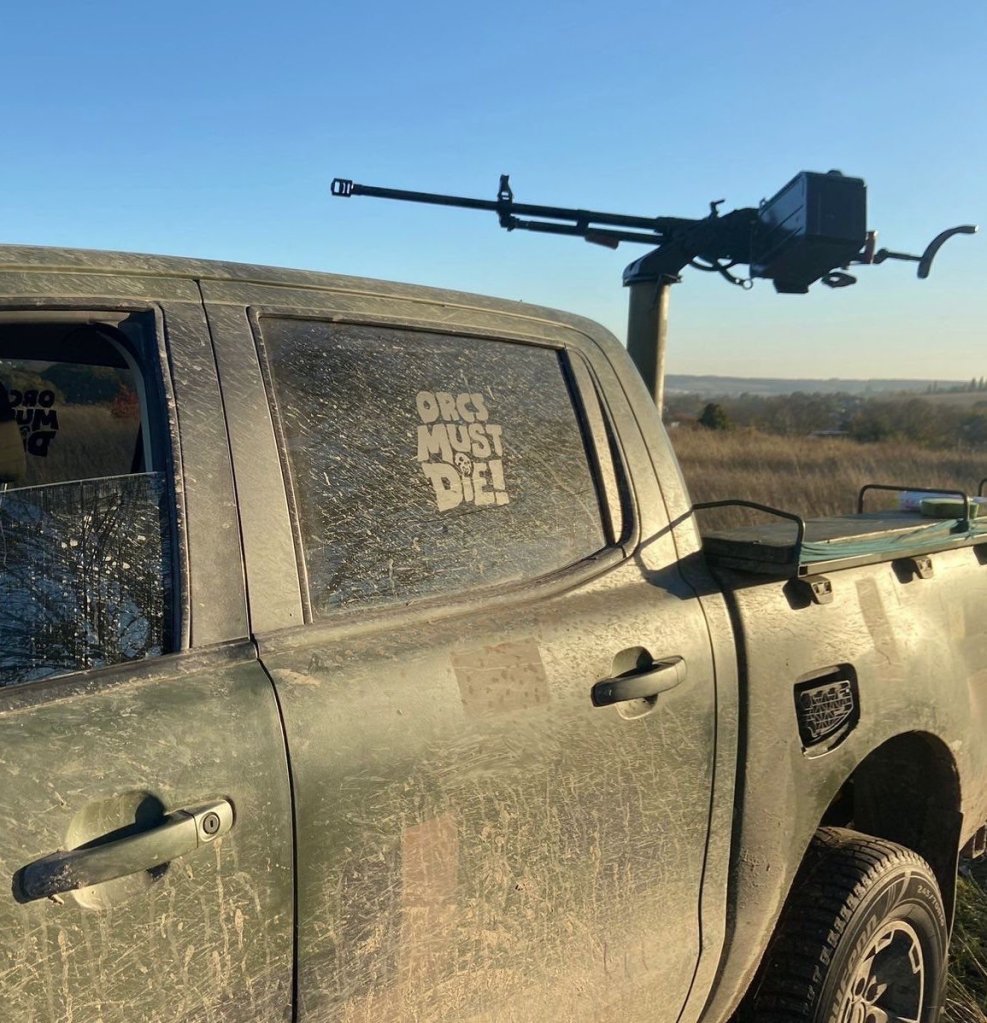
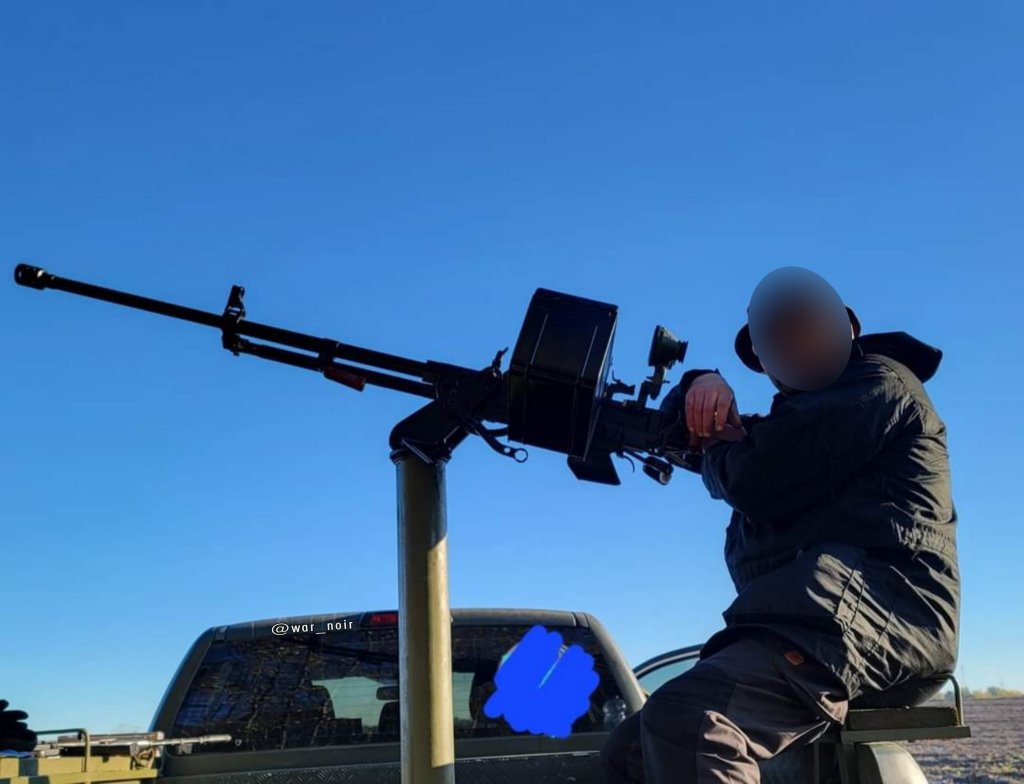
The W85 was first seen in imagery from Ukraine in late October 2022, mounted on what appears to be a Fort Ranger pick-up. This technical was seen in a series of photos through November, with the gun mounted on a pintle. The source suggests it was used to shoot down Shahed-136/Geran-2 one-way munitions (long range kamikaze drones) when they first began to appear in southern Ukraine.

The next sighting came in January 2024, when a photo of Ukrainian Territorial Defence forces posing next to another technical was shared. The gun appears to be mounted on a locally-produced mount on the back of a Nissan Navara.

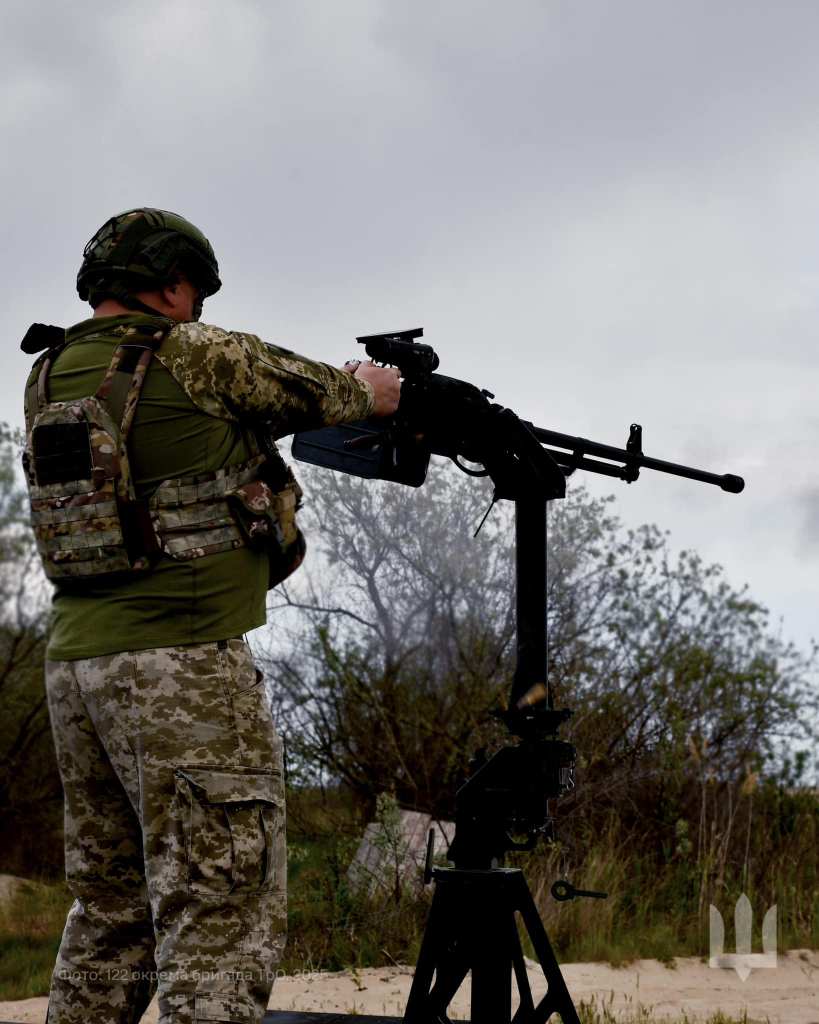
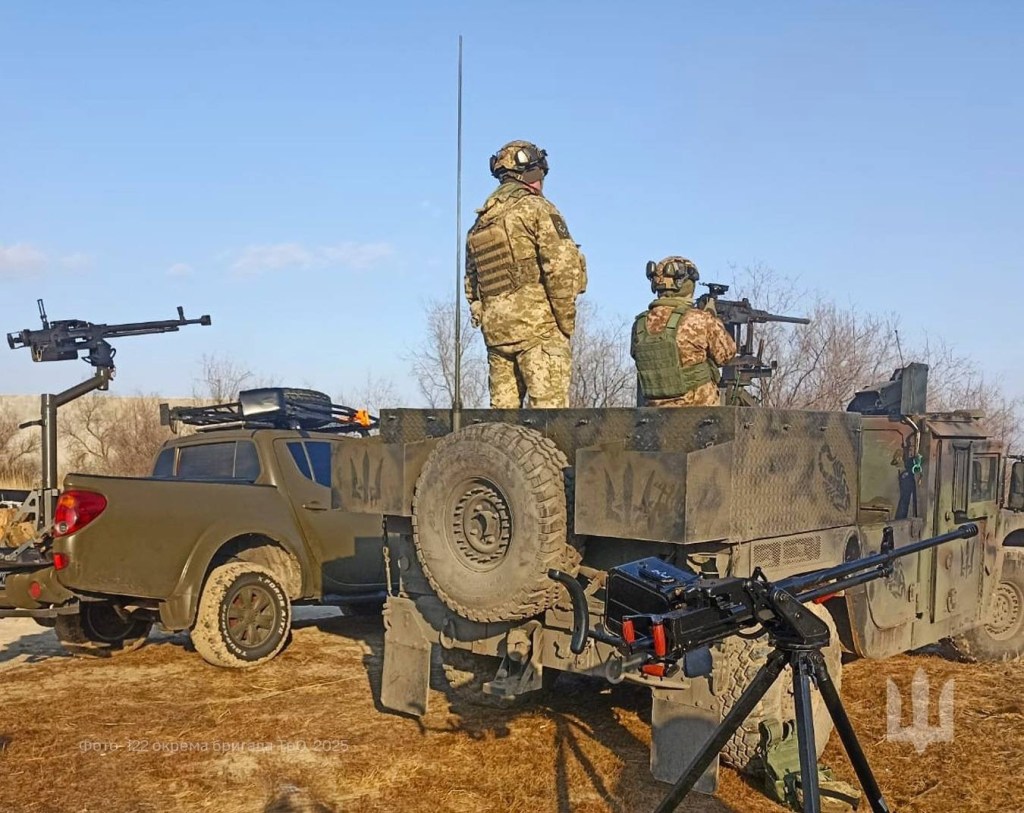
In February 2025, 122nd Separate Territorial Defense Brigade shared photos of what they describe as a ‘mobile fire team’ equipped with a pick-up and a HMMWV. As well as an W85, an M2 Browning and a DShK. A month later at the start of March Weapons Illustrated shared a video showing a W85 being disassembled. The gun in the video can be identified as a Norinco CS/LM3 HMG from the receiver markings. This is interesting as the CS/LM3 is an export version of the W85 chambered in the 12.7x99mm NATO caliber. It is unclear if any of the other W85s sighted are also this variant and chambered, as imagery doesn’t enable us to positively identify them.

What isn’t clear is where the W85s or CS/LM3 originated from. One possible origin is that they were part of a seized shipment of small arms and light weapons supplied to the Houthis in Yemen by Iran, which was intercepted en route. It is worth noting, however, that no heavy machine guns have been seen in the released imagery of seized shipments.

On 22 May, the 122nd Separate Territorial Defense Brigade shared photos of a W85 outfitted for engaging Russian UAVs like Shahed-136s. The gun appears to have a high-power light mounted.

On 25 October, Ukrainian photographer Mykyta Kuznetsov photographed a mobile anti-drone unit on the outskirts of Kharkiv. The unit was photographed with their pick-up mounted with a W85 on a pintle. The Ford Ranger’s bed has been removed and replaced with a circular platform to allow the gunner to move more easily when engaging moving targets.

The number of W85 in Ukraine is unknown but likely small. It is unclear how the guns seen in 2022 arrived in country or if any of those seen subsequently originated from the US’ transfer of seized Iranian arms shipments. It appears that the guns have largely been issued to Territorial Defence Force units, which are predominantly tasked with air defence operations against Russian Shahed one-way munitions.

Addendum: There has been at least one sighting of a Chinese Type 54, a clone of the DSHk, in Ukrainian service dating from March 2024.

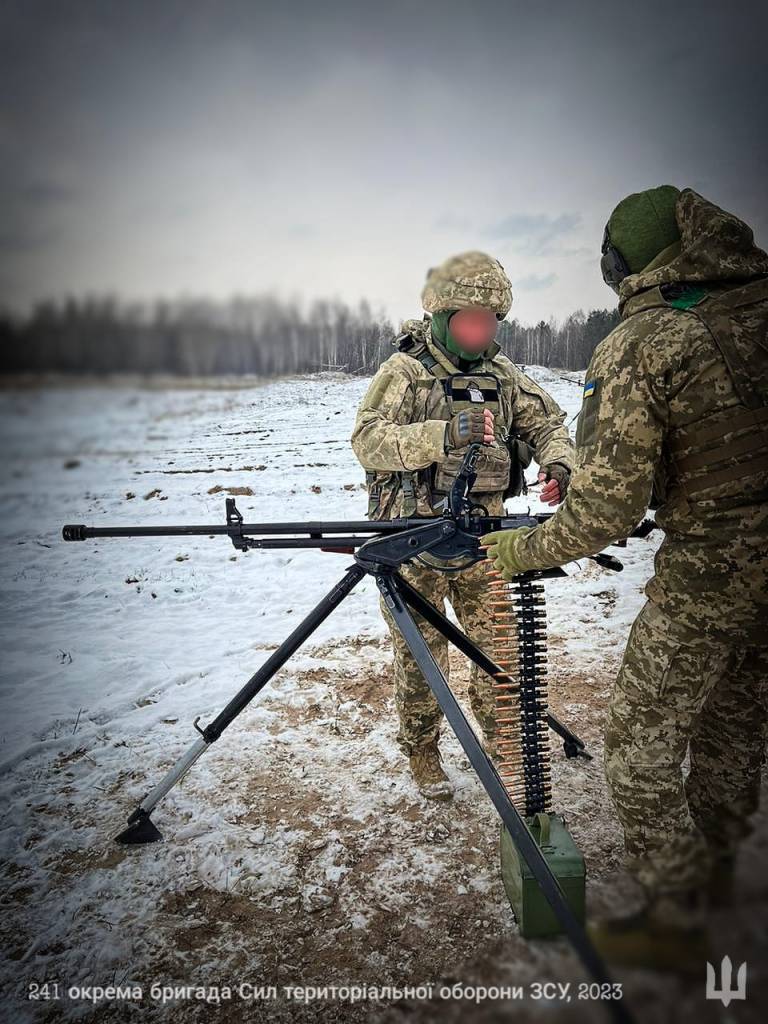
Update – 17/11/25:

An additional photo of a W85, dating from 2023, posted by the 241st Separate Brigade of the Territorial Defence Force.


Support Us: If you enjoyed this video and article please consider supporting our work here. We have some great perks available for Patreon Supporters – including early access to custom stickers and early access to videos! Thank you for your support!

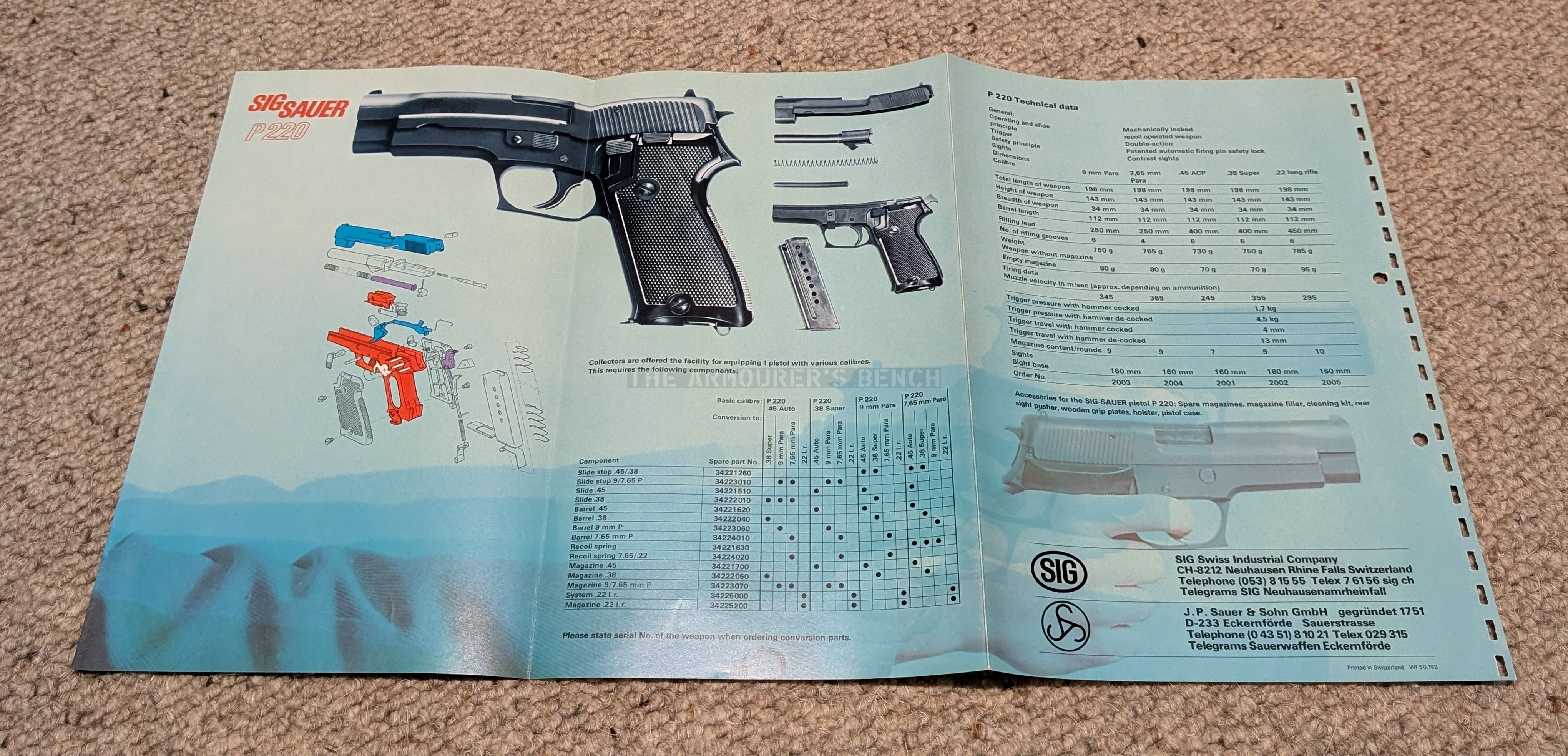
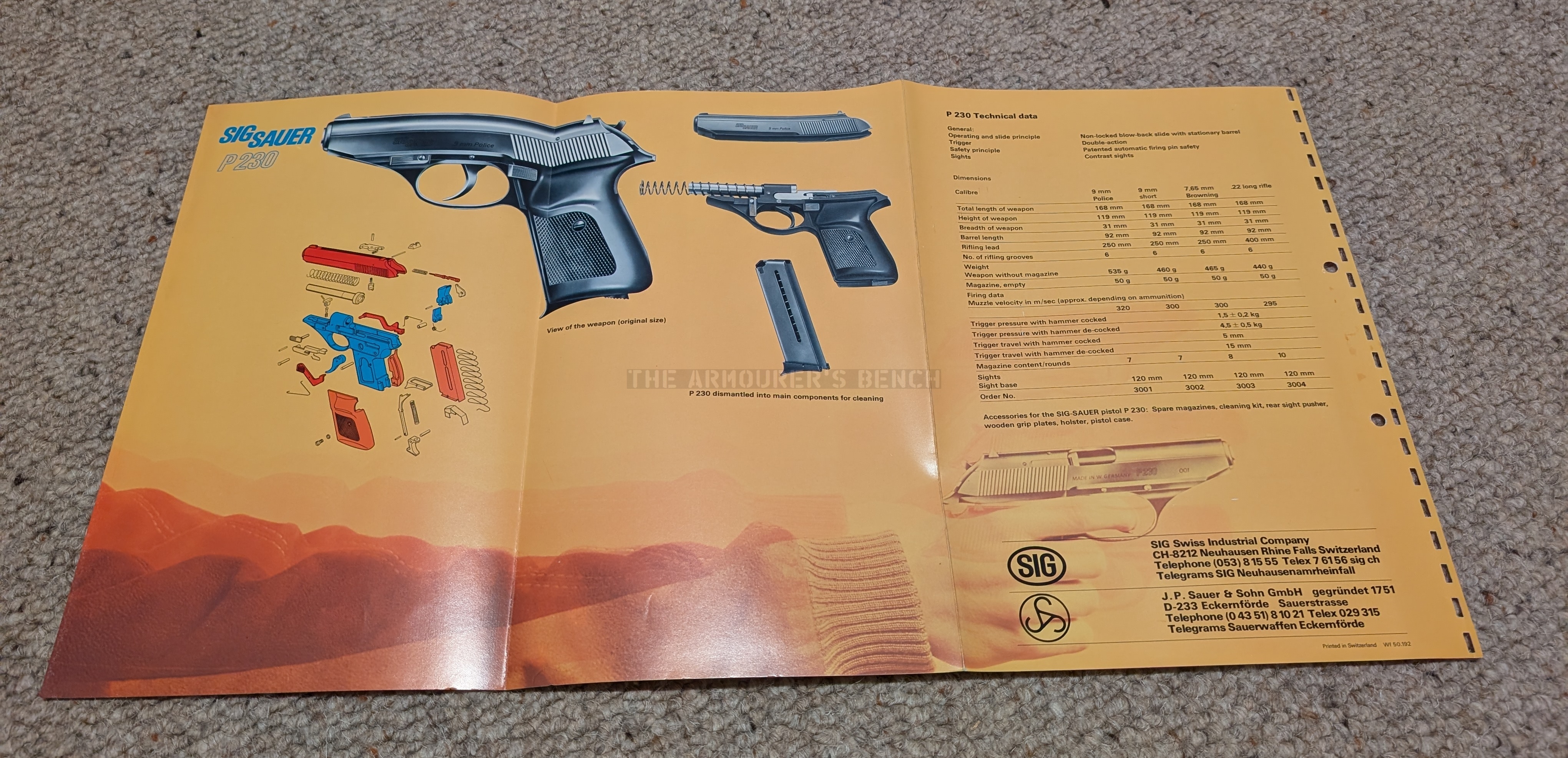
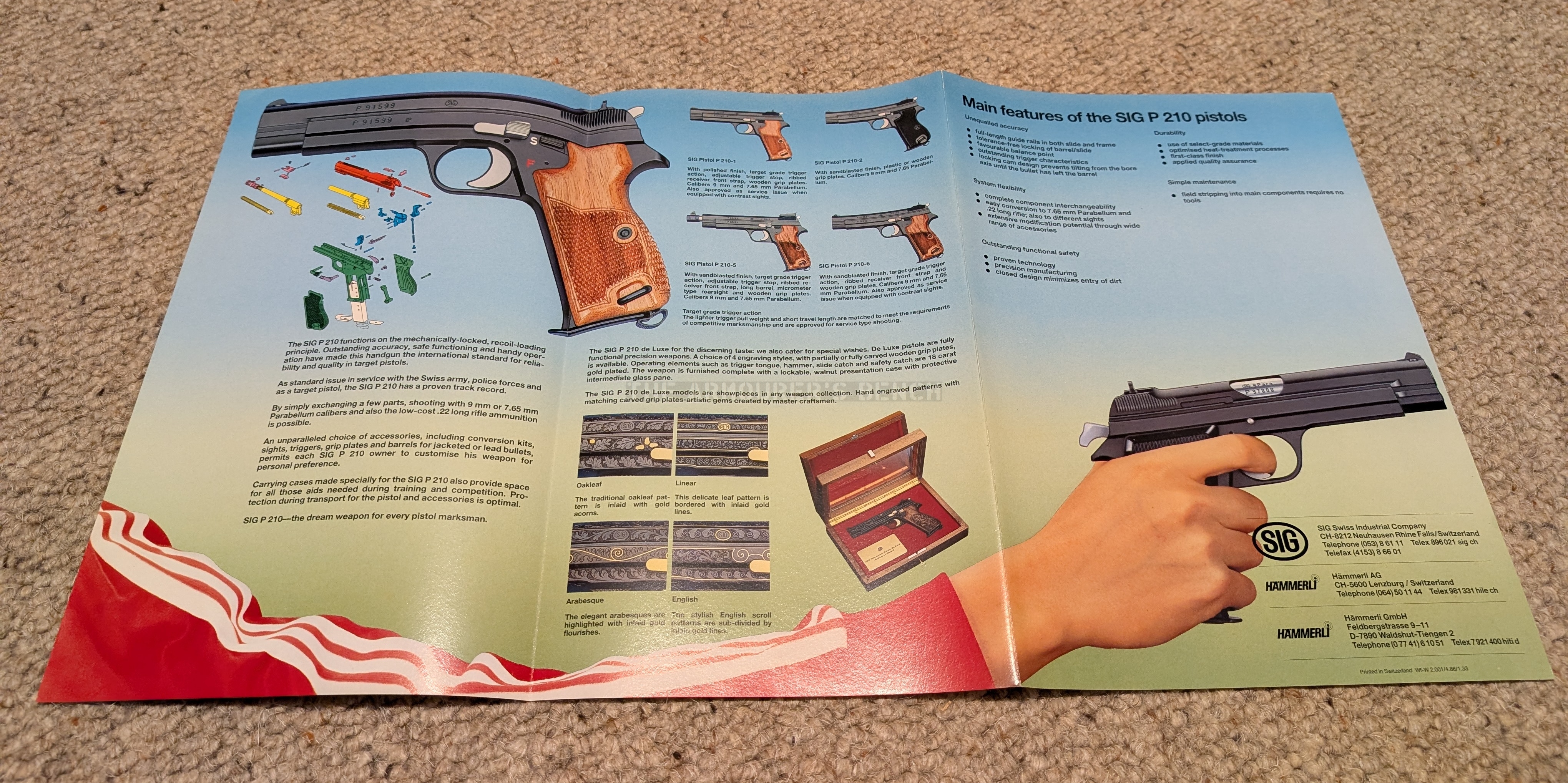
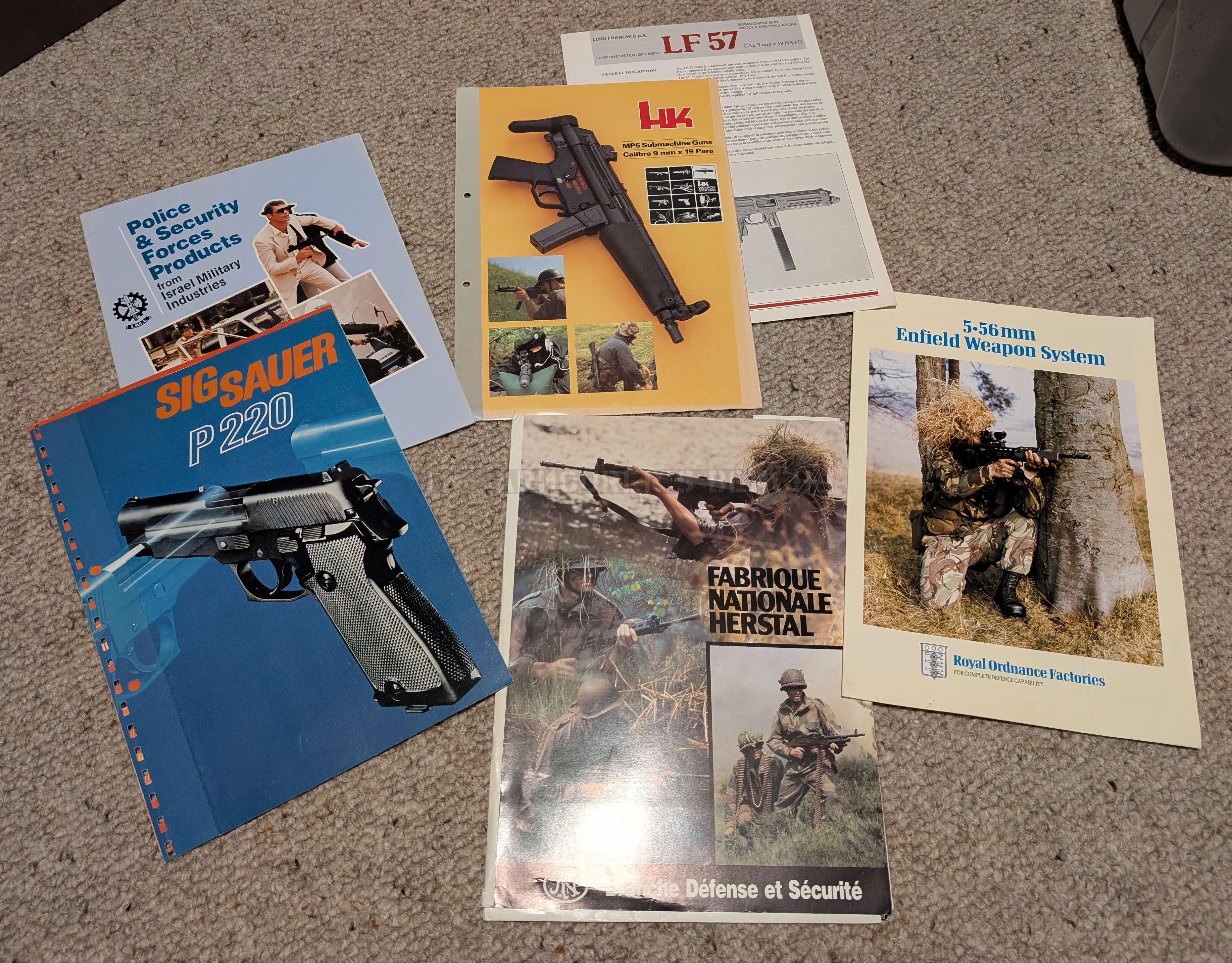
Vintage SIG Sauer Brochures

POV – You’re just back from an exciting day walking around the 1989 Arms Expo. You begin unpacking all of the brochures about the latest cutting edge firearms that you picked up! You start with some SIG brochures a nice man from Bern enthusiastically gave you….

More from the TAB reference collection here.


Support Us: If you enjoyed this video and article please consider supporting our work here. We have some great perks available for Patreon Supporters – including early access to custom stickers and early access to videos! Thank you for your support!

APILAS in Ukraine

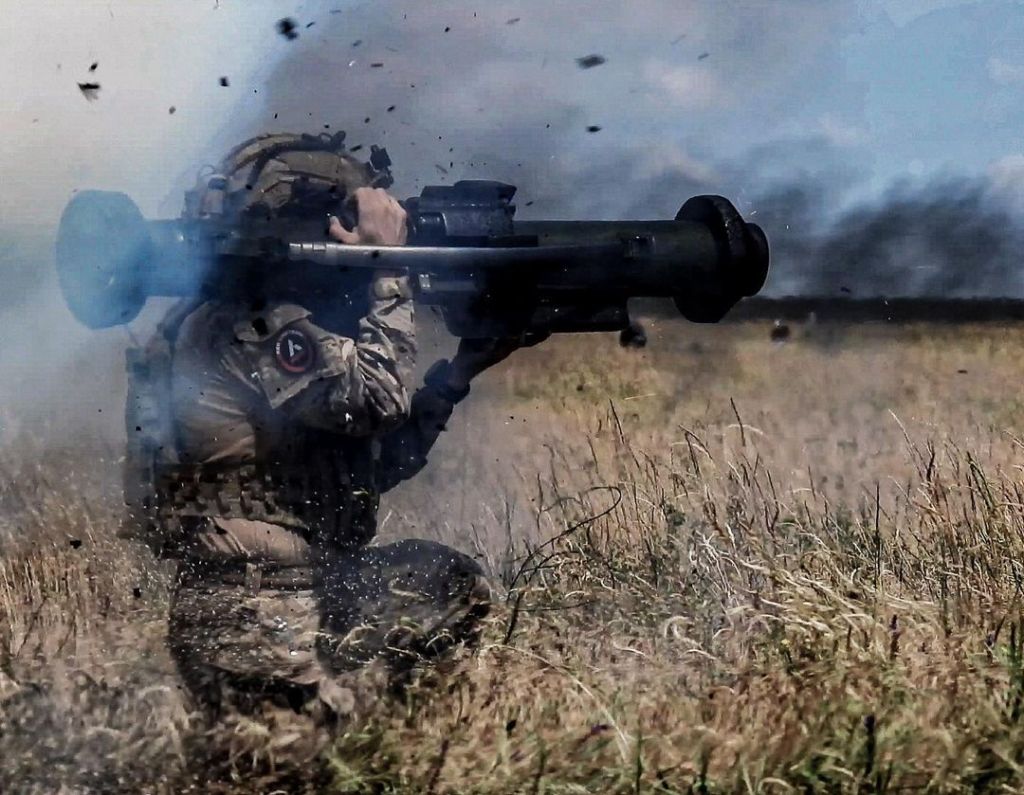
The APILAS or Armour-Piercing Infantry Light Arm System, developed by France’s GIAT Industries in the early 1980s, is perhaps one of the rarest shoulder-fired anti-armour weapon systems to appear in Ukraine. APILAS is a 112mm anti-armour weapon with a 1.5kg shaped charge warhead capable of penetrating more than 750mm or rolled homogeneous armour.

The APILAS seen in Ukraine are most likely to have originated from either France or Finland, with Finland being the more likely.

In late February 2022, with Russian forces massed on Ukraine’s borders, the Finnish government made a rare public declaration of military aid to Ukraine. This included figures for a number of different weapon systems. The announcement stated: “Finland will deliver 2,500 assault rifles, 150,000 cartridges for the assault rifles, 1,500 single-shot anti-tank weapons.” The announcement didn’t specify the type of anti-tank weapons to be sent; however, and from Finish inventory these may have included APILAS, M72 LAWs or even NLAWs.

An APILAS seen in a video dating from 2021, filmed during fighting on the Donbas line of contact (via social media)

APILAS have been seen in Ukraine before Russia’s invasion in 2022, one was seen in a video dating from November 2021. It is unclear when the first APILAS were first transferred to Ukraine, and the weapons seen subsequently may originate from an earlier, pre-2022 invasion transfer.

APILAS in a Ukrainian armoury, c.2023 (via social media)

In April 2023 a photo of an APILAS in a Ukrainian armoury surfaced, sadly no markings are visible in the image. Several months later, on 19 and 20 June, Red Line Team, a unit affiliated with the Ukrainian security services special forces unit, SBU-Alpha, shared imagery from a range trip where a wide variety of anti-armour systems were fired. One of the weapons featured in the video was an APILAS.

(Red Line Team)

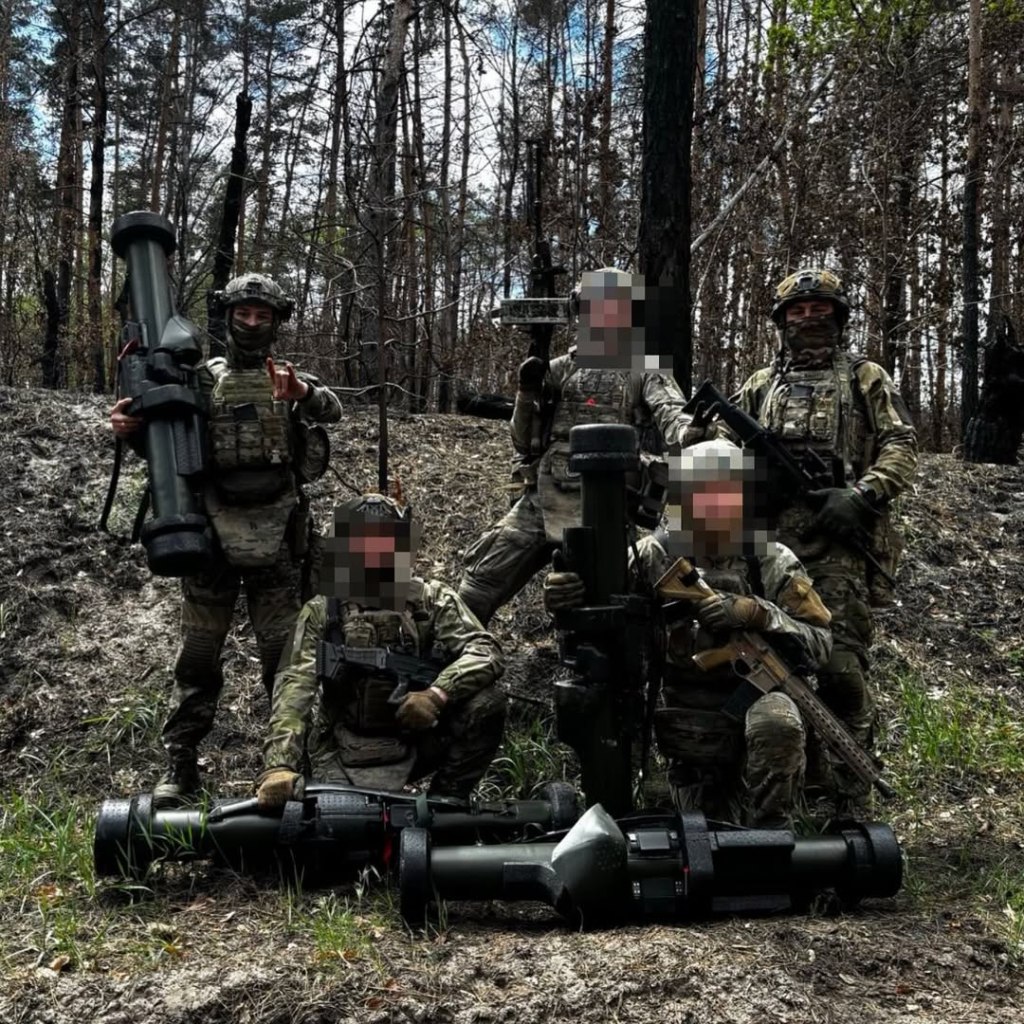
APILAS have also been seen with the Assault Bastards, a unit believed to be part of the Kraken Regiment’s 2nd Assault Company, which is part of the Department of Active Operations of Ukraine’s Intelligence Directorate (the GUR). On 13 May, the unit shared a group photo which also featured three APILAS.

(Assault Bastards)

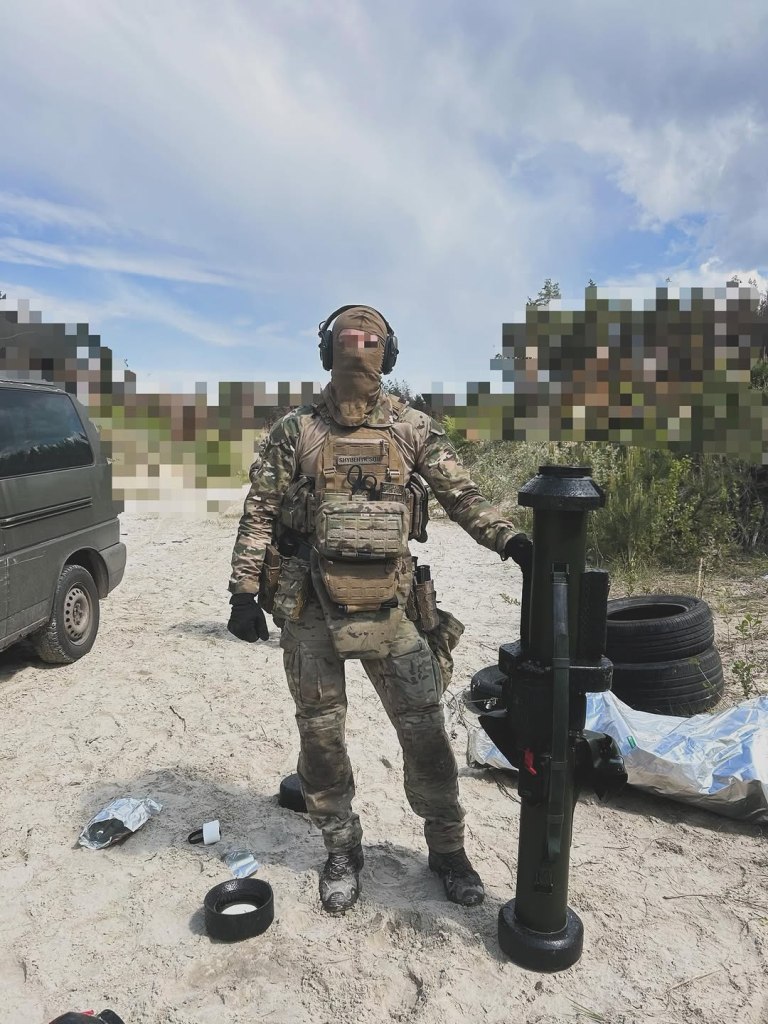
Most recently Shybenyk.Squad, another unit with Kraken’s 2nd Assault Company, shared a photo of an APILAS. This photo also appears to have possibly been taken at a range rather than in the field. Speaking to Shybenyk.Squad they explained that they have a decent number of APILAS in store and have used them operationally.

(Shybenyk.Squad)

APILAS has a reputation for having considerable concussive force when firing but Shybenyk.Squad noted that it’s blast isn’t that bad comparatively, describing it as ‘not critical’, during a recent trip to the training range the unit test fired 6 APILAS.

While APILAS are rarely seen in imagery from the conflict Shybenyk.Squad noted that they have a significant number of them in stores. They favour them for operations where more expensive complex systems, like NLAW or Javelin, may be lost. Shybenyk.Squad explained that “they can definitely be useful in certain situations… [systems such as] NLAW are much more expensive, high-tech, more effective, but losing it is much more problematic and in some risky tasks it is better to take a less expensive weapon.” In general they noted that they favour the AT4 and RGW-90 Matador “due to the weight to the corresponding firepower and ease of use.”

(Shybenyk.Squad)

Operationally they favour the APILAS’ for its penetration capabilities, with sources suggesting it can penetrate around 2 metres of concrete, making it is an excellent weapon for mouse-holing – breaching structures. Shybenyk.Squad explained that they “once used it to break through a small wall to storm a building from a blind side not protected by the enemy.”

APILAS is one of the most rarely seen anti-armour weapons currently being fielded in Ukraine so I’m pleased to be able to share some good first hand imagery and feedback on its capabilities.

Special thanks to Shybenyk.Squad for sharing additional imagery and sharing their thoughts on APILAS.


Support Us: If you enjoyed this video and article please consider supporting our work here. We have some great perks available for Patreon Supporters – including early access to custom stickers and early access to videos! Thank you for your support!