More Russian & Ukrainian MT-LB Adaptations

In June we looked at MT-LB adaptations which have been pressed into service by both sides. Check out that video/article here. In recent weeks there have been more sightings of some of these adapted vehicles.

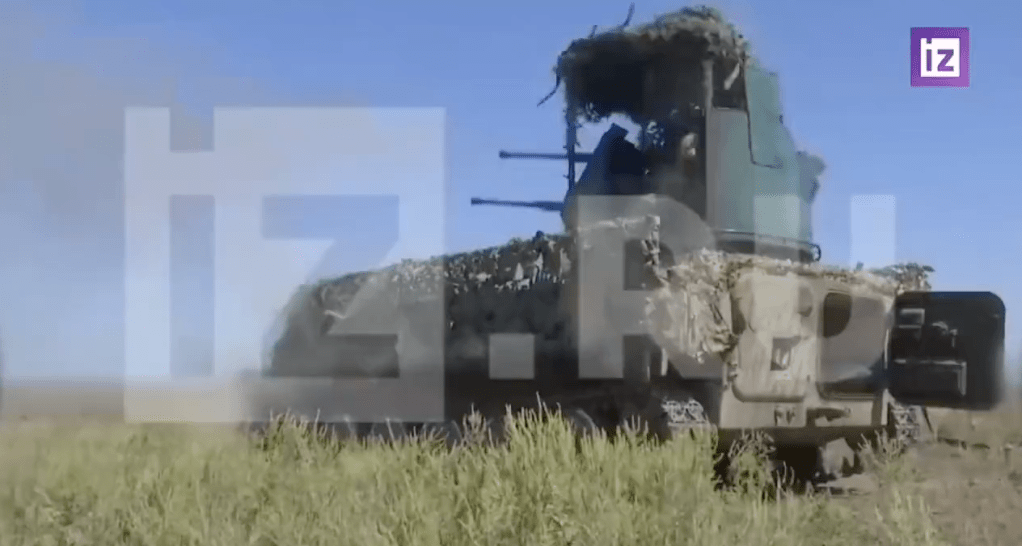
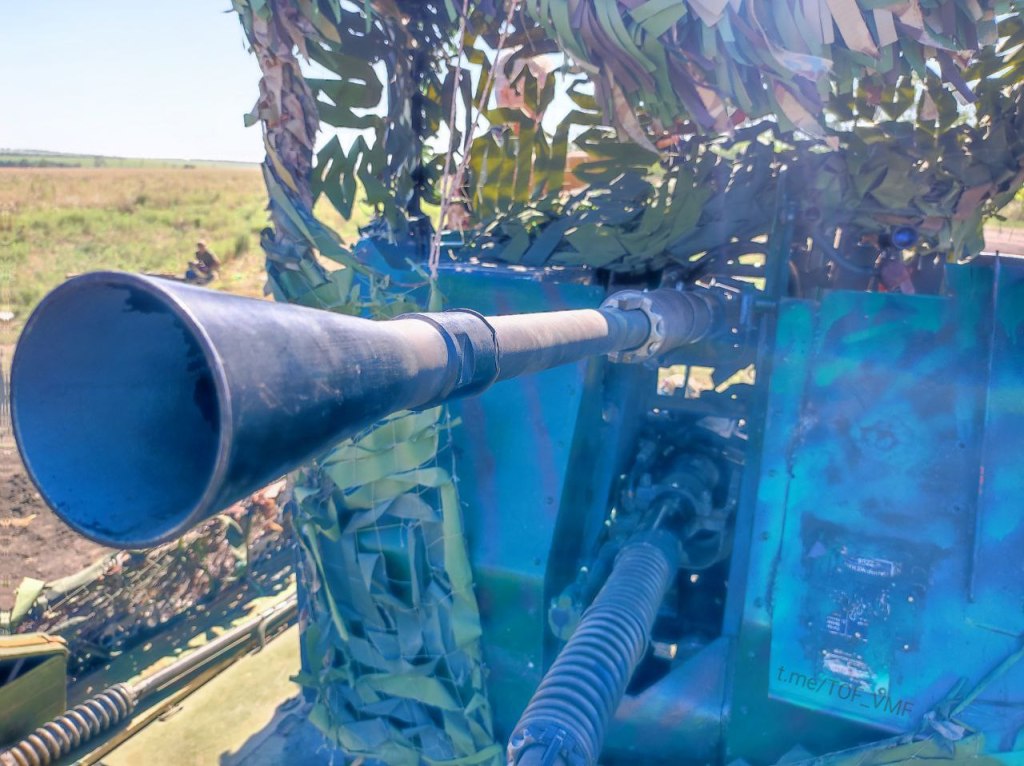
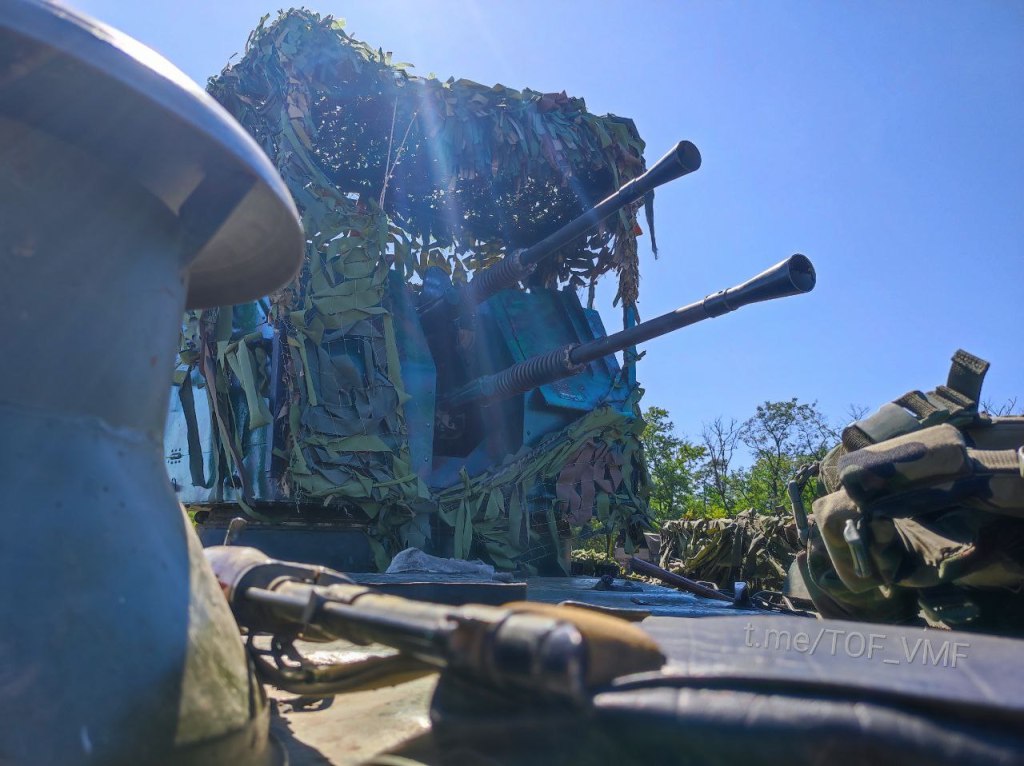
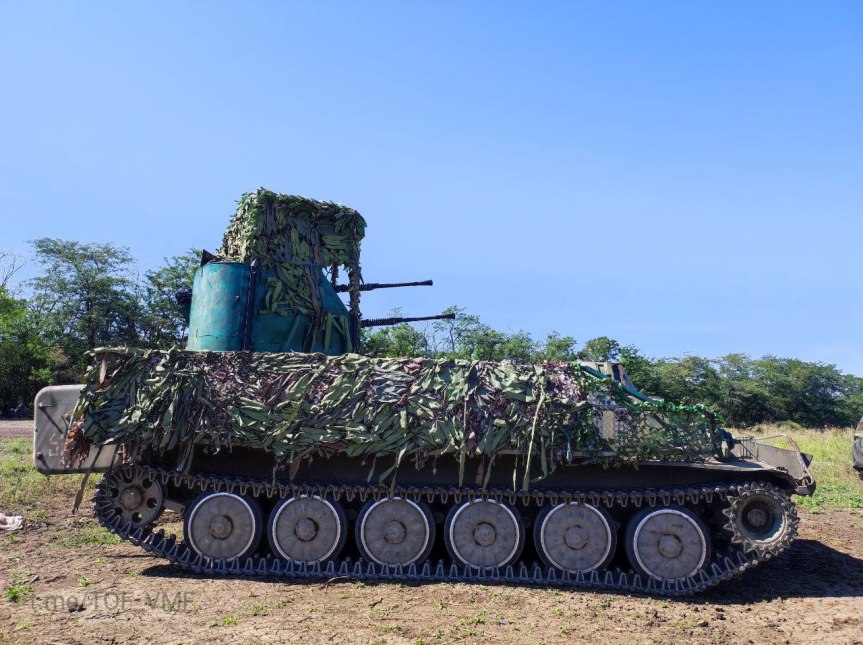
On 3 September, the first video of one of Russia’s MT-LBs fitted with a 2M-3 twin 25mm naval gun turret was shared online. The turret appears to be extremely unstable, shaking violently, its hard to imagine this weapon system being useful for anything beyond suppression.

A Russian MT-LB mounted with a 2M-3 turret (via IZ)

A week later on 10 September a short clip of another Russian MT-LB with a 2M-3 turret was published by Russian news outlet Izvestia. Again the turret seen firing appears to be very unstable with not only the vehicle rocking on its suspension but also the turret bouncing in its mount.

Intriguingly both of these MT-LBs appear to have the 2M-3 turrets mounted much lower than the vehicles seen earlier. The MT-LBs seen earlier appear to have the turrets mounted higher in tower-like structures.

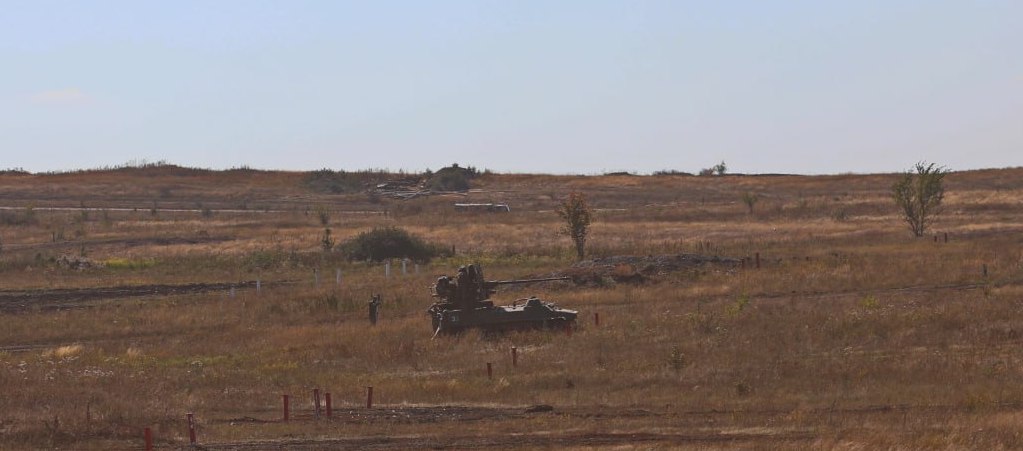
An S-60 MT-LB during an exercise in Russia (via social media)

Another adaptation not covered in our earlier video/article is the mounting of 57mm S-60 anti-aircraft guns on MT-LBs. These have been seen somewhat regularly and most recently shared via Russian telegram channels shared video of S-60-armed MT-LB training with a newly mobilised, but unnamed, unit in Russia’s central military district. These vehicles typically provide direct fire support against ground targets.

An MT-LBu fitted with a 14.5mm KPVT in a RWS (via 42nd Separate Mechanised Brigade)

In terms of Ukrainian adaptations there have been further sightings of one of the vehicles we looked at last time, an MT-LBu variant which has been upgraded with additional armour and a remote weapon station mounting a 14.5mm KPVT heavy machine gun. These are believed to be in service with the 42nd Separate Mechanised Brigade and some sources have described them using the designation BMP-1LB.

A video showing several of the adapted MT-LBus was shared on 7 September, showing four of the vehicles. On 13 September the 42nd Separate Mechanised Brigade shared a series of photographs featuring the vehicles. There hasn’t yet been any video of these vehicle’s remote weapon stations being fired so it is unclear if they have been stabilised better than their Russian counterparts.

MT-LB with a BM-7 Parus turret (via social media)

One adaptation which was not mentioned in our earlier video/article was the combining of an MT-LB with a BM-7 ‘Parus’ weapon module. The BM-7 normally comprises a 30mm ZTM-1 auto cannon, a coaxial PKT machine gun, a 30mm automatic grenade launcher and several anti-tank guided missiles. These are typically paired with the BTR-4. MT-LBs mounted with the BM-7 don’t appear to have the ATGMs fitted. These MT-LBs were first seen in July, with a video of two of the vehicles on the move shared on 21 July. Another video showing one of the vehicles firing has also been shared.

The ubiquitous MT-LB, while lightly armoured, continues to offer one of the best available platforms adaptation, if you enjoyed this article/video – check out our earlier work on MT-LB adaptations here.

Update 11/7/24:

Russian marines of the 155th Guards Brigade operate an MT-LB with a 2M-3M twin mount.


Support Us: If you enjoyed this video and article please consider supporting our work here. We have some great perks available for Patreon Supporters – including early access to custom stickers and early access to videos! Thank you for your support!

Does the L403A1 Mount a Bayonet?

In a recent article/video we looked at the UK’s newly selected Alternative Individual Weapon system, the L403A1. The Knight’s Armament KS-1 was selected as the new rifle for the Ranger Regiments of the Army Special Operations Brigade and for elements of the Royal Marines Commandos.

One question which frequently appeared in the comments was “can it fit a bayonet?” This is a good question because the British Army is known to be a proponent of bayonet use with a long history of using it to great effect from the 1600s right through to recent conflicts in Iraq and Afghanistan.

Surveillance and Reconnaissance Squadron member with new L403A1 (Royal Marines Commandos)

The short answer to the question is – yes. The longer answer is a bit more complex. Just a week after the selection of the new rifle was announced Knights Armament displayed one of the rifles with a bayonet fixed at the DSEI 2023 exposition in London. This naturally caught some attention.

L403A1/KS-1 with a bayonet seen as DSEI 2023 (via social media)

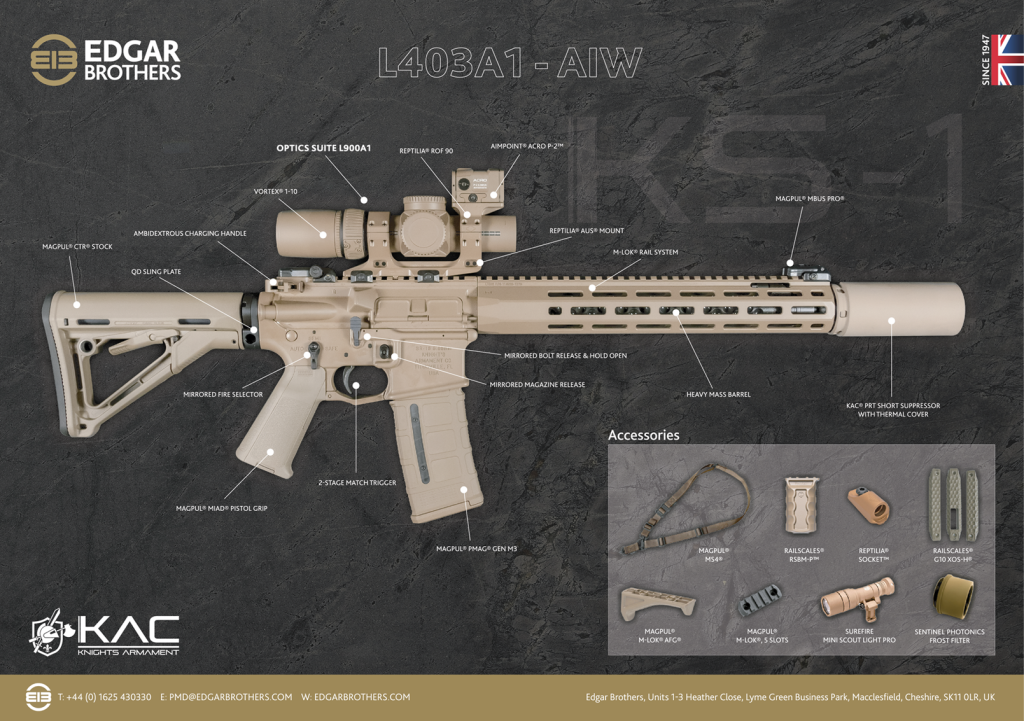
However, when the selection of the L403A1 was initially announced a breakdown of the Alternative Individual Weapon system’s accessories and ancillaries was released. This included: a Vortex 1-10x LVPO, an Aimpoint ACRO and a QDC/MCQ-PRT [Quick Detach Coupling/Mini Close Quarters–Pressure Reduction Technology] suppressor along with a sling, a vertical front grip, and a Surefire weapon light but noticeably it did not include a bayonet.

Breakdown of the parts and accessories adopted with the L403A1 (Edgar Brothers)

The ability to fix a bayonet was not part of the weapon’s original requirements and it was not stipulated by the Rangers or Commandos. Instead, Knight’s Armament developed the capability themselves, perhaps recognising the UK’s fondness for the bayonet and the British Army’s long history of its use as both a training aid and as a weapon of war.

KAC’s 1st bayonet design with QDC attachment mechanism (courtesy of Gregory Knowles)

TAB reached out to Knight’s Armament about the bayonet and they confirmed that “the bayonet was designed in anticipation of a potential need, though not required as part of the contract.” The bayonet seen fixed to the rifle at DSEI was apparently the first iteration of the design which according to Knight’s Armament “used the same mounting mechanism as the suppressors” but a new “revised design uses an attachment mechanism that is more similar to the SA-80 bayonet attachment/retention design.”

Essentially, rather than using the suppressor’s ‘Quick Detach Coupling’ system the newer iteration of the bayonet uses a pivoting catch. The quick-detach method used by the suppressor involves the suppressor being rolled one way until the index pin seats in a notch before tightening it by twisting it the other direction.

The new iteration of the bayonet fits over the rifle’s 3-prong QDC muzzle device and uses the same style of catch system as the SA80. Knight’s Armament explained that “the redesign was a refinement of an initial concept after some basic testing and feasibility evaluation.” The bayonet haven’t undergone any serious testing as they’re still in the development phase. A chromed version of the latest iteration of the bayonet was also displayed at DSEI and has a removable pommel piece that can act as a small storage space and makes the bayonet more comfortable for use as a knife.

The bayonet’s blade is offset to the left side with a corresponding hole which lines up with the muzzle.

While bayonets aren’t currently planned to be issued with the rifles, the requirement might develop once they enter service. If, in the future, the UK Ministry of Defence requested a bayonet for the new rifles it seems that Knight’s Armament could be able to oblige.

French FR2 Sniper Rifles in Ukraine

On 5 October, a combatant in Ukraine shared photograph of himself with a French FR F2 sniper rifle. The 7.62x51mm rifles have only been sighted in theatre once before in March 2022, when a single F2 was seen. The origins of that rifle are unclear as no further rifles were subsequently seen. The rifle may have been acquired as surplus or another potential origin for the rifle is as aid from either Estonia or Lithuania who previously issued the rifle.

Most recently, on 5 October, Ukrainian outlet Tysk shared three photographs, provided by one of their subscribers, featuring another FR F2. The photographs featured a rifle and a SAGEM Sword Sniper 3-in-1 optic (a telescopic sight, thermal weapon sight, and laser rangefinder) which is part of the FELIN System. The presence of the SAGEM Sword optics may suggest that France have provided a batch of the rifles and accompanying optics.

The rifle appears to be mounted with a SCROME J8 scope which the rifle is typically paired with in French service. The FR F2 is being replaced in French service by the FN SCAR-H PR which may mean that France can pass on its surplus F2s to Ukraine.

It remains to be seen if further examples of the FR F2s will be seen. If a substantial number have been transferred by France then further examples will likely be sighted in the future.

France has also transferred a considerable number of armoured vehicles and a unknown quantity of general purpose machine guns including AANF1s and FN MAGs. Most recently, on 13 September, a FAMAS with the Valorisé upgrade, which adds rails, was seen in a range video posted by a Ukrainian combatant. There has been no further sightings of FAMAS in theatre to date. Individual sightings can’t be considered representative of wider use or considerable transfers of weapons until further examples are seen in theatre.

Update – 1/12/23: The French Assemblee Nationale has published a document which outlines the equipment, but not quantities, provided to Ukraine by France. It confirms the provision of both FAMAS, various calibres of machine gun and precision rifles.

Update – 14/12/23:

Update – 10/3/24: The French government has released an updated document listing the equipment and some of the quantities provided to Ukraine. The document states that 30 ‘Fusil de precision’ (precision rifles) have been provided between 1 March, 2022 and 1 May, 2024.


Support Us: If you enjoyed this video and article please consider supporting our work here. We have some great perks available for Patreon Supporters – including early access to custom stickers and early access to videos! Thank you for your support!

History of Weapons & War

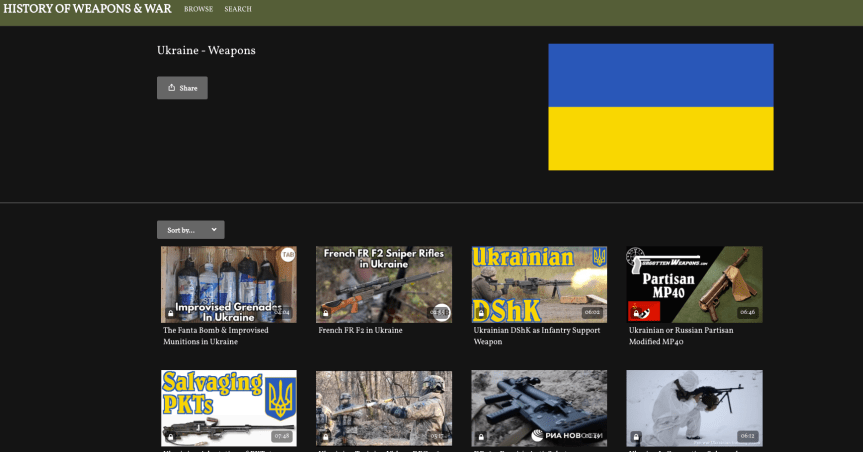
This week on the History of Weapons & War app, there is a special focus on the war in Ukraine. The app is spotlighting content from various creators who have examined the war. Naturally, with TAB’s current regular focus on Ukraine there is lots of content from us. This includes some videos that aren’t yet released on the TAB YouTube channel – including a look at some surprising French weapons which have appeared!

Head over and check out the History of Weapons & War site/app. Until Sunday, you can get 25% off your first month’s subscription using the code ‘UKRAINE’.

Russian Pilots Fielding PP-2000s & PLK Pistols

On 29 September delegations from the defence departments of member states of the Russian-led Commonwealth of Independent States were shown around the JSC Instrument Design Bureau in Tula. During the tour Russia’s defence minister Sergei Shoigu demonstrated a PP-2000 submachine gun. Also present was Deputy Commander-in-Chief of the Aerospace Forces Yuri Grekhov who explained that the PP-2000 is now part of the emergency kit stored under Russian aircrew seats.

Grekhov’s statement confirms what has been anticipated for a while. Back in June, TASS reported that during the International Naval Show (IMMS-2023) Rostec/High-Precision Complexes (the parent company which offers the PP-2000) had confirmed that the weapon was “currently undergoing trials in the Aerospace Forces (VKS) of the Russian Federation.” This was confirmed by a post on Rostec’s website on 19 June.

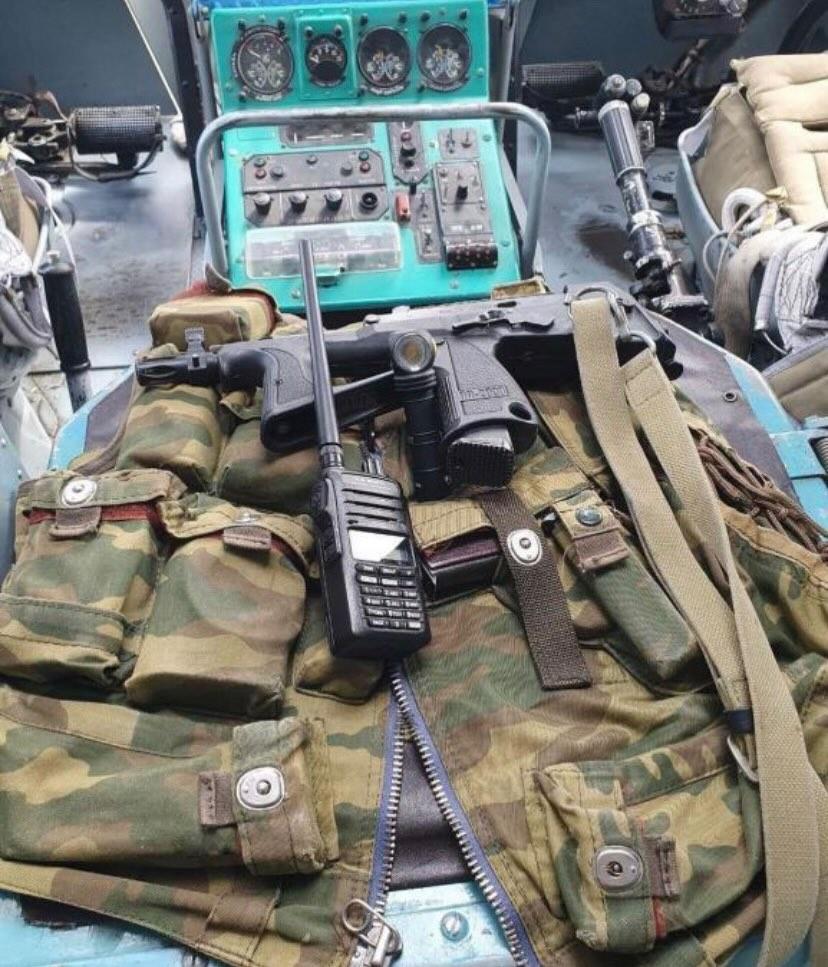
A PP-2000 and a new PLK pistol at the range for testing (via FighterBomber)

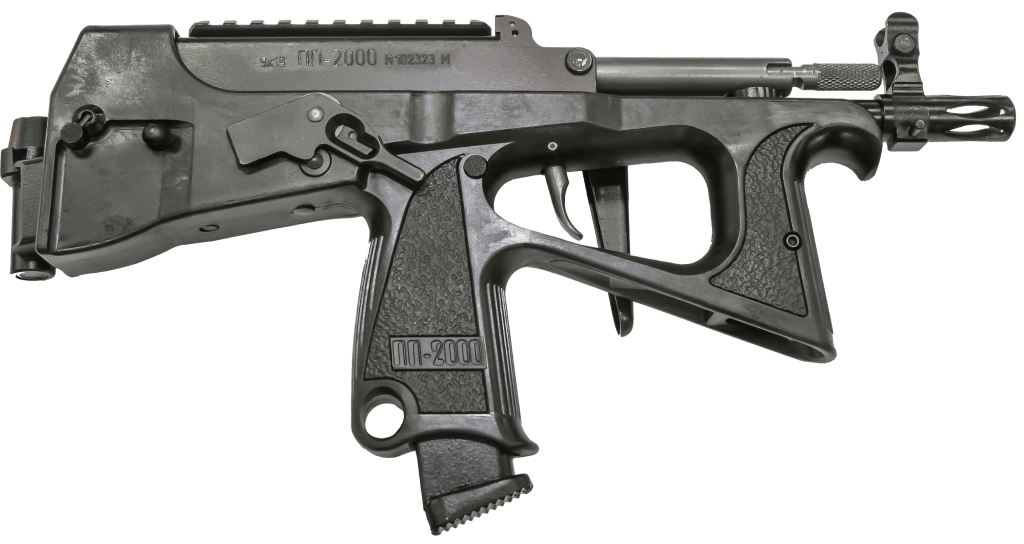
The PP-2000 is a compact submachine gun, designed at the Instrument Design Bureau in Tula in the 1990s. The weapon is a conventional blowback which feeds from 20 or extended 44 round magazines which are loaded into the pistol grip. It is chambered in 9x19mm and can fire Russia’s standard 9mm ammunition or the armour piercing 7N21 and 7N31 rounds. It has a reciprocating charging handle which runs parallel over the barrel. It is characterised by its front grip which connects to the pistol grip to act as a large trigger guard. It can be fitted with a suppressor and has a side folding stock and a small length of rail on the top of the receiver for mounting optics. Other accessories such as lights or lasers can be attached to the base of the front grip. According to Rosoboronexport the weapon weighs 1.4kg (or just over 3lbs) unloaded and with the stock folded is 35cm (13.7in) in length.

Typically, aircrew have carried Makarov or Stechkin pistols but better equipping Russian pilots has long been a consideration with not all aircraft able to fit larger weapons such as rifle or carbines. This has reportedly been driven by experiences in Syria and more recently in Ukraine. During the battle of Hostomel airport in March 2022, a damaged KA-52 attack helicopter was forced to make an emergency landing. It’s crew were able to dismount and take up positions and await retrieval. They were armed with AK-74Ms, however, the confines of other Russian aircraft do not allow rifles to be carried.

PP-2000 (Rosoboronexport)

In a December 2019 interview with Lt.Gen. Nikolai Gostev, commander of the 4th Air and Air Defence Forces Army, Interfax asked if PP-2000s will be fielded. Gostev replied [machine translated]: “Currently, several promising samples of portable emergency supplies for flight personnel are being tested, which also include promising samples of small arms. The tests are carried out by specialists from the Gromov Flight Research Institute, and after their completion it will be decided which portable emergency supplies will be put into service.”

In May 2021, it was reported that Shoigu had directed the process for a compact personal defence weapon to be added to aircrew’s survival kits to be expedited. At the same time the PPK-20, from Kalashnikov Concern was also suggested as an option. Russian news reports noted that personal defence weapons would be added to the emergency kits aboard Su-27, Su-30SM, Su-35, Su-57, MiG-29 and MiG-35 as well as Su-24 and Su-34s.

Russian pilot demonstrating a PP-2000 during a Zvezda news report (Zvezda)

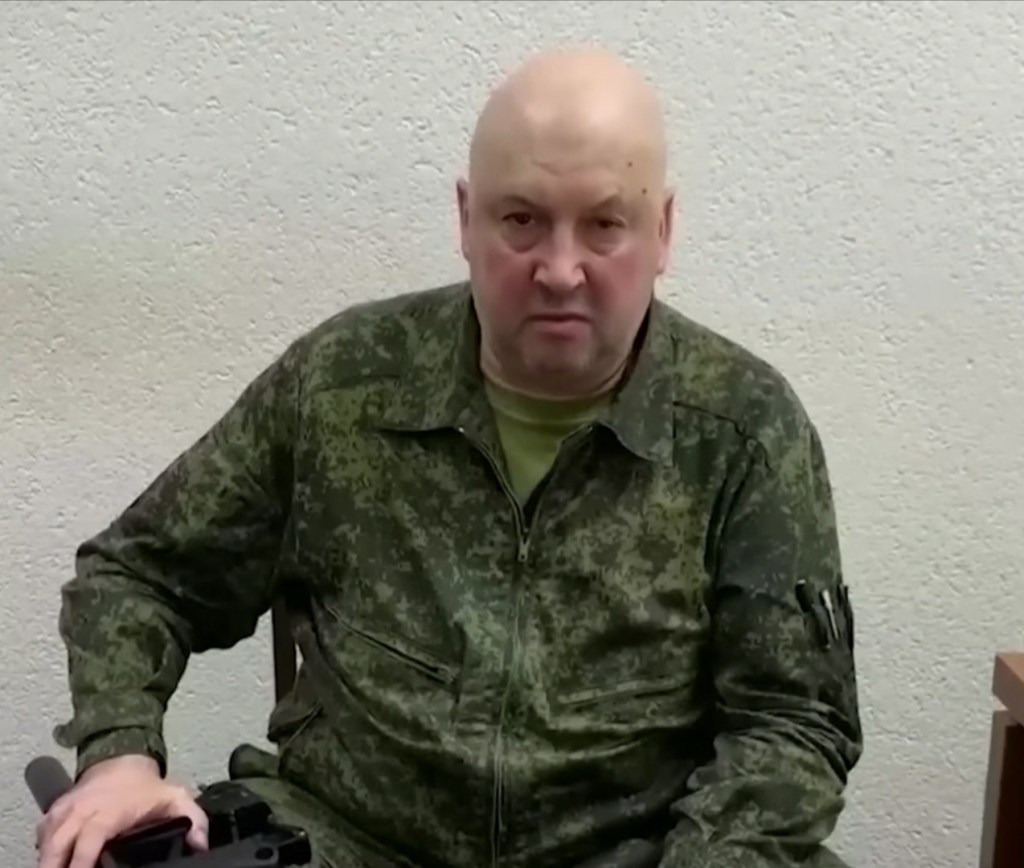
On 23 June 2023, during the failed Wagner advance on Moscow, General Sergey Surovikin, then Commander-in-Chief of the Russian Aerospace Forces, appeared in a video calling on Wagner to stand down. In his hand could be seen a PP-2000 outfitted with an optic, light and suppressor.

Surovikin with PP-2000 (Russian MoD)

In September 2022, the Fighterbomber telegram channel shared a post lobbying for the AM-17 rather than the PP-2000, rightly arguing a pistol calibre submachine gun is next to useless against combatants wearing body armour. Another major Russian telegram channel, Повёрнутые на Z войне, welcomed the wider issue of the PP-2000 in a post from late December 2022, sharing a photo of a PP-2000. The post also suggested that until then only Guards Aviation units had been issued them.

In January 2023, Fighterbomber began to report on the apparent testing of the PP-2000 and the PLK pistol, claiming that despite the order for three months testing positive reports from those involved had already been ordered.

A PP-2000 belonging to crew of a in an MI-8amtsh cargo helicopter, December 2022 (via @nrxnb)

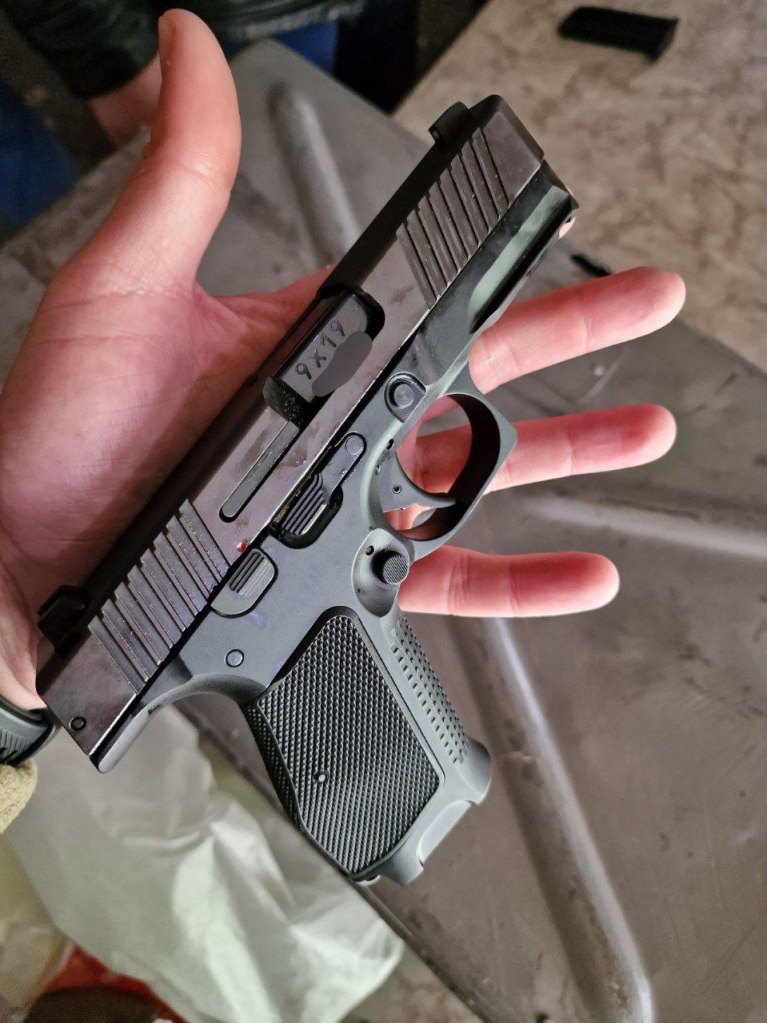
In April 2023, Fighterbomber posted a review of the new PP-2000 and PLK. The post described the PLK as “a great gun. Powerful, comfortable and precise.” Praise for the PP-2000 was less forthcoming with the post noting: “PP-2000 is still jamming every now and then… still need 44-round magazines and a 7N31 cartridge for the PP.”

A new PLK pistol (via FighterBomber)

On 2 October, following Shoigu and Grekhov’s comments at Tula, Zvezda published a short report from a survival training centre. During the clip an Su-30SM pilot explains that “particular attention was paid to tactical shooting, survival in extreme conditions and tactical medicine.” The video shows pilots training in escape and evasion skills and sees them deploy their new PP-2000s. The video concludes with the two air crew firing both the PP-2000 and the PLK at the range.

The PLK pistols, from Kalashnikov Concern, are the latest iteration of the Lebedev pistol introduced in 2015 as the PL-14. The PLK was reportedly adopted by Russia’s Ministry of Internal Affairs in October 2021 but sightings with Russian pilots are the first sightings of regular Russian military use. If more of the PLKs appear in use they’ll be a topic for a future article/video.


Support Us: If you enjoyed this video and article please consider supporting our work here. We have some great perks available for Patreon Supporters – including early access to custom stickers and early access to videos! Thank you for your support!

Bibliography

PP-2000, Rosoboronexport, (source)

Other sources linked in text

FN Light Automatic Rifle ‘Competition Model’ Manual

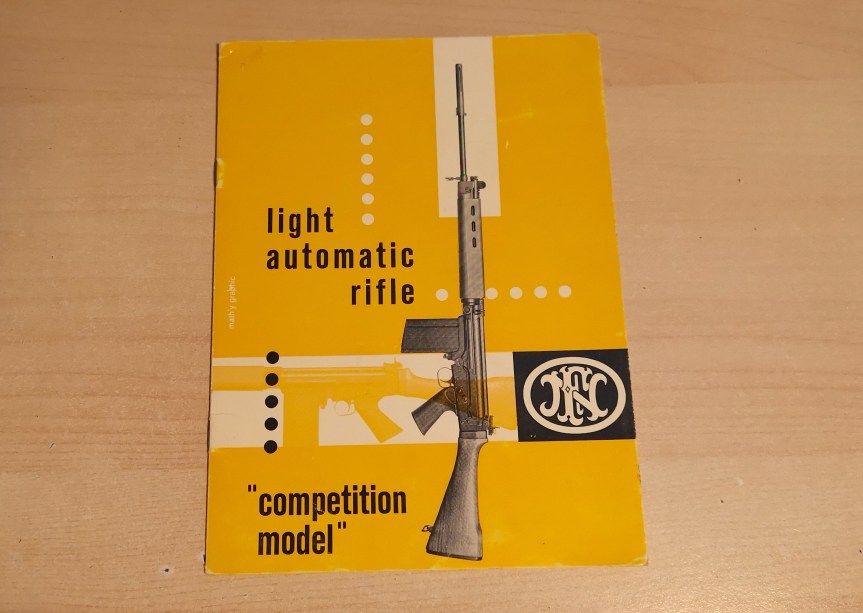
In this short video we’ll take a look at a manual for the FN Light Automatic Rifle ‘Competition Model’. The FN LAR was a semi-automatic only commercial export variant of the FAL. This undated manual likely dates from the 1980s when FN began importing LAR’s into the US.

This week is FAL week over at History of Weapons & Warfare, with videos looking at the FAL from all of the creators being featured. Until Sunday, 8 October, you can get 25% off your first month when you use the discount code ‘L1A1‘! Head over and check out – www.weaponsandwar.tv

Front cover of the LAR manual (Matthew Moss)
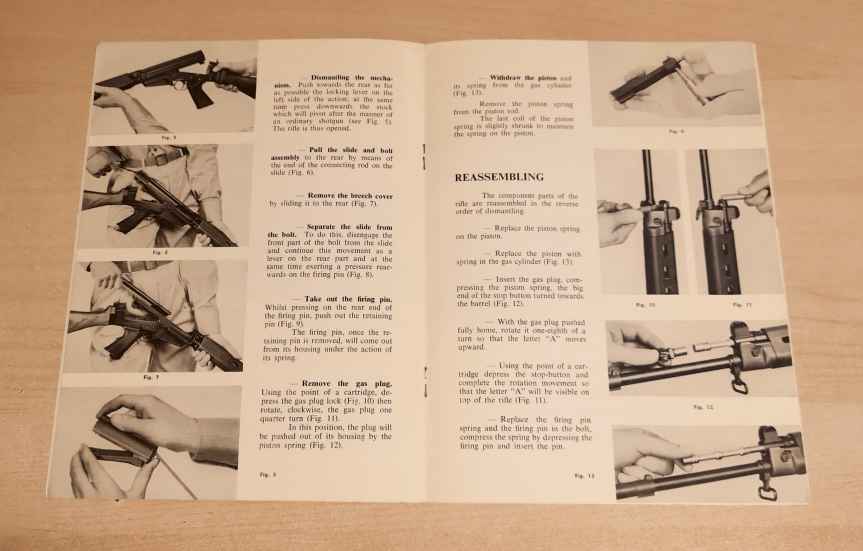
Centre-fold of the LAR manual showing the disassembly process (Matthew Moss)

More Manuals from the TAB Reference Collection:


Support Us: If you enjoyed this video and article please consider supporting our work here. We have some great perks available for Patreon Supporters – including early access to custom stickers and early access to videos! Thank you for your support!

Heavy Drone Bombers Dropping Anti-Tank Mines

Drone warfare in Ukraine is one of the war’s most rapidly evolving elements with considerable innovation and improvisation. In recent weeks several videos have been shared showing large drones dropping TM-62 anti-tank mines.

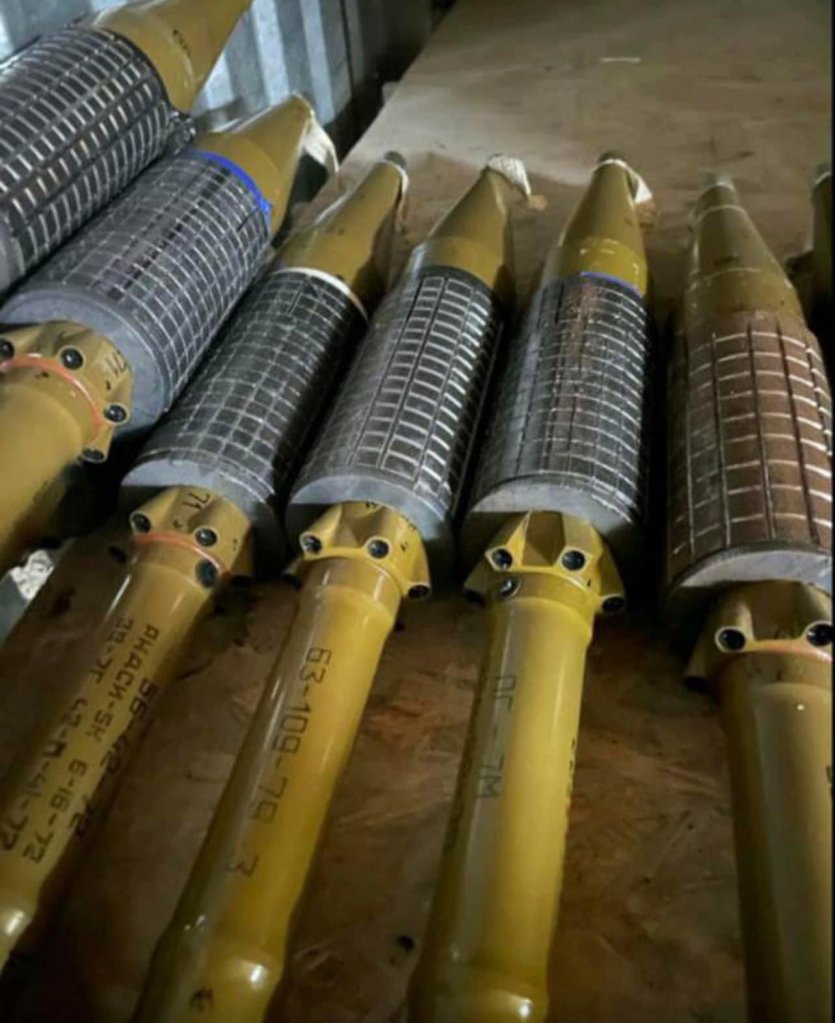
The first video shared on 3 September showed how a mine could be carried and released by a large six-rotor drone. The TM-62M is seen loaded into a cradle tray which is then remotely triggered causing the floor plate to hinge and release the mine. The video also shows how the TM-62 is fuzed with a UZRG-pattern hand grenade fuze, pushed directly into the mine’s explosive through a hole cut in the side of its casing.

The TM-62M is a high-explosive blast landmine designed to immobilise or destroy vehicles. The mine is packed with 7.5kg (17lbs) of explosive and is normally centrally fuzed by a pressure fuze. The TM-62M is a significant payload for a bomber drone and when dropped they have significant blast effect.

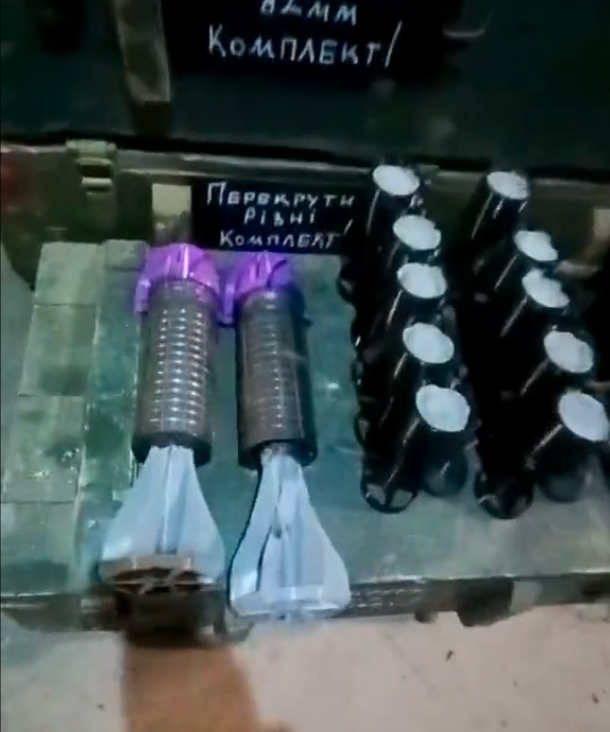
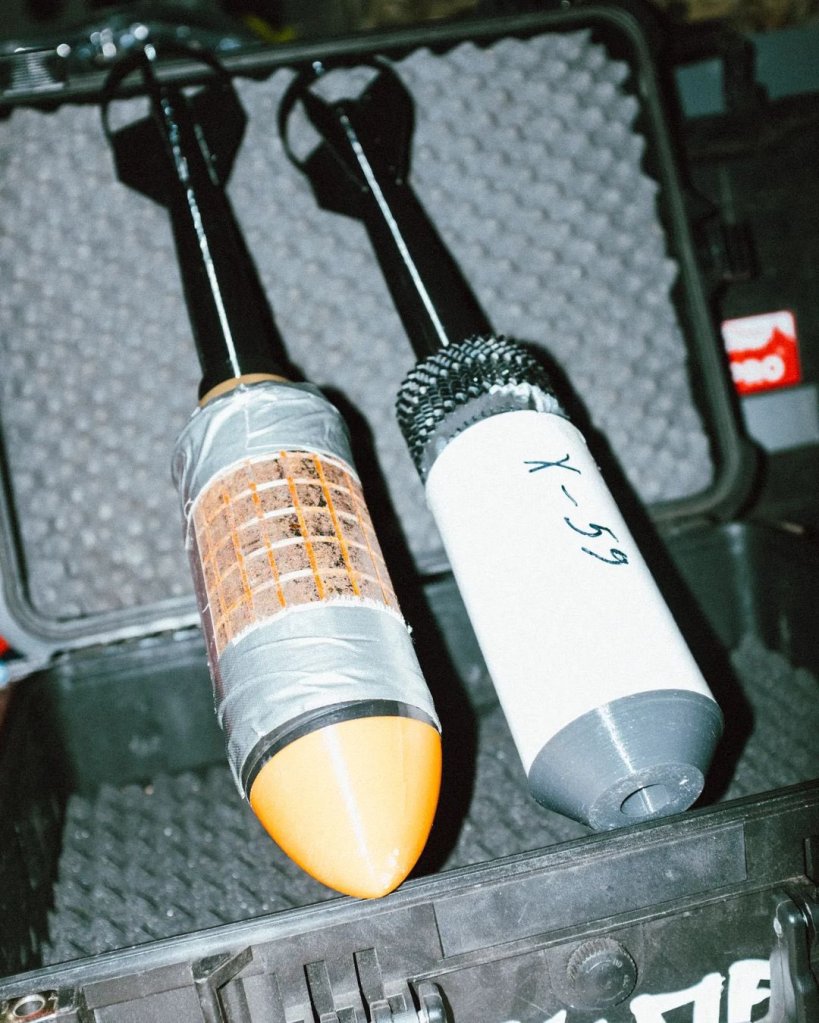
A subsequent video, shared on 6 September, shows a series of clips filmed by the bomber drone’s camera showing the TM-62 being dropped on numerous targets. The mines in this video have been significantly adapted with a stabilising tail added. The tail appears to be made up of a length of PVC pipe and a large water battle with its base cut off. The tail appears to be quite effective especially given the mine’s considerable weight and poor aerodynamics. It is also notable that the fuzing system appears to be different in the second video. Rather than a hand grenade fuze it appears that a larger fuze has been used, positioned next to the stabilising tail.

With the tail and its cut down water bottle its unlikely the release system for this munition is the same as that seen in the first video. A system which would allow for a smooth release and not snag the tail assembly would be needed. In several of the clips in the second video a strap swings past the drone’s camera perhaps suggesting there is a sling system in use.

A subsequent photograph shared on social media shows one of the mines in much better resolution. The tail is indeed made from PVC piping and a water bottle and the fuze appears to be vane-armed. The makers also have a sense of humour likening the odd-looking munition to the ‘USS Enterprise’ from Star Trek, they’ve written ‘USS Enterprise NCC-0001’ on the forward section of the mine.

At the same time as the photograph a number of additional videos showing the TM-62 based bombs being dropped were shared. These videos were originally shared towards the end of August and show a series of successful munition drops.

We are seeing a trend towards more sophisticated and more capable drone bombers which can carry either greater numbers of smaller bombs or larger singular bombs like the TM-62 munition.

Update – 1/10/23

The K-2 drone team with the 54th Brigade has shared footage of one of their drones dropping TM-62s mines on a Russian checkpoint and storage position. The drone appears to drop several unadapted TM-62s, though the lag time between landing and detonation would indicate they are not equipped with an impact fuze but perhaps a grenade fuze as seen in the initial videos featuring TM-62s. The resolution of the thermal cameras does not make it possible to identify the method of fuzing.

Note the falling TM-62 (with tape) and the swinging drop tray (K-2)

The release system appears to consist of a tray which holds the mine which is suspended by straps which are released to drop the munition. The tray can be seen swinging beneath the drone after one of the drops. The munitions appear to have tape around them, the reason for this is unclear, perhaps protecting the fuze system.

Update – 5/1/24: A video compilation showing numerous drops of TM-62s was shared on 5 January 2024. It begins with a demonstration of a light weight drop tray being released. The tray appears to be made from a metal grill (perhaps from an oven or an animal cage). The compilation shows mines being dropped without tail assemblies like those seen in earlier videos. Their are also visible puffs of gases/smoke from the mine’s fuze being triggered as it descends.

Update – 11/1/24:

Update -17/1/24: Further footage of TM-62 pattern mines being dropped from drones. Note a tail stabiliser is not used.


Support Us: If you enjoyed this video and article please consider supporting our work here. We have some great perks available for Patreon Supporters – including early access to custom stickers and early access to videos! Thank you for your support!

Bibliography:

TM-62M Landmine, CAT-UXO, (source)

Fuzes, CAT-UXO, (source)

BAS-80: Russia’s Switchblade Loitering Munition

Reports from Russian media outlets announced on 18 September, that Android Technics/Technology, a Russian technology company, had developed an analogue of AeroVironment’s Switchblade 300 loitering munition. Imagery and footage of the BAS-80 was shared by Russian state news outlet RIA.

Android Technology’s Managing Director, Evgeny Dudorov, told RIA that they had provided a ‘couple’ of the loitering munitions to a volunteer unit, the Tsar’s Wolves, which reportedly provides military-technical assistance to Separatist units. Dudorov hopes that the unit will “find the best ways” to use the new kamikaze drone. Back in April, the development of the BAS-80 was first reported when Android Technology stated that the munitions would be mounted on the Marker armed unmanned ground vehicle.

BAS-80 (via RIA)

Russia has had considerable success in the field with its larger, heavier Lancet loitering munitions developed by ZALA Aero Group which is a part of Kalashnikov Concern. The most advanced variants of Lancet boast a 11lb/5kg payload. The Ukrainian’s, however, have demonstrated an edge when utilising smaller FPV kamikaze drones. These FPV drones appear to be favoured over the Switchblade 300.

The BAS-80 bares more than a passing resemblance to the US-manufactured Switchblade which the US has provided to Ukraine in moderate numbers since March 2022. Utilising the same folding wing configuration and man-portable tube-launch system.

Dudorov stated that the BAS-80 is made from carbon fiber, weighs in at 3.7lb/1.7kg and has a maximum flight speed of up to 80mph/130kph. He also claimed that it can travel up to 18.6 miles/30km and carries a 1.1lb/500g payload – which may suggest that its intended for anti-personnel and anti-materiel use, like the Switchblade. This would made the BAS-80 0.6lb/300g lighter than the Switchblade 300 and have 12.5 miles/20km more range. Photographs of the munition show that it uses a pusher propeller configuration and has three forward-facing optical lens for guidance.

A Switchblade 300 in the field in Ukraine, 2022 (via social media)

It remains unclear if the Russian munition was developed using technology found in captured Switchblade 300s. Other analogues of the Switchblade have been developed by both China and Iran. China unveiled the FH-901 loitering munition in September 2022 and Iran introduced the Meraj-521 in October 2022. Both systems appear to be externally different in size and shape to that of the BAS-80, with the Chinese munition larger (more analogous with the Switchblade 600) and the Iranian drones launching from a rectangular box. The BAS-80 launches from a cylindrical tube more akin to the Switchblade.

The BAS-80’s guidance systems, software and internals remain unknown and from Russian reports it is still some way from mass production with development to be finalised following trials in the field.

This article was adapted from one originally published at OvertDefense.com


Support Us: If you enjoyed this video and article please consider supporting our work here. We have some great perks available for Patreon Supporters – including early access to custom stickers and early access to videos! Thank you for your support!

Bibliography:

BAS-80, RIA, (source)

China unveils its version of Switchblade suicide drone, Global Times, (source)

US Switchblade Drone ‘Knock Off’ Meraj-521 Unveiled By Iran, Eurasian Times, (source)

Armourer’s Bench on the New History of Weapons & War App!
We are excited to announce that TAB will be joining the new video app History of Weapons & War, launched by our friend Ian of Forgotten Weapons. We were flattered to be amongst the first group of channels to be asked to join the app.

We’re really pleased to be joining our friends at Bloke on the Range, British Muzzleloaders, the Royal Armouries, Cap & Ball EU, Legacy Collectibles, Nine Hole Reviews and of course Forgotten Weapons!

All of these channels approach military and gun history in their own fantastic, unique ways so there is a vast plethora of cool and interesting content on the app from the beginning. There are currently around 5,000 videos on the app and counting.

The app is available on various platforms including tvOS (aka Apple TV), iOS (aka Apple App Store), Android TV, Android App Store, Roku, and Amazon Fire TV. The best place to sign up is directly at weaponsandwar.tv and sign up there, then download the app on your platform of choice!

Here’s Ian’s video explaining everything!

A History of Weapons & War subscription is $9.99 a month, or around $99.99 a year.

So head to weaponsandwar.tv, check out the site/app and sign up!

Gulf War Homemade SA80 / L85A1 Front Grip

There is a rich history of attaching home-made, ad-hoc forward grips to weapons within the British military. In the 1940s troops fashioned home-made forward grips for Sten machine carbines while in the 1960s at least one member of the SAS operating in Borneo during the Indonesian Confrontation attached a carved wooden foregrip to his M16. In the 1980s the operators with the SAS’ counter-terrorism teams attached L1A1 SLR pistols grips to their MP5s.

British troops in Northern Ireland with L1A1s fitted with makeshift front grips made using a spare pistol grip attached with a jubilee clip

The intermittent tradition appears to have continued into the early 1990s with one member of the Staffordshire Regiment seen to have mounted a pistol grip to the forend of his L85A1. The soldier and his adapted rifle appeared in a number of photographs and some footage taken during a field exercises in Saudi Arabia.

Commandos on parade with STEN MkIIs equipped with ad-hoc front grip, at Kabrit in June 1943 (IWM A17755)

The battalion deployed to Saudi Arabia as part of 7th Armoured Brigade in October 1990, as part of Operation Granby. During the phase of operations in the Gulf which the US designated Operation Desert Shield allied forces prepared to liberate Kuwait and took part in a number of field exercises.

On 10 November, 1990 Sgt. Dave Miles, a British Army photographer filmed up-close footage of C Company, 1st Battalion during a live fire exercise. During one brief section of the footage the L85A1 with foregrip can be seen firing. On 6 January 1991, C Company took part in another live fire exercise which again saw them filmed and the same rifle features in several brief sections. It also appears in photographs taken by AP photographers Patrick Baz and Sadayuki Mikami, an unnamed British Army photographer and US Army photographer PFC John F. Freund.

Company C, 1st Battalion, The Staffordshire Regiment, during a live fire training exercise assaulting a mock village and trench complex, 6 January 1991. (XVIII Airborne Corps History Office photograph by PFC John F. Freund)

Unlike some of the earlier examples of wooden ad-hoc foregrips this one appears to be fashioned from a spare SA80 pistol grip attached to the rifle’s plastic forend by a bolt. While mods like this one weren’t that uncommon they are rarely so well documented in photographs and videos. It’s also interesting to see just how common painting weapons was.

Royal Marines Commandos in Afghanistan c.2006. An LSW rear grip fitted as an ad-hoc foregrip (Commando: On the Front Line)

Similar modifications were made using the rear grip from the L86A1 Light Support Weapon. These were again bolted through the vents in the underside of the rifle’s plastic handguard. One of these modifications was seen a number of times in the hand of a member of the Royal Marines Commandos during the 2007 documentary Commando: On the Front Line.

Generally the addition of foregrips make for handier, more pointable weapons. Arguably, the soldier from C company was ahead of his time as later, following the L85A2 refits and the Afghanistan urgent operational requirements, Grip Pod vertical front grips were paired with the rifles.


If you enjoyed this video and article please consider supporting our work here. We have some great perks available for Patreon Supporters. You can also support us via one-time donations here. Thank you for your support!