Following on from our recent examination of RPG-UGVs a new armed unmanned ground vehicle variant has appeared – the MANPADS-UGV. MANPADS or Man-Portable Air Defence Systems have been a key weapon during the war in Ukraine. They enable troops to engage drones and UAVs of various sizes as well as helicopters.
(LIBKOS/28th Mechanized Brigade)
On 4 August, photographers Libkos, shared a video showcasing an Igla-1 MANPADS mounted on a four-wheeled UGV operated by Ukraine’s 28th Mechanized Brigade. In an Instagram post, Libkos explained the idea behind the MANPADS-UGV:
“If before they were quite easy to shoot down with MANPADS, now Russian UAVs control every movement of our infantrymen and often do not even allow them to leave the trench. That is why the guys from @28ombr created this robotic platform. It independently guides and hits any large air target. The guys have already tested it in action and it already has one enemy helicopter on its account. So we are collecting 10 more such platforms. This is an effective and innovative weapon that is independently manufactured by the military from 28 Ombr.”
— Matthew Moss | The Armourer's Bench (@historicfirearm) August 4, 2025
The available imagery, shared by Libkos and the brigade, shows the UGV being test-fired. The Igla is mounted on an angled mount, which seems to have a degree of elevation and traverse. There appears to be a motor and servo system attached to the front of the weapon to act on its trigger. Behind this is what may be a camera and transmitter/receiver. In part of the promo video a pair of operators are seen in a nearby trench, one wearing a headset for the UGV’s camera feed.
Ukrainian media outlet Defenderreports that the MANPADS-UGV has been named “Alycha”.
(LIBKOS/28th Mechanized Brigade)
It’s difficult to tell how the system would be used in practice or how effective it would be. MANPADS such as Igla-1 use infrared homing and require the operator to track the target before launching. The operator has to visually detect the target, activate the power supply unit, aim at the target via the fore and rear sights and pull the trigger. While the operator doesn’t have to track the target once the missile is fired they must track it immediately prior to launch. How capable the UGV is of doing this is currently unclear. For the best image clarity and response time for identifying and tracking a target it would make sense for the UGV to utilise a fibre-optic control cable but there is no evidence of this in the available imagery.
It is unclear if the system can be equipped with different types of MANPADS. In theory the UGV could be mounted with Igla, Strela, Piorun or even Stinger, as such one variable to consider is the system’s engagement range. The Igla-1’s operational engagement range is 6km (3.5 miles) with an 11,000 feet engagement ceiling. Given Ukraine’s focus on defensive strong-points the gap between positions able to engage aerial threats with a MANPADS may be relatively wide. If small Ukrainian units are defending strong-points along a stretch of front they may have a limited embedded anti-air capability. A MANPADS team would have to expose itself to reach various points along the unit’s sector of the front so having a UGV which can be rapidly deployed makes sense.
(LIBKOS/28th Mechanized Brigade)
Nevertheless the concept is an interesting one. the 28th Mechanised Brigade claims that the system has already been used operationally and the UGV has successfully engaged an enemy helicopter. Verifiable proof of this kill has not yet been provided. There are no doubt useful applications for the system, such as patrolling an area, as a quick reaction asset and in removing the need for troops to leave cover to engage aerial threats.
There are a lot of different types of general purpose machine guns in use in Ukraine and one of the most surprising to appear so far is the M60. The first appearance of an M60 in Ukraine came in September 2024, when the 23rd Mechanised Brigade shared an album of training photos which included an individual firing an M60D.
A month later the same brigade shared another photograph of the M60D. The M60D is usually mounted on helicopters as a door gun and as such it has been adapted with no stock or traditional rear sight, instead it has a pair of rear spade grips and a large ring sight. It’s unclear how many M60Ds are in Ukraine or where the guns originated from as a number of potential donor countries operate M60Ds as door guns. It may be the case that a donor nation provided the gun aboard a donated helicopter, we have previously seen French AANF-1 GPMGs appear in Ukraine – likely supplied with VAB APCs. Alternatively, the gun(s) may simply have been provided by a donor for whom it was surplus to requirements and ready for disposal.
Another sighting of an M60D came in May 2025, when the 65th Mechanized Brigade shared a series of photographs of a machine gun team training with one of the guns. Sadly, no markings are visible to confirm if this might be the same gun as previously seen with the 23rd Mechanised Brigade.
The M60D is not the easiest variant to utilise in a ground role with the absence of a stock to shoulder the weapon making it somewhat difficult to aim and keep on target while firing. It does have a folding carry handle but it also had an exposed trigger linkage which is far from ideal for ground use. The best use for this variant would probably be as a pintle-mounted an anti-air gun.
Most recently a new variant of the M60 was seen in a photo posted, on 18 July, by the 20th Separate Regiment of Unmanned Systems “K-2”. The gun appears to be either an M60E3 or an M60E4, with what appears to be a 22 inch barrel, the first ground role variant to be seen in-country. As with the M60Ds it is unclear where this M60 may have originated from, there are only a small number of nations which operate the weapons which may have donated it. Elements of the Czech Republic’s special operations forces operate E4s in small numbers but its unclear if this is the source of the gun seen in the recent photo.
It remains unclear just how many of the various variants of M60 are on the ground in Ukraine and where they came from but it is one of the weapons that I’ll continue to track, if you spot any let me know!
Update 12/10/25:
Serhii Filimonov, a member of the 1st Assault Regiment (Da Vinci Wolves), has shared several photos that appear to include an M60E4.
There is also a short video of him firing the weapon. Below is a still from the video.
Update – 17/11/25:
On 14 November, Raven Group, affiliated with the Ukrainian Directorate of Intelligence, shared a serious of range photos featuring an M60E4 (in what appears to be the Mk43 Mod 0 configuration). [H/t to Praise the Steph].
Support Us: If you enjoyed this video and article please consider supporting our work here. We have some great perks available for Patreon Supporters – including early access to custom stickers and early access to videos! Thank you for your support!
In my previous article/video examining the development of Hoverboard UGVs, I mentioned an unmanned ground vehicle developed by the HUR’s International Legion. The ‘LEGIT’ UGV was unveiled in a short social media video on 28 June. The video showed the small UGV test firing a pair of Bulgarian Bullspike RPGs into a building. In this article/video we’ll explore examples of what I’m calling RPG-UGVs.
LEGIT is far from the first UGV to be seen equipped with an anti-armour weapon. The first I’ve come across is a short clip of a Ukrainian UGV being demonstrated with an expended RPG-22 mounted. The clip dates from September 2022, the drone does not appear to have any means of traversing the RPG but may have an elevation mechanism. The UGV has a camera mounted for navigation and presumably aiming.
Ukrainian UGV mounted with a remote weapon station with a PKT and two RPG-7s (via social media)
In early January 2023, Russian unmanned systems developers, Avtobot, shared a photograph of an RPG-7 being mounted on a prototype drone. Several days later they shared another photo, this time showing four RPG-26s mounted on a frame work with a green laser below them seemingly to aid aiming. How effective this would be is unclear and its the only time I’ve seen a laser mounted on an RPG-UGV.
In February 2023, Avtobot, shared a video of a heavily armed 6×6 wheeled drone, the Autobot 5, which appears to utilise hoverboard components. The drone is armed with PKT machine gun, a pair of RPG-7s and a pair of RPG-26s. In the test footage included in the video the drone is seen firing its machine gun and both the RPG-7 and RPG-26. There appear to be optical sensors mounted below the machine gun which enable aiming of the weapon systems. Noteably in one of the RPG-7 test firings the backblast blows off what appears to be a camera mounted to the rear of the drone.
At the beginning of March, Avtobot also shared a video showcasing the Autobot 6.2 (‘MINIGRAD’). The six-wheeled Autobot 6.2 is seen mounted with 12 RPGs, arrayed in rows of four. The caption notes that the system can be armed with a variety of RPG systems including: RPG-18/26/27, RPG-7 and even RPOs. In the caption Avtobot explain that the Minigrad can be used can either “individually to suppress fortified areas, destroy various equipment and infantry” and along with other UGVs. The footage does not show a test firing.
Avtobot’s Autobot 6.2 ‘MINIGRAD’ (via social media)
Several weeks later, Mykhailo Fedorov, Ukraine’s Minister of Digital Transformation, shared an a series of photos on Telegram showing a demonstration of various unmanned systems. These photos included one of a 4 wheeled UGV equipped with two RPG-7s and a PKT machine gun.
On the 22 March, Avtobot shared a video showcasing a smaller four-wheeled armed with a machine gun and RPG-7. Interestingly, the caption notes that this was designed as a defensive drone. It’s also interesting to see the drone operated with a companion drone for Intelligence, Surveillance, and Reconnaissance. The video shows the drone test firing both the PKT and RPG-7 as well as entering and operating inside a building.
On 8 May, a photograph of a larger Russian UGV surfaced, claimed to be operating in Ukraine, the UGV appears to be a Platform-M, a ground drone developed in the 2010s by the Research Technological Institute “Progress”, in Izhevsk. The Platform-M is equipped with a PKT machine gun and can be armed with four single-use RPGs.
BRM-1 seen in May 2023, equipped with six RPGs and its own little anti-drone cage (via social media)
On 8 July 2023, in one of their last videos shared on Telegram, Avtobot showcased the small four-wheeled UGV again, this time showing one equipped with an RPG-7 and the other with a PKT.
In early April 2024, Izvestiareported on a showcase at the Karbyshev Military Engineering Academy which included a range of unmanned ground systems. One of these appears to be a small four-wheeled UGV capable of being mounted with four single-use RPGs. I’ve been unable to find further details on the model seen in the photo.
Temerland is a Ukrainian company specialising in unmanned ground systems which has been operating since around 2021 developing their GNOM UGV. In April 2023, they shared a concept image of a UGV equipped with two RPG-7s. In December 2024 they posted a video showing the drone test firing its mounted PKM, notable its RPG-7 mounts are present but empty. Two years later in March 2025, they were featured in a Ukrainian TSN tv news piece showing a Gnom-VP21 UGV equipped with a PKM and two RPG-7s. A month later, on 10 April, they posted a video of the Gnom-VP21 test firing its PKM and RPG-7s at the range. Another version of the Gnom-VP21 with a different chassis configuration was shown in a photo shared in October 2024, while different it still has mounts for a PKM and an RPG-7.
65th Mechanised Brigade testing a Temerland Gnom-2 (via social media)
In late 2024, a series of small UGVs developed by the Omsk Armored Engineering Institute were highlighted in a Russian army report. These small, transportable and quick deployable drones include a number of variants including the ‘Shmel’ variant of the T-117, which is equipped with four RPG-7s and can be equipped with RPO-As.
In early April 2025, Ukraine’s 65th Mechanised Brigade shared a series of photographs showing the testing of a Temerland UGV armed with a PKM and an RPG-7, the caption describes it as a ‘Gnom-2’, a configuration similar to that seen in October 2024. This may indicate that Temerland’s Gnom UGVs are beginning to be tested by units of the Ukrainian armed forces.
On 6 April, the Russian Ministry of Defence and Russian news outlet Zvezda shared videos of the testing of tracked UGVs. One of the variants seen is equipped with five RPG-7s, though there appears to be mounts for another row of five on the bottom.
In late June a team from the Ukrainian 93rd Mechanised Brigade shared a video showing a logistics UGV mounted with a UB-16-57 57mm rocket launcher from a helicopter. The video shows the DIY multiple launch rocket system (MLRS) firing a series of 57mm rockets, the video does not show how the system is aimed but it does illustrate the recoil the drone experiences on firing.
GUR Legion’s LEGIT UGV with Bullspike RPGs (via social media)
Late June saw the unveiling of the aforementioned LEGIT, a small tracked UGV co-developed by operators and engineers from the HUR Legion’s Cyclone unmanned systems team. LEGIT is a multi-purpose drone capable of undertaking logistics and kamikaze roles. The video shows the LEGIT UGV armed with a pair of Bulgarian Bullspike RPGs on an articulated mount which can be raised and lowered to aim, while traverse is seemingly handled by manoeuvring the drone. The video concludes showing the RPG-UGV test firing at a building. No combat footage of LEGIT has surfaced yet.
Expanding on the concept of mounting a rocket launching system on a UGV, in early July 2025, the Ukrainian 92nd Assault Brigade created a miniature multiple launch rocket system on a cargo carrying UGV. The system has 15 tubes and seemingly fires 57mm rockets, the video doesn’t show the system in use and its unclear how it is aimed.
An improvised system with a UB-16-57 launcher mounted on a UGV (via social media)
Much like the RPG-armed aerial drones it appears that for now the kamikaze variants of UGVs are much more prevalent. The available imagery of UGVs actually in action largely shows either the kamikazes or drones equipped with remote machine guns. It seems that the ability to suppress a target with machine gun fire may be seen in many operational situations as the more useful payload for UGVs.
Over the past 12 months various Russian units have been developing and deploying their own home-made, makeshift ground kamikazes. These have been made out of commercially available ‘hoverboards’, hoverboard is a bit of a misnomer but its easier than saying two-wheeled, balancing board. In Russian they’re known as гироскутеры or ‘gyroscooters’.
Russian military workshops in various sectors have developed remote-controlled ground drones; in military terms, these are a very basic sort of unmanned ground vehicle. Russian forces have deployed them to carry a variety of payloads, including: smoke generators, supplies, remotely detonated explosive devices and even mine rollers.
In the simplest terms, the workshops constructing the Hoverboard UGVs typically take two commercially available self-balancing hoverboards and bolt them together. They retrofit a remote control receiver and connections to interact with the hoverboard’s motors.
A small Russian Kamikaze drone, 2023 (via social media)
Experimentation with unmanned ground vehicles by both sides has been ongoing since 2022 though it has been largely outpaced by developments in aerial drones the UGVs have found their niches and continued to evolve. One of the earliest videos of a UGV which likely utilised hoverboard components I was able to find dates to mid-March 2023, when a Ukrainian team deployed a UGV loaded with a MON-90 and additional explosives in the Bakhmut area. Similarly, at the same time Russian units were also developing small kamikaze UGVs such as the ∆V-04, a one-way UGV which delivers a TM-62 (or similar) to a target. Developed by the Russian Avtobot group the drone appears to utilise hoverboard components.
On 7 May, a small Russian Telegram page, Stavropol Fighter, posted a workshop video showing what the caption describes as: “a combat radio-controlled vehicle (BRM-1)” which has a range of up to 1km and can be used in a variety of roles including casualty evacuation, one-way munition and the launching of anti-personnel mines. The post also called for donations of components including: “Old scooters, gyro scooters, video cameras, transceivers, etc.”
A couple of months later in July, the same channel showed another UGV similar to the BRM-1 seen in May, equipped with six RPGs (though no control system is visible) and its own little anti-drone (cope) cage. It was also seen in another photo posted on the 27 July. A day later they also shared a video showing the construction of a casualty evacuation UGV based on a pair of Hoverboards.
Hoverboards donated by Russian civilians (via social media)
In September, another video surface which shows a pair of hoverboards with their casings removed, connected by a pair of metal braces and a board of wood which the unit’ s batteries and a control box have been mounted. In the video a Russian individual explains it can be used to carry mines up to an approximate range of 5km.
While developments no doubt continued the next reference to the use of hoverboards I came across was a video posted at the end of February 2024, calling for the donation of old, unwanted hoverboards with the caption noting [machine translated] “It doesn’t have to be new! Old, broken, unnecessary, lying in the closet! This will help our team and our country bring the victory closer!”
On 11 May, the Russian Telegram page, Two Majors, also made a request for old hoverboards, with the video showing a number of hoverboards adapted in various ways, one had an outrigger with caster wheels fitted, while another much more sophisticated UGV has combined three hoverboards together and added tracks. The caption for the video read [machine translated]: “do you have an old hoverboard gathering dust somewhere and want to help the Army? Send it to us! All gyroscooters will be regularly sent to the Front, and there, on site, they will be converted into self-propelled units. Several weeks later the channel shared a video of donated hoverboards arriving and being unloaded.
At the start of June, Russian media outlet Sputnik shared a video showing a small logistics UGV carrying a payload of mortar rounds. The drone appears to be utilising components from hoverboards. The video concludes with a drone feed video showing the UGV being used as a kamikaze, detonating on a treeline position.
A typical hoverboard UGV being assembled (via social media)
On 6 June, Russian media outlet Izvestiareported on a small logistics UGV made to carry ammunition and supplies to forward positions. The video shows a small UGV is based on the components of a pair of hoverboards but has larger wheels, a cargo space and new control receivers. The UGV was built by members of the 110th Separate Guards Motor Rifle Brigade of the then-1st Donetsk Army Corps.
On 15 June, Two Majors posted a short video showcasing the testing of what they jokingly call a ‘combat cockroach’ showing it travelling over rough ground – interestingly, it appears to be somewhat centrally articulated allowing the axles to traverse uneven ground. The caption notes that it can carry “up to 100 kg” over around 2km but some refinement is still needed. The video shows the drone with a UDSh smoke generator mounted, these share the same dimensions as TM-62 anti-tank mines.
On 22 June, the same Telegram channel shared a video showing the disassembly and modification of donated hoverboards. The video shows Russian technicians removing casings, rewiring the boards and testing connections and motors.
A look inside a Russian tracked drone showing Hoverboard components inside (via social media)
A day later, on 23 June, the channel shared another video of a completed hoverboard drone with a raised cargo bed with a UDSh smoke generator mounted. The video shows the UGV travelling down a track and then the UDSh being remotely ignited. This use case is interesting as it could be used to screen other hoverboard UGVs with explosive payloads or supplies, or cover an infantry assault.
In early July, another video, shared by Two Majors shows a batch of five completed and painted Hoverboard UGVs ready for use as kamikaze drones. During the same video we get a rare look inside a larger tracked UGV and we can see that they also use hoverboard components. The Two Majors groups’ website also added a page about the Kamikaze Hoverboards. On 7 July, they shared a video of the drones being painted using foliage to create a camouflage pattern.
Towards the end of July, the channel shared two more videos showing a more complete picture of how the Kamikaze Hoverboards are built, showing the construction, the testing and the test detonation of one of the drones. In the videos we see the hoverboards being disassembled, their wiring being accessed and the addition of connecting struts added between the two hoverboards. The test footage then shows a drone covering rough ground and going along a road before seemingly detonating next to a vehicles.
On 9 August, the group shared a video of a delivery of more donated Hoverboards with the caption stating [machine translated]: “Gyro scooters continue to arrive for kamikaze cars from all over Russia. We pick them up from the pick-up point in large batches and immediately take them to production. More than one such batch has already arrived for assembly.” The same day they confirmed that the first Hoverboard drones had reached combat units.
A selection of Two Majors’ hoverbaord-based ground drones, including: Reece, cargo and kamikaze variants (via social media)
A video posted on the 11 August by the Archangel Legion Foundation nicely illustrates the variety of different models of Hoverboards which have been donated and procured for conversion. On 10 October, Two Majors shared a 1 minute 48 second long video showing the Hoverboard Kamikazes in action with a series of drone videos showing the UGVs travelling to targets and detonating. A day later, on 11 October, the ‘Reliable Rear’ Foundation shared a video showing a drone travel towards a treeline before detonating. The caption notes that the drone has been used for demining and that they have constructed six of the drones from 17 donated hoverboards. This illustrates that there are numerous Russian organisations and workshops constructing the Hoverboard drones.
In a 17 October post, Two Majors noted that the 33rd Separate Rear Logistics Battalion in the Sobinsky District of Vladimir Oblast had been actively collecting Hoverboards with the accompanying video showing at least 21 hoverboards of various models.
Later in October, Two Majors unveiled a new development for the Hoverboard UGVs, a mine-clearing variant designed to clear anti-personnel mines using a small roller mounted ahead of the UGV. At the very end of the month, the channel shared a video of a Hoverboard Kamikaze with an incendiary payload deployed against what the post claims is a Ukrainian position.
The following month the channel shared further footage of what is suggested to be a combat deployment of the Hoverboard UGVs in the one-way munition role. The UGVs appear to have been deployed by Russia’s 64th Separate Guards Motor Rifle Brigade with the footage showing two kamikaze drone detonations. In both clips the UGVs’ progress is followed by a video feed from an overhead drone, it is seen travelling across open ground towards a treeline before detonating.
On 11 October, testing footage of a pair of small UGV was shared by the Russian telegram channel FPV_vyZOV. The clip showed two small tracked UGVs being tested in some shallow water. The video’s caption notes that the majority of the components for the drone originated in Russia but that motors and components from Hoverboards were acquired from China. The drone is reportedly able to carry up to 100kg of payload.
It appears that the hoverboards have also enabled the continued development of more robust, specialised UGVs such as a surveillance UGV which is reportedly based on the technology and parts of hoverboards but has a new chassis. This was seen in a video shared by the Two Majors channel on the 12 October, the detailed 2 minute video gives a good look at the UGV from multiple angles, showing the UGV and its sensor mast up close. The drone does not use the actual bodies and motor-wheels of the Hoverboards directly, instead it uses components from the boards, it also features a telescoping mast which can be raised and lowered.
BRM-1 seen in May 2023, equipped with six RPGs and its own little anti-drone cage (via social media)
On the 8 November, Two Majors shared video showing the manufacture of the drones, showing piles of components and Hoverboards being modified with new wheels, motors and augmentations to their wiring. The video ends by showing several different variations of UGV all based on the hoverboards. These include UGVs with cargo beds, UGVs designed to carry mines and explosive devices, a mine-clearing variant and a UGV with a sensor mast for reconnaissance.
In a video thanking people for their Hoverboard donations, posted on 22 November, the same collection of Hoverboard UGVs is seen. The video gives us a longer look at the different variants developed by Two Majors.The variants include the reconnaissance UGV, a couple of UGVs with a mine roller for demining, five cargo-carrying variants and four capable of carrying anti-tank mines or smoke generators.
A photograph and a short clip posted to the WagNer Сапëр Telegram channel on 10 February 2025, showed the assembly and testing of another Hoverboard UGV. In the imagery, we can see the UGV without its top cover with its battery, motors and circuits exposed.
A week or so later another Russian channel shared a video showing the collection of donated hoverboards ready for conversion. This indicates that Russian efforts to produce these home-made UGVs are ongoing in a number of regions, personnel are seen loading three hoverboards onto the back of a truck.
On 6 March, Ukrainian journalist Yuri Butusov shared a video from men of the Russian 177th Marine Regiment which showed a logistics variant of the Hoverboard UGV with cargo bed. This is another example of a UGV which uses hoverboard components on a custom built chassis rather than simply bolting several units together. Text in the video appeals for more scooters, in any condition, for use as parts to build more of the cargo UGVs.
In late April a video of Russian troops laughing as a combatant on a hoverboard pushes a two-wheeled cart full of supplies was shared. The fact that the hoverboard appears to have been attached to the cart suggests that this configuration may have found some practical use.
A typical ‘hoverboard’ drone configuration, with its top covers removed. The mine or smoke projector sits on a board mounted a pair of connecting struts (via social media)
Into May 2025, videos of Hoverboard UGVs continued to be shared on Russian social media channels. On 1 May, a montage of combat footage showing the detonation of a series of the UGVs was shared. While the blasts are substantial, there is no battle damage assessment footage shared to examine the UGVs’ effect downrange despite this the UGVs offer a safer method of delivering substantial explosive payloads to enemy positions without exposing troops. The start of the montage shows a pair of hoverboards bolted together with a TM-62 anti-tank mine as payload. Depending on the variant TM-62s mine are packed with 7.5kg (17lbs) of explosive and is normally centrally fuzed by a mechanical MVCh-62 pressure fuze. It is a High-Explosive Blast (HE-Blast) mine typically with a TNT filling. In this case they are likely command detonated electrically.
Small unmanned ground vehicles are proliferating on both sides, be it the hoverboard-based drones or other small wheeled or tracked UGVs. There appears to be more than a handful of Ukrainian versions of the Hoverboard UGVs too, several are listed on Ukraine’s new Brave1 Market site. The Bombetel-M is an explosive-carrying UGV which uses a hoverboard with a third wheel attached for stability. It replaces the board’s tyres with metal wheels for improved traction and can carry a TM-62 mine. While Kamikaze UGVs like the Smiley (Smailik) and the Trimmer (Тримінер) clearly utilise hoverboard parts its also likely that other Ukrainian UGVs also utilise elements from hoverboards as they are a readily available source of key components. Small llogistics UGVs like the Horse-S, Cockroach 1K and Carpenter also appear to use hoverboard parts.
More recently on 5 May, a Russian telegram channel, VictoryDrones, shared additional photos hoverboard-based kamikaze drones showing a UGV mounte with a TM-62 mine. The caption notes that these drones have good “stability due to gyroscopes and low cost, which allows them to be used en masse.” The caption also suggests that the “drones can move across rough terrain on the front lines faster than any other ground drones.”
The HUR’s new LEGIT tracked UGV with cargo bed (via social media)
Intriguingly, at the end of June, the HUR’s [Main Directorate of Intelligence] branch of the International Legion announced the production and deployment of a new small UGV called “LEGIT”. The small tracked UGV clearly utilises hoverboard components with the video’s caption explaining that it was co-developed by operators and engineers from the HUR Legion’s Cyclone unmanned systems team in collaboration with specialists. The video shows the LEGIT drone being used to pull cargo in a towed trailer, another is drone being loaded with an explosive payload and driven up to a building and detonated. Finally, the most interesting variant is armed with a pair of Bulgarian Bullspike RPGs on an articulated mount which can be raised and lowered. The video concludes showing the RPG-UGV test firing at a building.
LEGIT mounted with a pair of RPGs (via social media)
This survey is by no means exhaustive but I have spent over a year tracking the development and proliferation of these UGVs as they represent some of the most basic but useful ground drones developed during the war.
On 10 January, Іван Савельєв, a Ukrainian veteran associated with the 3rd Assault Brigade ‘Azov’ (possibly as head of the brigade’s artillery and small arms workshop) though he is seen here wearing a black GUR patch, shared a video firing what appears to be a Dutch C7NLD.
Іван Савельєв firing a C7NLD in Jan. 2025 (via social media)
We’ve previously seen large number of Dutch Diemaco (now Colt Canada) C7s in use in Ukraine. The First Dutch C7s appeared in the summer of 2022, and many continue to appear in use with various Ukrainian units. It’s estimated that the Netherlands sent as many as 10,000 C7-pattern rifles to Ukraine, making it one of the most common AR15/M16-pattern rifles in theatre. Until now, however, the most recent, upgraded version of the Netherlands’ C7s, the C7NLD, had not been seen in Ukraine.
The C7NLD upgrade began to be rolled out in 2010. It included a new CAA stock, ambidextrous controls, Colt Canada’s Integrated Upper Receiver, a free-floating barrel, and a RIS rail forend with a polymer extension and a grip pod foregrip. The rifles were also issued with Lancer L5AWM polymer magazines.
Since the first sighting in January, a further sighting of a C7NLD came in mid-March, in a photo of kit and equipment shared by personnel believed to be with the 14th Regiment of Unmanned Systems Forces. The C7NLD can be seen top right with a visible Dutch Army rack QR code on the magazine well. The rifle appears to have a Lancer magazine, an Aimpoint CompM4 optic and its fitted with a MagPul CRT stock, which is also used by the Dutch.
Kit layout photo from 14th Regiment of Unmanned Systems Forces personnel (via social media)
On 7 April, a social media post from the 1st Assault Battalion, 3rd Assault Brigade, included a combatant armed with a C7NLD in a group photo, the rest of the personnel appear to have CZ Bren 2s and a UAR-15 pattern rifle. A day later another individual from the 3rd Assault Brigade appeared in a short video while holding a C7NLD.
Members of 1st Assault Battalion, 3rd Assault Brigade, included a combatant armed with a C7NLD (via social media)
On 22 April, a photograph shared by a Ukrainian serviceman, possibly another member of the 3rd Assault Brigade, featured a C7NLD equipped with a magnified optic and a thermal clip on, which appears to be a Leonardo DRS FWS-I.
Recently, on 10 May, Mad Bears Group, of the 225th Assault Regiment, who are likely part of the Pentagon Drone Battalion, shared a post on telegram announcing a recruitment drive. The photo features four members of the unit all equipped with C7NLDs. It is unclear when or where this photo was taken. It is possible they may have been taken during training in the Netherlands. Again all of the rifles have the Dutch Army’s rack QR codes on the magazine wells and all are equipped with the Aimpoint CompM4s.
Members of the 225th Assault Regiment with C7NLDs (via social media)
A number of photographs of Ukrainian personnel training in the Netherlands have emerged with a number of social media posts showing individuals training with C7NLDs. These date from between April and September 2024.
On 18 May, the Mad Bears Group shared a second photograph featuring C7NLDs, the photo was seemingly taken at a range in Ukraine, supporting the likelihood of the previous photo also being taken in Ukraine.
While C7NLDs continue to be rarely seen in Ukraine it appears that sufficient quantity of the rifles have arrived for them to be issued operationally. It’s fairly uncommon for service rifles that are still in use to be transferred to Ukraine so it’s intriguing to see the C7NLDs, which have apparently been transferred in their issue configuration with Aimpoint optics. So far the majority of the available imagery suggests that at least a portion of the rifles transferred by the Dutch are now part of the 3rd Assault Brigade’s inventory.
Update – 5/6/25:
In a 2024 United Nations Register of Conventional Arms report the Netherlands confirmed the transfer of 450 C7NLD rifles to Ukraine. Along with an additional 345 HK416s.
Additionally, another of the rifles appeared in a photograph shared by a member of the 1st Separate Assault Regiment (Da Vinci Wolves).
Update – 25/06/25:
A combatant from the 3rd Airborne Assault Battalion of the 82nd Separate Airborne Assault Brigade was photographed during an awards parade with a C7NLD. The photo was shared by the brigade on the 25 June.
In a video from the same ceremony it’s clear that there are two combatants with C7NLDs.
Update – 23/7/25:
Two combatants are pictured with C7NLDs in a 22nd July post by the 82nd Air Assault Brigade. (H/t – Mathias).
Update – 5/10/25:
A Ukrainian Staff Sergeant shared a photo of a field stripped C7NLD, the condition of the rifle appears to be excellent. The rifle has a Magpul CTR stock in FDE rather than the FAB Defense stock seen on other C7NLDs, while this may have been added in-country, both are in Dutch service. This is the second CTR-stocked C7NLD I’ve seen in country.
Thank you to WarIllustrated and Dikobraz for their help tracking down some of the imagery for this article/video. Thank you also to Jeff2146for help with imagery and sharing the UNRCA report.Militaryland.net was invaluable for tracing and checking some unit affiliations.
Support Us: If you enjoyed this video and article please consider supporting our work here. We have some great perks available for Patreon Supporters – including early access to custom stickers and early access to videos! Thank you for your support!
At the end of April, Ukraine announced the setting up of a marketplace for military technology and equipment. Unsurprisingly the new initiative has quickly garnered comparisons with commercial sites like Amazon and eBay.
The new site, Brave1 Market, seems to be an innovative idea which incorporates a number of interesting dynamics and features that the defence industry hasn’t really seen before. This includes a points system for verified destruction of enemy equipment – these points can then be spent in the marketplace. The idea of online marketplaces is already well established and highly popular in Ukraine with popular Ukrainian online marketplaces include Prom.ua, Rozetka.com.ua, and OLX.ua and of course the ubiquitous Chinese sites such as AliExpress.com
The new marketplace was set up by Brave1 which is an organisation set up by the Ukrainian government to bring together innovative companies with ideas and developments that can be used by Ukraine’s armed forces. They coordinate between various individuals, companies and state entities to get new equipment to the Ukrainian military. The Brave1 Market is their latest initiative.
Mykhailo Fedorov, Ukraine’s Minister of Digital Transformation, said “Brave1 Market will become the Amazon for the military — giving units the ability to buy exactly what they need, right when they need it. This will solve the problem of spreading effective innovations faster.” The aim of the site being to get the latest useful kit to units which have a proven track record of being effective and also fostering new capabilities for units.
Much has been made of the site’s ‘gamification of war’, essentially making military operations a competition and this is most evident from the large bar chart on the site’s front page which prominently shows the approximate number of points various drone-operating units have accrued. The chart shows the 10 top performing drone units over the previous month, the 414th Unmanned Strike Aviation Brigade, also known as Magyar’s Birds is well ahead.
The game-like points system is known as ‘Battle Points’ which are accrued when visual evidence of the destruction of Russian troops and equipment is shared through the Ukrainian military’s Delta is a situational awareness and battlefield management system. The points system is dynamic meaning points for various systems can be increase or decreased depending on operational goals but the basic values break down as:
6 points for eliminating an enemy soldier
20 points for damaging a tank or AFV
40 points for destroying a tank or AFV
Up to 50 points for eliminating a mobile rocket system, depending on its caliber
An example of the value of the points was shared by the Ukrainian government: Magyar’s Birds has amassed over 16,000 points as of April, this is said to be enough for approximately 500 FPV drones, 500 drones equipped for night operations, 100 heavy lift drones, and 40 reconnaissance UAVs.
The Brave1 Market currently features over 1,000 products across a number of primary categories including: aerial drones, ground drones, electronic warfare systems like jammers, components and accessories and software. Unsurprisingly there is both a public catalogue and a ‘closed catalogue’ for equipment which is deemed sensitive and requires users to log in via the Delta system.
In the future Brave1 aims to introduce additional features to the market place that will allow units to browse and submit direct requests to manufacturers aiming to speed up the procurement processes. Additionally, the platform will also serve as a verified fundraising tool enabling individuals to support units.
Support Us: If you enjoyed this video and article please consider supporting our work here. We have some great perks available for Patreon Supporters – including early access to custom stickers and early access to videos! Thank you for your support!
The RBS-17 has been in Ukrainian service for quite some time with Sweden announcing in June 2022, that they would provide the missiles. The RBS-17 was a development of the AGM-114 Hellfire, entering service in the the early 1990s. It is a man-portable missile which weighs 48kg in addition to the launcher, firing system and laser targeting module. It is typically operated in the field by a five man team – two operating the laser targeting system and three on the weapon itself.
We first saw the RBS-17 in use in the field in a video posted in October 2022, by a page called ‘Bigcats’, the lo-res clip shows the launch of a pair of missiles. In December 2023, the Swedish government published an article and video about Ukraine’s use of the RBS-17 and the training the Swedish armed forces provided on the system. Most recently in May 2024, a clip of an Armenian volunteer unit, NEMESIS, showed a team operating an RBS-17. The video shows NEMESIS team members carrying a missile to the launcher, this gives an indication of just how ‘man portable’ they are. They load the missile and then take cover in the nearby tree-line. We can then see one man manning the control unit and the missile is launched.
It is worth noting that Norway has also provided it’s Hellfire Shore Defense System, which is externally very similar in appearance to the RBS-17. Some of the missiles in use are likely Norwegian HSDS.
Since then we have had a series of excellent clips which are amongst the most detailed so far. The clips were posted to various TikTok accounts and show a team, which appears to be attached to one of the Ukrainian Marine brigades, operating the missile system.
My colleague Weapons_Illustrated shared a series of videos he found on a Ukrainian serviceman’s Tiktok channel which were posted in summer 2024 but have since largely been removed. One simply shows a launch of a missile filmed relatively close to the launcher. Another pans along a missile body showing a message scrawled on the casing and also the missile’s lot number ‘98001’. While slightly blurred one Bofors sticker appears to read ‘Norwegian Hellfire Shore Defense Missile ‘ The video concludes showing a night launch across a body of water before cutting to a thermal camera showing an impact downrange. Another video shows the missile control system before cutting to showing a missile launch and then a clip of a strike on a large building which has its roof blown off. A video posted by the same channel on 20 July included a new launch video showing a missile being fired before cutting to a screen showing the destruction of a building near a large body of water. The landscape visible may suggest the footage was filmed along the Dnieper River, possibly near Krynky.
With further research I came across another affiliated account which had a number of videos showing the launch of RBS-17s dating back to January 2023. The first video posted on 3 January shows a launch of an RBS-17 with a picture-in-picture video of the operator at the launch control terminal. On the 5 March another video was posted from the same position, when the videos were actually filmed is difficult to confirm, this time the video also concluded with a clip of the impact of the missile on a target, a large building, downrange. On 13 May, a short video of the RBS-17s control terminal lit up was shared. A video posted by the account on 23 October, includes a slowed down clip of a launch and a clip showing a missile hit a target building.
The most recent video, posted on 11 December, features the launch of an RBS-17 filmed with multiple camera angles. One shows the video from the launch control station with a picture-in-picture view of the operator at the controls as well as a show showing the missile leaving the launcher, which has been positioned on a road. The video concludes with some overwatch drone feed footage of an impact on a building.
Update – 15/08/24:
One of the accounts which previously shared launch videos also recently shared a new video of a missile being launched from the edge of a field. Given earlier videos posted by the same individual showed HSDS markings this missile may also be a Norwegian HSDS.
#Ukraine: New video of the use of the #Norwegian 🇳🇴 Hellfire Shore Defense System (HSDS) by 🇺🇦 #Ukrainian forces somewhere on the front line.
For several weeks now we’ve tracked the interesting phenomena of Russia’s tanks equipped counter-FPV shells, known by many names – Tsar’s BBQs, assault sheds, Blyatmobiles or Turtle Tanks. These vehicles began to appear in April around Krasnohorivka but since then have spread to numerous other sectors. Most recently they have played a role in the Russian offensive towards Kharkiv.
They combine a number of features including the large characteristic sheet metal shells, electronic warfare systems to jam drone control frequencies to protect against first person view (FPV) suicide drones. They also often feature devices such as mine plough and rollers to enable them to act as breaching vehicles.
Since other last video there have been even more interesting variations on the ‘turtle tank’ concept and also a fair amount of imagery showing them being successfully engaged. Which raises the question: has the tide turned on the Turtle Tanks?
On the 8 May photos of a Russian T-72B3 being fitted with a counter-FPV shell were posted. OSINT account Naalsionoted that while the tank had tactical markings denoting the 68th Guards Tank Regiment, 150th Motorised Rifle Division, 8th Guards Combined Arms Army, Southern Military District, the original Telegram post said that the work was carried out by the 104th Separate Tank Battalion of the 7th Guards Airborne Assault Division. In the photos we can see the assembly of a frame projecting from the tank’s sides with slightly angled sheet metal being welded to the frame.
Ukraine’s Presidential Brigade shared some FPV footage of what may be another ‘Turtle Tank’ near Vuhledar. The resolution of the footage is low but the vehicle appears to have an EW module on top of its counter-FPV shell. Its unclear if the shell is solid s heet metal or if its is a mesh screen which covers the top part of the vehicle and has been shrouded in camouflage netting.
On 13 May, photographs of a pair of tanks fitted with shells were shared, with at least some of the work seemingly being completed in the field with a welder hooked up to a generator. The first vehicle has a visible framework and the sheet metal used to have surface rust. A possible second tank has a less angled shell and horizontally orientated metal sheeting. Markings visible on the first tank may suggest it tank belongs to the 3rd Motor Rifle Division’s 752nd Motor Rifle Regiment.
Also on the 13 May, the 3rd Assault Brigade claimed that the 3rd along with the 66th Mechanized, and 77th Airmobile Brigades had engaged Russian forces on the Kharkiv front and struck a ‘turtle tank’ with FPVs.
Footage of a recovered damaged ‘turtle tank’, which may be the tank which was immobilised during the initial assaults on the Kharkiv front, shows the tank’s shell badly damaged and its left-side track lost, however, its KMT-6 mine plough is still present.
The clearest imagery of of a knocked out ‘turtle tank’ which has appeared so far also emerged on 13 May. Three images taken by an observation drone show a T-62 which shares a numerous construction characteristics with the earlier ‘porcupine turtle’ seen on 5 May. It has similar protective grills made from cages which completely cover the outer metal sheets of the counter-FPV shell. However, its rear is not enclosed by sheet metal but a combination of sheets and grating.
The tank doesn’t have any visible electronic warfare equipment but is fitted with what appears to be a BTU-55 dozer blade mounting point (H/T – Ross) which is no longer present and not visible in the available imagery (although what appears to be a KMT-6 mine plough can be seen on the ground behind the tank). The tank clearly has signs of fire damage along its side and rear and the front portion of its shell as been blown inwards and warped, cause unclear though it may have been an artillery strike, ATGM hit or an FPV. Intriguingly, inside the shell appears to be an earlier pre-existing ‘cope cage’ shelter on the turret which does not not a part of the outer shell structure.
Further examples of tanks equipped with counter-FPV shells, which both sides increasingly refer to as ‘сарай’ or sheds, have been shared. Drone footage of a Russian T-72B3 equipped with a ‘shed’ was shared early on 14 May showing the vehicle on fire, with smoke billowing from its roof, and under attack by FPVs. The footage has reportedly been geo-located to Novovodyanoe, in the Luhansk region. Again the shell is made up of sheet metal with a rear hatch and an additional mesh roof screen. The tank has a broken track and one shot from the footage appears to show the vehicle surrounded by TM-62 anti-tank mines suggesting the vehicle entered a mine field. The vehicle does not appear to be fitted with a mine plough or roller.
Additionally imagery of another T-62-based ‘turtle tank’ were also shared, date and location unknown, but the now standard construction of a rough internal framework made from box metal and then sheet metal welded onto the frame. From the photos it appears it may be fitted with a mine plough. Only one side of the shell has been completed but there is also a small ladder welded onto the frame at the rear for access to the engine deck. Intriguingly, we can also see that the frame itself has been welded to the tank’s turret with two angled struts meaning that the tanks turret cannot be traversed at all.
On the 14 May, footage of another knocked out ‘turtle tank’ emerged showing a burning tank near Andriivka in Donestsk. The tank appears to have been part of an armoured assault which may have been halted by artillery fire. The tank appears to be a T-62 fitted with KMT-6 mine plough. The vehicle is on fire with a significant portion of its shell blown off on its right side. The video also shows an FPV drone striking the tank from the rear. A further video appears to show an FPV able to enter the rear of the shell. The Ukrainian Ministry of Defense attributed the destruction of the tank to ‘Javelins and FPV drones’ deployed by the 93rd Mechanised Brigade.
On the evening of 14 May, the 79th Air Assault Brigade shared video of another Russian attack in Novomykhailivka, in Donetsk. This showed several intriguing vehicles including a hybrid-turtle which had a layer of tyres under some cage armour and a camouflage net. [Additional footage here] Another brief shot showed a tank, with no visible main gun, moving across open ground. It is equipped with a KMT-7 mine roller and a counter-FPV shell/shed which is open fronted with no additional protection such as a chain curtain or wire cages. It appears the assault was met with both artillery and FPVs.
On the 15th, observation drone footage was shared of a badly damaged, burning ‘turtle tank’ which was destroyed by the Ukrainian 72nd brigade during a Russian attack in the Vuhledar sector. The date of the engagement is unconfirmed but the video shows the vehicle being destroyed in a spectacular explosion, likely due to a cook-off of ammunition.
On the 15 May another image of a converted T-72 in Donetsk emerged. Visible in the photo is a sheet metal counter-FPV shelter equipped with a layer of outer wire cages. A KMT-6 mine plough is fitted and a chain curtain protects the turret while providing decent visibility for the tank’s frontal arc. Additionally a commercial surveillance camera has been attached to the roof of the shell. An АЕК-902 smoke discharger is attached to the top of the shell and ERA blocks have been attached to the skirt and then enclosed partially by a wire screen.
On the 16 May, Russian military vlogger Large Caliber Trouble shared a series of videos which featured armoured vehicles fitted with counter-FPV shells. The first video showed an armoured assault with three vehicles with shells/sheds and one tank without. The footage, from an observation drone, is too low resolution to fully make out the configuration of the Turtles but its clear that the lead vehicle is equipped with a set of mine rollers. The assault column is bracketed by Ukrainian artillery fire and the lead tank is damaged and forced to turn back. While the second moves up and deploys smoke from an AEK-902 launcher the lead tank appears to take a direct hit to its rear, possibly from an FPV drone.
One of the tanks is called the ‘scorpion’ and is tasked with “clearing mines and identifying enemy points”. In a video showing the vehicle in action it is clear that the design is substantially different to previous ‘turtle tanks’ with no visible main gun, a fully enclosed front and an overhanding sheet metal rear awning. The vehicle is also equipped with a KMT-7 mine roller. In another post he described the vehicle as “a captured tank with a cut-off turret” that used “different building materials for [the] armor”. He claims it was “hit by 8 anti-tank guns and countless artillery shells.”
As always with these breakdowns we have to remember that we don’t have the full picture and the available imagery represents a fraction of what is happening on the frontline. As mentioned in the previous article/video the ‘turtle tanks’ are just as susceptible (if not more) to conventional means of knocking out tanks: mines, artillery and anti-tank guided missiles. It remains to be seen if a new trend is emerging that suggests that Ukraine is now increasingly capable of successfully countering the Russian assault sheds or if indeed the Turtle Tank will adapt again.
Updates
Update – 19/05/24:
On 18 May, the drone unit with the 3rd Assault Brigade shared further video of the ‘turtle tank’ that was first seen on 8 May. Filmed at the same time they stated that they came across an immobilised and abandoned ‘turtle tank’ and made several sorties to damage the vehicles engine and main gun.
Also on the 18 May, FPV camera footage from the 93rd Mechanised Brigade’s SIGNUM unit showed the ‘turtle tank’ first seen in footage shared on 14 May, near Andriivka in Donestsk. The first FPV can be seen to dive and strike the upper, right side of the shell. Another comes in low targetting the tank’s wheels while a third attacks the open hatch at the rear.
On the 19 May, several photos of hybrid-Turtles were shared by the Russian Ugolok_Sitha telegram channel showing T-62Ms with either a mine roller or a plough as well as camouflaged cope cages or Turtle-style counter-FPV shells made from gratings rather than solid sheet metal which have then been camouflaged with netting.
It emerged on 19 May that the ‘Scorpion’ showcased by Large Caliber Trouble three days earlier had apparently been successfully engaged. CyberBoroshnoshared a short clip showing the vehicle being struck by FPV drones and set alight. CyberBoroshno suggested the vehicle was an ‘atypical MT-LB’ but it is likely the tank, which had had its gun removed, was a T-62M.
The ‘Scorpion’ Turtle Tank about to be hit by an FPV (via social media)
On the evening of the 19 May, the 81st Airmobile Brigade shared drone footage of a pair of MT-LBs, both equipped with counter-FPV shells and both destroyed. The first MT-LB appears to have had its corrugated metal shell panels blown off and is burnt out. The second vehicle’s shell design is different with sheet metal panels and a cage frontage. The footage is said to have been filmed near the village. Belogorivka, Lugansk
Update – 20/05/24:
On 20 May, a Ukrainian telegram channel shared a video of another ‘Turtule Tank’, again with no visible main gun but with the usual trapezoidal sheet metal shell. The vehicle has a set of KMT-7 mine rollers and appears to strike two mines while moving at speed. A crew member is then seen running from the tank on foot as another explosion, possibly from an FPV, is seen on the left side of the tank. It is claimed the video was filmed on 18 May, near Novomykhailivka.
Also on the 20 May, the ADAM Tactical Group, shared a video of an FPV striking the rear of a moving vehicle which appears to have a counter-FPV shell. The low resolution of the footage makes it difficult to identify the vehicle. The construction of the vehicle’s shell is similar to that of the T-72B3 seen on the 14 May which had a pine green painted shell and supporting cross pieces visible on the shell’s top plates.
Update – 22/05/24:
On 21 May, CyberBoroshnoshared footage of a Russian ‘turtle tank’ damaged Marinka in the Donetsk region. The vehicle has seemingly already been disabled and the rear of the shell damaged. The shell has a secondary layer of bages on top of the sheet metal shell. The shell appears to have a considerable number of Kontakt-1 ERA bricks on the rear of its shell.
A Turtle Tank engaged by the ‘Rubizh’ Brigade (via social media)
Also on the 21 May, the 2nd battalion of the 4th Rapid Reaction Brigade “Rubizh” destroyed a turtle tank in Makeevka, Lugansk. The video shows the tank with heavy damage to its shell, with a fire on its right side. The very brief clip shows what may be a Bonus or 155 SMART round detonating above the tank while its stationary, alternatively it may be a close range engagement of the tank with an infantry anti-tank weapon.
Update – 23/05/24:
A video of an abandoned T-62BV enclosed in a hybrid ‘shell’ made from mesh being struck by FPVs was shared on the 23 May. Additionally, a telegram channel shared what was claimed to be a conversation between Russian combatants discussing the possibility of using rubber matting on ‘turtle tanks’. This post included a photograph of a very rustic looking ‘turtle tank’ which featured a mix of metal sheeting and fence wire enclosing the rear opening.
Photo of a rustic ‘turtle tank’ shared on 23 May, featuring a mix of steel sheeting and wire (via social media)
Also on the 23 May further footage of a ‘Turtle Tank’, first seen on 6 May, was shared showing the tank burnt out and completely destroyed after it was previously seen immobilised.
Update – 28/5/24:
On the 27 May, Ukraine’s 71st Jaeger Brigade shared further drone footage of a classic Turtle Tank with a low profile, well built counter-FPV shell. The Ukrainian Armed Forces press centre first shared video of this engagement on the 25 May, dating the footage to at least before the 25 May. The post did not state the location of the engagement, just that it was successfully engaged by FPVs. Two of which entered the rear of the shell and detonated near the turret ring. The tank appears to be equipped with mine rollers, fitting the Turtle Tanks’ conventional role as breachers.
Some recent footage of a Russian 'turtle tank' being destroyed by FPV drones of Ukraine's 71st Jaeger Brigade.
— Matthew Moss | Historical Firearms (@historicfirearm) May 28, 2024
Footage published in late May, with date and location unconfirmed, shows a BMP-2 fitted with a counter FPV shell being damaged by a munition being dropped by a drone. The vehicle already seems to have been mobility killed.
An interesting hybrid-Turtle was seen in footage shared by the Apachi FPV Strike Group on 27 May. It shows a tank with what appears to be a net over a frame work protecting the turret and two layers of spaced armour on its sides (see images below).
Also on 27 May, a single photograph of a T-72 being equipped with cage turret protection and horizontal slat protection on its sides was shared. It’s unclear what the vehicles finished form will by but other similar configurations have been covered with camouflage netting to make targetting more difficult for FPVs [Example].
Russia's Zvezda published a short video of Russian repair crews welding a mine plough on a #TurtleTank which is based on a damaged T-72 with its turret removed. There is a 2nd Turtle is in the background.
— Matthew Moss | Historical Firearms (@historicfirearm) May 28, 2024
On 28 May, Russia’s Zvezda Newspublished a short video of Russian repair crews welding a set of mine ploughs on a Turtle Tank (or as the report calls them Tsar-Mangal / Tsar’s barbecue). The report notes that the T-72 featured was damaged so its turret was removed and a counter-FPV shell added to create a APC capable of carrying troops. In the footage a second Turtle Tank can be seen in the background. The report did not state the units location.
A still from footage showing a transporter, carrying a Turtle Tank, which was involved in an accident in Belogrod (via social media)
On the evening of the 28 May, footage of a road traffic accident near Korocha, in the Belgorod region, showed several vehicles involved in a crash including a Russian tank transporter carrying a Turtle Tank (see above). The KamAZ tank transporter can be seen jackknifed and on fire. The tank can be seen fitted with mine ploughs and a trapezoidal counter-FPV shell, with a open front and an enclosed rear.
Support Us: If you enjoyed this video and article please consider supporting our work here. We have some great perks available for Patreon Supporters – including early access to custom stickers and early access to videos! Thank you for your support!
In a recent article/video we looked at the proliferation of Russia’s unusual ‘Turtle Tanks’ which are protected by ad hoc, locally fabricated counter-FPV shells. Since then we’ve gotten a good look at several more Turtle Tanks and our first look at the driver’s point of view.
Footage, filmed on 27 April, of another Russian armoured assault into Krasnohorivka shows a column of four infantry fighting vehicles with what appear t o be counter-FPV shelters following a tank with a ‘cope cage’
On the 29 April, a Ukrainian Telegram channel posted a short video of a ‘Turtle Tank’ attack in the Bakhmut direction, noting that [machine translated]: “the equipment is stupidly scalded with metal, from 5 units it was possible to destroy a tank and an armored personnel carrier. A lot of FPV was spent on one tank. Everyone laughs at their construction of barns, but in fact they work like hell.” The tank appears to have a box like shelter with a sloped forward roof over its gun and glacis. As seen in earlier videos the tank is leading a column of armoured vehicles during the assault, clearing a path for them. It appears to detonate a mine with its mine plough and retreats.
At the start of May a pair of T-62s with hybrid counter-FPV shelters were seen in photos taken by a UAV, location unconfirmed. These images illustrate the blurring of the lines between ‘cope cage’ equipped tanks and the ‘turtle tanks’. Like the earlier turtle tanks they’re fitted with EW sets & KMT-6 mine ploughs but do not have shells made entirely from sheet metal. Instead, they appear to have used chainlink and gratings, one piece of which appears to have Kontakt (explosive reactive armour (ERA) mounted. One of the vehicles appears to have been used to transport supplies. One T-62 has broken tracks, the other top damage.
A hybrid combining elements of the Turtle Tank with that of earlier ‘cope cages’ (via social media)
Around the same time the Ukrainian 79th Air Assault Brigade shared video of Russian attacks near Novomykhailivka, in Donetsk, the footage included a brief clip of a ‘turtle tank’ with a small forward opening, camouflage over its shell frame and no sign of a mine plough or roller fitted. On 2 May, the 33rd Mechanized Brigade shared footage from thermal camera-equipped FPV drones showed a Russian tank being used to transport troops, the profile of the counter-FPV shelter is visible but the low definition of the thermal footage makes it difficult to analyse its construction. The vehicle, however, appears to be equipped with a mine plough and possibly an EW module.
Also on 2 May, Ukrainian drone fundraiser Teoyaomiquushared a video of a Russian assault near Ivanivske which shows a pair of Russian armoured vehicles with counter-FPV shells, one of which deploys a smoke screen. The 1st Assault Battalion of the 5th Separate Assault Brigade also shared footage from the Russian assault showing the shell-equipped vehicles.
On the 5 May a short video was posted by a Russian combatant which showed an entirely enclosed MT-LB with steel plates surrounding the top of the vehicle and its wheels. It also has an additional mesh roof cover to add additional top protection. Two cutouts in the side and one in the front for the driver also have mesh covers to give some visibility. On the same day video of a destroyed BTR-MDM which had been encased in a counter-FPV shelter was shared, showing the rear of the vehicle enclosed.
An evolved Turtle Tank with added cages on its superstructure (via social media)
Perhaps the most striking evolution of the ‘Turtle Tank’ appeared on 5 May, a tank completely enclosed except for a small gap at the front. Protective grills made from cages completely cover the outer metal sheets of the counter-FPV shell. One Russian telegram channel likened it to a rolling ‘poultry farm’. The vehicle also has a KMT-7 mine roller. Additional video of the porcupine-like tank gives us the first look at what it is like driving one of these ‘turtle tanks’, with his hatch open the driver has an almost clear view ahead (apart from the solid awning above him and the partial grill cage protection to his front) but no view to the left or right front quarters of the tank.
A Turtle Tank driver using a camera feed to steer (via social media)
Several days later footage from inside what appears to be the same tank shows the driver steering by video monitor. The readout on the monitor suggests the video’s resolution is 4K H.265 but the field of view appears limited, with the camera seemingly positioned on the shell’s awning looking down between the KMT-7’s two rollers. The system used is from Russian automotive accessory company Eplutus and appears to be one of their rear view camera monitors.
Another piece of UAV footage shows another ‘turtle tank’ with a much boxier shell. It again has all of the major features seen in earlier examples: a sheet metal shell which encloses most of the top part of tank, a set of mine rollers and a EW jammer module on the roof. Some sources suggest the footage was filmed near Bilohorivka, in Luhansk. It’s unclear when the footage was filmed but the vehicle appears stationary with access grates to the tank’s rear deck left open.
The 7 May saw evidence of the proliferation of t he ‘turtle tank’ concept with Russian social media sharing photographs of a ‘Turtle Tank’ fabricated by the Russian 40th Naval Infantry Brigade, these indicate that the concept is continuing to proliferated, perhaps without any central influence. The tank is encased in a counter-FPV shelter made up of three large metal sheets, a poorly fabricated angled roof which slopes at the rear with a flat top and a wire mesh slopping front piece. Additionally on the floor there appears to be a chair curtain similar to those seen on other ‘turtle tanks’. The rear has an extended deck and appears to be enclosed. A skirt of Kontakt-1 ERA has been roughly added around the skirt. As with other Turtle Tanks the ‘V Turtle’ is equipped with what appears to be an RP-377 electronic warfare jammer. It also has a KMT-6 mine plough fitted. A large white V has been painted on the sides of the shell and Russian flag rings added to the barrel.
A Turtle Tank built by the 40th Naval Infantry Brigade (via social media)
On 10 May, footage of an FPV drone attacking an immobilised ‘turtle tank’ emerged. The tank is again enclosed by a counter-FPV shell and has a mine plough. The feed from the drone also suffers from some interference as it approaches the vehicle suggesting that an EW module may be present nearby, perhaps aboard the tank. However, it appears that a mine has damaged the tank’s tracks and the vehicle has been abandoned allowing an FPV to attack via an open rear hatch. The footage was reportedly filmed during the first day of the new Russian offensive towards Kharkiv. This again shows that not only is the concept proliferating but also that the ‘turtle tanks’ are still vulnerable to conventional anti-tank weapons like mines.
Also on the 10 May, the Russian military channel, Large Caliber Trouble, shared a photo of the porcupine turtle tank which had been damaged by FPV strikes showing the cage bars bent and some holes in the counter-FPV shell. The post claims that the tank was “attacked by 40 kamikazes, [but] thanks to electronic warfare, most of them fell and only 8 FPVs were able to cause damage.” The condition of the vehicle after the engagement is unknown. The suggestion that a large number of FPVs attacked the tank supports the earlier Ukrainian comments about ‘a lot of FPV [being] spent on one tank.’
A ‘turtle tank’, possibly a T-80, seen on the eastern front on the first day of the Russian Kharkiv offensive (via social media)
A key question is how can the Turtle Tanks be defeated? Basically just like any other tank can be: anti-tank guided missiles with tandem warheads, dense mines belts, direct hits by artillery, use of multiple FPV drones to damage and breach the shell with additional drones to exploit gaps made.
We will probably see further proliferation of the ‘turtle tanks’ in coming weeks but with time the Ukrainians will probably find ways to engage these protected tanks more effectively, as is so common in war there will probably be a continued evolution of measure and counter-measure.
Update – 13/5/24:
On the 8 May photos of a Russian T-72B3 being fitted with a counter-FPV shell were posted. OSINT account Naalsionoted that while the tank had tactical markings denoting the 68th Guards Tank Regiment, 150th Motorised Rifle Division, 8th Guards Combined Arms Army, Southern Military District, the original Telegram post said that the work was carried out by the 104th Separate Tank Battalion of the 7th Guards Airborne Assault Division. In the photos we can see the assembly of a frame projecting from the tank’s sides with slightly angled sheet metal being welded to the sides.
Ukraine’s Presidential Brigade shared some FPV footage of what may be another ‘Turtle Tank’ near Vuhledar. The resolution of the footage is low but the vehicle appears to have an EW module on top of its counter-FPV shell. Its unclear if the shell is solid sheet metal or if its is a mesh screen which covers the top part of the vehicle and has been shrouded in camouflage netting.
On 13 May, photographs of a T-80U with shell were shared with at least some of the work seemingly being completed in the field with a welder hooked up to a generator. The outer framework of the shell is visible and the sheet metal used seems to be well rusted. Markings visible may suggest the tank belongs to the 3rd Motor Rifle Division’s 752nd Motor Rifle Regiment.
Also on the 13 May, the 3rd Assault Brigade claimed that the 3rd along with the 66th Mechanized, and 77th Airmobile Brigades had engaged Russian forces on the Kharkiv front and struck a ‘turtle tank’ with FPVs.
Footage of what may be the ‘turtle tank’ which was immobilised during the initial assaults on the Kharkiv front shows the shell badly damaged and its left-side track lost its KMT-6 mine plough is still present however.
The clearest imagery of of a knocked out ‘turtle tank’ which has appeared so far also emerged on 13 May. Three images taken by an observation drone show a T-62 which shares a numerous construction characteristics with the earlier ‘porcupine turtle’ seen on 5 May. It has similar protective grills made from cages completely cover the outer metal sheets of the counter-FPV shell. However, its rear is not enclosed by sheet metal but a combination of sheets and grating.
The tank doesn’t have any visible electronic warfare equipment but is fitted with what appears to be a BTU-55 dozer blade mounting point (H/T – Ross) which is no longer present and not visible in the available imagery (although what appears to be a KMT-6 mine plough can be seen on the ground behind the tank). The tank is clearly has signs of fire damage along its side and rear and the front portion of its shell as been blown inwards and warped, cause unclear though it may have been an artillery strike, ATGM hit or an FPV. Intriguingly, inside the shell appears to be an earlier pre-existing ‘cope cage’ shelter on the turret which does not not a part of the outer shell structure.
Update – 14/5/24:
Further examples of tanks equipped with counter-FPV shells, which both sides increasingly refer to as ‘сарай’ or sheds. Drone footage of a Russian T-72B3 equipped with a ‘shed’ was shared early on 14 May showing the vehicle on fire, with smoke billowing from its roof, and under attack by FPVs. The footage has reportedly been geo-located to Novovodyanoe, in the Luhansk region. Again the shell is made up of sheet metal with a rear hatch and an additional mesh roof screen. The tank has a broken track and one shot from the footage appears to show the vehicle surrounded by TM-62 anti-tank mines suggesting the vehicle entered a mine field. The vehicle does not appear to be fitted with a mine plough or roller.
Additionally imagery of another T-62-based ‘turtle tank’ were also shared, date and location unknown, but the now standard construction of a rough internal framework made from box metal and then sheet metal welded onto the frame. From the photos it appears it may be fitted with a mine plough. Only one side of the shell has been completed but there is also a small ladder welded onto the frame at the rear for access to the engine deck. Intriguingly, we can also see that the frame itself has been welded to the tank’s turret with two angled struts meaning that the tanks turret cannot be traversed at all.
Update – 15/5/24:
On the 14 May, footage of another knocked out ‘turtle tank’ emerged showing a burning tank near Andriivka in Donestsk. The tank appears to have been part of an armoured assault which may have been halted by artillery fire. The tank appears to be a T-62 fitted with KMT-6 mine plough. The vehicle is on fire with a significant portion of its shell blown off on its right side. The video also shows an FPV drone striking the tank from the rear.
On the evening of 14 May, the 79th Air Assault Brigade shared video of another Russian attack in Novomykhailivka, in Donetsk. This showed several intriguing vehicles including a hybrid-turtle which had a layer of tyres under some cage armour and a camouflage net. [Additional footage here] Another brief shot showed a tank, with no visible main gun, moving across open ground. It is equipped with a KMT-7 mine roller and a counter-FPV shell/shed which is open fronted with no additional protection such as a chain curtain or wire cages. It appears the assault was met with both artillery and FPVs.
On the 15th observation drone footage was shared of a badly damaged, burning ‘turtle tank’ which was destroyed by the Ukrainian 72nd brigade during a Russian attack in the Vuhledar sector. The date of the engagement is unconfirmed but the video shows the vehicle being destroyed in a spectacular explosion, likely due to a cook-off of ammunition.
On the 15 May another image of a converted T-72 in Donetsk emerged. Visible in the photo is a sheet metal counter-FPV shelter equipped with a layer of outer wire cages. A KMT-6 mine plough is fitted and a chain curtain protects the turret while providing decent visibility for the tank’s frontal arc. Additionally a commercial surveillence camera has been attatched to the roof of the shell. An АЕК-902 smoke discharger is attached to the top of the shell and ERA blocks have been attached to the skirt and then enclosed partially by a wire screen.
Support Us: If you enjoyed this video and article please consider supporting our work here. We have some great perks available for Patreon Supporters – including early access to custom stickers and early access to videos! Thank you for your support!
With the war in Ukraine’s current trench-bound stalemate often resembling the First World War it isn’t too surprising to see an early 20th century innovation making a comeback. Several variations on the concept of a periscope rifle have been seen in Ukraine since the summer of 2023.
A still from Heroes of Gallipoli (1915) showing a periscope rifle (via IWM)
The concept actually pre-dates the First World War, with sights like William Youlten’s Hyposcope dating to 1900, but really emerged during the war with many nations developing similar periscope-based systems that allowed service rifles to be mounted in frames and fired over the parapet removing the need for soldiers to expose themselves when sniping.
The first design featured in an article by Jeff Farrell in June 2023, Farrell interviewed a Czech veteran of the International Legion, Marian Simunek, who was wounded and has since developed a periscope which a rifle can be mounted in. In a pair of videos Simunek demonstrated fitting the rifle into the periscope mount and how it would be fired. Simunek manages to mount an AK-74 in the periscope mount within 30 seconds. The stock folds down from the body of the periscope and is secured with the pistol grip and trigger assembly being lined up, the stock of the rifle is secured by two straps and then the trigger cable is attached to the rifle’s trigger.
A second periscope design emerged in late January 2024, when a short video showing a tall tripod-mounted periscope was shared. The video shows the testing of a prototype gun mount which can be raised up to above parapet height and allows the gun to be aimed using the periscope the gun is show being tested in both semi-automatic and fully automatic. The trigger is attached to a command cable which runs down to a front grip with an exposed trigger in front of it. The tall monopod isn’t the most stable platform but the user demonstrating it supports the assembly using the integrated stock and pistol grip assembly and holds the stand with his off hand. While the ability to quickly raise and lower the rifle mounted on the stand is useful, especially for reloading, but it may lack stability in the field.
The third variation on the periscope rifle concept was shared on 18 March, with a short 22 second clip showing an AK-pattern rifle with its stock removed, mounted on a well fabricated pole with a periscope, an off hand support grip, a stock shaped like an AKS-74 folding stock and a pistol grip and trigger assembly which uses what appears to be a brake cable. In another video of the mount in the same position an individual demonstrates the articulation of the mount (albeit without a weapon installed). The mount has a wide tripod base and appears to be well made. The gun is set up in an urban environment behind a wall, likely for demonstration proposes. The this periscope rifle may be a more developed version of the previous design but I’ve been unable to find the original source for the video.
Interestingly, another video of as similar periscope rifle set up was shared, the design is clearly the same as that seen in the previous video. The shape of the stock has changed and the position and design of the stabilising forward hand grip differs.
While trench periscopes have been in use since the early weeks of the war, a more modern approach is the use of digital camera aimed remote weapons. These include the Shablya (sabre) remote weapon station developed by Roboneer, which has been in development since 2015 and has been tested with numerous different types of machine guns including PKs and M2 Brownings. Another similar system is the Tarantul, developed by engineers of the 118th Territorial Defence Brigade. This is a concept that Russian forces have also been experimenting with with a number of systems seen in test videos.
— Matthew Moss | Historical Firearms (@historicfirearm) April 24, 2023
The available imagery of periscope rifle systems originating from the war in Ukraine is relatively small so its difficult to gauge their utility fully, I’ve yet to see any evidence of their front line use. They are a specialist piece of kit which depending on the design is suited to some environments more than others. If you’ve seen other examples of periscope rifle systems or evidence of their use in combat please do let me know!
Support Us: If you enjoyed this video and article please consider supporting our work here. We have some great perks available for Patreon Supporters – including early access to custom stickers and early access to videos! Thank you for your support!

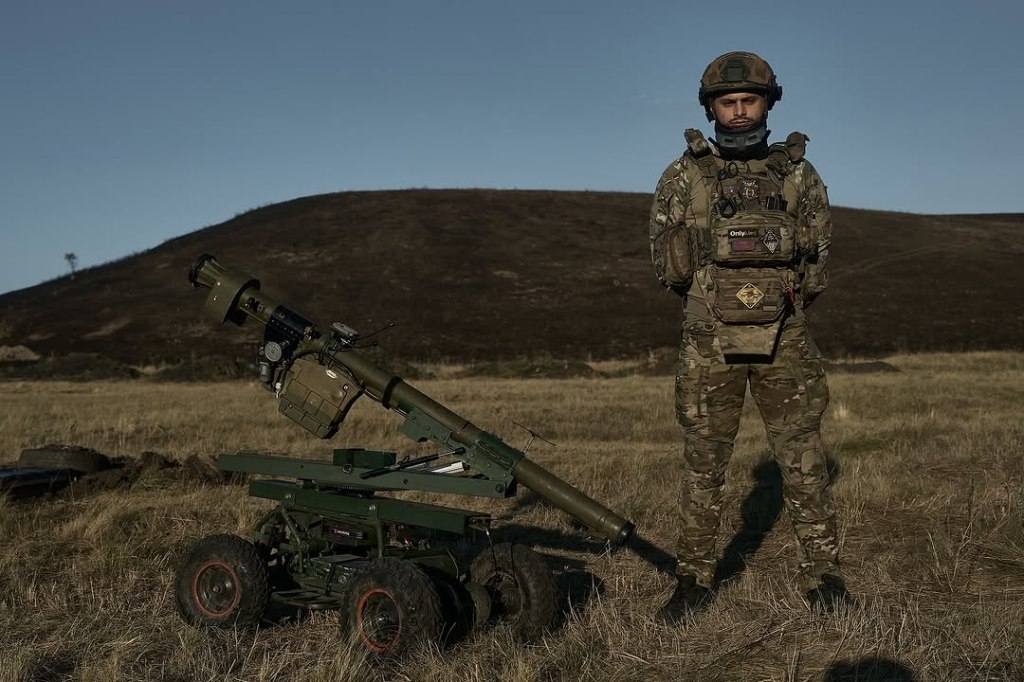
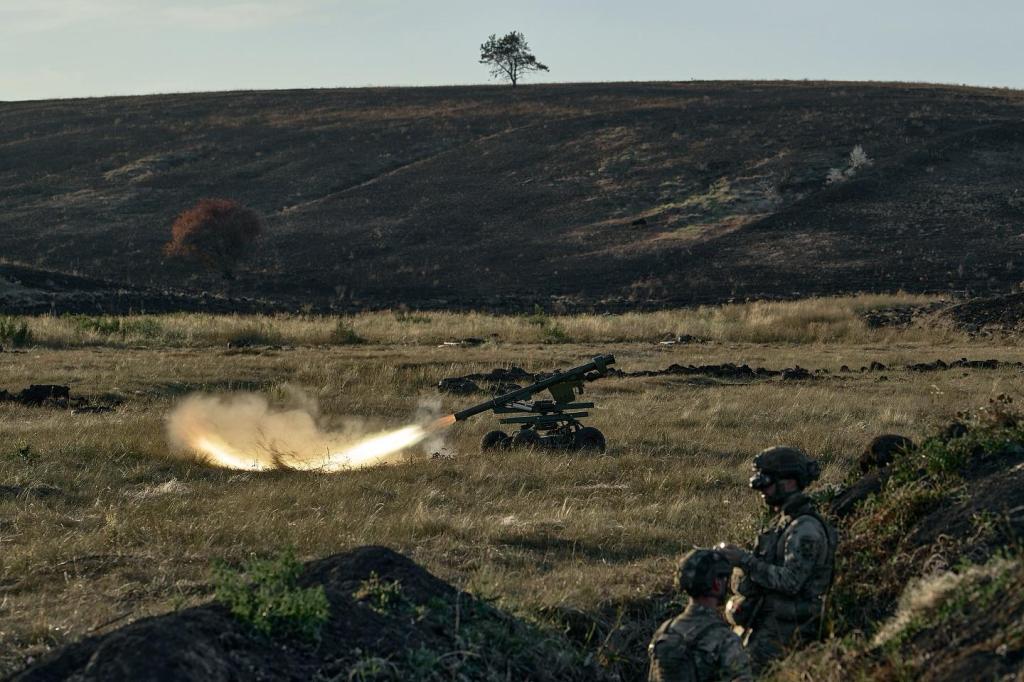
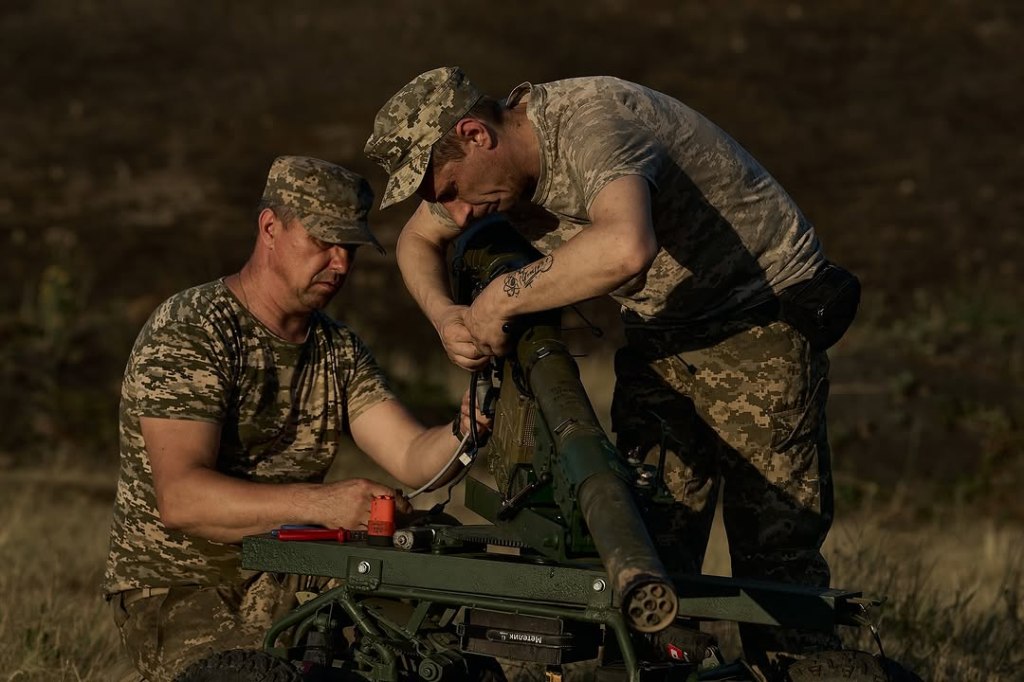


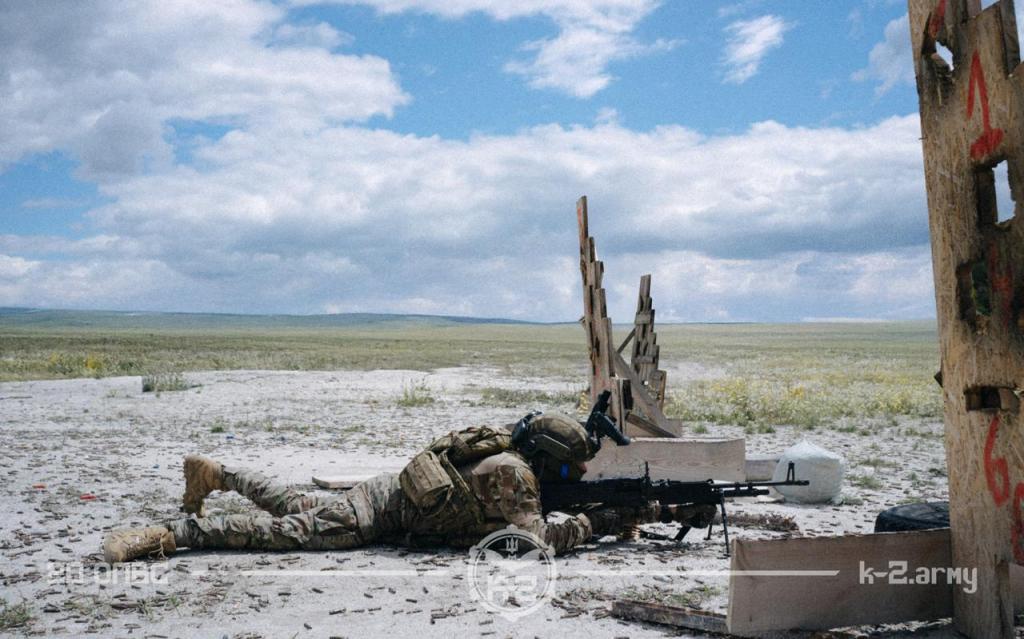
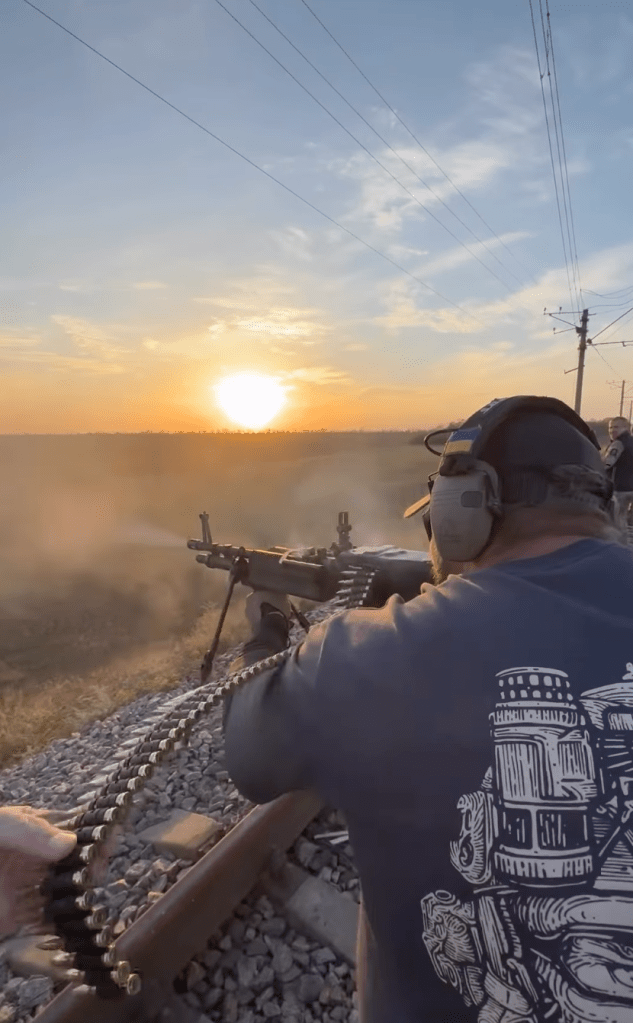
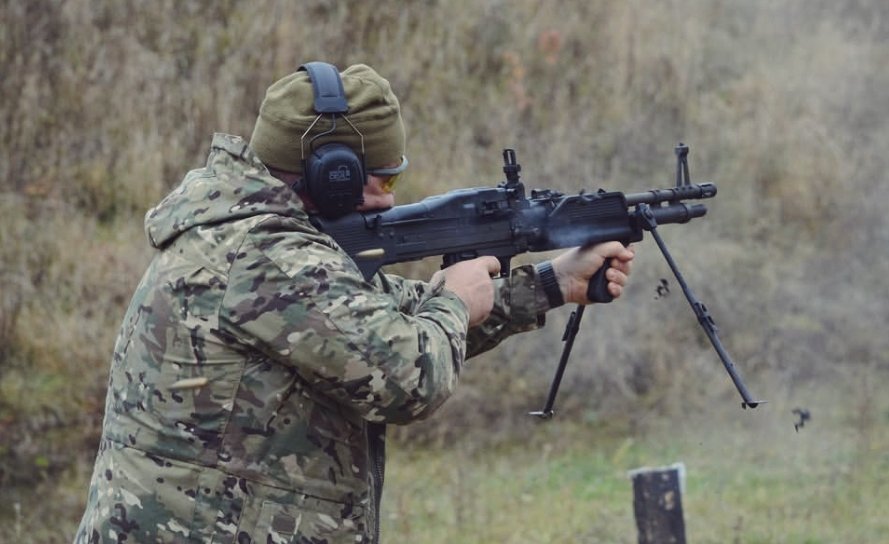
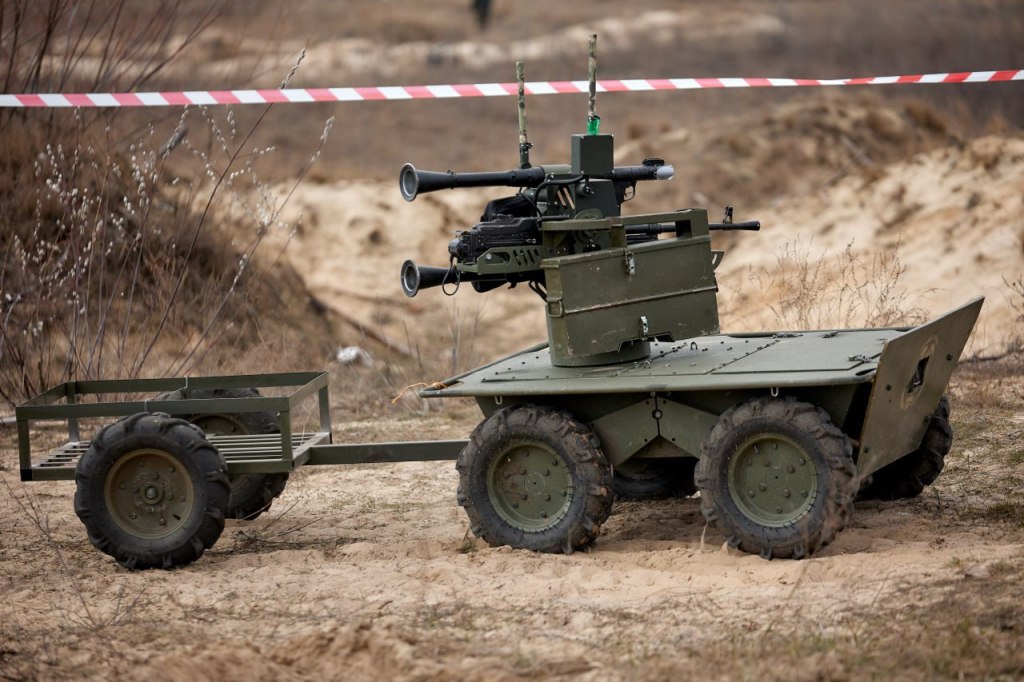
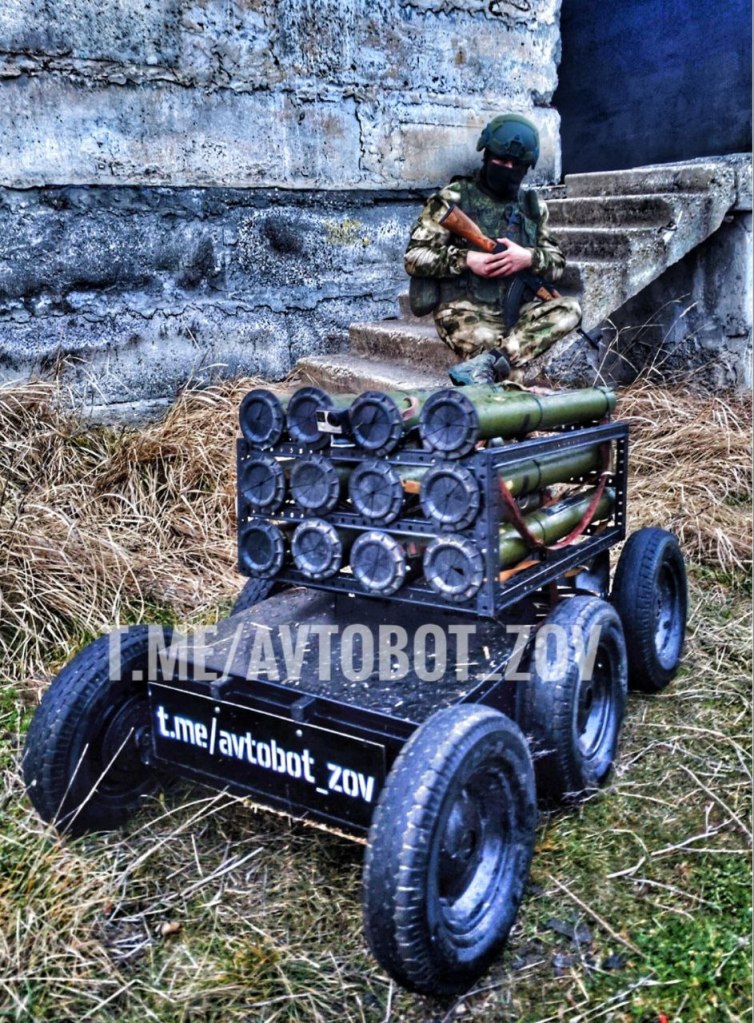
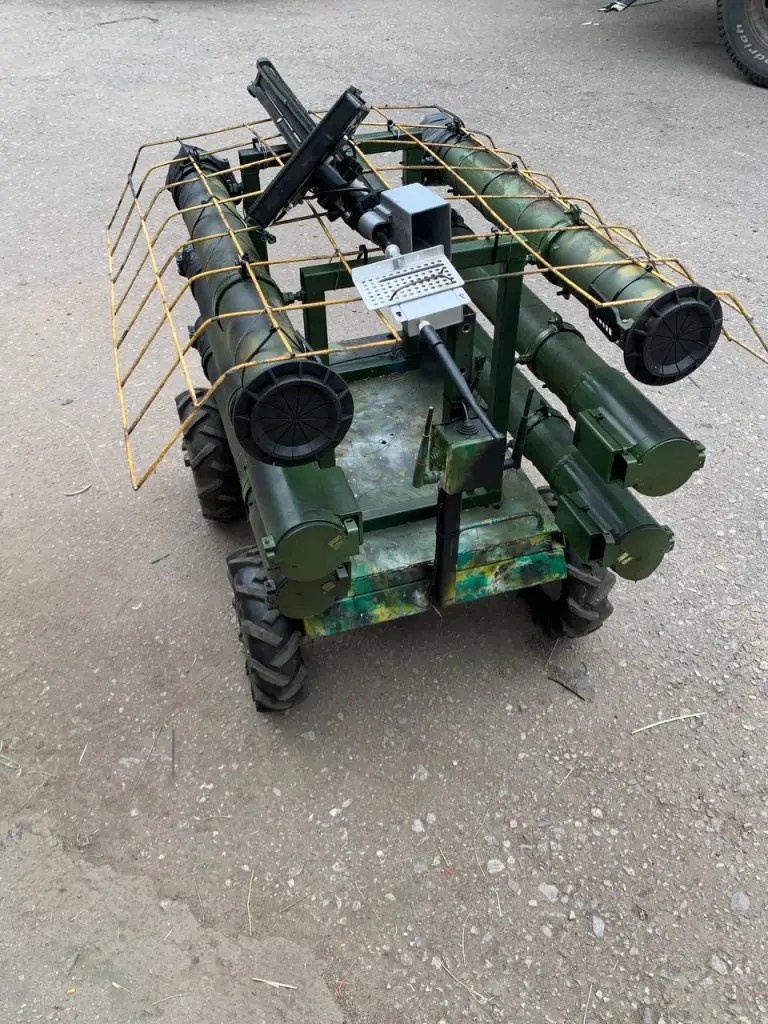
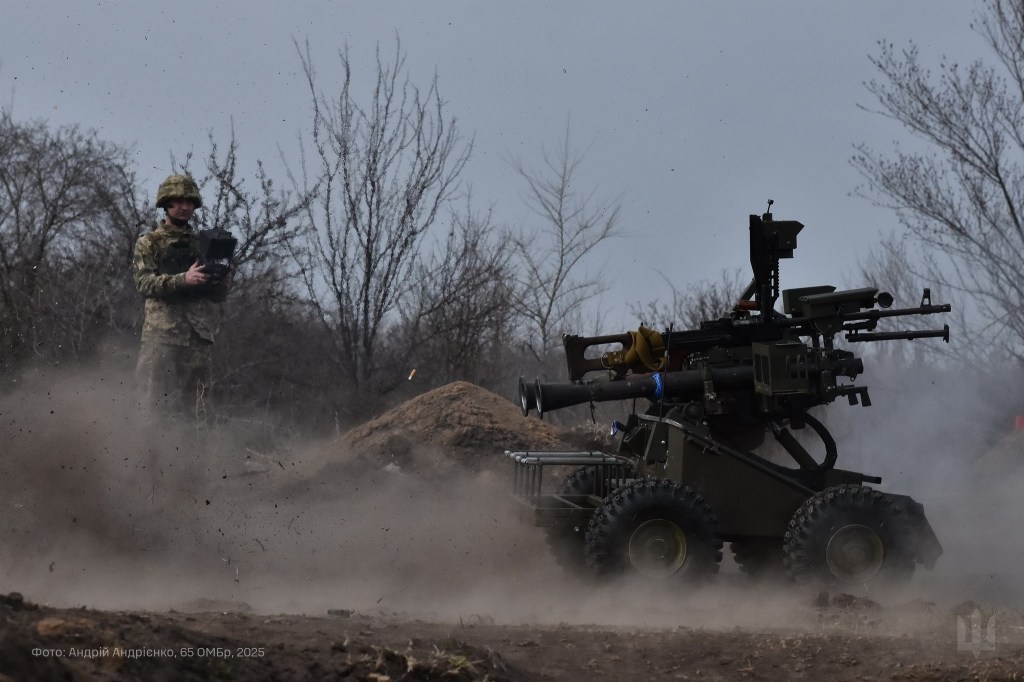
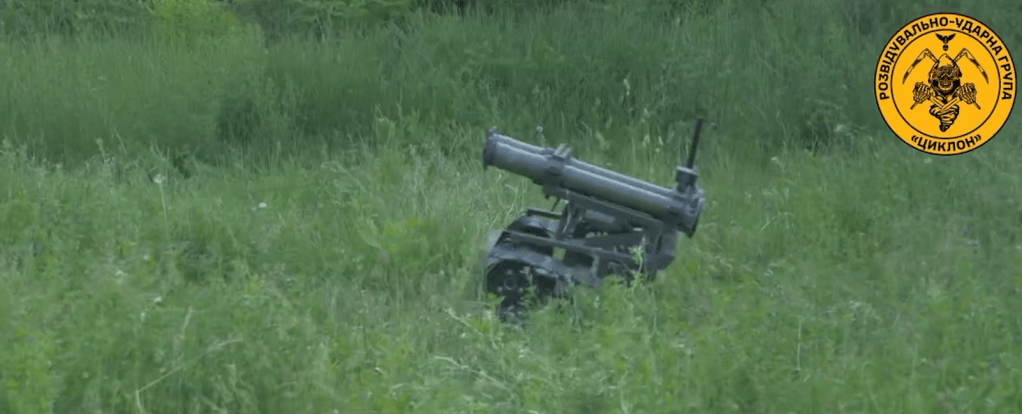
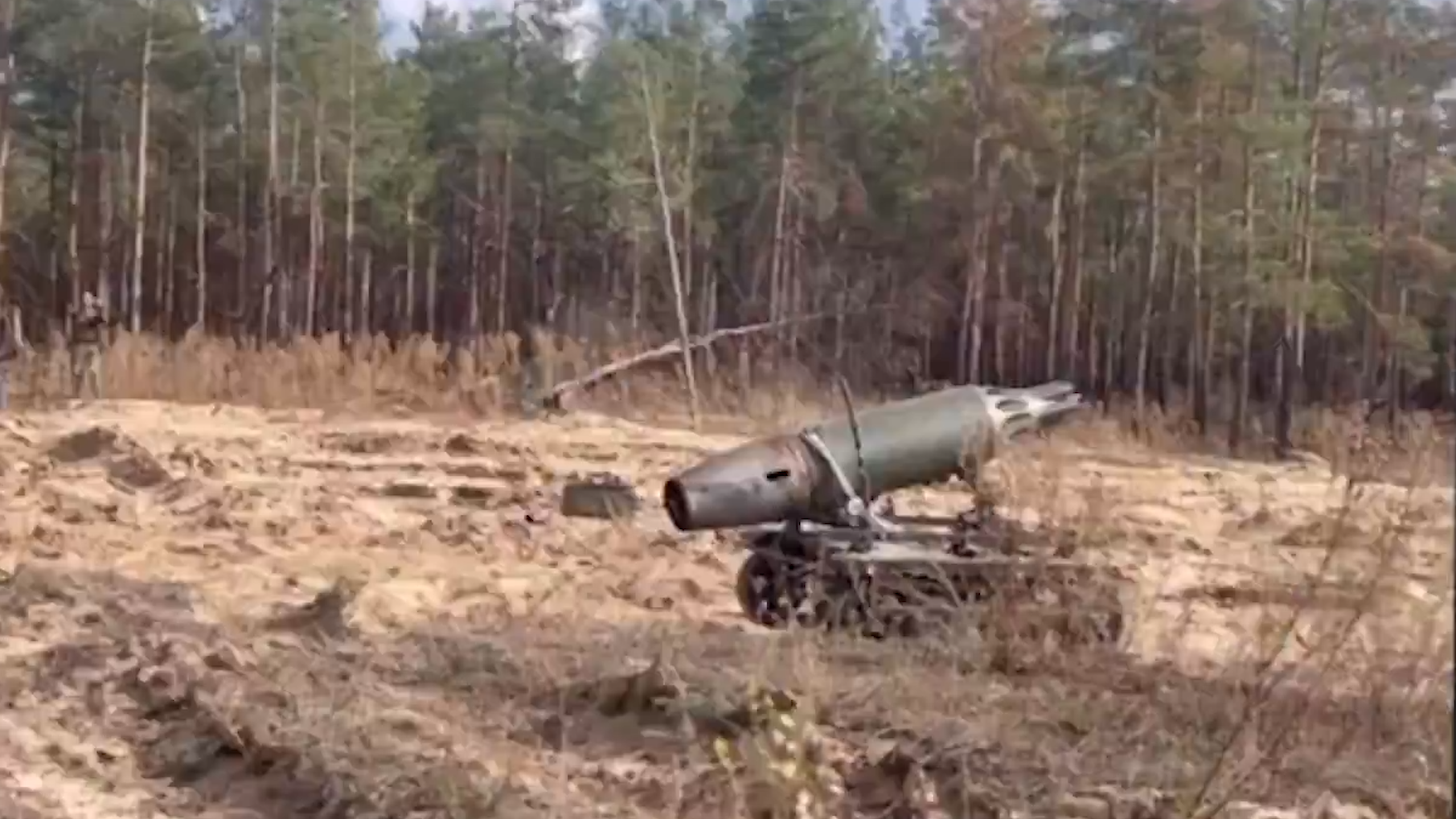
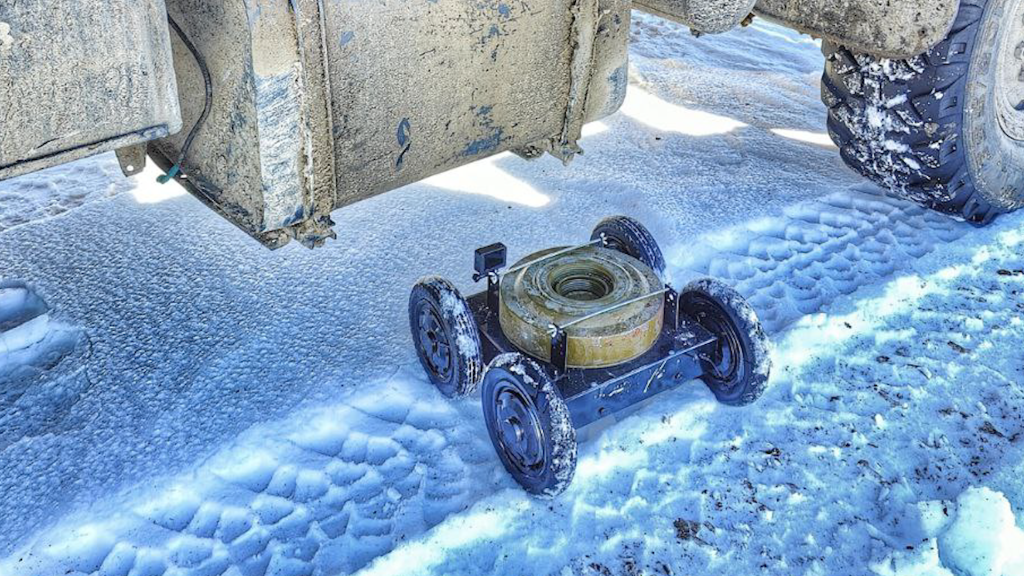
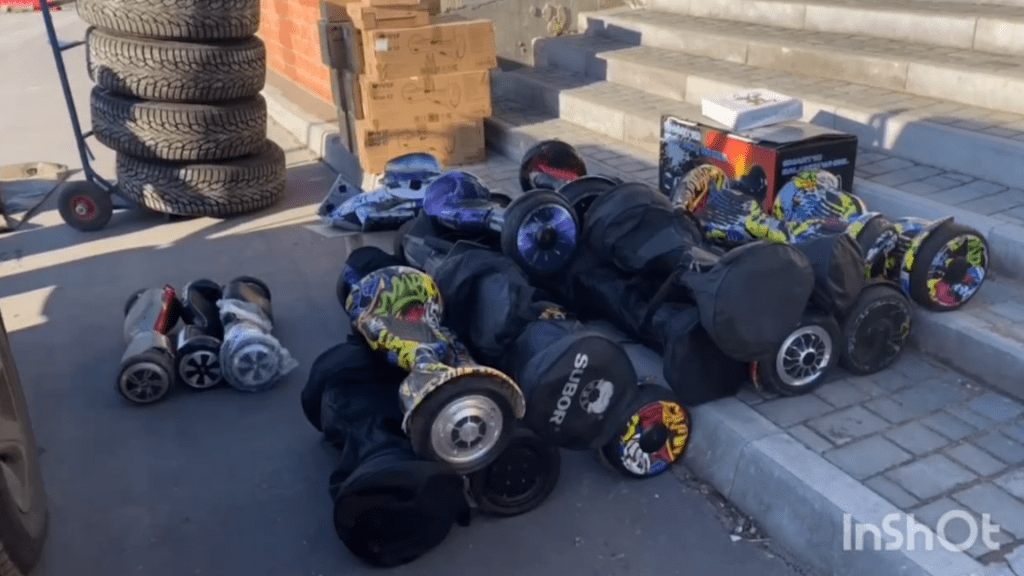
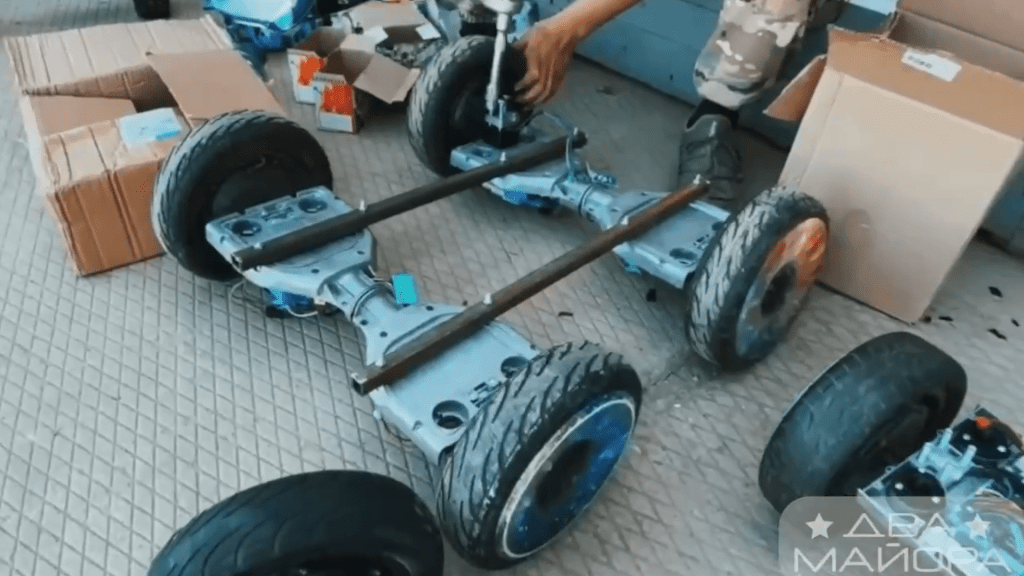
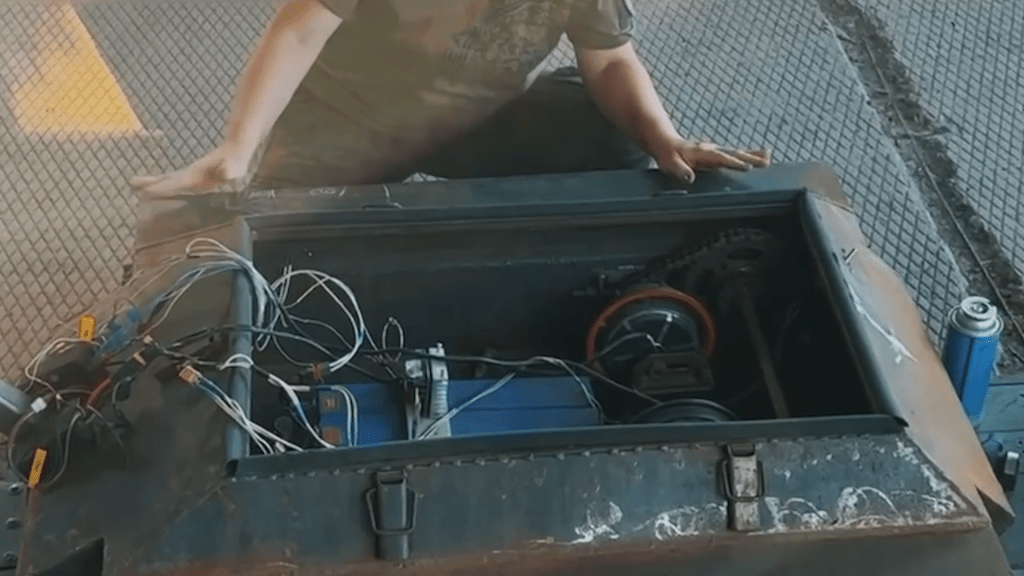
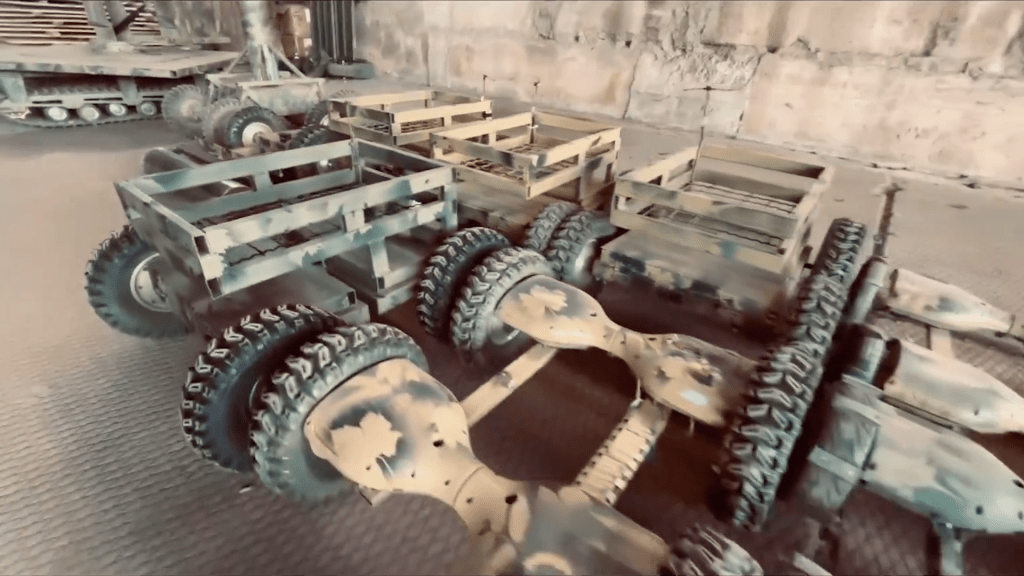
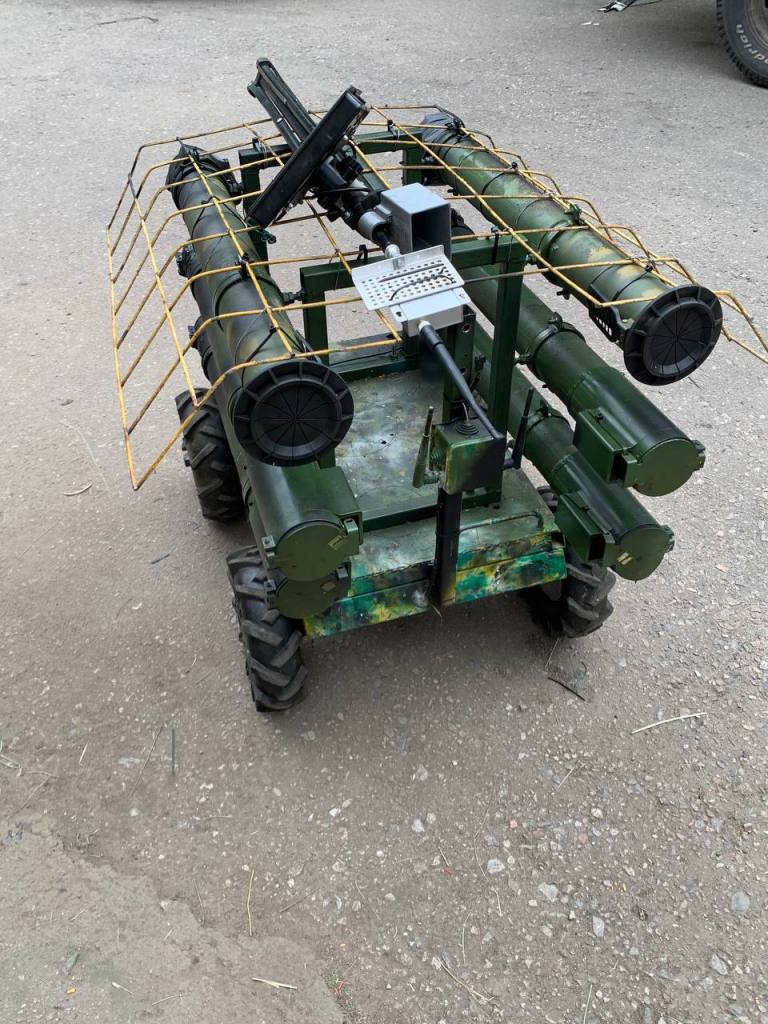
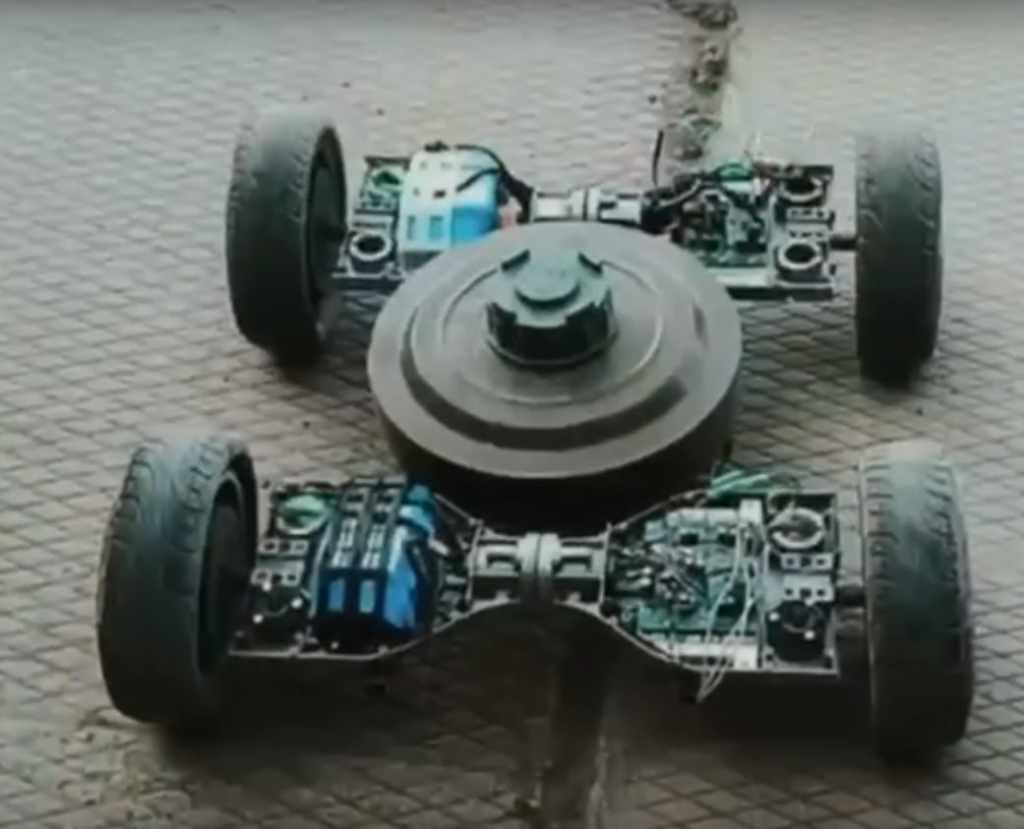
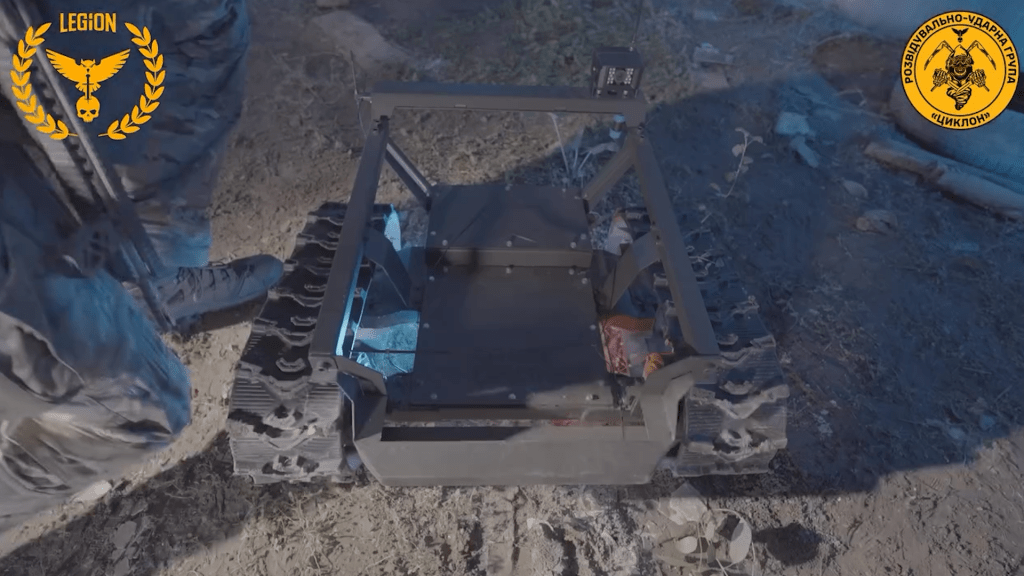
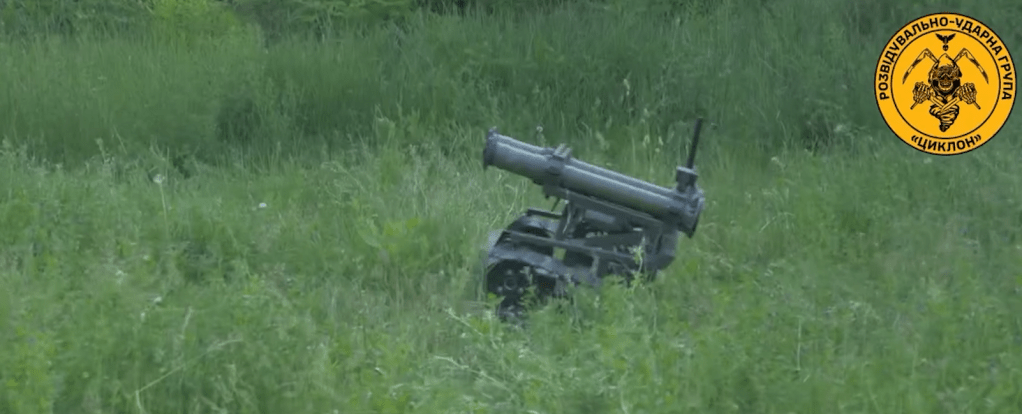
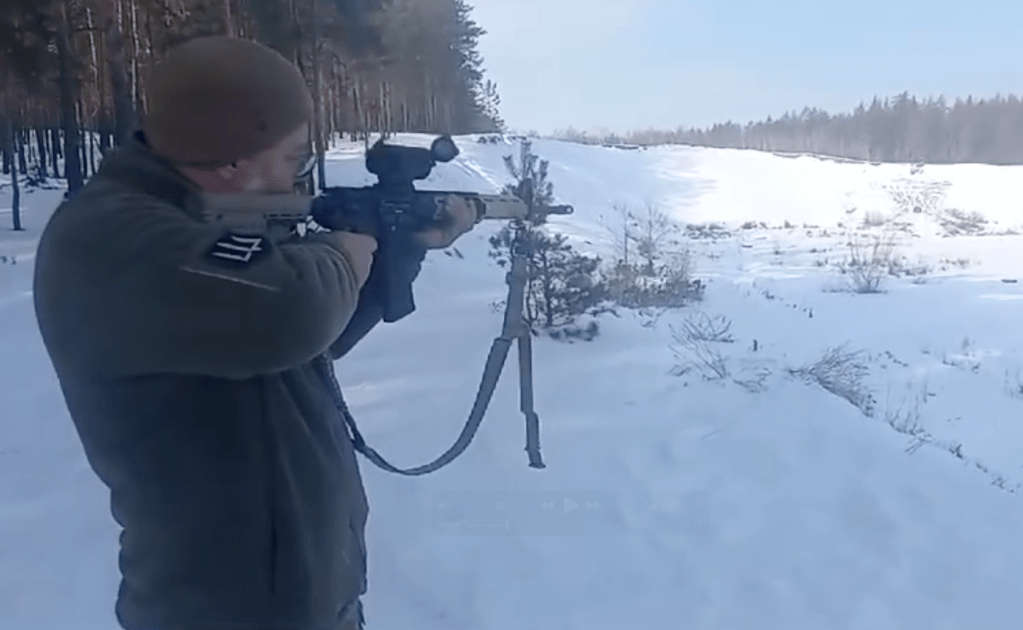
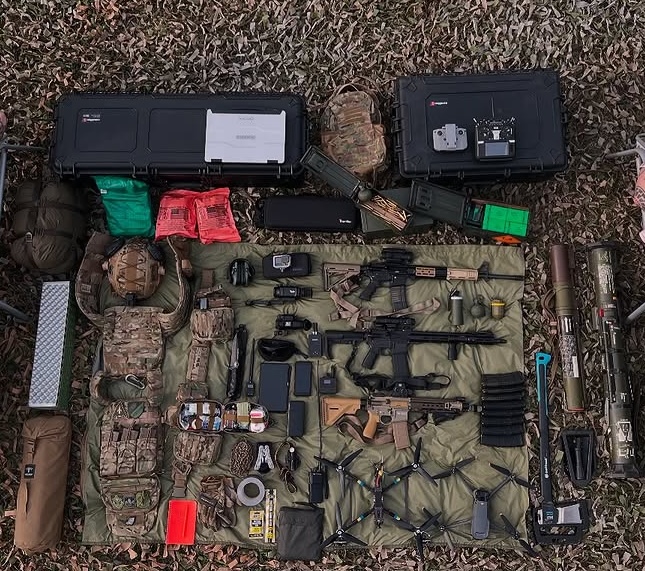
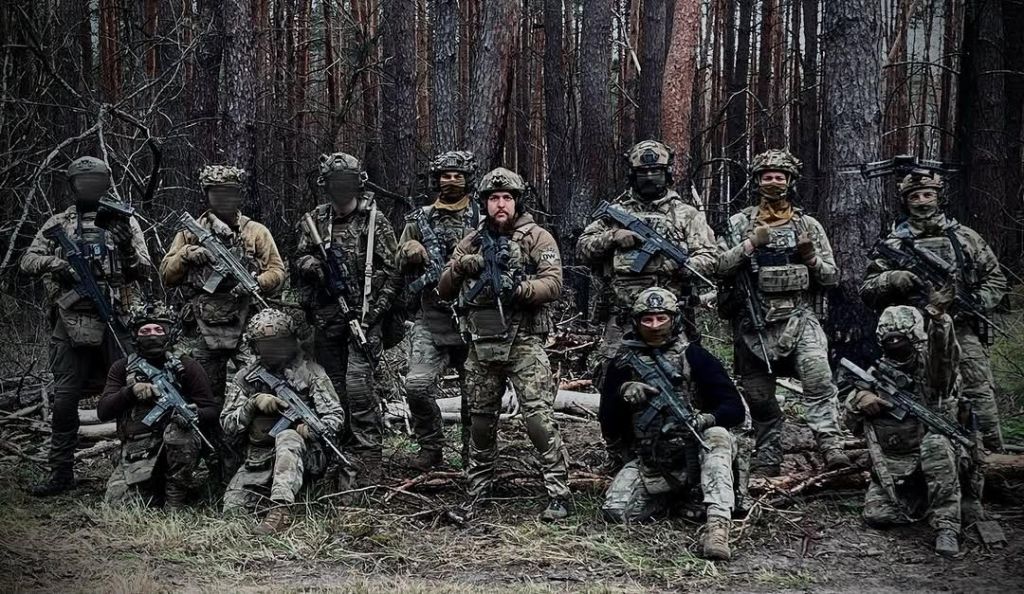

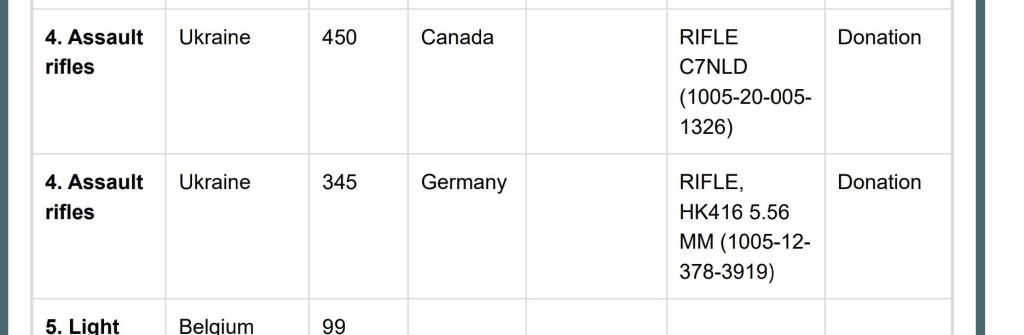
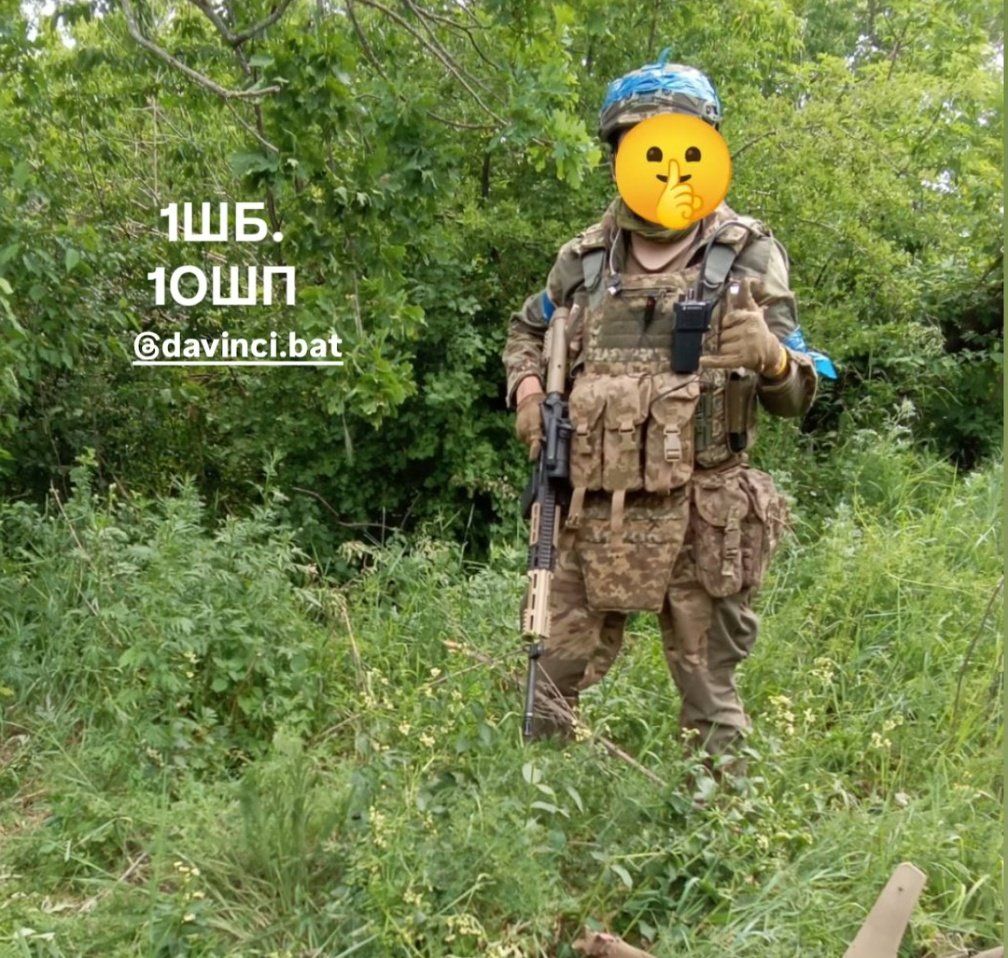
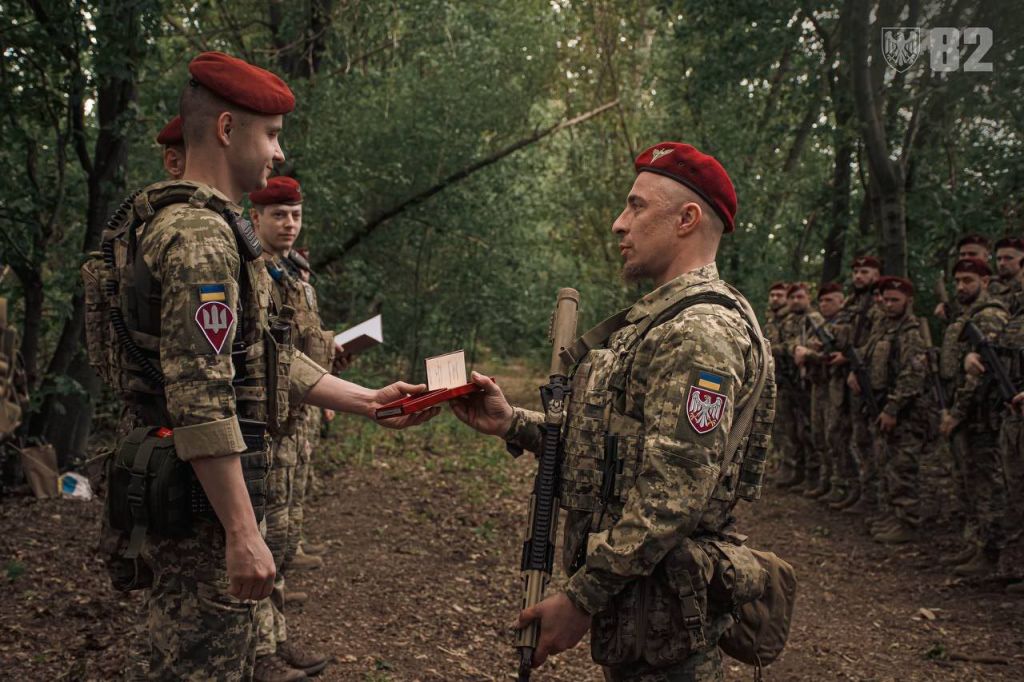

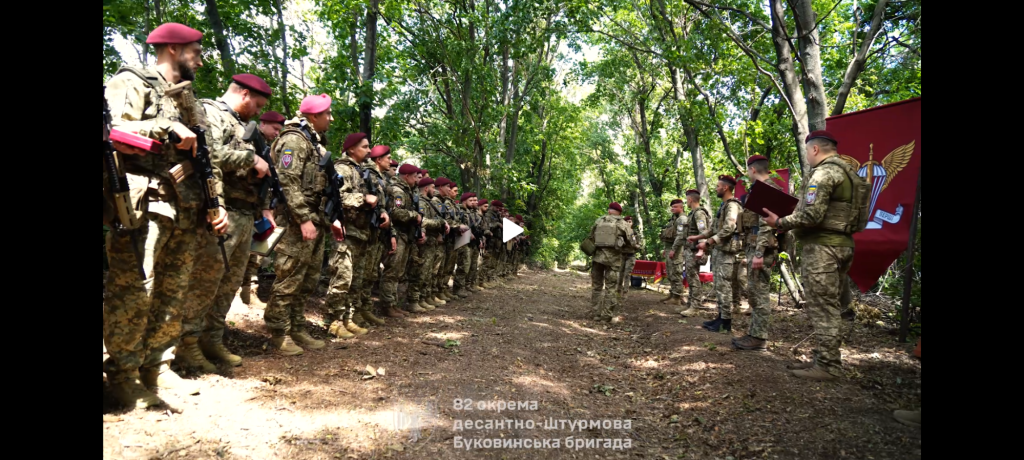
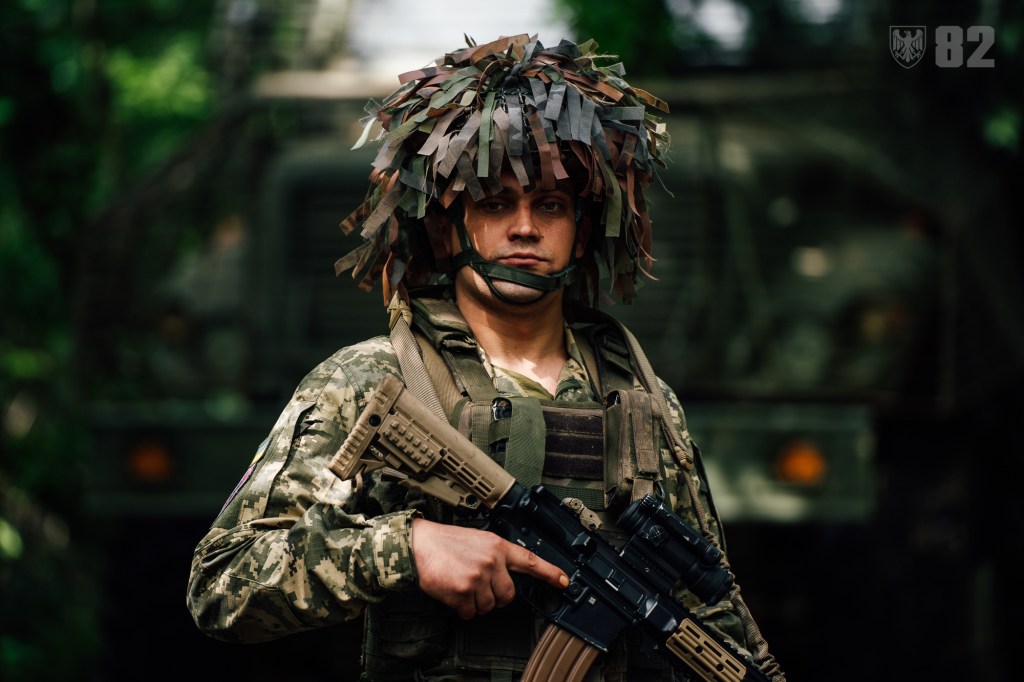
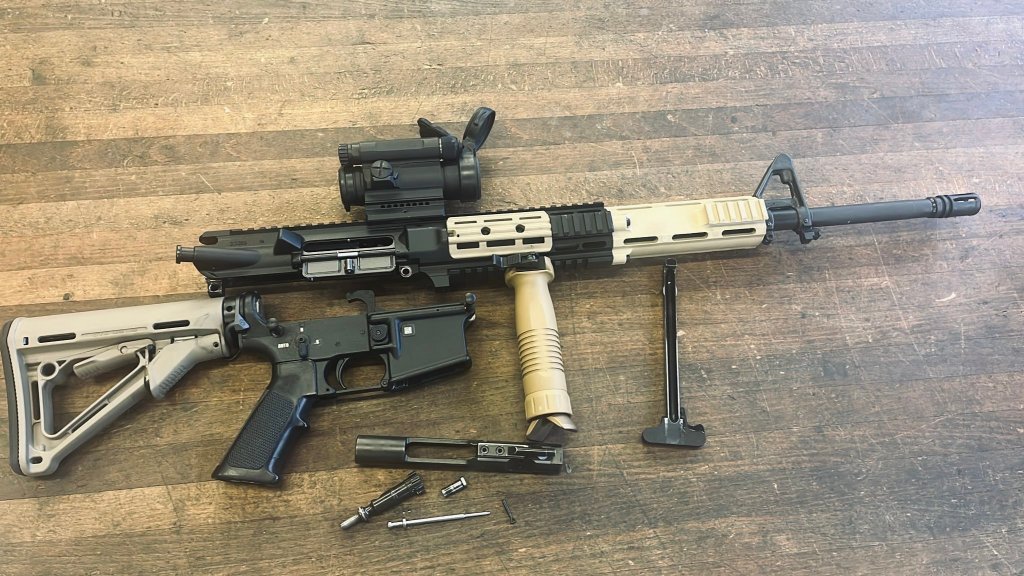



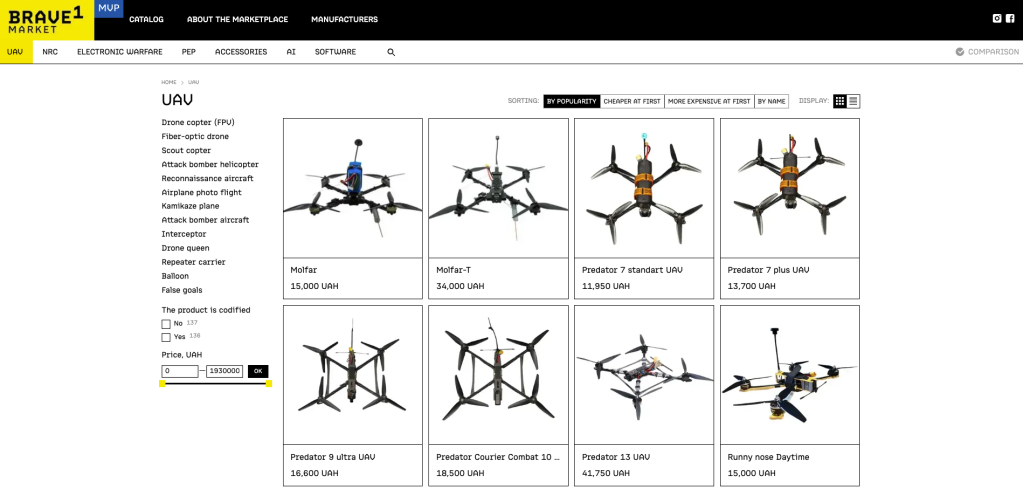
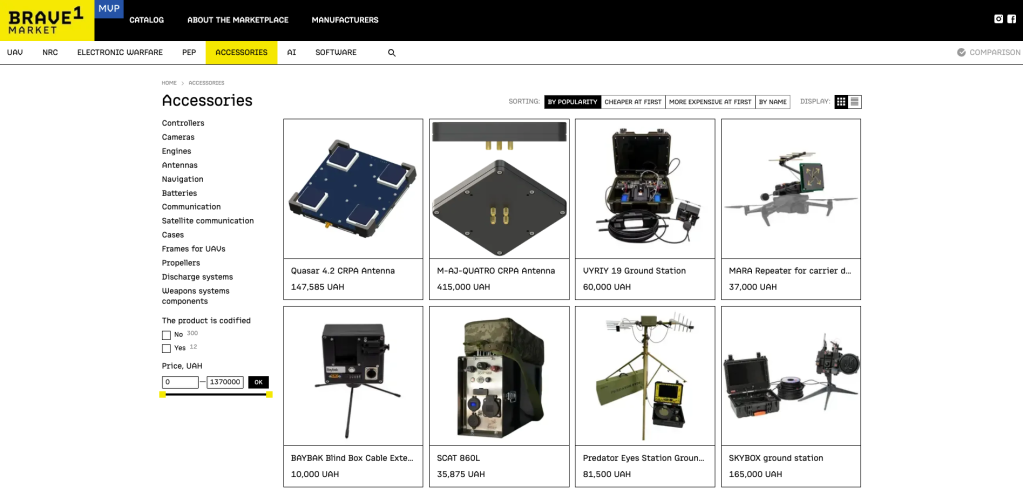
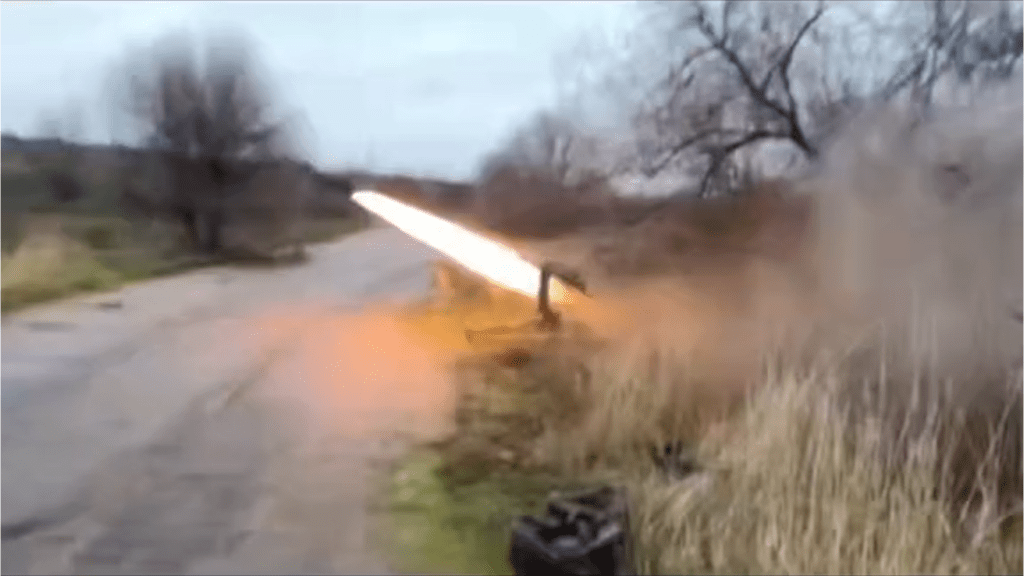
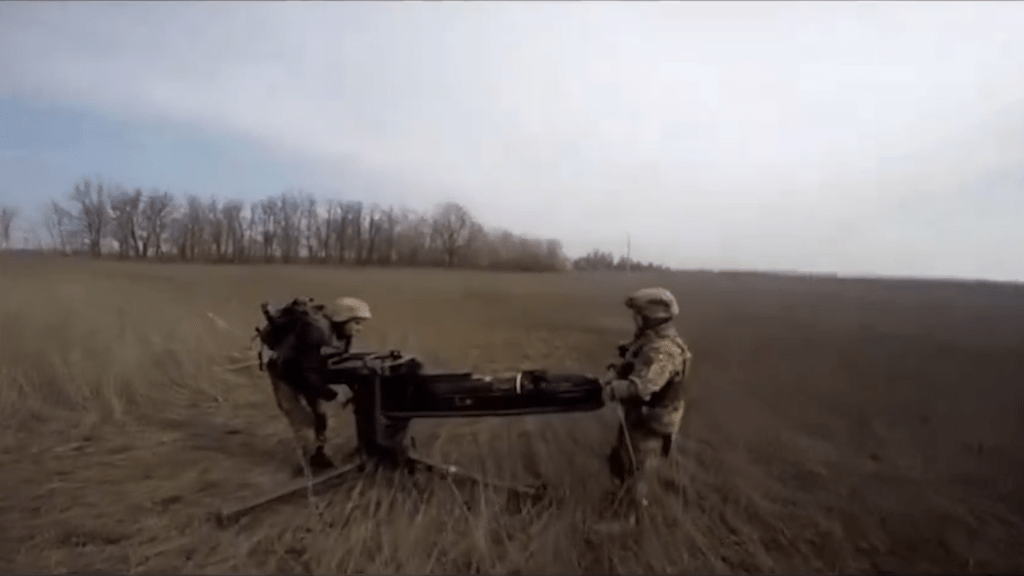
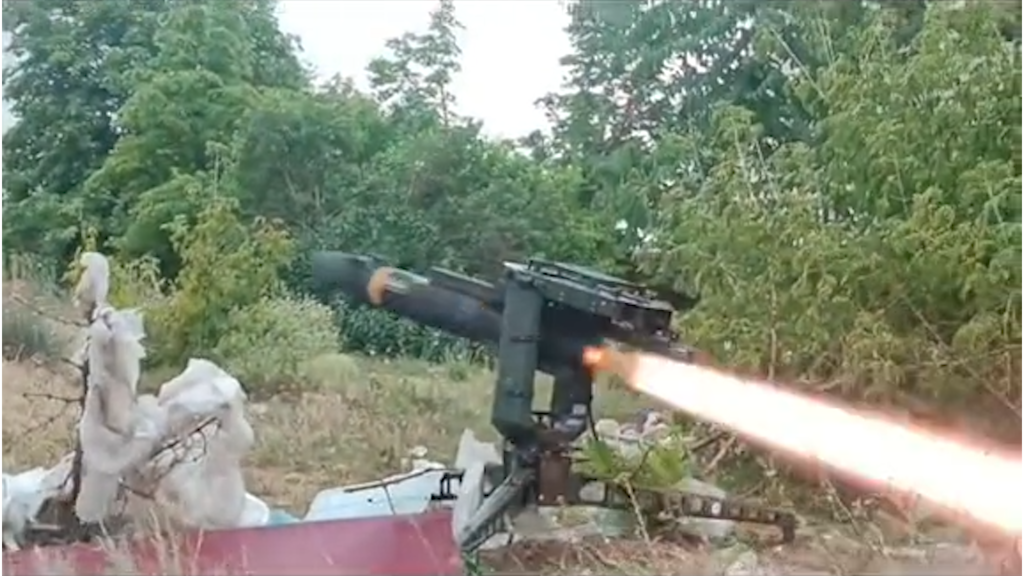
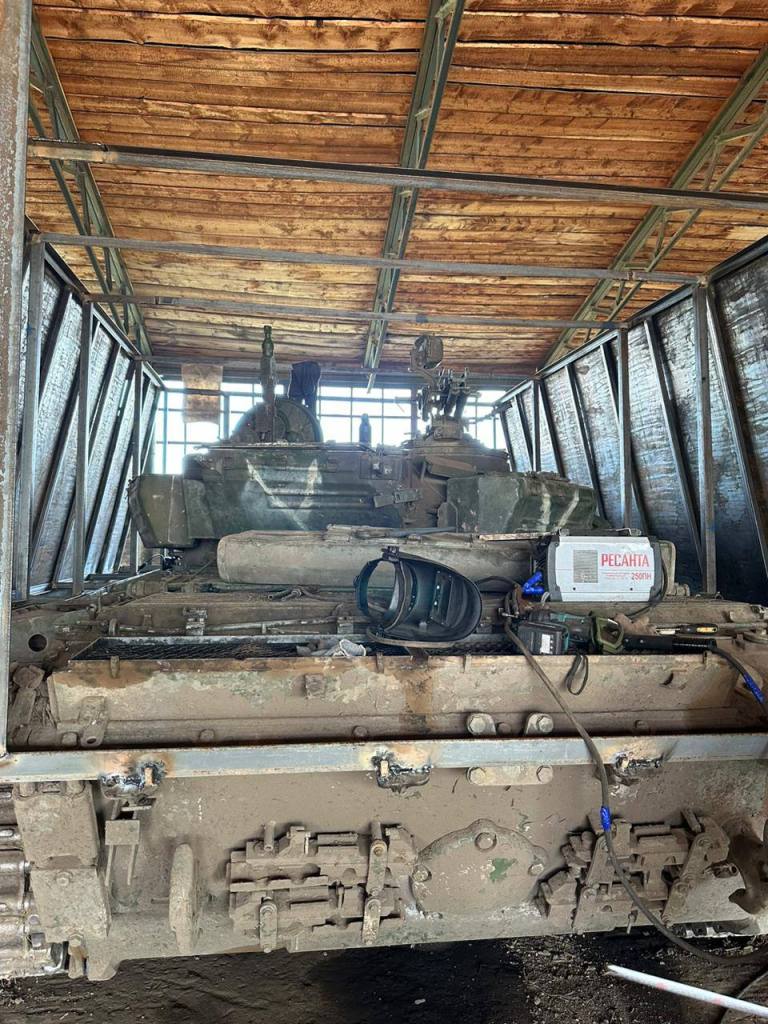
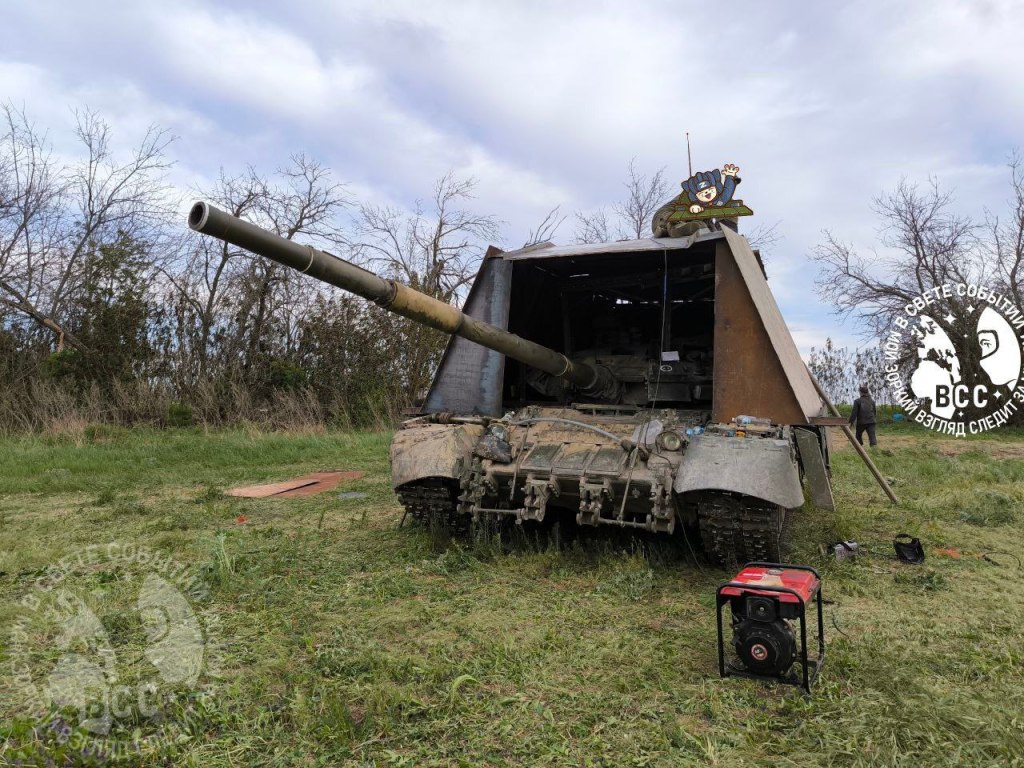

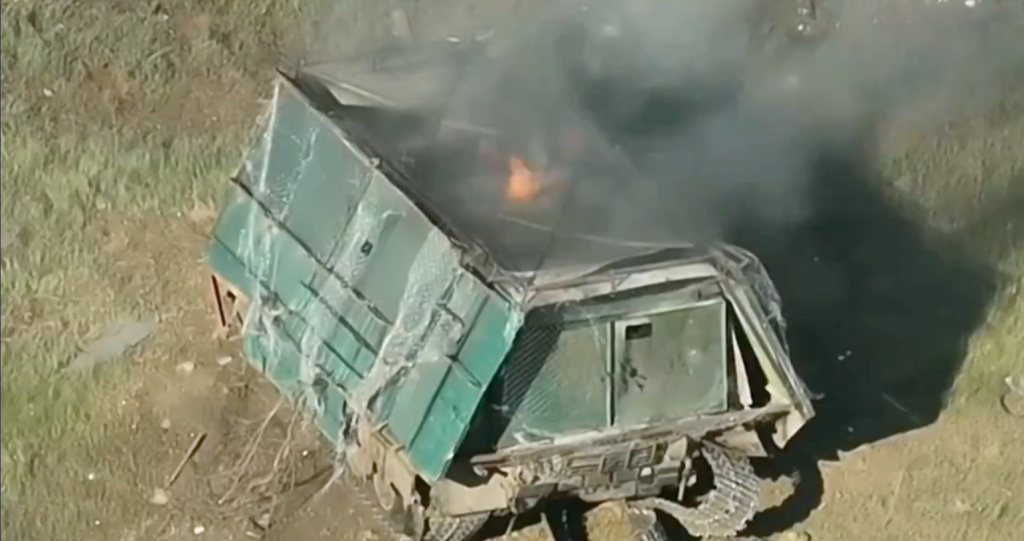
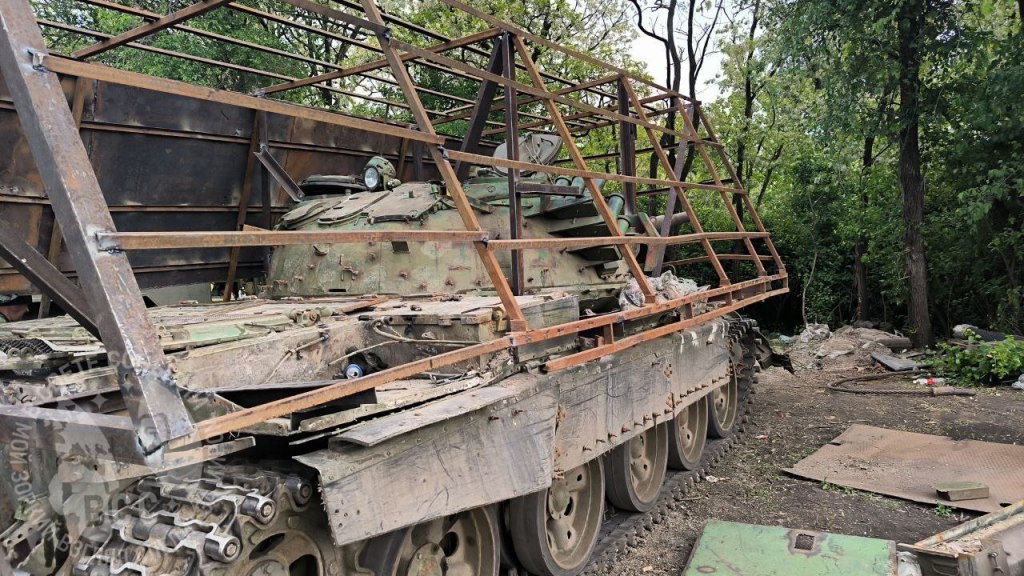
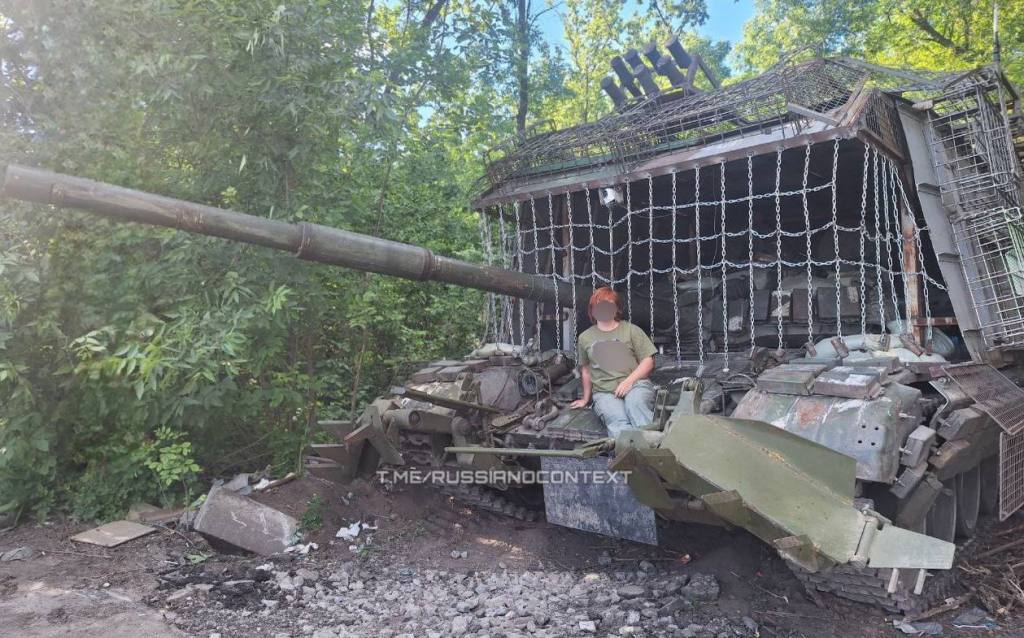
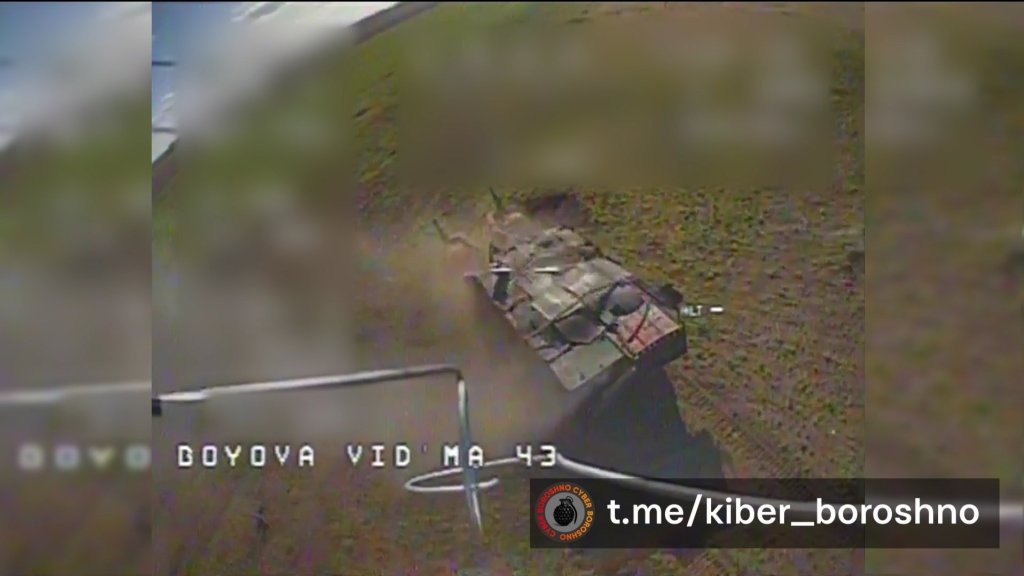
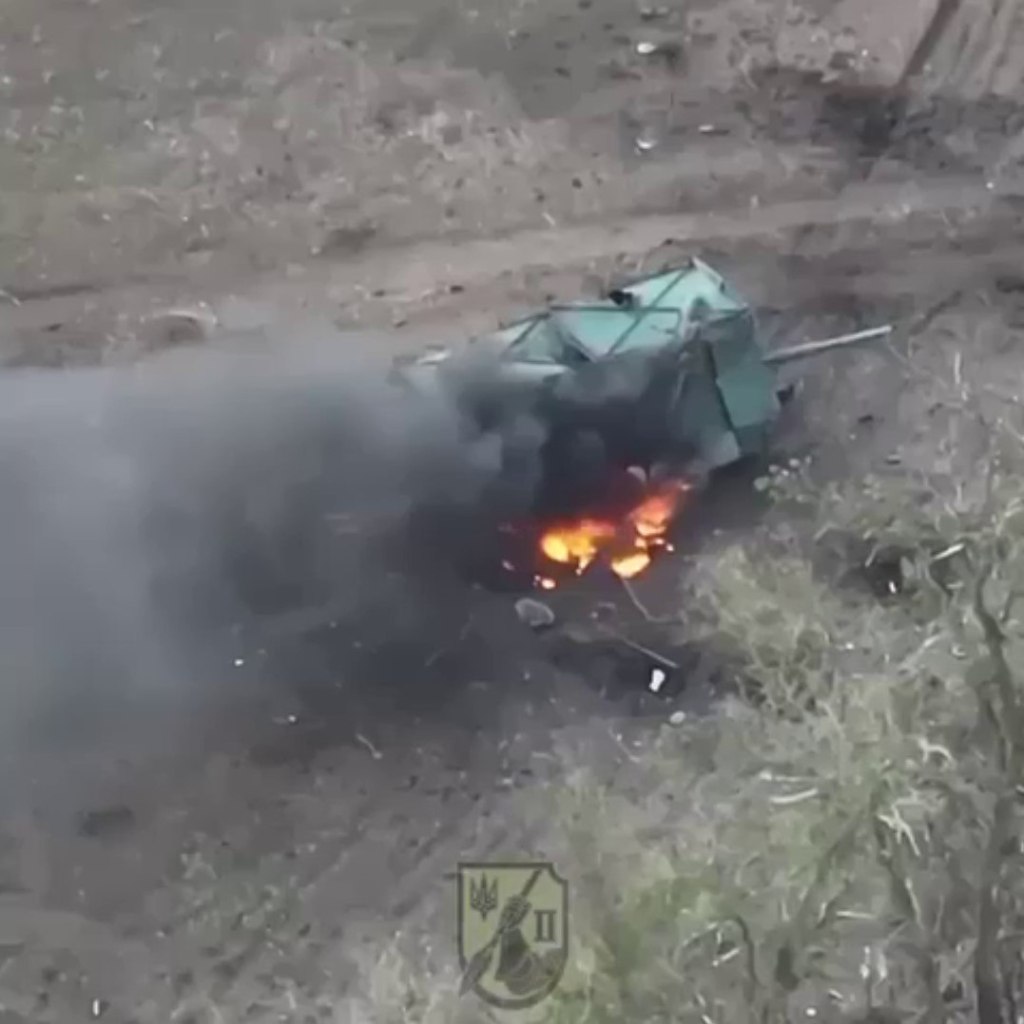
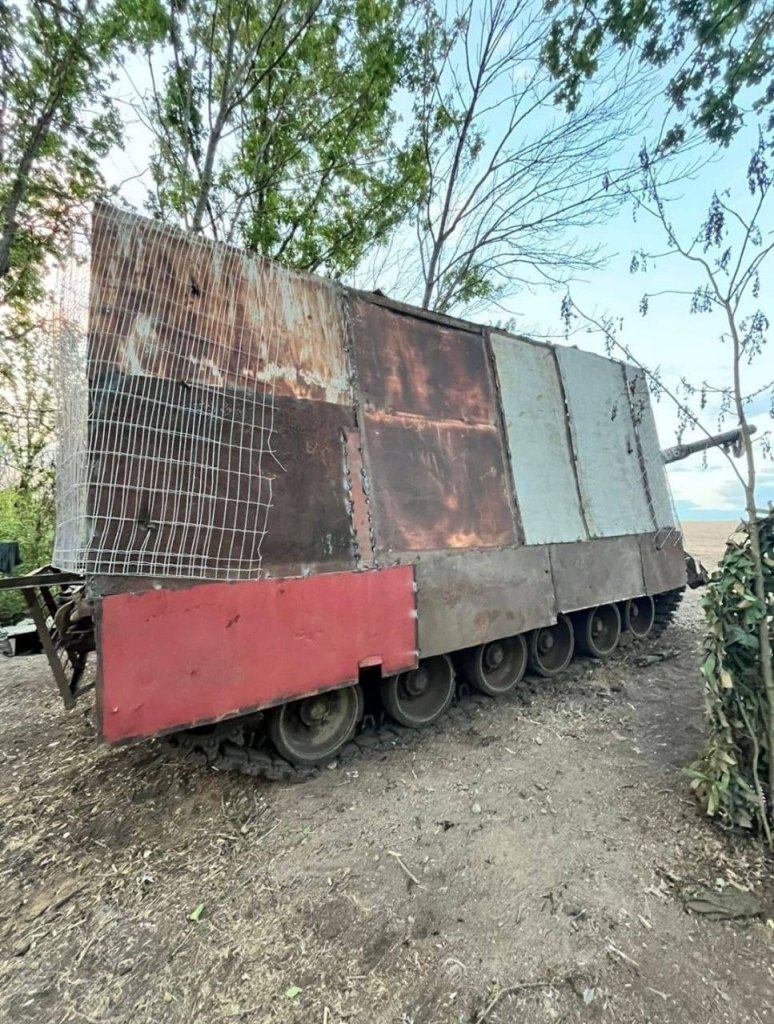
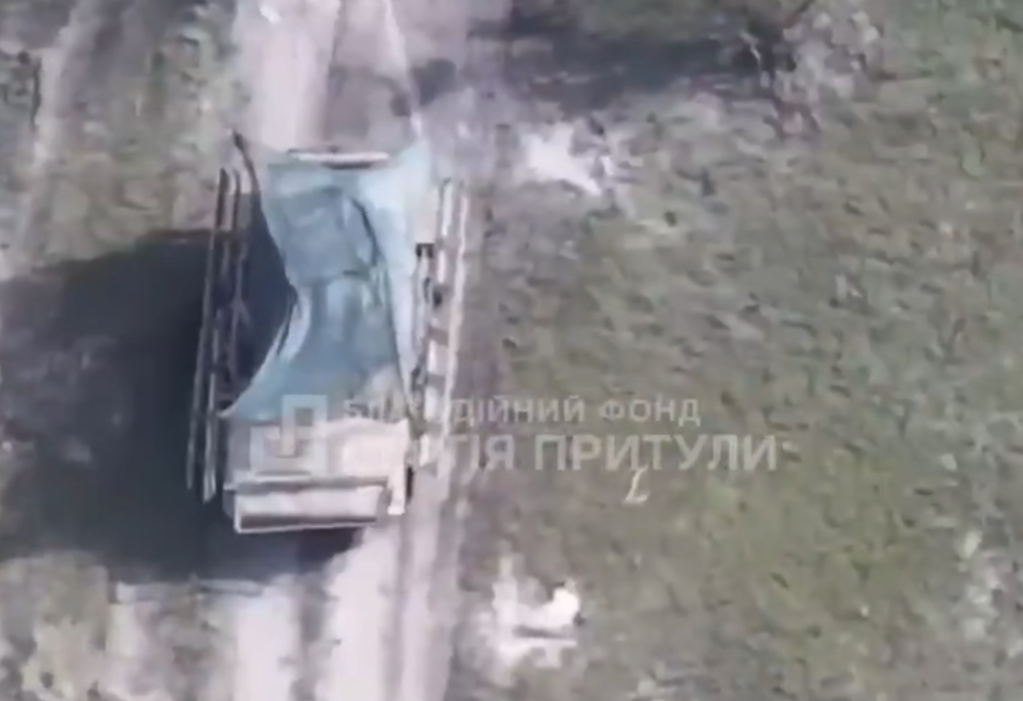
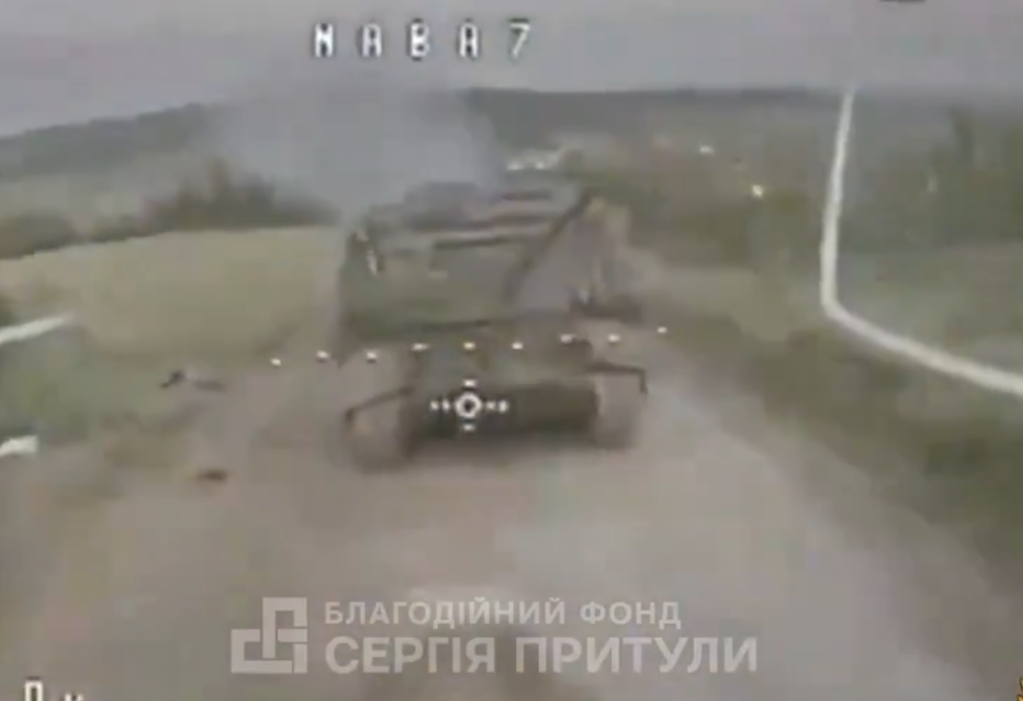


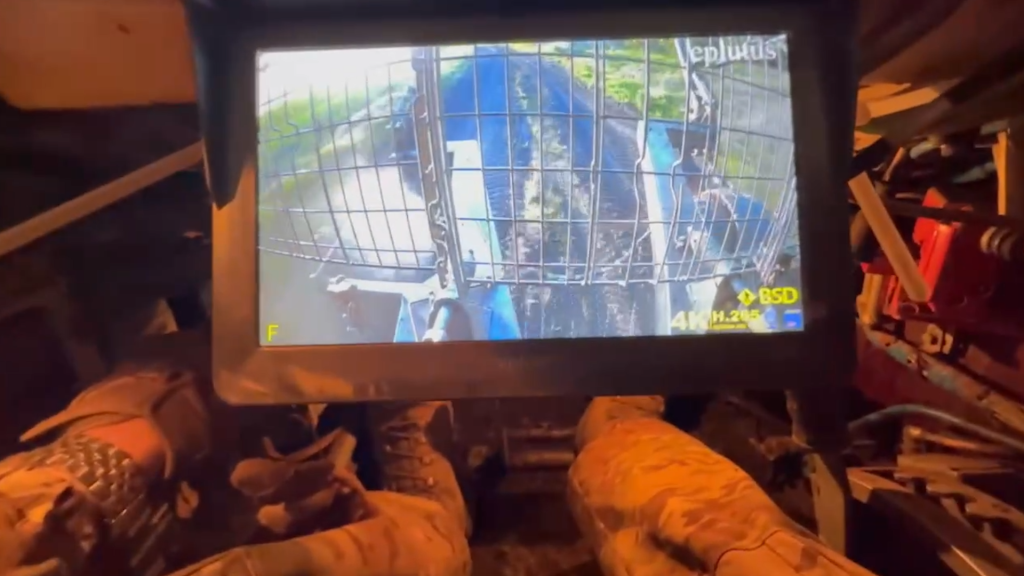


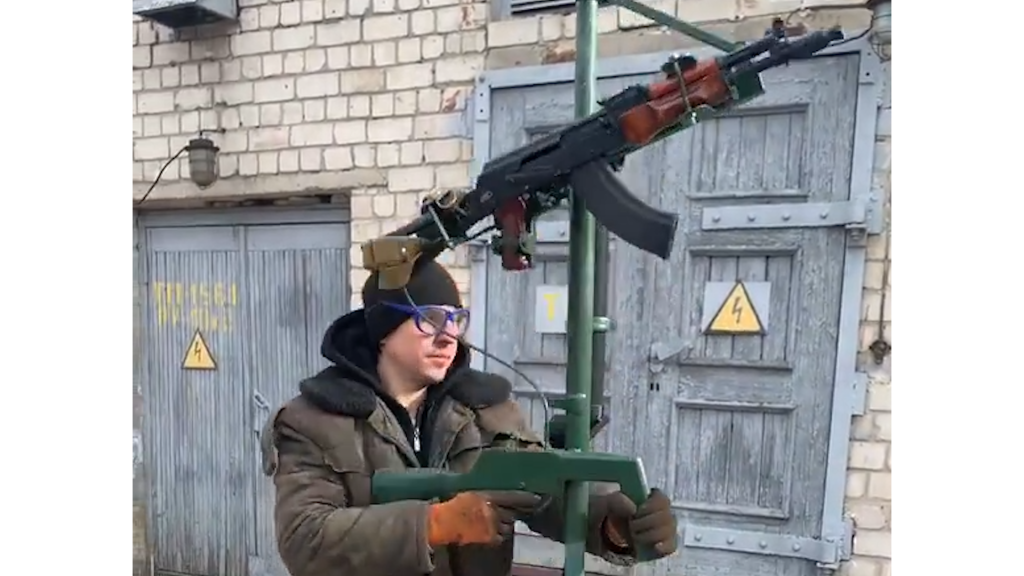
 The Armourers Bench