Swedish G3s in Ukraine?

In recent weeks imagery from Ukrainian social media accounts has emerged to suggest that Swedish G3-pattern, Ak4B, rifles may have begun to be issued to units in Ukraine. Several photographs and videos have been shared via social media by Ukrainian combatants featuring the distinctive rifles. Further investigation, however, suggests the rifles may not be in use in Ukraine.
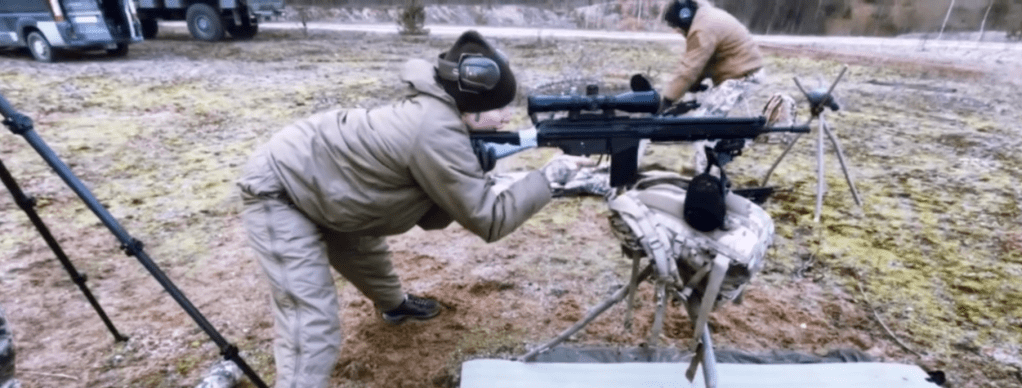
Still from a video of a Ukrainian sniper firing an Ak4B at the range, 17 November (via social media)

The initial imagery posted by two accounts appear to feature three of the rifles, all of the rifles seen appear to have tape on their butts. They are all fitted with scopes with at least one optic appearing to be a Schmidt & Bender PM II 3-12×50.
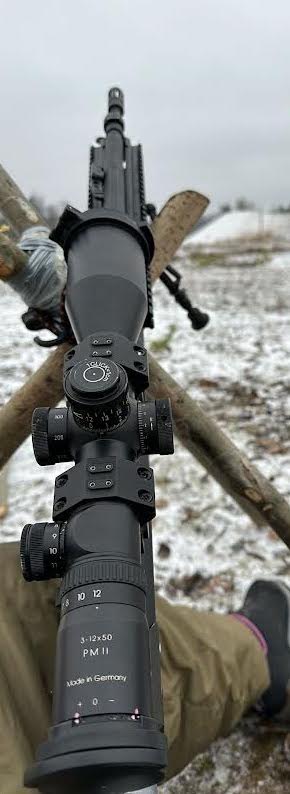
Photograph posted by a Ukrainian showing an Ak4B at the range fitted with a PMII optic, 20 November (via social media)

The Swedish Ak4 is license-manufactured version of the 7.62×51mm Heckler & Koch G3. Produced by Carl Gustafs stads gevärsfaktori and Husqvarna Vapenfabrik, the Ak4 entered Swedish service in 1965. It was replaced by the 5.56×45mm Ak5 in the mid-1980s but today remains in service with Sweden’s Hemvärnet (home guard).

In 2002, Sweden upgraded the first Ak4s to the Ak4B standard. Removing both front and rear iron sights and adding a length of Picatinny rail for mounting an optic. The rifles seen in the recent photographs have also been outfitted with a tri-rail forend, these are produced by a number of manufacturers, including Swedish Ordnance, and an adjustable bipod.
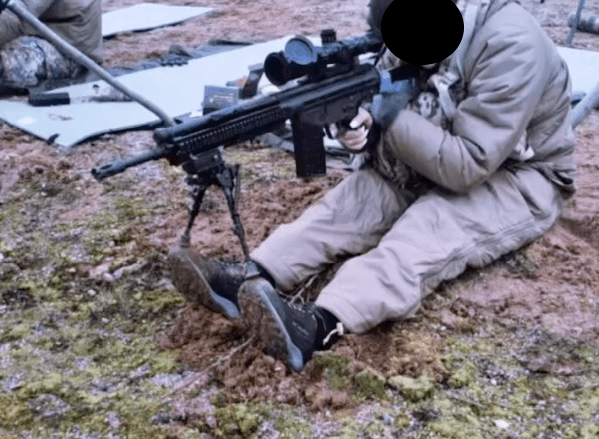
Photo of a Ukrainian sniper firing an Ak4B at the range, 17 Nov., note the railed forend and bipod (via social media)

Notably in January 2023, Sweden announced a major aid package for Ukraine which was said to include ‘assault rifles’ it is unclear if these rifles were Ak4s or another weapon. I reached out to the Swedish government about whether the recently sighted rifles had been provided to Ukraine but no comment was provided at the time of publication.
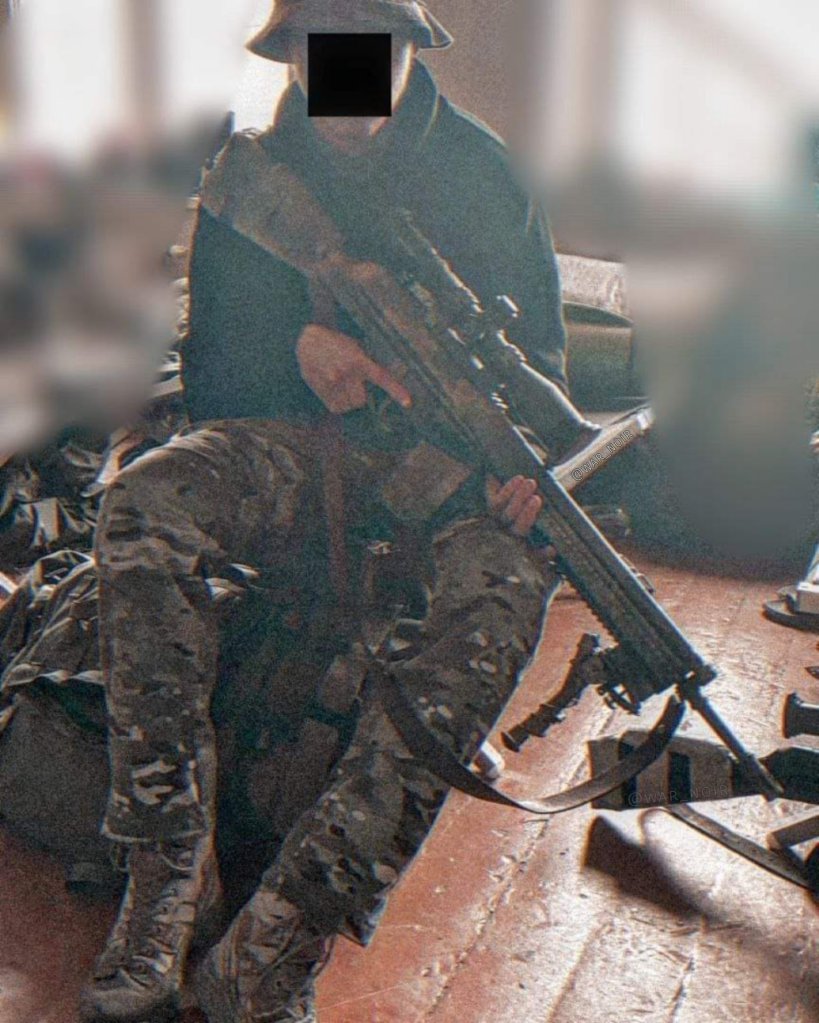
Photo showing a pair of Ak4Bs with optics c.19 November (via War_Noir)

Subsequent social media posts and conversations with Ukrainian personnel who shared imagery suggests that the rifles are Ak4s. However, they aren’t in Ukraine but Latvia.

Latvia received a number of Swedish Ak4s and they are currently used by the Latvian National Guard. The Latvians are in the process of replacing the rifles with G36s, however, some may continue in the designated marksman role. It appears that the imagery posted by the Ukrainian combatants which features the rifles was taken during training in Latvia. Latvia has so far trained 3,000 Ukrainian personnel. From posts on their social media it appears that elements of Ukraine’s 3rd Shock Brigade are currently in Latvia.
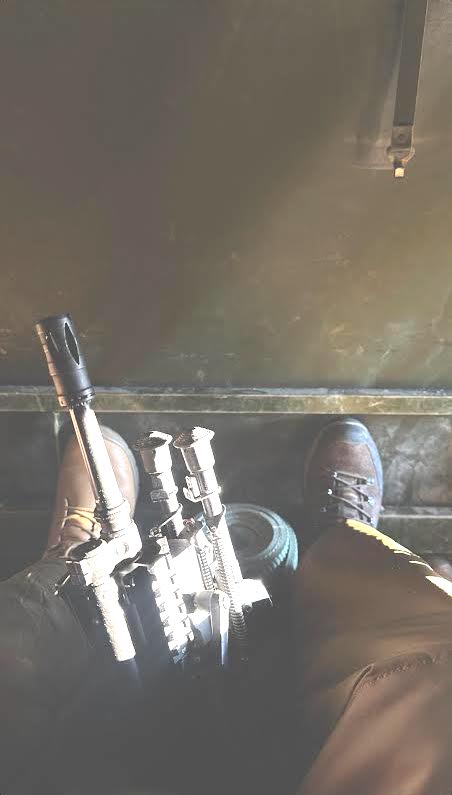
The author of this photograph (featuring another Ak4B in the same configuration) confirmed that it was not taken in Ukraine (via social media)

Another Ukrainian combatant who shared another photograph of the muzzle end of an Ak4, notable for its ground off front sight, seemingly taken in the back of a truck also confirmed that his photograph was not taken in Ukraine but Latvia.

There has previously been confusion around whether a weapon is in use in Ukraine or whether Ukrainian troops are simply using the weapon while training abroad. This has been seen with the SA80 in the UK and the HK G36 in Spain and Lithuania.

In addition to Latvia, Sweden also provided Lithuania with Ak4 pattern rifles, these are now in service with the Lithuanian National Defence Volunteer Forces. Similarly, Sweden also provided the Estonian Defence Forces with Ak4s. These countries have also provided training. Given the levels aid provided by Sweden and the three Baltic states it is possible we may eventually see Ak4 pattern rifles in Ukrainian service. Despite anticipation of seeing G3s in Ukrainian service, these rifles do not represent the first G3-pattern rifles to be seen in Ukraine.

Update – 19/2/24: Several G3s in the same configuration as those seen in earlier Latvia training photos recently surfaced.

10/9/24 – Update: another photograph of hat appears to be an AK4 with Ukrainian personnel, location unknown.

The photograph above is one of a series taken by Ukrainian photographer Yara.sva, the photographs are tagged as being taken in Ukraine.

Update 19/9/24:

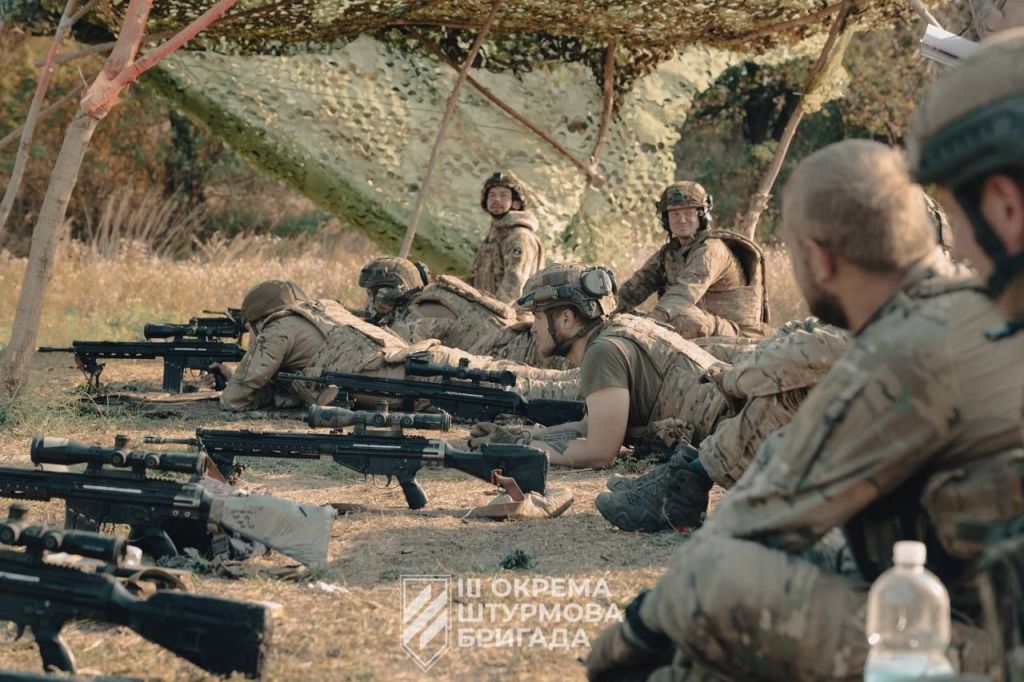
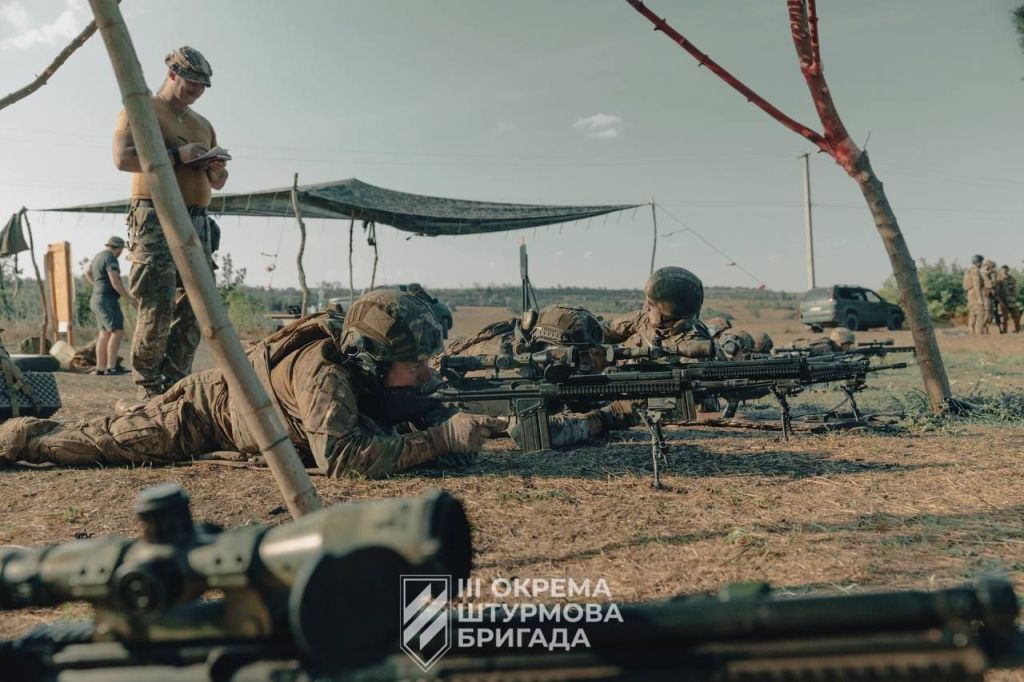
The 3rd Assault Brigade has shared a detailed album of photos showing marksmen from the brigade training with what appear to be AK4Bs. The location the photographs were taken is not disclosed but there is nothing to confirm that the training was undertaken in Ukraine and no information in the original post’s caption. It is possible that, like earlier AK4B photos, these were taken during training outside of Ukraine, likely in one of the Baltic states. The photographs appear to have been taken at the same time (and possibly by) those shared earlier by Yara.sva.
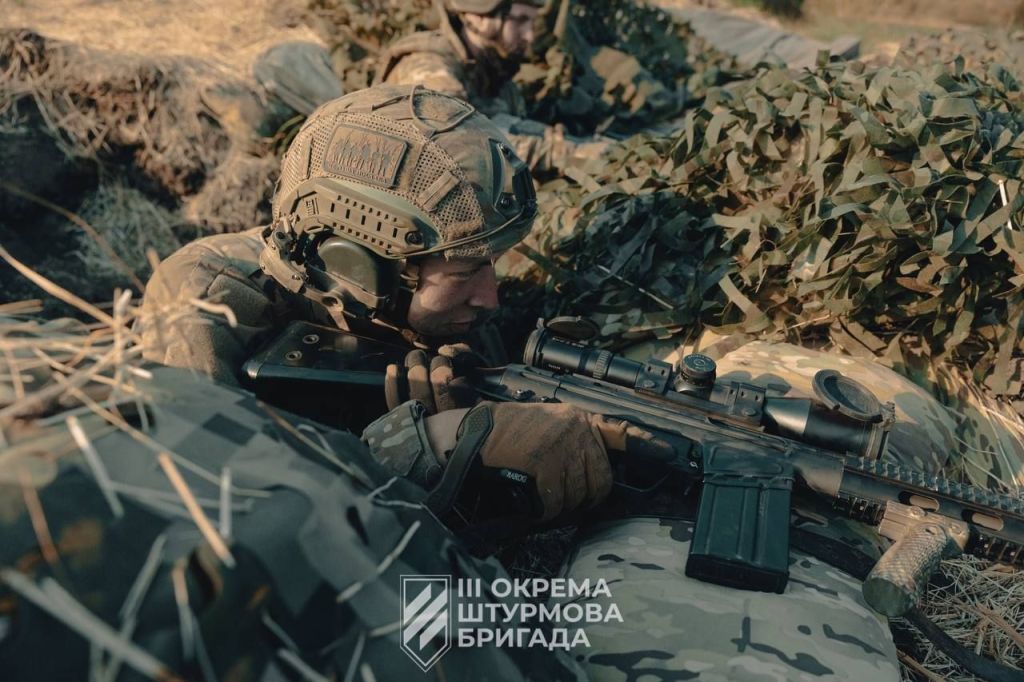
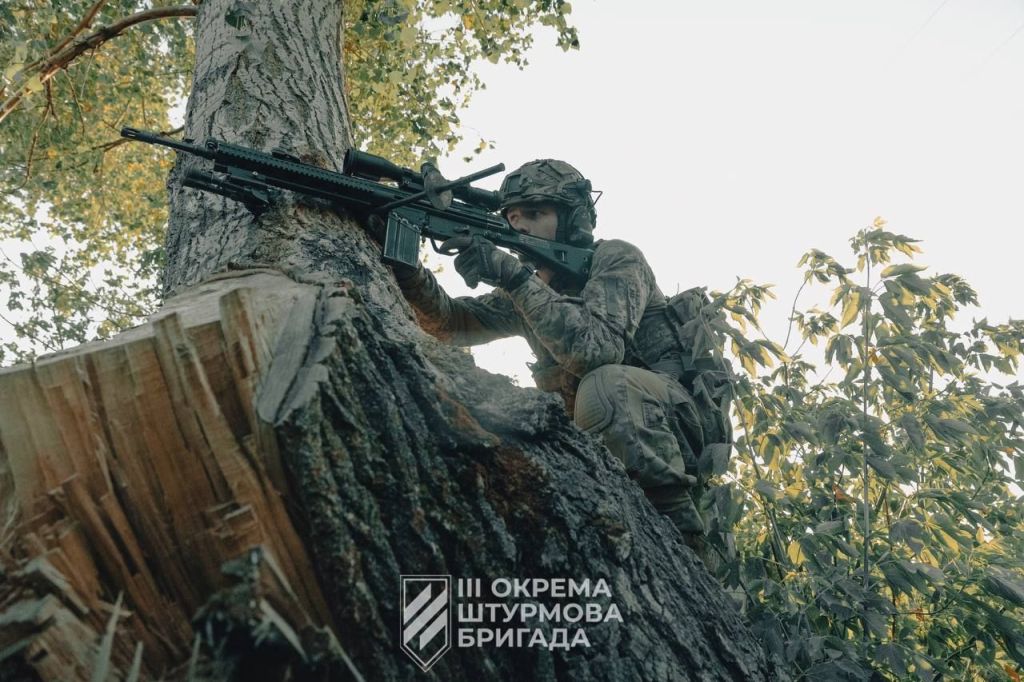
Update 1/10/24: Additional photos by Yara.sva featuring an AK4.


Support Us: If you enjoyed this article please consider supporting our work here. We have some great perks available for Patreon Supporters – including early access to custom stickers and early access to videos! Thank you for your support!


PK-14 Directional Mines In Ukraine

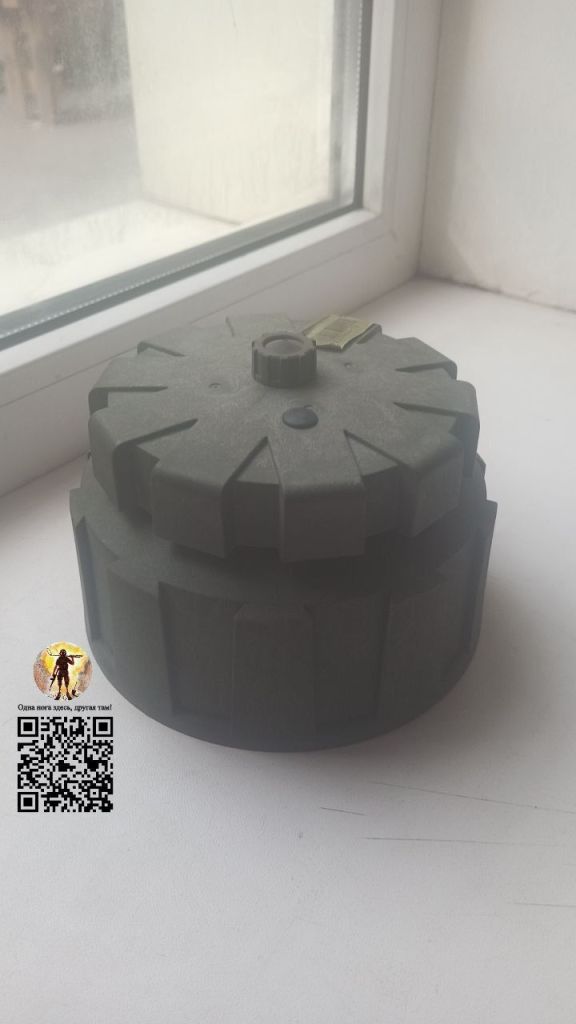
Recently another interesting anti-tank mine was spotted in use in Ukraine. The Estonian PK-14 or M14 directional mine appeared in photographs which were shared online around 9 September. The PK-14 is a directional mine capable of penetrating about 50mm of armour at a distance of 50 meters.

Photos of the PK-14 in the field were shared for the first time on 9 September (via Social Media)

Unlike the German DM22, which is also in service with Ukrainian forces, the PK-14 utilises the Misznay–Schardin effect with 1.5kg charge of PBX used to create an explosively formed penetrator. The PK-14 is capable of damaging most light IFVs and AFVs. It can be set up on a small tripod or even mounted to a tree, telephone poll or post – useful for attacking targets from above.   

The Estonian defence company who manufactures the mine list it as both the PK-14 and M14.  The mine is produced by Terramil under license from another Estonian defence company, Eesti Arsenal, who also offer several training systems.

The PK-14 assembled (nucking_futs_yuri)
The PK-14 assembled, tripod in the tall configuration (nucking_futs_yuri)
The PK-14 assembled, tripod in the low configuration (nucking_futs_yuri)

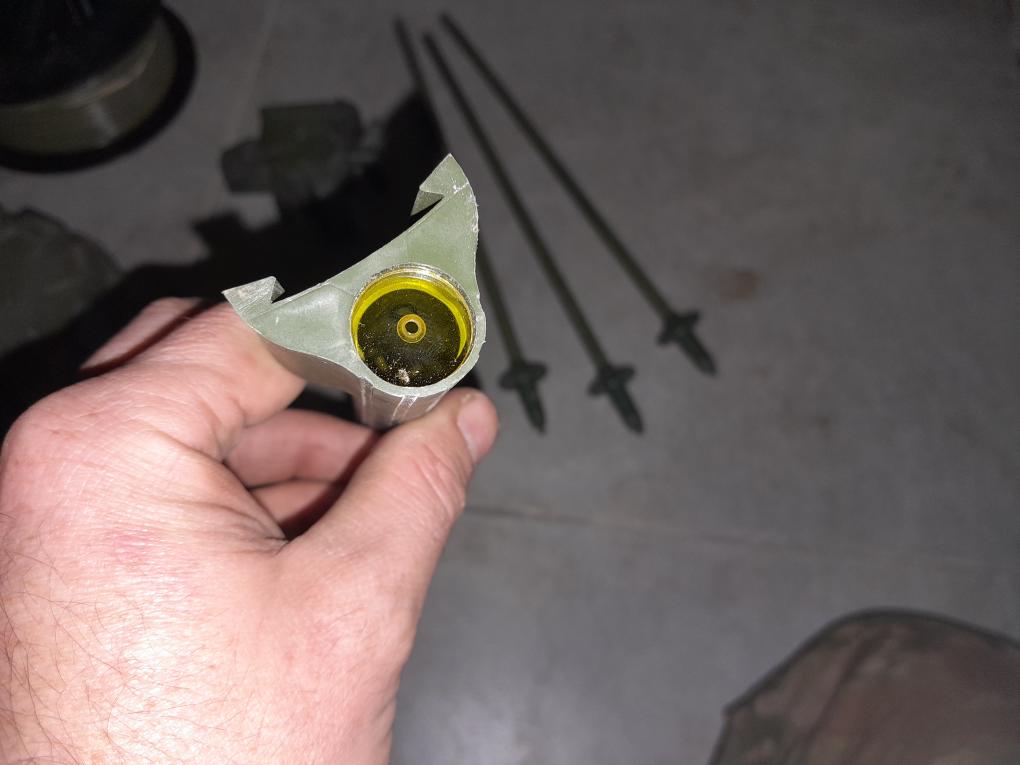
The PK-14 has a diopter sight which attaches to the top of the mine and allows it to be laid across the expected path of a target. The sight itself is a inexpensive moulded plastic tube with a narrow aperture which was described to us by an American serving with the Ukrainian armed forces as looking “like a scope you would find on a cheap toy gun at the corner store”. The mine’s casing is cleverly designed with a series of grooves that allow the sight to be slid into place and for the mine itself to be mounted on its tripod.

The PK-14’s sight tube (nucking_futs_yuri)

This instructional video from the manufacturers shows how the mine can be set up. The mine is command-initiated using a shock tube integrated system (STIS). This means that the mine isn’t tripped by a wire like the German DM-22 or by movement as in the Russian PTKM-1R, but in person by an operator. In practice the operator would set up the mine at a location the enemy is expected to pass, unspool the shock cord back to a concealed position and wait for the enemy vehicle to move within range of the mine.

In theory it is possible to rig the mines up with a makeshift pressure plate detonation system you could take the pressure plate from a conventional anti-tank mine like a TM-46 or TM-57 and wrap some detcord with a blasting cap at the end around it so when a vehicle rolls over it detonates the mine. The mine can be set up to strike from above so it hits the tank’s weak top armour or buried in the middle of the road so it can strike up through the vehicle’s belly armour.

The PK-14’s basic components (nucking_futs_yuri)

Special thanks to nucking_futs_yuri, who is best known as the turret gunner who ran an M2 Browning and was handed some AT4s by his vehicle crew when he called for more ammunition in a recent viral video. Yuri has provided photos and video of a PK-14 in his units inventory. Check out his video showing the components of the mine here.

It’s a small, affordable mine but it is currently unknown how many PK-14 mines have been sent to Ukraine but Estonia, along with the other Baltic states, has been a significant supporter of Ukraine since before Russia’s invasion in February. Estonia began procuring the mines for the Estonian Defence Force in 2015.

nucking_futs_yuri’s video showing the components and set up of the PK-14

In terms of how they may be deployed in Ukraine, the small size and light weight of the PK-14 may be useful for small Ukrainian reconnaissance and special forces teams operating behind Russian lines. Yuri explained that they’re preferred over convention Soviet TM mines as they’re lighter, he stated that:

“normally we each take 2 or more with us, set up our ambush and wait. We could mount them high if need be and get the top of the turret or even bury them in the middle of the road… so it explodes under the center of the tank.”

Check out Yuri’s YouTube channel and Instagram page.

Update – 7/2/23: A recent photograph of a PK-14 in the field.

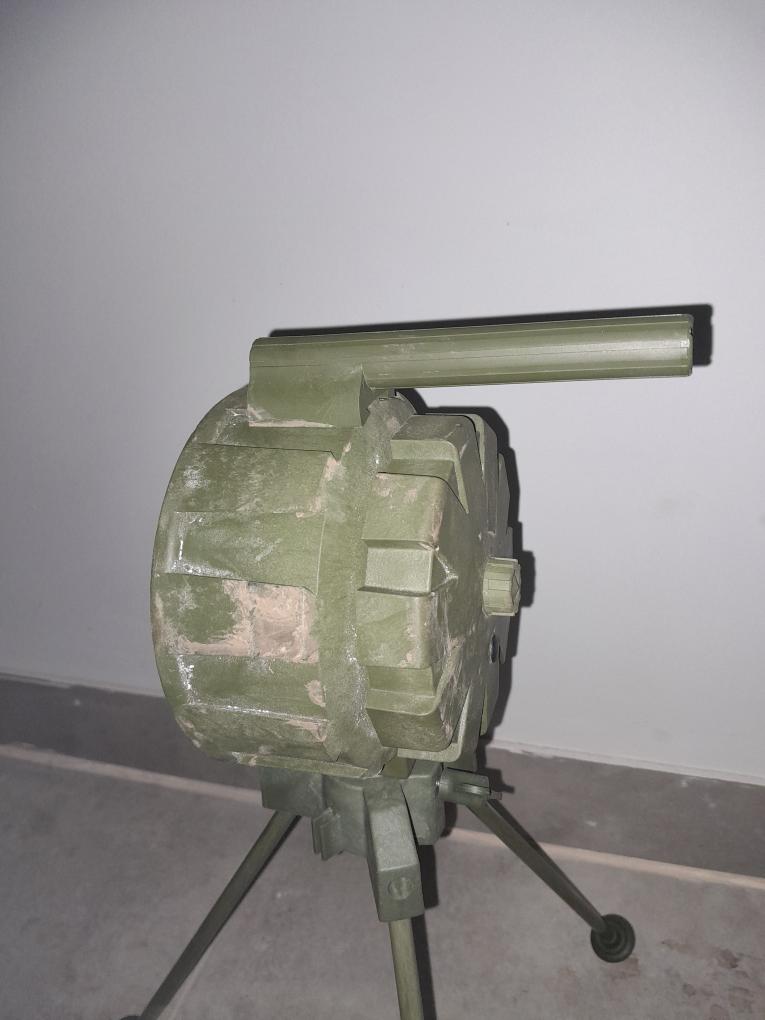
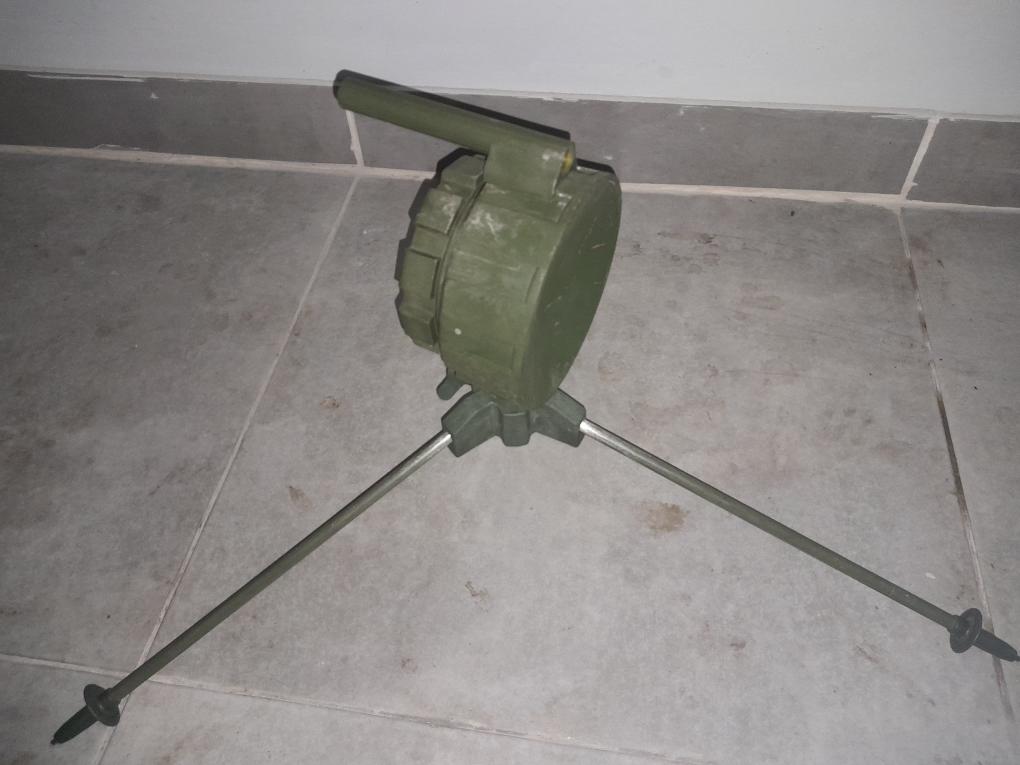
Update – 18/09/24: A rare sighting of a PK-14, reportedly said to be in Ukraine.


If you enjoyed this video and article please consider supporting our work here. We have some great perks available for Patreon Supporters – including custom stickers and early access to videos! Thank you for your support!


Bibliography:

PK-14 Landmine, CAT-UXO, (source)

‘The “smart” mines produced by an Estonian company will receive their first combat missions in Ukraine’, Forte, (source)

Anti-armor mine PK-14, Terramil, (source)

PK-14 Side Mines, Eesti Arsenal, (source)